

“Sustainable fashion is not a trend, it’s a responsibility.”
– Livia Firth, Founder and Creative Director of Eco-Age
Fashion is one of the fastest-growing industries in the world. It is intensely vibrant and has almost the entire world in its thrall. Today, people from all walks of life strive to be fashion-conscious. Being stylish and having the latest trends play a key role in one’s success in life. You would be surprised to know that we own five times the clothing that our great-grandparents did. Then again, it is obvious as trends change every season. The emergence of fast fashion with its plastic-made clothes has taken a toll on our environment. In fact, the fashion industry is the second largest polluter of the environment after the oil sector.
If we wish to save our beloved planet Earth, we need to change our ways. However, this does not mean that we have to abandon fashion altogether. In fact, sustainable fashion is the way forward. Now, you may wonder what exactly sustainable fashion is.
Definition
Sustainable fashion refers to fashion that is environmentally friendly and ethically made. It is an approach to design, production, and consumption patterns that focuses more on environmental concerns. Sustainable fashion aims to cut the environmental impacts of the fashion industry, reduce pollution, secure animal welfare, and uphold workers’ rights.
Eco-Friendly Practices of Sustainable Fashion
With a growing global consciousness about ethical production, renewable energy, and environmental sustainability, sustainable fashion is on the rise. As consumer demand for sustainable fashion is growing, more and more fashion brands are shifting toward it.
Let us have a look at the practices that fashion businesses are adopting to make their offerings more sustainable.
Circular Economy
Circular economy is a revolutionary approach that aims to minimize waste and maximize value. It seeks to increase the lifespan of clothing. One of the basic tenets of circular economy is manufacturing clothing that is both stylish and long-lasting. This is done by using durable materials that can be easily recycled and repaired. Renting, borrowing, and recycling are also significant aspects of circular economy. Customers are opting to rent or borrow clothes instead of buying a new one for every new special occasion. This is increasing the longevity of apparel, which in turn is reducing production. Developing facilities for recycling and repairing are crucial to increasing the lifespan of clothes. Consumers are gradually learning the significance of taking care of clothes, repairing them, and recycling them when needed. Though in its initial stages, circular economy offers various advantages to the fashion industry. It reduces waste, saves resources, and cuts emissions. Businesses are encouraged to focus on social responsibility along with their economic growth. With circular economy, consumers are able to enjoy fashion more ethically and sustainably, in the process purchasing high-quality clothing that is durable.
Upcycling & Recycling
Upcycling refers to the process of creatively transforming an existing piece of clothing into something new and unique. The process showcases that what many consider to be trash can easily be changed into treasure with a little innovation. Reimagining old clothes and giving them new life increases the lifespan of garments and decreases the need for new production. Recycling is slightly different than upcycling. It refers to the process of breaking down a garment and using its parts to make new products. Fashion houses are gradually adopting these processes. One successful initiative is H&M’s Garment Recycling Programme which collects old clothing and transforms the materials into new ones.
Use of Eco-Friendly Manufacturing Materials
Sustainable textile materials like organic cotton, bamboo, and recycled polyester, among others, are not only environmentally friendly but also comfortable and innovative. Fashion brands are increasingly shifting to such eco-friendly textiles and making their manufacturing processes greener. In this way, the fashion industry is weaving aesthetics with ethics.
Enterprise Resource Planning (ERP)
ERP is a game-changer in the fashion industry. It ensures seamless operations and strategic advantages by ensuring timely deliveries, optimal inventory levels, and reduced lead times. ERP systems play a key role in sustainable fashion. They make every process in the fashion industry transparent and continuously monitor everything to make sure that eco-friendly ways of operation are adopted. ERP aligns operations with sustainability best practices and makes sure that the fashion industry is on the right path.
Sustainable Fashion Brands
Making fashion sustainable takes a lot of effort, time, and most importantly money. Hence, sustainable fashion items are costlier than the readily available fast fashion offerings. However, this should not stop us from our pursuit of achieving a greener earth. Here is a list of some of the most cost-effective sustainable brands that are easily accessible.
Levi’s
Levi’s is a huge name in the jeans industry. I am sure many of you are surprised to know that the brand is a diligent practitioner of sustainability. For over 170 years, Levi’s has been relentlessly creating products that are both iconic and long-lasting. It is no wonder that the brand has stood the test of time.
Stella McCartney
Established in 2001, Stella McCarthy has avoided leather, feathers, skins, and fur and instead opts for animal alternatives and eco-friendly materials like recycled cashmere, organic cotton, and vegan leather since its inception. As a designer, McCarthy is incredibly environmental-conscious and makes sure that her brand is fashion-forward as well as sustainable.
Pact
Established by Brendan Synnott in 2002, Pact has adopted circular economy with open hands. Producing garments that are organic, carbon-neutral certified, and fair trade certified, it has also become a leader in sustainable packaging by recycling and upcycling.
People Tree
Established in 1991, People Tree is one of the first sustainable fashion brands. For more than three decades, the brand has produced high-quality and long-lasting products that meet the highest of ethical and environmental standards.
What Thought Leaders Say
In the quest to balance style with responsibility, thought leaders share their insights on the integration of sustainability and ethical practices into the fashion industry. Here’s what they have to say:
Patagonia’s Sustainable Ethical Practices

by Kwame McGill, Founder and Owner, Chimney And Stone Masonry LLC.
“Sustainability and ethics in the fashion industry are central to minimizing the enormous environmental and social impacts of making and consuming clothes. The industry is notorious for its resource-intensive manufacturing, waste disposal, and, in many instances, exploitative labor. Adoption of sustainability and ethics can help eliminate these negative impacts, guarantee adequate working conditions, and foster a more responsible consumption culture.
One of the more well-known organizations leading the charge in sustainable and ethical fashion is Patagonia. Patagonia has a long history of commitment to environmental stewardship and social responsibility. The company incorporates recycled materials in a large percentage of its products, thus reducing the need for virgin resources and minimizing waste. Patagonia has also focused on the importance of product longevity and encourages customers to mend and reuse their clothing rather than throw it out. This not only helps to minimize waste but also encourages a shift away from the overconsumption mentality that has overwhelmed the fashion industry, urging consumers to consume as much fashion as possible, as quickly as possible.
Additionally, Patagonia is transparent in their supply chain and labor policies. The firm collaborates with suppliers to secure good working conditions and always audits their factories to maintain high standards of quality. Patagonia’s sense of responsibility to moral practices is also seen in the corporate culture of the company, which encourages environmental activism and donates a share of its profits to environmental organizations.
One illustrative instance that portrays Patagonia’s commitment to sustainability is the “Worn Wear” initiative. This initiative motivates customers to purchase second-hand equipment from Patagonia, exchange their old clothing with the company’s outlet, and repair their apparel rather than replacing them with new ones. The effect of the initiative is the reduction of the ecological footprint of clothing and apparel, thus promoting a circular economy in the fashion industry.”
NuShoe’s Eco-Friendly Shoe Renewal

by Eric Neuner, President, NuShoe
“As the President of NuShoe, I’ve seen how prioritizing sustainability can make a big difference in both ethical practices and our bottom line. Since 1994, we’ve focused on renewing and repairing shoes instead of discarding them. By resoling and refurbishing high-quality footwear like Birkenstocks, UGGs, and Ecco shoes, we help consumers extend the life of their products, reducing waste and promoting sustainable consumption.
For example, we’ve partnered with brands like Birkenstock to offer resole options, which not only keeps shoes out of landfills but also encourages customers to invest in quality footwear they can maintain over years. This approach offers an eco-friendly alternative to fast fashion and has resonated well with consumers increasingly aware of their environmental footprint. This not only boosts customer loyalty but also aligns our business operations with sustainable practices.
On a broader scale, our institutional and government accounts, where we manage returns and warranty processing, have seen significant improvement from these practices. Resoling defective returns rather than replacing them reduces waste and resource consumption. This commitment to sustainability doesn’t just make ethical sense—it also enhances our operational efficiency and reduces costs, making environmental responsibility and business growth mutually beneficial.”
Eco-Friendly Brand Boosts Loyalty

by Kristian Longden, Content Marketing Executive, J&J Global Fulfilment
“One of our fulfillment clients, a leading eco-friendly fashion brand, exemplifies these practices. They source organic fabrics and utilize factories that adhere to fair labor standards. To support their commitment to sustainability, we implemented a packaging solution using recycled materials and optimized shipping routes to reduce carbon emissions.
This brand’s dedication to ethical practices has resonated with consumers, leading to increased brand loyalty and sales. Their transparent approach, combined with our sustainable fulfillment processes, has set a benchmark for others in the industry.”
Conclusion
Slowly but steadily, the fashion industry is moving toward a greener future. With the rise of sustainable fashion, we can be both stylish and environmentally conscious. We just need to be educated about sustainable fashion and choose brands that are ethical yet trendy.
Do comment and let me know your thoughts on sustainable fashion.
From the Fashion Community

Are you looking for another sustainable way to shop with savvy and pizzazz on the side? Will you be in Arizona or nearby surroundings around July?
Check out award-winning High Society Resale Boutique’s upcoming offering – the Bubbles & Bites Pop-Up Event! Here are the details:
- Event name: Bubbles & Bites Pop-Up Event
- What to expect: A client appreciation shopping event with refreshments and bubbles, delicious bites, and 20% off the whole store.
- Date: July 18, 2024
- Time: 4 PM to 6 PM
- Location: 10805 N 71st Way, Scottsdale, AZ 85254
- Main contact person: Beth McRae
- Phone: 602-330-1996
- Email: beth@mcraeagency.com
- Event category: Pop-Up Shop
- Website URL: https://highsocietyresale.com
Note: This article also appears in the debut Spotlyts Magazine print and digital edition dedicated to fashion. Read below for further details.
Spotlyts Spotlights Fashion
The moment is finally here!
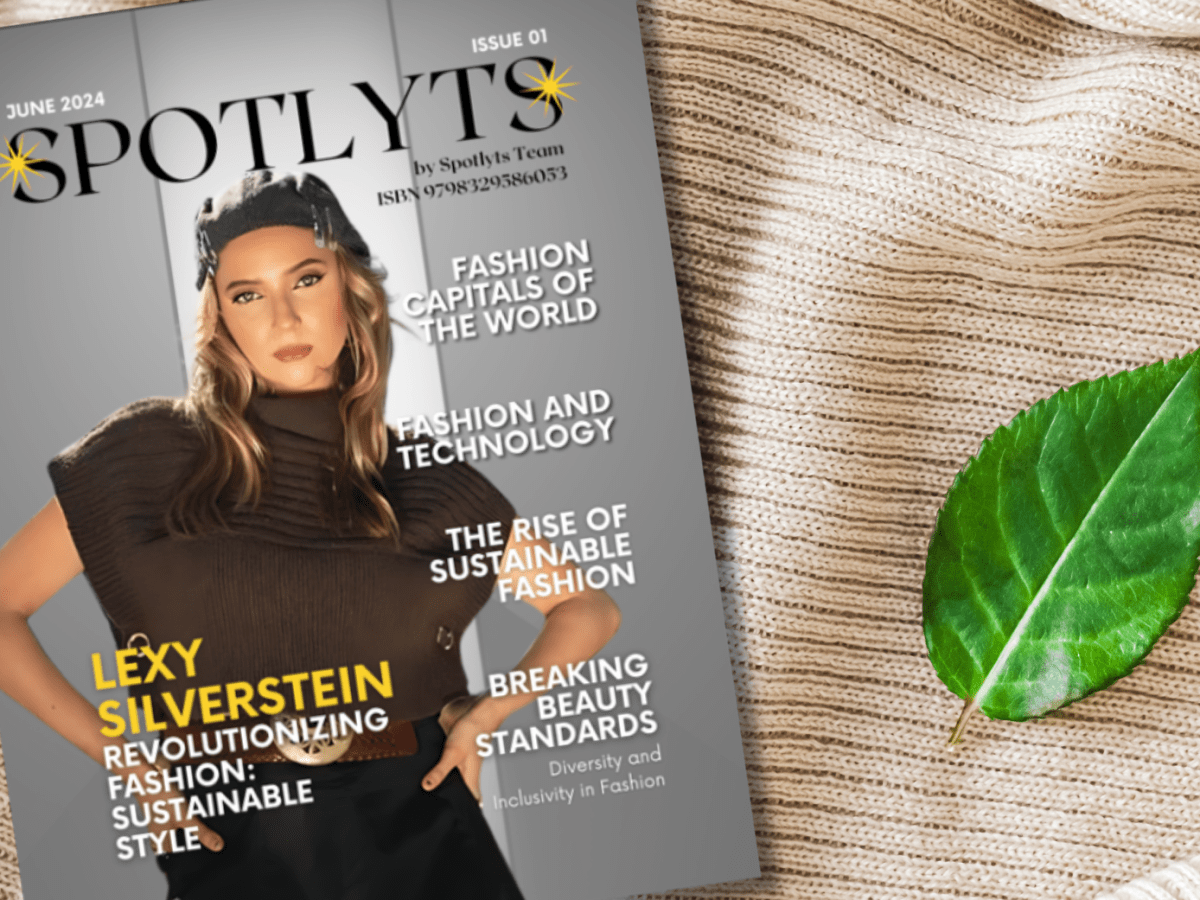
The inaugural issue of Spotlyts Magazine has been officially launched, shining a light on the transformative trends sweeping the fashion industry. Themed “Fashion Forward: Celebrating Diversity, Sustainability, and Innovation,” this edition explores the dynamic changes redefining the sector and features the stories and perspectives driving its evolution.
Gracing the cover is Alexis “Lexy” Silverstein, a champion of sustainable fashion, who embodies the magazine’s mission to highlight individuals, organizations, and initiatives promoting positive change.
This edition features exclusive interviews with notable figures, including:
- Ann Chikahisa, Designer and Owner of Chikahisa Studio, who discusses the impact of fashion and the significance of talismanic jewelry.
- Raegan Kerr, Founder and CEO of The Garde, who shares insights into the concept of elegant athleticism.
- Sylvie Blum-Reid, Professor at the University of Florida, who explores the intersection of women, fashion, and film.
- Emma Medeiros, President of Medeiros Fashion PR, who talks about inclusivity and innovation in fashion.
- Deon Day, Owner of The Eyeshadow Pad, who addresses the revolution in cruelty-free makeup.
- Diana Stelin, TEDx speaker and Owner of Gallerista Fashion, who discusses the artistry in fashion.
- Elizabeth Wissinger, Professor at City University of New York, who offers insights on biodesign, glamour, and wearable technology.
Additional features highlight sustainable fashion, beauty revolutions, and the latest trends, with contributions from:
- Ketie Zhang, Founder of Ketie Story
- Shane McEvoy, Managing Director of Flycast Media
- Alex Taylor, Head of Marketing of CrownTV
- Ryan Esco, Chief Marketing Officer of FireRock Marketing
- Haiko de Poel, Owner of Mass Impact
- Bart Waldon, Co-Founder of Land Boss
- Josh Bluman, Co-Founder of JJ Suspenders
- John Jones, Real Estate Investor of Sell My House Fast Now
- Diane Howard, RN and Founder of Esthetic Finesse
- Fahad Khan, Digital Marketing Manager of Ubuy Nigeria
- Kim Turner, Founder and CEO of Fitness Snob
- Nicolas Krauss, Founder and CEO of dasFlow Custom Sublimation Apparel
- Gary Gilkison, Principal Analyst of Riverbase Cloud
- Ronak Kothari, Creative Director of Rubcorp
- Brian Kratt, Founder and CEO of Plumb Development, Inc
- Kevin Watts, President and Founder of Raincross
- Valentin Radu, CEO of Omniconvert
- Matt Henderson, Co-Owner of Nesta System LLC
- Ben Davis, CEO of The Gents Place
- Kwame McGill, Founder and Owner of Chimney and Stone Masonry LLC
- Eric Neuner, President of NuShoe
- Kristian Longden, Content Marketing Executive of J&J Global Fulfilment
- Tom Molnar, Operations Manager of Fit Design
- Matt Little, Founder and Managing Director of Festoon House
“Spotlyts Magazine Issue 1 – June 2024” celebrates the transformative power of fashion, offering inspiration and insight into a more inclusive, sustainable, and innovative future.
A version of this article also appears on Google News.
Several other versions appear in hundreds of websites across the globe including FOX, CBS, ABC, and NBC affiliates plus more.
Get Your Copy Today
Secure your coffee-table-worthy print and digital copies through the following links:
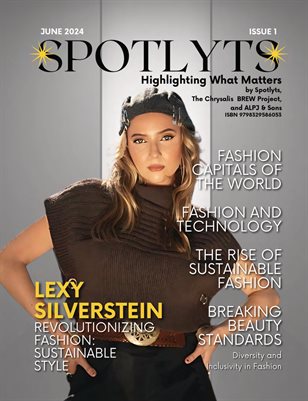
By ALPJ and Sons Team in Spotlyts Magazine
130 pages, published 4/17/2025

- Amazon AU paperback | Kindle
- Amazon UK paperback | Kindle
- Amazon DE paperback | Kindle
- Amazon FR paperback | Kindle
- Amazon ES paperback | Kindle
- Amazon IT paperback | Kindle
- Amazon NL paperback | Kindle
- Amazon PL paperback
- Amazon SE paperback
- Amazon JP paperback | Kindle
- Amazon CA paperback | Kindle
- Amazon US paperback | Kindle
- Amazon BR Kindle
- Amazon MX Kindle
- Amazon IN Kindle
🔆🔆🔆🔆🔆
Related Posts













DISCLAIMER: Spotlyts Magazine does not provide any form of professional advice. All content is for informational purposes only, and the views expressed are those of individual contributors and may not reflect the official position of Spotlyts Magazine. While we strive for accuracy and follow editorial standards, we make no guarantees regarding the completeness or reliability of the content. Readers are encouraged to conduct their own research and seek professional assistance tailored to their specific needs. Any links included are for reference only, and Spotlyts Magazine is not responsible for the content or availability of external sites. For more details, please visit our full Disclaimer, Privacy Policy, and Terms of Service.
Highlight of the Day
“With great power comes great responsibility.”
— Uncle Ben, Spider-Man
More Stories for You

Seasonal Rituals Inspire Global Communities
Ever wondered why we instinctively gather or celebrate when seasons change? This roundup explores how different cultures ritualize nature’s cycles—and what we can learn from these timeless patterns.
Keep reading
The Deal by Nazia Kamali (Short Fiction)
What does a familiar bar reveal when no one is watching? This piece invites readers inside shifts, hidden rituals, and a looming surprise.
Keep reading
In the Spotlight: Leon Conrad on Language, Story Structure, and How Stories Shape Meaning
Why do some stories feel instinctively right while others fall flat—even when we can’t explain why? This interview explores how story structures shape meaning and invites readers to discover the answer.
Keep reading
In the Spotlight: Cortney Raymond on Writing Stories of Healing, Strength, and Possibility
Ever wondered what it’s like to write stories that give hope to people who’ve endured trauma? Discover how Cortney Raymond blends real-life experiences and imagination to create resilience, strength, and possibility.
Keep readingSomething went wrong. Please refresh the page and/or try again.

 Spotlyts
Leave a comment