
K-pop—whether it’s BLACKPINK’s energetic performances, BTS’s chart-topping hits, or the meticulously choreographed dance routines seen around the world—this South Korean pop genre has exploded into a global phenomenon. But how did it become so popular outside Korea, and what does the future hold for this vibrant and highly produced music industry? From dedicated fandoms to cultural crossovers, the rise of K-pop raises the question: is this just a passing trend, or is it here to stay?
How K-Pop Took the World by Storm
The K-pop phenomenon didn’t happen overnight. While early K-pop groups in the 1990s gained national popularity, it wasn’t until groups like BIGBANG, Girls’ Generation, and later, BTS broke onto the international stage that the genre truly went global. K-pop’s appeal goes beyond catchy tunes. With groups whose members spend years training in singing, dancing, and even public relations, K-pop is more than just music; it’s an experience. And platforms like YouTube, Instagram, and Twitter have allowed K-pop idols to connect directly with fans, creating an interactive global community.
The Power of the Fandoms
K-pop fans, known as “stans,” are a force to be reckoned with. Fandoms like BTS’s “ARMY” and BLACKPINK’s “Blinks” organize everything from album-buying campaigns to charity drives in their idols’ names. In fact, K-pop fandoms were even credited with influencing social issues, such as boosting online activism during the 2020 U.S. protests. But what makes these fans so loyal? For many, it’s the relatability and accessibility of K-pop idols who frequently engage with fans on social media, offering a level of connection that fans of Western artists rarely experience.
K-Pop’s Cultural Impact Beyond Music
K-pop’s influence extends beyond the realm of music, significantly impacting fashion, beauty, and even Korean language learning. Korean beauty brands and fashion styles have seen a boom in the West, thanks to K-pop idols popularizing trends. The “Hallyu” or “Korean Wave” is not only introducing audiences to Korean culture but also sparking a new era of cultural exchange, with more Western artists collaborating with K-pop stars, from Halsey’s track with BTS to Lady Gaga’s song with BLACKPINK. But is this crossover a signal of long-term integration or just a strategic moment in pop culture?
Is K-Pop a Lasting Legacy or a Passing Craze?
Some believe that K-pop’s appeal will wane as new trends come into play, while others think it has the potential to solidify itself as a staple in global pop culture. With its unique blend of music, fashion, and fan interaction, K-pop has introduced a new model for global pop music, one that could redefine how artists engage with audiences worldwide. But will this highly curated genre adapt to the changing tastes of future audiences, or will it fade as quickly as it rose?
Share Your Insights
Now, we want to hear from you! Share your thoughts and join the discussion below:
- Do you think K-pop is a long-term movement or just a momentary trend?
- What do you think sets K-pop apart from Western pop music?
- How has K-pop influenced you or the people around you?
Let us know what you think—your opinion could be part of the global conversation!
Taking readers deep into the colorful worlds of music, movies, theater, and entertainment, Spotlyts offers a compelling array of content. This specially curated series highlights up-and-coming musicians, timeless masterpieces, ground-breaking shows, and the most recent developments influencing the business. Spotlyts provides a special blend of observations, reviews, and knowledgeable commentary on anything from behind-the-scenes peeks at theater shows and art performances to in-depth interviews with musicians and filmmakers. This series offers a novel viewpoint on the narratives, performances, and cultural events propelling modern entertainment, whether you’re a die-hard fan, a working professional in the field, or just plain inquisitive. Get inspired by the performing arts’ boundless possibilities and discover the creative talent that defines our time.
DISCLAIMER: Spotlyts Magazine does not provide any form of professional advice. All content is for informational purposes only, and the views expressed are those of individual contributors and may not reflect the official position of Spotlyts Magazine. While we strive for accuracy and follow editorial standards, we make no guarantees regarding the completeness or reliability of the content. Readers are encouraged to conduct their own research and seek professional assistance tailored to their specific needs. Any links included are for reference only, and Spotlyts Magazine is not responsible for the content or availability of external sites. For more details, please visit our full Disclaimer, Privacy Policy, and Terms of Service.
Highlight of the Day
“With great power comes great responsibility.”
— Uncle Ben, Spider-Man
More Stories for You
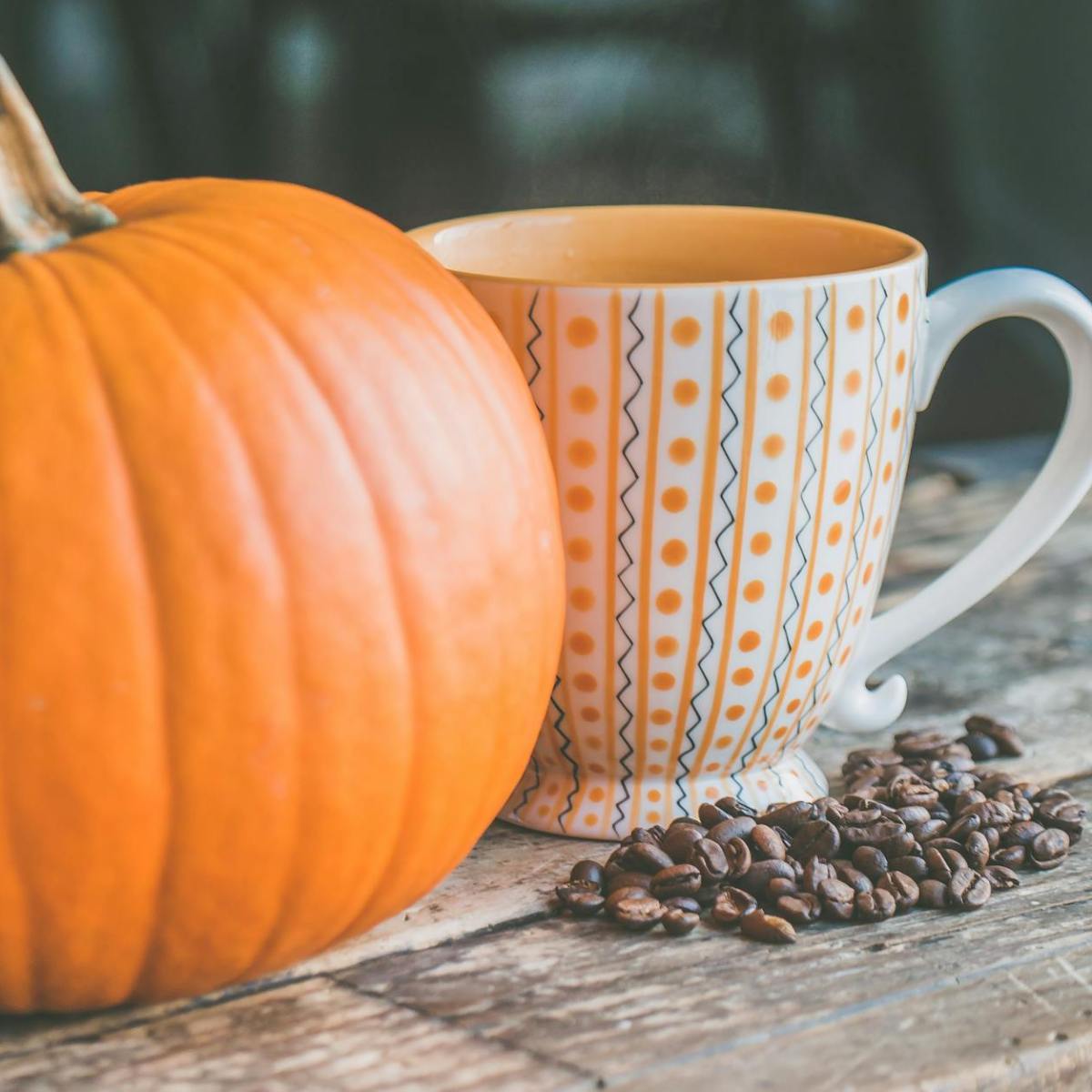
Seasonal Rituals Inspire Global Communities
Ever wondered why we instinctively gather or celebrate when seasons change? This roundup explores how different cultures ritualize nature’s cycles—and what we can learn from these timeless patterns.
Keep reading
The Deal by Nazia Kamali (Short Fiction)
What does a familiar bar reveal when no one is watching? This piece invites readers inside shifts, hidden rituals, and a looming surprise.
Keep reading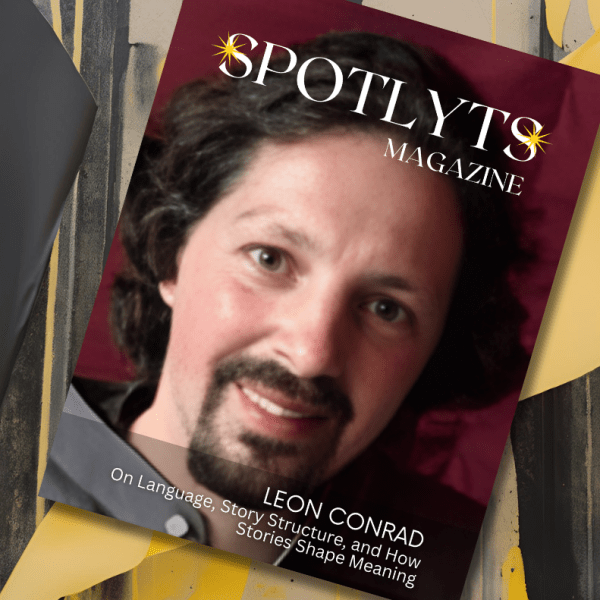
In the Spotlight: Leon Conrad on Language, Story Structure, and How Stories Shape Meaning
Why do some stories feel instinctively right while others fall flat—even when we can’t explain why? This interview explores how story structures shape meaning and invites readers to discover the answer.
Keep reading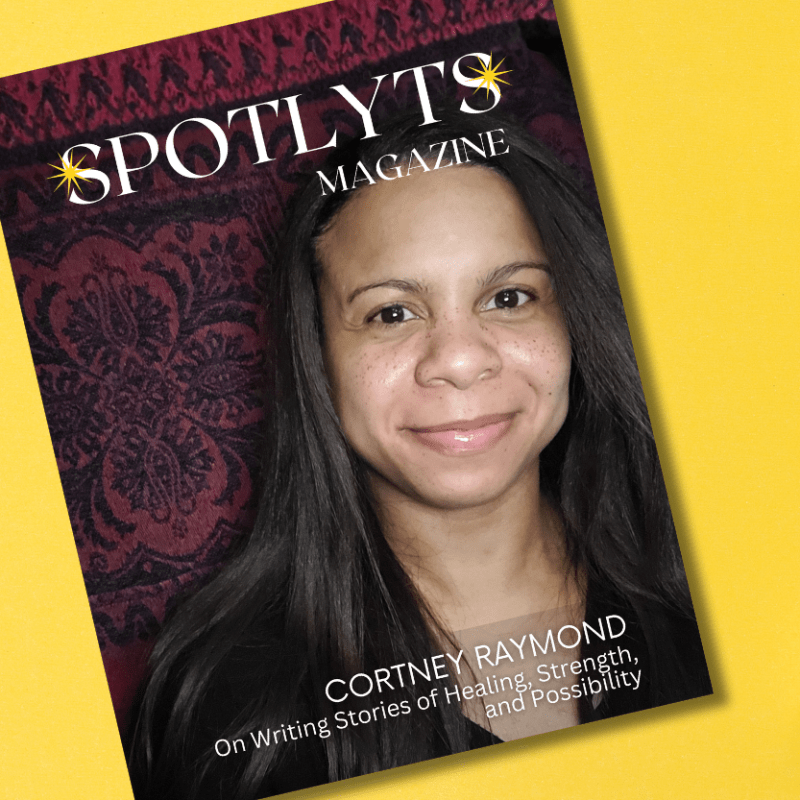
In the Spotlight: Cortney Raymond on Writing Stories of Healing, Strength, and Possibility
Ever wondered what it’s like to write stories that give hope to people who’ve endured trauma? Discover how Cortney Raymond blends real-life experiences and imagination to create resilience, strength, and possibility.
Keep readingSomething went wrong. Please refresh the page and/or try again.
Related Posts
The Soul of Culture: What to Watch, Hear, and Feel This November
If your life had a soundtrack, would it be a cinematic score, a rock anthem, or a comedy theme song? This November, Spotlyts explores how music, film, and performance shape our world!
Keep reading
Togetherness Through Art, Music, and Tradition: A Global Lens
What if a forgotten melody could change the way we see history? Read this piece to explore the hidden ties between art, music, and culture — the answer awaits within!
Keep reading
In the Spotlight: Dr. Amara Pope on Music, Identity, and Cultural Representation
In this conversation, Dr. Amara Pope shares her journey and insights on the intersections of media, culture, and leadership and sheds light on how personal experiences and professional roles can fuel innovation and empower communities.
Keep reading
In the Spotlight: Joseph Pastrana
In this interview, discover how J. Joseph Pastrana weaves fashion, dance, and storytelling into a vibrant blend of cultural history, highlighting the enduring impact of creativity across generations.
Keep readingSomething went wrong. Please refresh the page and/or try again.

 Spotlyts
Leave a comment