

“When I was growing up in Pennsylvania, auditioning for Broadway was my dream.”
– Taylor Swift
Just like pop icon Taylor Swift, every aspiring actor and musician dreams of performing on the elevated stage of Broadway.
At its core, Broadway is musical theatre. It is a globally recognized theatre genre that comprises theatrical performances that are showcased in the 41 professional theaters, with a capacity of more than 500 seats, that are located in the Theater District and Lincoln Center along Broadway, in Midtown Manhattan, New York City. It also refers to the performances presented in London’s West End.
History
Broadway has a rich and enduring history. Its roots can be traced back to the early 19th century. Park Theater, Bowery Theater, and the Astor Place Theater are some of the earliest theaters in New York’s Broadway history. In 1866, The Black Crook, considered to be the first musical ever, was staged at Niblo’s Garden. Running for a record 474 performances, The Black Crook began the glorious history of musical theatre in earnest.
Then came the 20th century. Deemed to be the Golden Age of musical theatre, this era saw the founding of famous theaters like The New Amsterdam Theater and the Lyceum Theater.
The 1920s saw new kinds of musicals where music, lyrics, and story were blended in a compelling manner. Show Boat is a prime example of this.
Soon Hollywood took notice. The 1930s marked the beginning of the movie musical era. Hollywood musicals took the stage by storm after World War II. Hit shows like Singin’ in the Rain, West Side Story, My Fair Lady, Fiddler on the Roof, The Boy Friend, Oklahoma, South Pacific, The King and I, Oliver!, and The Sound of Music, among others, mesmerized audiences.
Though there was a decline in Broadway during the 1970s, it was swiftly revived in the 1980s and 1990s. Productions like Les Miserables¸ Cats, and The Phantom of the Opera, and The Lion King revitalized musical theatre. Non-profit theaters like the Roundabout Theater Company and Lincoln Center Theater gave a huge boost to the industry as well.
In the current era, Broadway has become an integral aspect of the entertainment industry. Innovative works like Wicked, The Book of Mormon, Rent, and Hamilton earned critical acclaim and became blockbusters. Today’s Broadway productions are technologically sophisticated dealing with a wide range of social, cultural, and political issues.
Future Trends
Broadway is an ever-evolving genre. It is constantly breaking boundaries and adapting to meet the changing tastes of the audience. Let us have a look at some of the emerging trends in Broadway.
Increased Digitization
When theaters were shut during the pandemic, theatrical performances were directly streamed on platforms like Disney+, Netflix, HULU, and HBO Max, among others. Not only did Hamilton become a big hit but also increased Disney+’s subscribers by at least 74% when it was directly streamed on the platform. This proved that musical productions could become blockbusters even when streamed digitally. Moreover, it would also increase the audience reach. It is no wonder that post-COVID, there has been an increased trend in digitization.
Technology and Innovation
The infusion of modern technology in musical theatre has rejuvenated Broadway. Virtual Reality has added a new dimension to theater performances. With the help of VR headsets, audiences no longer remain a spectator in their seats. They are transported into the world of the performance and transformed into a real-life, silent observer. 3D projection mapping is another technological innovation that has breathed new life into musical theater. 3D projection mapping projects images onto various objects and surfaces. It can be used to change set designs in the blink of an eye. In the long run, this technology will save costs. Technological advancements like innovative visuals, immersive sound design, and cutting-edge special effects have the power to make stage productions all the more richer and dynamic. The 2015 adaptation of An American in Paris perfectly showcased the power of technological innovation in theatrical productions.
Cross-Genre Fusion
Today’s musical theatre is becoming increasingly experimental. Showmakers are integrating elements of rock, pop, rap, and EDM with the traditional sounds of Broadway. As a result of this cross-genre fusion, more and more unique and compelling shows are showcased. Dear Evan Hansen and Hadestown are two of many genre-defying shows that have drawn in people who are not even fans of Broadway.
Inclusive & Diverse Storytelling
Diverse and inclusive storytelling is one of the emerging trends in Broadway productions. Shows are becoming more and more focused on underrepresented communities. New productions deal with themes of gender, race, and sexual identity. Lin-Manuel Miranda’s Hamilton is a prime example of this. By reimagining the story of Alexander Hamilton through the lens of hip-hop and predominantly casting actors of color, the show brought marginalized communities to the limelight. The Color Purple is one production that beautifully portrayed queer and racial themes.
Increased Focus on Sustainability
People all over the world have become conscious about sustainability. More and more theaters are going green. They are focusing on lowering their carbon footprints. As a result of the increased focus on sustainability, it is foreseeable that tickets will become completely digital. Eco-friendly stage stage designs using recycled materials are becoming more common, though challenges remain in balancing sustainability with creative demands. Theaters will try their best to reduce their energy usage.
Conclusion
Broadway blends the magic of music and the power of storytelling. The grand combination of music, dance, and drama immerses audiences and teleports them to the world of stories. With a remarkable capacity for reinvention, Broadway remains vibrant and relevant even after so many years. It brings new stories to life and reimagines classic stories with a modern twist. Broadway has the power to bridge the past and the present and make way for the future.
The evolution of Broadway proves the enduring power of creativity and innovation. It can easily be predicted that musical theatre will continue to adapt and mesmerize audiences all over the world.
Do comment and let me know about your all-time favorite Broadway shows.
Sources
- https://www.broadway.com/?msclkid=8128cc40864b172f04b2ab5909947413
- https://www.broadwayworld.com/article/A-Brief-History-of-Broadway-20211219
Related Insights
“Broadway – and stage musicals in general – has evolved throughout its history. It began with simplistically assembled skits and musical numbers, progressed to themed acts, and eventually transitioned to originally scored stories. Lately, there has been an emphasis on staging the so-called “jukebox” musical, which features the catalog of popular music artists such as Donna Summer, ABBA, and others. While this doesn’t guarantee sold-out shows, jukebox musicals—alongside revivals of well-loved plays—are a way to attract wider audiences to the theater by leveraging known intellectual properties, believed to make investments in shows more attractive.”

Contributed by Joseph Pastrana, Author of “Mirrorball – Reflections of Dance and Fashion” and “Homespun – True Tales of Tweed”
Taking readers deep into the colorful worlds of music, movies, theater, and entertainment, Spotlyts offers a compelling array of content. This specially curated series highlights up-and-coming musicians, timeless masterpieces, ground-breaking shows, and the most recent developments influencing the business. Spotlyts provides a special blend of observations, reviews, and knowledgeable commentary on anything from behind-the-scenes peeks at theater shows and art performances to in-depth interviews with musicians and filmmakers. This series offers a novel viewpoint on the narratives, performances, and cultural events propelling modern entertainment, whether you’re a die-hard fan, a working professional in the field, or just plain inquisitive. Get inspired by the performing arts’ boundless possibilities and discover the creative talent that defines our time.
DISCLAIMER: Spotlyts Magazine does not provide any form of professional advice. All content is for informational purposes only, and the views expressed are those of individual contributors and may not reflect the official position of Spotlyts Magazine. While we strive for accuracy and follow editorial standards, we make no guarantees regarding the completeness or reliability of the content. Readers are encouraged to conduct their own research and seek professional assistance tailored to their specific needs. Any links included are for reference only, and Spotlyts Magazine is not responsible for the content or availability of external sites. For more details, please visit our full Disclaimer, Privacy Policy, and Terms of Service.
Highlight of the Day
“With great power comes great responsibility.”
— Uncle Ben, Spider-Man
More Stories for You

Seasonal Rituals Inspire Global Communities
Ever wondered why we instinctively gather or celebrate when seasons change? This roundup explores how different cultures ritualize nature’s cycles—and what we can learn from these timeless patterns.
Keep reading
The Deal by Nazia Kamali (Short Fiction)
What does a familiar bar reveal when no one is watching? This piece invites readers inside shifts, hidden rituals, and a looming surprise.
Keep reading
In the Spotlight: Leon Conrad on Language, Story Structure, and How Stories Shape Meaning
Why do some stories feel instinctively right while others fall flat—even when we can’t explain why? This interview explores how story structures shape meaning and invites readers to discover the answer.
Keep reading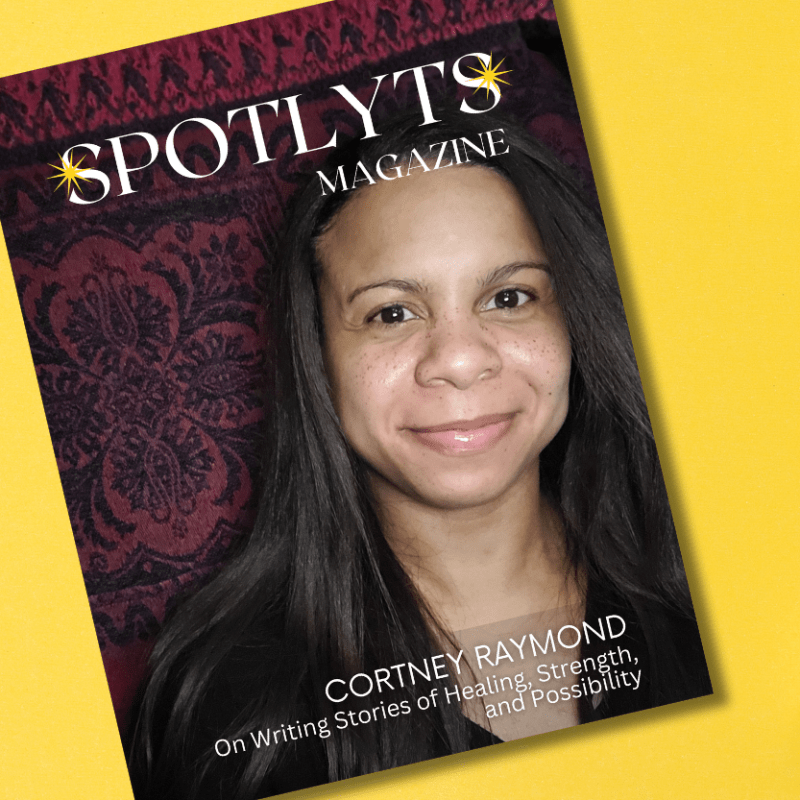
In the Spotlight: Cortney Raymond on Writing Stories of Healing, Strength, and Possibility
Ever wondered what it’s like to write stories that give hope to people who’ve endured trauma? Discover how Cortney Raymond blends real-life experiences and imagination to create resilience, strength, and possibility.
Keep readingSomething went wrong. Please refresh the page and/or try again.
Related Posts

The Soul of Culture: What to Watch, Hear, and Feel This November
If your life had a soundtrack, would it be a cinematic score, a rock anthem, or a comedy theme song? This November, Spotlyts explores how music, film, and performance shape our world!
Keep reading
Togetherness Through Art, Music, and Tradition: A Global Lens
What if a forgotten melody could change the way we see history? Read this piece to explore the hidden ties between art, music, and culture — the answer awaits within!
Keep reading
In the Spotlight: Dr. Amara Pope on Music, Identity, and Cultural Representation
In this conversation, Dr. Amara Pope shares her journey and insights on the intersections of media, culture, and leadership and sheds light on how personal experiences and professional roles can fuel innovation and empower communities.
Keep reading
In the Spotlight: Joseph Pastrana
In this interview, discover how J. Joseph Pastrana weaves fashion, dance, and storytelling into a vibrant blend of cultural history, highlighting the enduring impact of creativity across generations.
Keep readingSomething went wrong. Please refresh the page and/or try again.

 Spotlyts
Leave a comment