
An essential component of emotional intelligence and a prerequisite for developing deep connections is empathy. Not only can teaching kids to share and comprehend the emotions of others help them deal with social situations gracefully, but it also creates a more compassionate and caring environment. But what can parents and other adults do to help kids develop empathy?
How Important Empathy Is
Children that possess empathy are able to view the world from the perspective of others. It fosters their interpersonal skills, conflict resolution abilities, and capacity for kindness even in trying circumstances. Children who exhibit empathy have a higher chance of becoming adults who uphold wholesome relationships and make constructive contributions to their communities.
Practical Ways to Teach Empathy
Set an Example of Empathy – Kids learn up knowledge by watching others. In your everyday encounters, exhibit empathy by paying close attention to what your friends have to say, lending a helping hand to a neighbor, or being patient with your child’s feelings.
Promote the Use of Perspectives – Encourage your youngster to think about how other people might feel in certain situations. Ask, “How do you think your friend felt when you shared your toy?” for instance. or “How can we help them feel better, in your opinion?”
Introduce Them to Diversity – Expose your youngster to a variety of cultures, customs, and lifestyles. They can learn more about and accept people from different origins through books, films, and conversations.
Confirm Their Feelings – Listen to your child without passing judgment to let them know that their feelings are important. Children are more inclined to share their understanding with others when they feel heard and understood.
Promote Generosity – Children learn the delight of making others happy through small deeds like helping someone in need, sending thank-you cards, or donating toys.
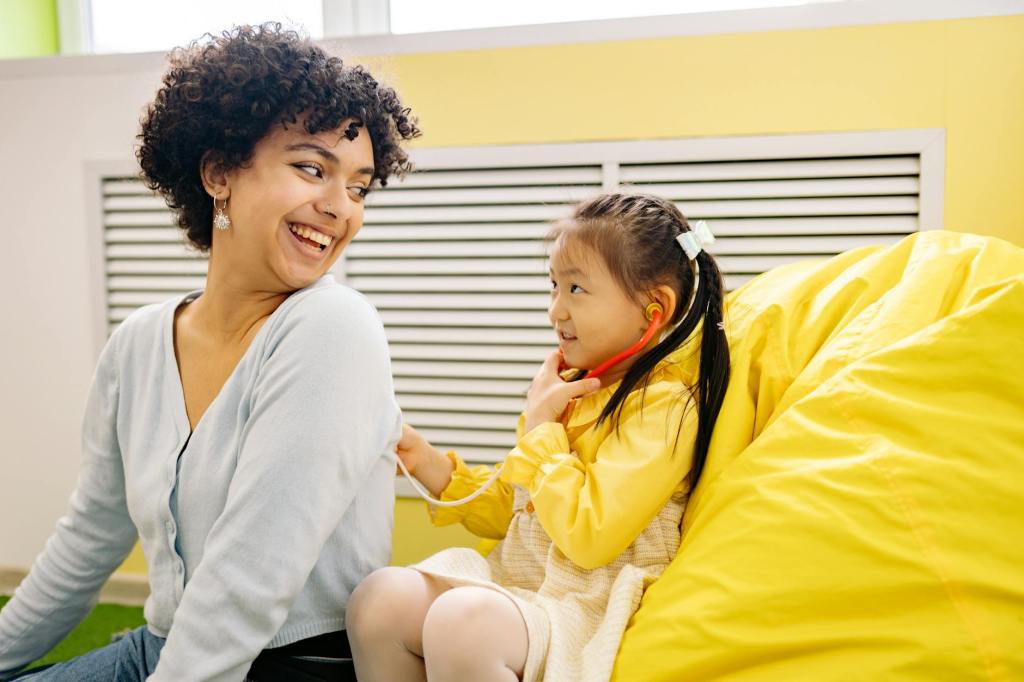
Utilize Play to Teach Empathy – Role-playing games, such as assuming the roles of teacher, doctor, or shopkeeper, provide kids the opportunity to experience imagining themselves in other people’s situations.
Overcoming Obstacles in Teaching Empathy
It’s not always easy to teach empathy. Self-centeredness can be a problem for kids, especially in early life. Be persistent and patient, using gentle reminders and praise to reinforce compassionate behavior. Recall that empathy is a talent that can be developed with practice and direction.
Empathy in Practice
Witnessing empathy in action—whether your child is consoling a classmate, defending someone who is being treated unfairly, or expressing thanks for a kind gesture—is the true reward of teaching empathy. These incidents demonstrate how crucial it is to instill compassion and empathy in the future generation.
Raising a younger generation
One of the best things we can do for children (and the world) is to help them develop empathy. We enable students to build more solid, caring relationships and promote a more empathetic community by training them to care for others.
Share Your Insights
How do you help your kids develop empathy? In the comments section below, share your advice, insights, and anecdotes. Your perspectives may encourage other parents and caregivers to raise compassionate children!
Welcome to our brand-new series at Spotlyts dedicated to family, children, and relationships! This is the beginning of a continuous spotlight on the core of what binds us together—our loved ones. We’ll go further into the potent dynamics of human connection, covering everything from the nourishing ties we have with our families to the joys and challenges of having and rearing kids to the enduring friendships and partnerships that influence our lives.
We invite you to join us as we take on this ongoing exploration and reflect on the many ways our relationships shape and transform us. Stay tuned for more!
DISCLAIMER: Spotlyts Magazine does not provide any form of professional advice. All content is for informational purposes only, and the views expressed are those of individual contributors and may not reflect the official position of Spotlyts Magazine. While we strive for accuracy and follow editorial standards, we make no guarantees regarding the completeness or reliability of the content. Readers are encouraged to conduct their own research and seek professional assistance tailored to their specific needs. Any links included are for reference only, and Spotlyts Magazine is not responsible for the content or availability of external sites. For more details, please visit our full Disclaimer, Privacy Policy, and Terms of Service.
Highlight of the Day
“With great power comes great responsibility.”
— Uncle Ben, Spider-Man
More Stories for You

Seasonal Rituals Inspire Global Communities
Ever wondered why we instinctively gather or celebrate when seasons change? This roundup explores how different cultures ritualize nature’s cycles—and what we can learn from these timeless patterns.
Keep reading
The Deal by Nazia Kamali (Short Fiction)
What does a familiar bar reveal when no one is watching? This piece invites readers inside shifts, hidden rituals, and a looming surprise.
Keep reading
In the Spotlight: Leon Conrad on Language, Story Structure, and How Stories Shape Meaning
Why do some stories feel instinctively right while others fall flat—even when we can’t explain why? This interview explores how story structures shape meaning and invites readers to discover the answer.
Keep reading
In the Spotlight: Cortney Raymond on Writing Stories of Healing, Strength, and Possibility
Ever wondered what it’s like to write stories that give hope to people who’ve endured trauma? Discover how Cortney Raymond blends real-life experiences and imagination to create resilience, strength, and possibility.
Keep readingSomething went wrong. Please refresh the page and/or try again.
Related




Something went wrong. Please refresh the page and/or try again.

 Spotlyts
Leave a comment