

Although conflict is inevitable in family life, how it is handled can have a big influence on relationships and peace in the home. Families can resolve conflicts more successfully while fortifying ties and promoting understanding when they use constructive and courteous conflict resolution techniques. This article explores methods for handling family disputes in a way that encourages empathy, communication, and long-term settlement.
How can families manage and resolve conflicts in a constructive and respectful manner? Let’s hear from the experts.
Expert Insights
Throughout our work with parents and families, we’ve found that everyone ultimately wants the same thing—to be heard and understood. Conflict is a natural part of family life, but managing and resolving it in a constructive and respectful manner is key to maintaining healthy relationships.
When you find yourself in the heat of a moment with conflicting views, the first step is to pause—both literally and figuratively. Take a step back and give yourself some space to de-escalate your own emotions. It’s important to avoid reacting impulsively when you’re upset, as this can escalate the conflict further.
Once you’ve given yourself some time to cool down, focus on understanding the actual issue at hand. In most conflicts, it’s natural to want the other person to understand your perspective. However, before you can expect them to understand you, it’s crucial to first make an effort to understand where they’re coming from. If you don’t fully understand their point of view, it’s difficult to have a productive conversation. Sometimes, what we argue about may not be the real issue. For example, if you’re arguing over where to eat, the underlying concern might not be the location itself, but a desire for healthier food options. Recognizing this can be helpful in finding common ground later.
Once you feel you understand the other person’s perspective, restate what you’ve heard to ensure clarity. For example, you might say, “It sounds like what’s important to you is finding a place with healthier choices. Is that right?” This gives the other person an opportunity to confirm or correct your understanding. Typically, when someone feels understood, they’re more likely to remain calm and engage in a healthier discussion. From there, you can share your own perspective and communicate what’s important to you, making sure the other person understands your point as well.
The next step is collaboration. Encourage the other person to brainstorm possible solutions to the conflict. This cooperative approach can lead to a compromise where both parties feel heard and satisfied. Remember, the goal is not to “win” the argument but to find a resolution that works for everyone.
At the end of a conflict, it may also be necessary to set a boundary. Boundaries are essential in maintaining respect and preventing further escalation. When setting a boundary, it’s important that all parties involved agree on it, and that the consequence is directly related to the behavior. For example, if your child is yelling and you say they will lose iPad privileges if they continue, that’s not addressing the root issue—teaching them how to communicate calmly. Instead, try setting a clear, specific boundary like, “If you continue yelling, I will not engage in this conversation and will walk away.” Then, follow through consistently. If they continue yelling, walk away. While it may be challenging at first, with consistency over time, your child will learn that yelling is not an effective way to get your attention. Once they’ve calmed down, you can say, “I hear your voice is calm now; we can talk.” This teaches them how to communicate respectfully and discourages unproductive behaviors like yelling.

Dr. Chase & Mitra Cummins, Co-Founders & Introspective Parent Coaches at Introspective Solutions
Share Your Insights
We’d love to hear your thoughts! How do you manage conflicts in your family? Share your experiences and insights in the comments below:
- What strategies have worked for your family?
- How do you keep conversations respectful during a disagreement?
- What challenges do you face when resolving conflicts?
Welcome to our brand-new series at Spotlyts dedicated to family, children, and relationships! This is the beginning of a continuous spotlight on the core of what binds us together—our loved ones. We’ll go further into the potent dynamics of human connection, covering everything from the nourishing ties we have with our families to the joys and challenges of having and rearing kids to the enduring friendships and partnerships that influence our lives.
We invite you to join us as we take on this ongoing exploration and reflect on the many ways our relationships shape and transform us. Stay tuned for more!
DISCLAIMER: Spotlyts Magazine does not provide any form of professional advice. All content is for informational purposes only, and the views expressed are those of individual contributors and may not reflect the official position of Spotlyts Magazine. While we strive for accuracy and follow editorial standards, we make no guarantees regarding the completeness or reliability of the content. Readers are encouraged to conduct their own research and seek professional assistance tailored to their specific needs. Any links included are for reference only, and Spotlyts Magazine is not responsible for the content or availability of external sites. For more details, please visit our full Disclaimer, Privacy Policy, and Terms of Service.
Highlight of the Day
“With great power comes great responsibility.”
— Uncle Ben, Spider-Man
More Stories for You

Seasonal Rituals Inspire Global Communities
Ever wondered why we instinctively gather or celebrate when seasons change? This roundup explores how different cultures ritualize nature’s cycles—and what we can learn from these timeless patterns.
Keep reading
The Deal by Nazia Kamali (Short Fiction)
What does a familiar bar reveal when no one is watching? This piece invites readers inside shifts, hidden rituals, and a looming surprise.
Keep reading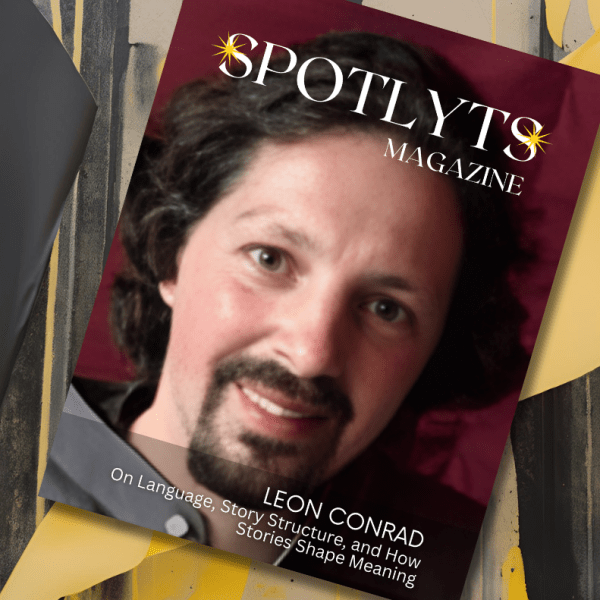
In the Spotlight: Leon Conrad on Language, Story Structure, and How Stories Shape Meaning
Why do some stories feel instinctively right while others fall flat—even when we can’t explain why? This interview explores how story structures shape meaning and invites readers to discover the answer.
Keep reading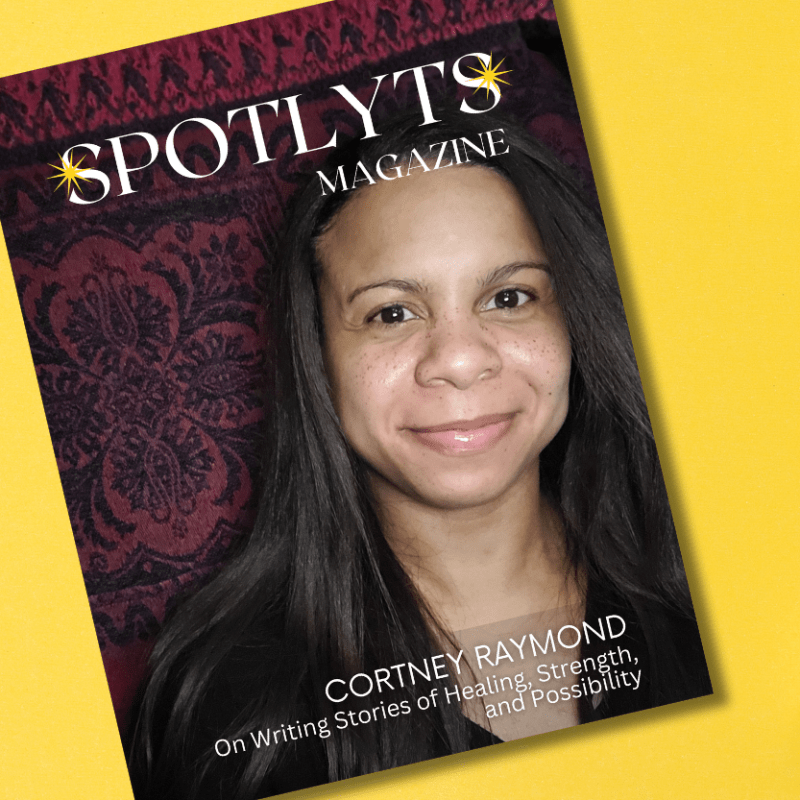
In the Spotlight: Cortney Raymond on Writing Stories of Healing, Strength, and Possibility
Ever wondered what it’s like to write stories that give hope to people who’ve endured trauma? Discover how Cortney Raymond blends real-life experiences and imagination to create resilience, strength, and possibility.
Keep readingSomething went wrong. Please refresh the page and/or try again.
Related




Something went wrong. Please refresh the page and/or try again.

 Spotlyts
Leave a comment