
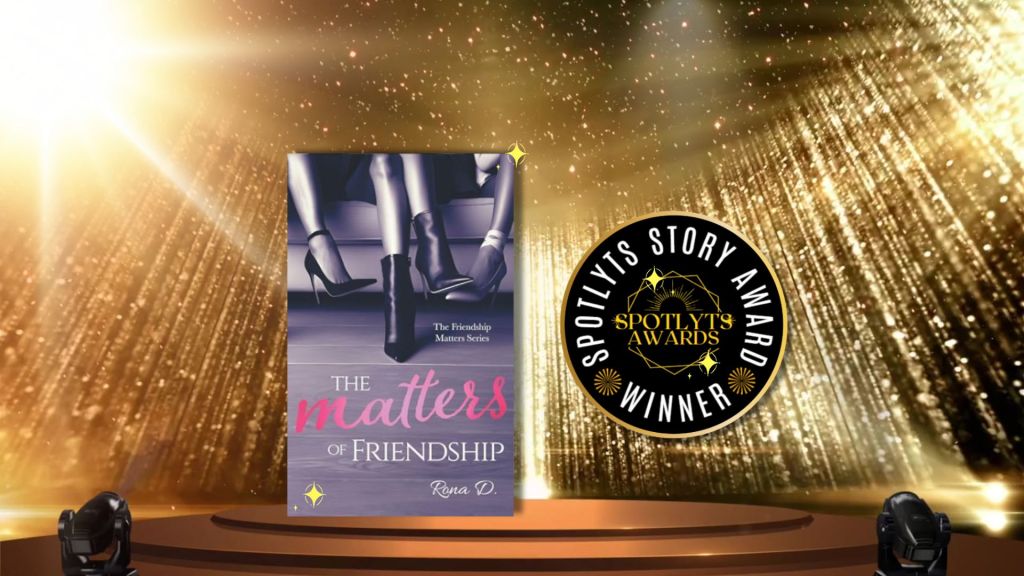
Friendship is often treated as the unspoken backbone of our emotional lives, yet its complexities remain largely ignored. The Matters of Friendship by Rona D. Drinkard plunges into this intricate web, unpacking the silent forces that bind and unravel human connections. What makes this book stand out isn’t just its exploration of camaraderie but its keen ability to bring nuance to an otherwise universal theme. Let’s look into the layers often overlooked by readers.
Friendship as a Mirror of Society: Historical Perspectives
While the book’s focus might seem rooted in personal anecdotes and observations, its implications are far more societal. The author implicitly critiques modern transactional friendships shaped by digital immediacy. This critique mirrors the work of Aristotle, who categorized friendships into three types: utility, pleasure, and the good.
How many of us today can claim relationships that transcend utility or pleasure to reach that Aristotelian ideal of shared virtue? The text raises unspoken parallels: has the digital age blurred our capacity for such depth, replacing enduring bonds with fleeting “likes”?
The Statistics Behind Solitude
Consider this: a 2021 study by Harvard revealed that 36% of Americans—including 61% of young adults—reported feeling “seriously lonely.” What role does The Matters of Friendship play in addressing this crisis? It serves not as a prescriptive guide but a reflective canvas, urging readers to confront the gaps in their connections.
One poignant story recalls a friend’s sudden disappearance from the protagonist’s life, not due to betrayal but inertia—a chilling reminder of how easy it is to lose people without malice. It’s a story that resonates with data: relationships often dissolve not in fiery arguments but in the quiet suffocation of neglect.
An Anecdotal Peek into the Emotional Economy
The author’s tale of a seemingly insignificant childhood friendship—centered around trading marbles—offers a profound metaphor. The marbles represent not just physical currency but the intangible exchanges of trust and loyalty. Decades later, when the friend resurfaces with a box of marbles, the gesture underscores a deeper truth: friendships may hibernate, but their impact often lingers.
This is reminiscent of Khalil Gibran’s observation: “Friendship is always a sweet responsibility, never an opportunity.” How often do we commodify relationships without recognizing the quiet responsibilities embedded in their foundation?
The Tensions of Modernity: Rhetorical Questions that Linger
- In an era where connections are quantified by algorithms, how do we measure the unspoken sacrifices that define real friendship?
- If friendship is a choice, as the book suggests, why does it often feel like an obligation?
- Can we revive friendships lost to time, or does every reconnection come with the burden of unmet expectations?
The book doesn’t explicitly answer these questions but weaves them into the narrative, leaving the reader to grapple with their own truths.
Friendship as Fictional Archetype: A Literary Parallel
The book’s narrative style mirrors great friendship-based literature, from the camaraderie in Of Mice and Men to the bittersweet loyalty in Elena Ferrante’s My Brilliant Friend. It begs the question: is friendship the most potent narrative device because it is inherently unresolved?
One particularly striking section recounts an argument between two close friends over differing life choices—one seeking stability, the other chasing chaos. It’s not the resolution but the argument’s raw, unresolved honesty that reflects the duality of friendship: supportive yet combative, enduring yet fragile.
Final Thoughts: A Map Without Directions
The Matters of Friendship does not offer a roadmap for perfect relationships, nor does it attempt to. Instead, it acts as a mirror, forcing readers to confront the imperfections in their connections. Its anecdotes, data, and reflective prose remind us that friendship isn’t about perfection but persistence.
As Rainer Maria Rilke once said: “For one human being to love another: that is perhaps the most difficult of all our tasks.” Substitute “love” with “friendship,” and you have the heart of this book. It challenges us not to be perfect friends but to keep showing up, imperfections and all.
Spotlyts Story Award

The above story/stories or storyteller(s) won the Spotlyts Story Award.
Throughout the year, standout stories are selected to receive the Spotlyts Story Award. This accolade celebrates storytelling in all its forms, including:
- Written works: fiction, nonfiction, essays, articles, and poetry
- Visual storytelling: photos, photo essays, and videos
- Multimedia content: story websites, blog articles, social media posts, short films, and other digital creations
Winning a Spotlyts Story Award doesn’t just mean recognition today—it also earns a nomination for the annual Story of the Year Award titles.
Request for a review of your book and have it nominated for the award here.
To nominate for a non-book category of the award or to know more about the award, click here.
DISCLAIMER: Spotlyts Magazine does not provide any form of professional advice. All content is for informational purposes only, and the views expressed are those of individual contributors and may not reflect the official position of Spotlyts Magazine. While we strive for accuracy and follow editorial standards, we make no guarantees regarding the completeness or reliability of the content. Readers are encouraged to conduct their own research and seek professional assistance tailored to their specific needs. Any links included are for reference only, and Spotlyts Magazine is not responsible for the content or availability of external sites. For more details, please visit our full Disclaimer, Privacy Policy, and Terms of Service.
Highlight of the Day
“With great power comes great responsibility.”
— Uncle Ben, Spider-Man
More Stories for You

Seasonal Rituals Inspire Global Communities
Ever wondered why we instinctively gather or celebrate when seasons change? This roundup explores how different cultures ritualize nature’s cycles—and what we can learn from these timeless patterns.
Keep reading
The Deal by Nazia Kamali (Short Fiction)
What does a familiar bar reveal when no one is watching? This piece invites readers inside shifts, hidden rituals, and a looming surprise.
Keep reading
In the Spotlight: Leon Conrad on Language, Story Structure, and How Stories Shape Meaning
Why do some stories feel instinctively right while others fall flat—even when we can’t explain why? This interview explores how story structures shape meaning and invites readers to discover the answer.
Keep reading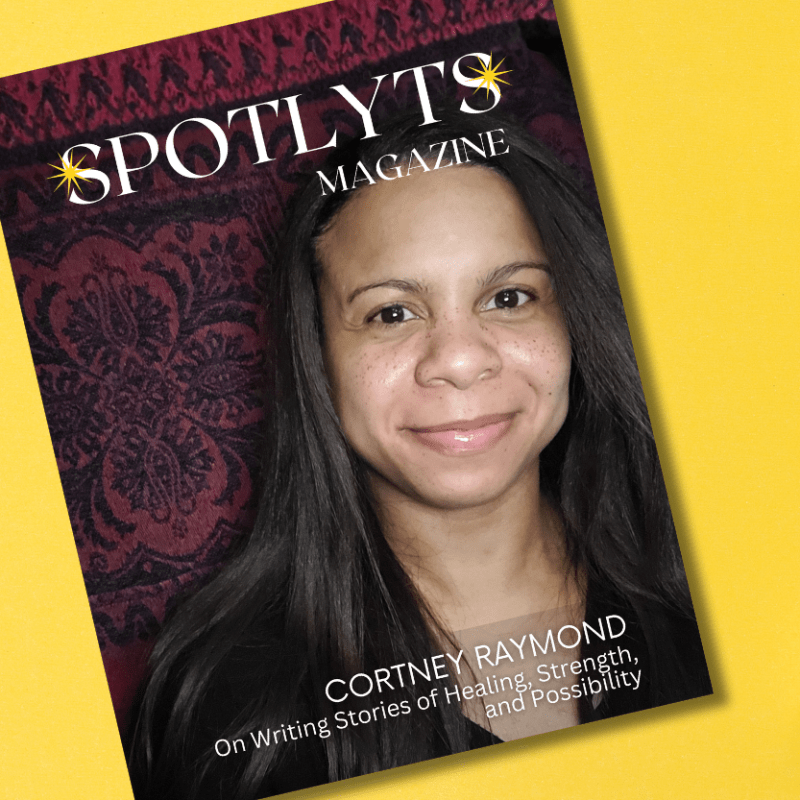
In the Spotlight: Cortney Raymond on Writing Stories of Healing, Strength, and Possibility
Ever wondered what it’s like to write stories that give hope to people who’ve endured trauma? Discover how Cortney Raymond blends real-life experiences and imagination to create resilience, strength, and possibility.
Keep readingSomething went wrong. Please refresh the page and/or try again.
Related Posts

Bridges of Words: Haikus Uniting Cultures from 57 Countries of the World by Esperanza Pretila
This book feels like a passport—not stamped with borders, but with moments.
Keep reading
The Cultural Stories Giving People Strength and Identity Today
What if a forgotten memoir or a single song could rewrite how you see yourself and your culture? Discover surprising stories that challenge identity—read on to explore these powerful personal…
Keep reading
In the Spotlight: Peter Massam on Memory, Place, and Purpose
What happens when decades-old letters unlock forgotten worlds and shape how we understand culture and memory? Discover how Peter Massam’s journey reveals the power of storytelling—read the full interview to…
Keep reading
In the Spotlight: Luminescene Goh on Resilience, Identity, and Storytelling
What do astrology, fantasy fiction, and mindfulness have in common? You might be surprised. Discover how these seemingly different elements come together in a writer’s journey to inspire and empower…
Keep readingSomething went wrong. Please refresh the page and/or try again.

 Spotlyts

Leave a comment