

“Food addiction isn’t about a lack of willpower—it’s about understanding the emotional and psychological roots of our behaviors.”
-Sarah-Jane Clark
Content Warning: This write-up discusses topics including body image struggles, disordered eating, and experiences of verbal and physical abuse, which may be sensitive for some readers. Reader discretion is advised. If you are dealing with similar issues, consider seeking guidance from a qualified healthcare or mental health professional.
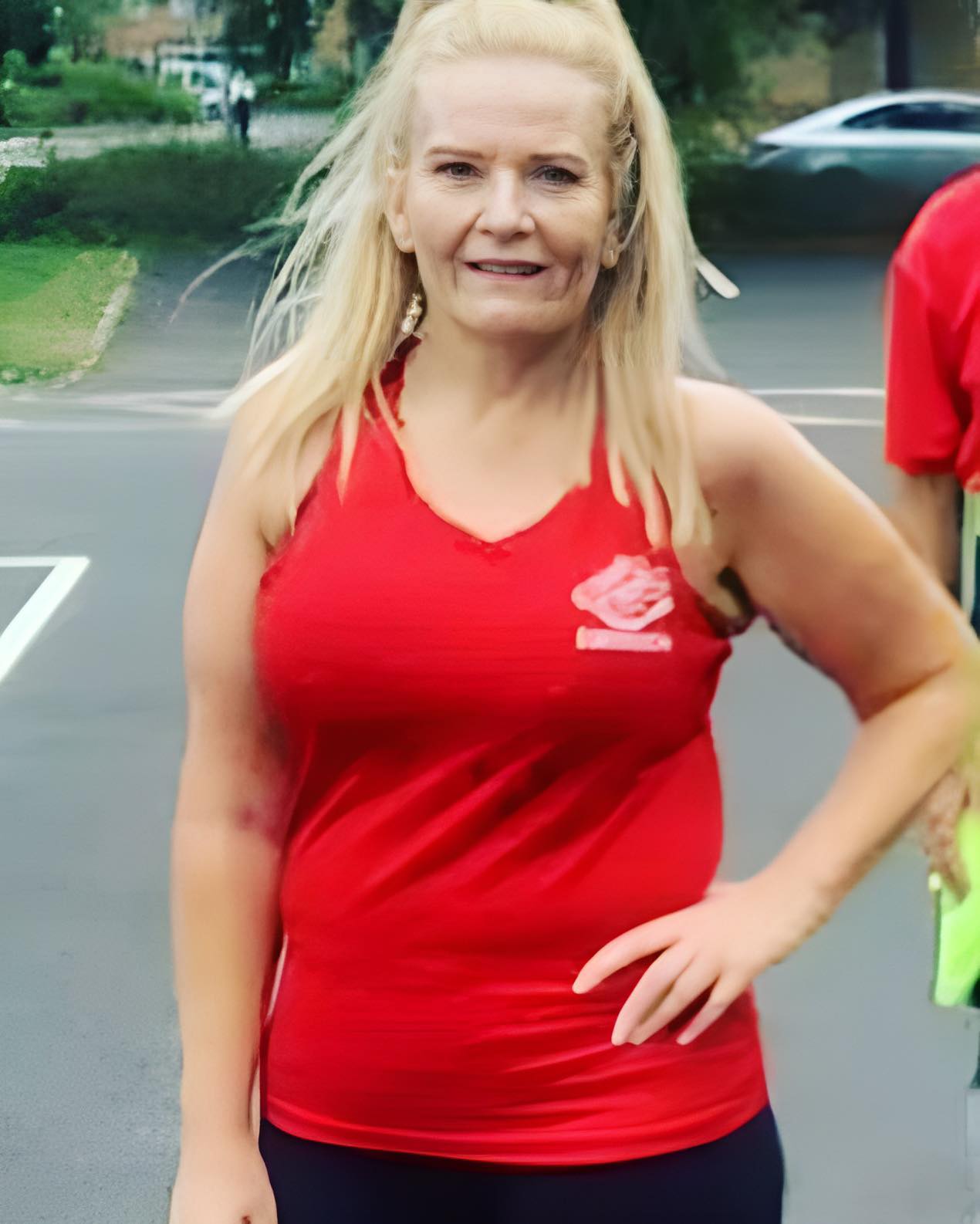
Sarah-Jane Clark shares her experiences with food addiction and her efforts to overcome the challenges of weighing over 21 stone. Through her program, Step by Step with Sarah-Jane, she supports others in addressing food-related challenges, promoting sustainable lifestyle changes focused on healthy eating and fitness without reliance on fad diets. In this interview, Sarah-Jane discusses her personal journey toward health, her understanding of food addiction, and her work in helping clients achieve positive and lasting changes in their lives.
Sarah-Jane, your journey from 21 stone to where you are today is remarkable. Can you share what the turning point was for you in deciding to take control of your health and well-being?

From an early age, I have always had a “sweet tooth.” My Mum and Gran were both wonderful bakers, and they showed their love by baking sweet treats for the family. As a teenager, I had cripplingly low self-confidence, and when I started my periods at age 11, I found myself with a woman’s body while still being a child. My body was different from my friends’, and I hated my curves. I begged my Mum to take me to a slimming club, so at just 14, I began my first diet. This was so damaging to my already low self-confidence; suddenly, I had to get weighed in front of a room full of people. Weight loss was celebrated, and I was given a round of applause. Then, in the weeks I gained weight, I was asked, “What did you do wrong this week?”
The diet club gave me a list of foods I could eat and a list of foods I could not. Suddenly, food was labeled as “good” or “bad.”
The terrible calorie restriction had such negative effects on my teenage body that I would come home from school starving to an empty house. That was when my food addiction began.
I would binge on all sorts of sweet food—biscuits, cakes, hot buttery toast with lashings of jam—and would hide food wrappers in my bedroom.
In my case, the diet industry took me from a “comfort eater” to a full-blown secret binge eater. I hid this from everyone in my life.
From the age of 14 to 18, I tried endless diets, and my Mum would get frustrated at spending that money and my not losing weight. I felt like such a failure, and I could not understand why I could not control the amount I was eating. Once I started the binge, I would keep going until I could not even breathe properly. I always called it a “food coma.”
I left home at 18 and was, therefore, left to my own devices. I lived on heavily processed foods, and my partner at the time worked shifts, so I would eat all my sugary food in secret when he was not there.
The relationship was deeply unhappy, and my partner abused me verbally every day, which later escalated to physical abuse.
I thought it was all I deserved, as I was told daily by my partner that I was fat and ugly and that people felt sorry for him having a fat girlfriend.
I had this terrible feeling of emptiness inside and would binge-eat the pain away. I associated sweet food with love and used it to fill the empty void of self-love inside me.
Fast-forward to age 24: I was married, and my periods had stopped. After a few months, I plucked up the courage to go to the doctor. The doctor, who had a very abrupt tone, told me that my periods had likely stopped because of my size. She ordered me onto the weighing scales.
I had not weighed myself since leaving home, so in over six years, I had been completely in denial about my weight. In my own head, I guessed that I was around 14 to 15 stone. The scales were old-fashioned dial scales that only went up to 20 stone in weight. I was horrified when I stood on them and saw the dial go all the way around and some more. I weighed 21 stone and 10 pounds. I stood there, my cheeks burning, tears running down my face. I did not want to face the doctor.
When I finally sat back down, she sternly told me, “If you do not lose weight and you carry on like this, you will never reach the age of 40.”
With that, she sent me out the door. No help, no advice—just a stern telling-off.
I sat in my car and cried and cried. I felt hopeless, ashamed of myself, and so alone in the world. All I wanted to do was go to the supermarket to buy a bag of sugary food to soothe the emotional pain I was in. However, something inside me changed that day. All the times I had tried to lose weight previously were through dieting, and the reason was always to look a certain way because I hated my own body. That day, I was at a crossroads, and, luckily, I chose my health.
My partner worked nights and left home at 9 p.m., so when he left for work that night, I put on my trainers and went out walking for 30 minutes in the dark on my own. That is where my weight-loss journey began. I liked waiting until it was dark because I used to get bullied about my size, with people making comments or shouting out their car windows. But in the dark, nobody could see me.
That is why I called my business Step by Step with Sarah-Jane, as that is where my weight-loss journey began.
You’ve mentioned food addiction, a topic that’s not often openly discussed. Can you tell us more about your personal experience with it and how it influenced your approach to helping others?

You are so right; food addiction is such a “taboo” subject. This is due to the shame that addicts feel. Not everyone within the NHS recognizes food as an addictive substance. There is so much scientific research and evidence showing that ultra-processed foods are highly addictive, as they affect our brains by giving us a temporary surge of dopamine.
I even remember attending an NHS group therapy session on overcoming anxiety. I very bravely said that I thought I was addicted to food, and the therapist leading the session stated that there were no addictive substances in food and, therefore, I could not be addicted to it. Needless to say, I never went back the following week—or ever again. I internalized the shame surrounding my eating disorder.
Everything I know about food addiction, I have taught myself. I have learned so much about the brain-gut connection, nutrition, mental health, self-love, exercise, the importance of building muscle, and hormones. The list is endless.
Food was the first thing I thought about in the morning: “I am going to be good today,” and the last thing at night: “I wish I hadn’t eaten that.” Anything could trigger the urge to binge—lack of sleep, an argument, financial worries, or work stressors.
It is the same as any other addiction. It is all-consuming, affecting your thoughts, confidence, and self-worth.
The experiences I have been through cannot be learned from a textbook. I have walked in the shoes of the clients I work with now.
A typical binge would usually involve a trip to the supermarket for two or three packets of biscuits, a family-size cake, several bars of chocolate, and bags of sweets. The way I ate them was always extremely fast. It was as if the sugar took control over me. After a binge, I would be exhausted. I would often have heart palpitations from the amount of sugar I had consumed and would fall asleep after hiding all the evidence. The next day would be awful—I would have terrible brain fog and feel full of shame and self-hatred.
I know from experience that food addicts are terribly lonely because they isolate themselves from those closest to them. All my experiences help me understand my clients’ struggles. I can relate to them emotionally and share the coping tools I use daily.
You work closely with clients to help them make sustainable lifestyle changes. Do you have any specific qualifications or training in health, fitness, or nutrition that have helped you guide your clients more effectively?
I am a qualified teacher and have worked in education for 15 years. This has been invaluable as it helps me understand that everyone learns in different ways. I also hold qualifications in mental health support and counseling skills.
These qualifications greatly support my work with clients. I have also taught myself a lot about nutrition and how it affects our bodies, particularly in women and the impact on our hormones. I am constantly learning every day, as this is a passion of mine. I value my health deeply, feel like I have given myself a second chance at life, and love helping others. I inspire my clients by showing them that it is possible to overcome this crippling addiction because they can see that I have done it myself.
There is a line in Dr. Chris van Tulleken’s book Ultra-Processed People where he states, “It is not you; it is the food.” I encourage all my clients to read that book because the knowledge empowers them to make healthier food choices naturally.
Body positivity is a central theme in your work. How do you define body positivity, and how has it influenced your personal journey and your work with clients?

Body positivity is a central part of the work I do. When I was at my heaviest, I naively believed that losing weight and becoming slim would automatically make me love myself. This was not the case. After losing six stone, I looked in the mirror and hated my body even more. I realized that simply changing my body’s size did nothing to address the emotional side of my struggles. Then I read a book that changed my life: You Can Heal Your Life by Louise Hay. It encourages questioning negative thoughts and reframing self-talk into more positive statements. That is when, as I often say, the real work began.
I believe diets often fail because they offer a logical solution to what is, for many, an emotional problem. The first step I teach is self-acceptance—accepting our bodies as they are today, treating them with respect, and practicing self-compassion instead of self-criticism.
One of my clients recently went on holiday and wore a bikini for the first time in her life. Another client, who had never worn a vest in the gym, now wears one confidently. Each week in my support group, we discuss limiting beliefs and fears, challenging the idea that they are true. I am very proud of this group. It provides a safe, supportive, and empowering environment where clients know they are not alone in their struggles. I created the group I wish I had during my own journey, which was incredibly lonely.
To me, body positivity means respecting our amazing bodies, accepting them, and learning to love them for what they can do rather than how they look.
Working with clients on a one-to-one basis involves setting and achieving goals. How do you ensure the goals you help your clients set are realistic and supportive of their long-term well-being?
As a former teacher I am familiar with short-term SMART targets. Also, overwhelm is a massive trigger for a food addict overwhelmed, so each week we talk about taking one day at a time. I encourage each client to set their intentions for the day first thing in the morning and use my own personal one as an example. I wake up every morning and my intention for the day is “today I am choosing to be healthy”.
I encourage clients to schedule exercise into their week in the calendar, just like a dentist appointment.
The most important thing for sustainability is not making too many changes at once, it really is a step-by-step approach. Each client is different too. Each body will react to certain foods differently, and therefore, I educate them, so they feel empowered to make healthier choices.
I encourage clients to sign up for small, achievable challenges. For example, a monthly walking challenge where you get a medal. This works really well for some. I encourage my clients to talk to their loved ones about their struggles with food so they can support them with improving their physical and mental health.
I also talk about accountability. Some clients will get a walking buddy, some find just scheduling exercise in their diary is enough accountability. One client even joined a netball team. It is so amazing watching the light come back on inside them and their confidence grow.
Your work touches on both the physical and emotional aspects of health. Have you pursued any additional training, such as counseling or coaching certifications, to help clients who might be struggling with the emotional side of food addiction and body image?
I have qualifications in mental health and counseling skills, and as a teacher, I did a lot of pastoral care with students and one-to-one tutorials. These skills are so relevant and transferable to the work I do now.
My 15 years of experience in education have really helped me with reflective practice and finding ways to improve my service to others. I regularly attend well-being workshops, not only to help with my own recovery but also so I can pass that knowledge on to my clients. This journey is ever-evolving, and I am hugely passionate about it.
What strategies or advice do you offer to clients who want to break away from unhealthy eating habits and make healthier, more sustainable food choices?

Each week, I talk about what happens when we eat processed foods—how they affect the brain, how our gut does not recognize them as food (because they are not real food), and how this means our brain never tells us we are full. I explain that this is why we can eat endless amounts of them. I strongly encourage everyone to read Ultra-Processed People by Dr. Chris Van Tulleken. I read that book two years ago and have not touched chips since!
I am a strong believer that education is power. Many of the people I work with think they eat healthy foods, but after working with me for a couple of weeks, they are shocked to realize how unhealthy the food they consume really is. For instance, the traffic light system on food packaging is extremely misleading. Something could be all “green,” and the person buys it thinking it is healthy, yet it is laden with harmful chemicals.
My clients love the fact that I do the learning and interpret it from scientific language into terms they can understand!
I always advise clients to make changes at a rate they are comfortable with. If they try to change too much at once, it is not sustainable for them. It is all about learning new habits that fit into their individual lifestyle. Once they realize the damage the foods they saw as a “treat” can do to them, they see things differently. My husband is a trained chef, so we are always experimenting with healthy, tasty recipes that I share with my group. To change permanently, you have to enjoy the food you are eating.
In your experience, what role does mindset play in making lifestyle changes, and how do you help clients develop a healthier mindset toward food and fitness?
At every session, we work on the client’s mindset. We discuss reframing their limiting thoughts and negative self-talk together. I also have to have some challenging conversations to push people out of their comfort zone. I talk about taking back control of the power that food has over them. I really stress the benefits that exercise has for our mental health, emphasizing that we must not view exercise as a punishment for what we eat but as a celebration of what our amazing bodies can do!
I use my firsthand experiences with exercise as a relatable example of what can be achieved. When I turned 40, I bought myself a 10-week Couch to 5K beginners course, completely outside my comfort zone. I went on to run over 50 half-marathons and 4 full marathons. All of my clients say that my passion really motivates them.
One of my favorite quotes is, “Motivation will not come knocking on your door. In order to get motivation, you need to take action.”
The fitness industry is full of quick fixes, but you emphasize sustainability in your approach. What are some ways you incorporate the ideas of sustainability and long-term wellness into your coaching and client interactions?
I use research statistics a lot in my coaching to back up the fact that diets do not work for the long term. All of my clients are failed yo-yo dieters, and we talk a lot about the toxic language used at diet clubs. For example, one club uses the word “syns” for food. It gives them that negative, restrictive/binge mindset that is toxic, and we work together to unlearn those beliefs.
Calorie counting and any fad diet are not sustainable in the long term. We also talk about the guilt around eating certain foods and how we must let go of the guilt. If we do eat something unhealthy, the guilt will only turn to shame, which could be a trigger for a food binge.
We talk about eating out at restaurants and not being afraid to ask for changes to the menu for something better suited to our requirements. In my experience, most restaurants are accommodating. Batch cooking is a great tool for a busy lifestyle, and planning ahead for meals and snacks is a great tool for preventing binges.
I encourage my clients to eat “real food” by reading ingredients on food packaging. An easy guide is that if you cannot pronounce the ingredient, then the likelihood is that it is not food.
Health and wellness is a continuously evolving field. Do you actively pursue professional development, such as attending workshops, certifications, or other forms of education, to stay updated and better serve your clients?
Health, well-being, nutrition, and exercise are all huge passions of mine. I am constantly reading, researching, watching documentaries, and attending workshops. My hometown of Swindon has an above-average obesity rate, and I have attended 3 of the public health seminars entitled “A Whole Systems Approach to Fighting Obesity.”
I even went to speak to my local MP about the amount of takeaways and junk food establishments in our town.
It is like I tell my clients: “This is a journey and not a destination.” I will be forever learning and working on self-improvement, physically, mentally, and spiritually.
As a 53-year-old woman, I realize my health is precious, and my main focus now is the longevity of my health and well-being, using what I learn along the way to share and inspire others to do the same.
Everyday life is so much easier as a slim person, and I truly believe the work I am doing now is my purpose in life.
“True healing begins when we stop punishing ourselves and start nurturing our minds, bodies, and souls with kindness.”
-Sarah-Jane Clark
Link
- Sarah-Jane Clark’s website
Share Your Insights
We want to hear from you! Share your thoughts in the comments below:
- What part of Sarah-Jane’s story resonated most with you?
- How do you approach building a healthier relationship with food or body image?
- What advice would you give to someone starting their own journey toward wellness?
Your insights could inspire someone else on their path!
DISCLAIMER: Spotlyts Magazine does not provide any form of professional advice. All content is for informational purposes only, and the views expressed are those of individual contributors and may not reflect the official position of Spotlyts Magazine. While we strive for accuracy and follow editorial standards, we make no guarantees regarding the completeness or reliability of the content. Readers are encouraged to conduct their own research and seek professional assistance tailored to their specific needs. Any links included are for reference only, and Spotlyts Magazine is not responsible for the content or availability of external sites. For more details, please visit our full Disclaimer, Privacy Policy, and Terms of Service.
Highlight of the Day
“With great power comes great responsibility.”
— Uncle Ben, Spider-Man
More Stories for You
Seasonal Rituals Inspire Global Communities
Ever wondered why we instinctively gather or celebrate when seasons change? This roundup explores how different cultures ritualize nature’s cycles—and what we can learn from these timeless patterns.
Keep reading
The Deal by Nazia Kamali (Short Fiction)
What does a familiar bar reveal when no one is watching? This piece invites readers inside shifts, hidden rituals, and a looming surprise.
Keep reading
In the Spotlight: Leon Conrad on Language, Story Structure, and How Stories Shape Meaning
Why do some stories feel instinctively right while others fall flat—even when we can’t explain why? This interview explores how story structures shape meaning and invites readers to discover the answer.
Keep reading
In the Spotlight: Cortney Raymond on Writing Stories of Healing, Strength, and Possibility
Ever wondered what it’s like to write stories that give hope to people who’ve endured trauma? Discover how Cortney Raymond blends real-life experiences and imagination to create resilience, strength, and possibility.
Keep readingSomething went wrong. Please refresh the page and/or try again.
Related Posts
In the Spotlight: Alan Horowitz on Heritage, Skill, and the Human Side of Custom Design
What happens when decades of family tradition meet modern demands for fit, quality, and purpose? Discover how Alan David Horowitz adapts bespoke tailoring to today’s world in this interview.
Keep reading
In the Spotlight: David W. Berner on Writing, Observation, and Turning Life into Stories
What if time itself were the story’s quiet narrator? This interview explores how a writer reflects on aging, creativity, and attention—inviting readers to discover the answers by reading the full conversation.
Keep reading
In the Spotlight: Talia Mashiach
Have you ever wondered what happens when creative chaos meets strict financial rules on a film set? This piece explores that intersection through Talia Mashiach’s experiences—read on to uncover perspective.
Keep reading
In the Spotlight: Sal Salcedo on Crafting Art, Community, and Conscious Beauty
Have you ever wondered if a haircut could spark a deeper connection to who you are and the world around you? Discover how Sal Salcedo explores this idea through his artistic journey.
Keep readingSomething went wrong. Please refresh the page and/or try again.

 Spotlyts
Leave a comment