
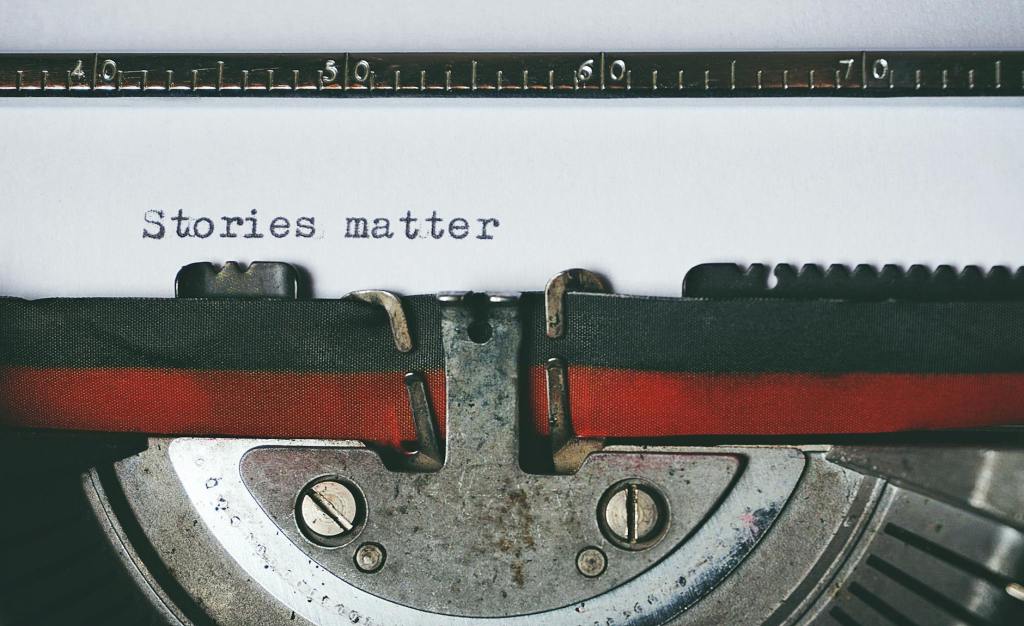
Why do stories have such a tremendous effect? Why do they persist in our thoughts, influencing our beliefs and identity? “Stories are the glue that holds us all together.” Despite its simplicity, this sentence captures a significant aspect of the human condition. But don’t take it at face value—let’s get into why it rings true.
A Campfire, a Connection
Imagine an ancient campfire. A tribe gathers around, listening as an elder recounts a tale of bravery, survival, or the creation of the stars. This wasn’t just entertainment—it was how humans preserved wisdom, passed down culture, and created bonds.
After thousands of years, we are still engrossed in storytelling even though we are not as frequently gathered around campfires. Listening to podcasts or binge-watching Netflix dramas, we are just as engrossed in stories as our forefathers were. Why? Because stories connect, they don’t only amuse.
A Shared Thread Through Time
Think about this: historians frequently compare the history of humanity as a mosaic that has been cobbled together by stories. Would we still be in awe of the tragedy and splendor of ancient Greece if it weren’t for the Iliad? Would we truly understand the human cost of slavery if we didn’t have slave tales like Narrative of the Life of Frederick Douglass, an American Slave or Incidents in the Life of a Slave Girl by Harriet Jacobs?
Every pivotal moment in history has been driven by stories. During the American civil rights movement, personal testimonies like those from Rosa Parks brought the brutality of injustice into people’s living rooms. Similarly, Malala Yousafzai’s story of surviving an attack by the Taliban and advocating for girls’ education sparked global action.
The Science of Stories
And if you think stories are just for poets and dreamers, think again—science backs up their power. Studies by psychologist Paul Zak show that narratives with emotional arcs release oxytocin, a chemical linked to empathy and trust.
Did you know that when a fact is presented in a story, people are 22 times more likely to remember it? Many people credit Jerome Bruner, a well-known public intellectual and pioneer in cognitive psychology, with emphasizing the importance of storytelling. Although the precise number may differ, his research confirms a plausible proposition: stories have a special power to help people remember information. For this reason, businesses, educators, and leaders use narrative to hook their audiences. Numbers alone might fade from memory, but a good story? It sticks.
A Glue That Connects Cultures
Now, what’s the one thing every culture on Earth has in common? Stories.
From Aboriginal Dreamtime tales in Australia to the rich oral traditions of African griots, storytelling transcends language and geography. It’s the universal translator of the human experience.
In her TED Talk, writer Chimamanda Ngozi Adichie warns of the “danger of a single story,” urging us to open up to diverse narratives. Her point is clear: the more stories we share, the stronger our connections become.
A Modern-Day Campfire
In the digital age, stories have taken on new forms. A single tweet or TikTok video can unite millions. Campaigns like #MeToo, #BlackLivesMatter, or #ClimateAction gained momentum not just through data but through personal stories that demanded attention and action.
Even businesses thrive on storytelling. Think of Nike’s “Just Do It” campaign—more than a slogan, it’s a narrative about perseverance and triumph. Apple doesn’t just sell devices; it sells the story of innovation and creativity.
What’s the Takeaway?
Let’s circle back: “Stories are the glue that holds us all together.” It’s not hyperbole—it’s history, science, and human nature rolled into one truth. Without stories, we’re isolated, struggling to make sense of the world. With them, we’re connected, understood, and inspired.
So the next time someone shares a story with you—be it a friend venting about their day, a novel that keeps you up all night, or even an ad that stirs your emotions—remember this: they’re handing you a piece of the glue that binds us all.
And how do you fit into this? Easy: tell your own tales. You never know whose world you might save, whose life you might transform, or whose heart you might touch.
Are you still working on your story? Searching for ideas to get your own writing going? Eager to broaden your views and learn about fresh viewpoints? As our series on books, blogs, poetry, and writing officially begins this month, we’ve got you covered! A multitude of tales await discovery, and we are happy to share them with you.
Share Your Insights
We’d love to hear your thoughts! Share your insights in the comments below:
- What’s a story that has stuck with you the most?
- How do you think storytelling impacts your everyday life?
- What role do you think stories play in shaping culture today?
We look forward to reading your responses!
DISCLAIMER: Spotlyts Magazine does not provide any form of professional advice. All content is for informational purposes only, and the views expressed are those of individual contributors and may not reflect the official position of Spotlyts Magazine. While we strive for accuracy and follow editorial standards, we make no guarantees regarding the completeness or reliability of the content. Readers are encouraged to conduct their own research and seek professional assistance tailored to their specific needs. Any links included are for reference only, and Spotlyts Magazine is not responsible for the content or availability of external sites. For more details, please visit our full Disclaimer, Privacy Policy, and Terms of Service.
Highlight of the Day
“With great power comes great responsibility.”
— Uncle Ben, Spider-Man
More Stories for You

Seasonal Rituals Inspire Global Communities
Ever wondered why we instinctively gather or celebrate when seasons change? This roundup explores how different cultures ritualize nature’s cycles—and what we can learn from these timeless patterns.
Keep reading
The Deal by Nazia Kamali (Short Fiction)
What does a familiar bar reveal when no one is watching? This piece invites readers inside shifts, hidden rituals, and a looming surprise.
Keep reading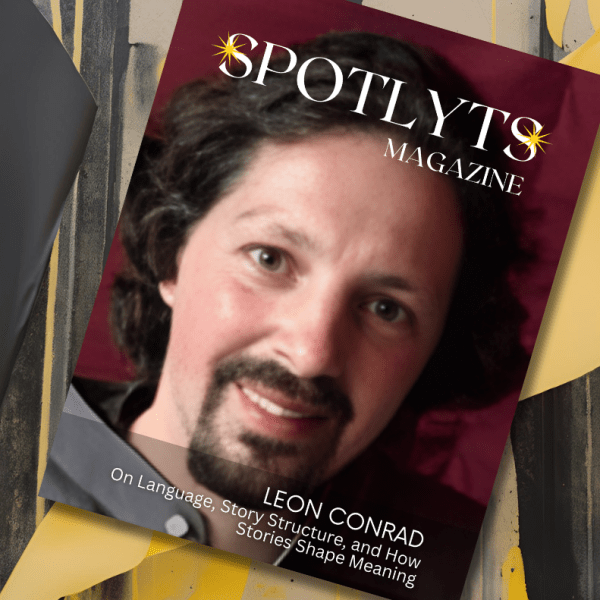
In the Spotlight: Leon Conrad on Language, Story Structure, and How Stories Shape Meaning
Why do some stories feel instinctively right while others fall flat—even when we can’t explain why? This interview explores how story structures shape meaning and invites readers to discover the answer.
Keep reading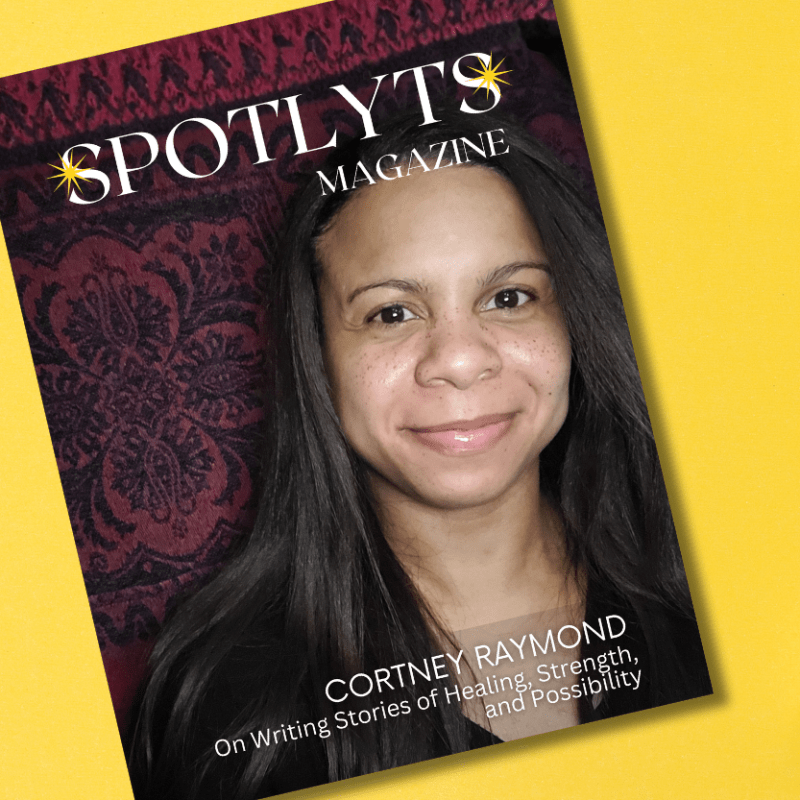
In the Spotlight: Cortney Raymond on Writing Stories of Healing, Strength, and Possibility
Ever wondered what it’s like to write stories that give hope to people who’ve endured trauma? Discover how Cortney Raymond blends real-life experiences and imagination to create resilience, strength, and possibility.
Keep readingSomething went wrong. Please refresh the page and/or try again.
Bridges of Words: Haikus Uniting Cultures from 57 Countries of the World by Esperanza Pretila
This book feels like a passport—not stamped with borders, but with moments.
Keep reading
The Cultural Stories Giving People Strength and Identity Today
What if a forgotten memoir or a single song could rewrite how you see yourself and your culture? Discover surprising stories that challenge identity—read on to explore these powerful personal revelations.
Keep reading
In the Spotlight: Peter Massam on Memory, Place, and Purpose
What happens when decades-old letters unlock forgotten worlds and shape how we understand culture and memory? Discover how Peter Massam’s journey reveals the power of storytelling—read the full interview to find out.
Keep readingSomething went wrong. Please refresh the page and/or try again.

 Spotlyts
Leave a comment