
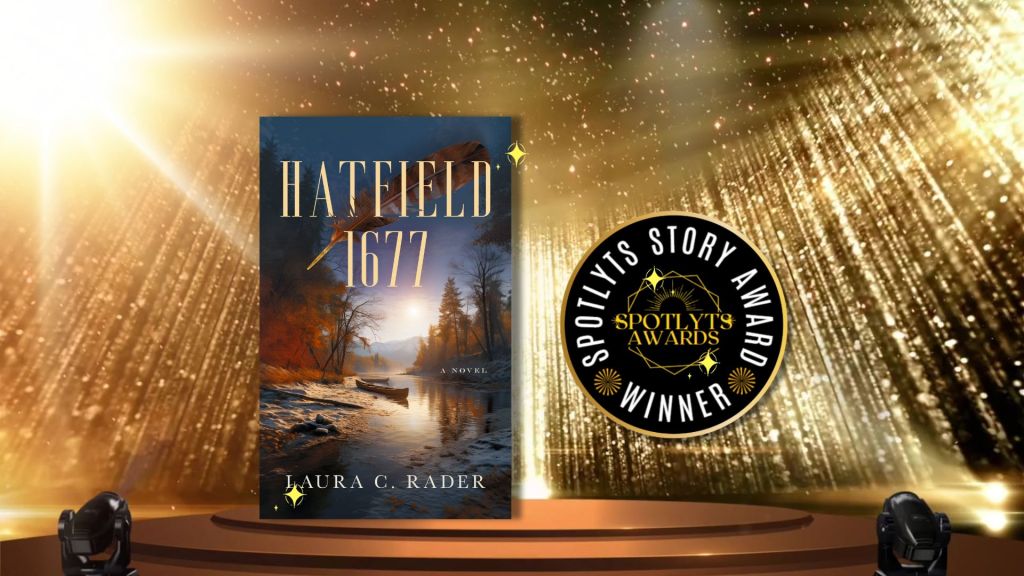
What can a historical novel set during the tumultuous times of colonial America teach us about humanity, resilience, and the unintended consequences of history? Laura C. Rader’s Hatfield 1677 isn’t merely a recounting of Puritan life during King Philip’s War—it’s a meticulously crafted lens through which the reader is invited to ponder the cyclical nature of conflict, the fragility of human relationships, and the moral ambiguity that defines survival.
A History of Forgotten Wars
King Philip’s War (1675–1678), the historical backdrop of this novel, is a brutal yet overlooked conflict that incurred the highest casualty rate, per capita, of any war in U.S. history. How did this war—characterized by starvation, displacement, and brutality on both sides—shape the modern psyche of New England? Hatfield 1677 subtly answers this question by looking into the lives of individuals who bore the brunt of these large-scale societal shifts.
Benjamin Waite: The Reluctant Hero
Benjamin Waite is not your archetypal soldier; he is a man torn between duty, morality, and the deep love he holds for his family. His internal struggles with the legitimacy of war echo sentiments of modern veterans questioning the ethics of their missions. When he reflects on the slaughter of women and children, Rader invites the reader to ponder: Can morality survive in the chaos of war?
The Parallel Stories of Oppression
The book doesn’t shy away from presenting the indigenous perspective, with the sachem Ashpelon narrating a poignant tale that mirrors the devastation inflicted upon his people. His allegory of the Chief of the Squirrel Tribe and the Frog and Woodchuck is more than a moral story—it’s a historical commentary on resource theft, survival, and the loss of sovereignty. Are the settlers heroes or villains? The book wisely refuses to provide a simple answer.
Emotional Landscapes in Stark Contrast
The Puritan settlers’ pragmatic yet deeply emotional existence is depicted with cinematic clarity. The stark juxtaposition of the settlers’ rigid faith with their raw vulnerability—seen in moments like Benjamin’s tender farewells to his wife or his struggle to reconcile his actions during battle—raises questions about how faith can both sustain and blind.
Women’s Silent Wars
Martha Waite’s resilience shines as a counterpoint to the physical battles waged by her husband. Her moments of quiet strength, such as managing the household amid constant fear and consoling grieving neighbors, highlight the oft-overlooked emotional labor borne by women in historical narratives. A poignant modern parallel: a 2020 study found that women disproportionately shoulder emotional labor in times of crisis—a pattern unchanged since colonial times.
Numbers Behind the Drama
King Philip’s War resulted in the destruction of 12 towns and a 60% reduction in New England’s Native population. These figures underscore the human cost woven into Hatfield 1677. When Benjamin struggles to justify his participation in what is essentially the massacre of a peaceful village, the novel forces readers to confront the cold statistics that accompany moral collapse.
Is Survival a Sin?
Throughout the book, Benjamin grapples with the guilt of surviving when so many others did not. His actions at the Great Falls—an assault that targeted women and children—linger in his mind as he returns to the relative peace of Hatfield. Can there be redemption in a world where survival often comes at the expense of others? The novel asks this haunting question, leaving readers to wrestle with the answer.
Nature as Witness
The Connecticut River Valley, vividly described in the novel, becomes more than a setting—it is a silent witness to the atrocities and acts of love that unfold. Rader’s lush depictions of the land are both poetic and unsettling, reminding us that while human lives are fleeting, the scars of history endure in the landscapes we inhabit.
A Final Reflection
Hatfield 1677 is a masterful blend of meticulous research, evocative storytelling, and deep empathy for its characters. It is not just a story of survival but an exploration of the moral and emotional costs of conflict. As readers close the final chapter, they are left pondering the enduring question: What does it truly mean to be human in the face of inhumanity?
Spotlyts Story Award

The above story/stories or storyteller(s) won the Spotlyts Story Award.
Throughout the year, standout stories are selected to receive the Spotlyts Story Award. This accolade celebrates storytelling in all its forms, including:
- Written works: fiction, nonfiction, essays, articles, and poetry
- Visual storytelling: photos, photo essays, and videos
- Multimedia content: story websites, blog articles, social media posts, short films, and other digital creations
Winning a Spotlyts Story Award doesn’t just mean recognition today—it also earns a nomination for the annual Story of the Year Award titles.
Request for a review of your book and have it nominated for the award here.
To nominate for a non-book category of the award or to know more about the award, click here.
DISCLAIMER: Spotlyts Magazine does not provide any form of professional advice. All content is for informational purposes only, and the views expressed are those of individual contributors and may not reflect the official position of Spotlyts Magazine. While we strive for accuracy and follow editorial standards, we make no guarantees regarding the completeness or reliability of the content. Readers are encouraged to conduct their own research and seek professional assistance tailored to their specific needs. Any links included are for reference only, and Spotlyts Magazine is not responsible for the content or availability of external sites. For more details, please visit our full Disclaimer, Privacy Policy, and Terms of Service.
Highlight of the Day
“With great power comes great responsibility.”
— Uncle Ben, Spider-Man
More Stories for You

Seasonal Rituals Inspire Global Communities
Ever wondered why we instinctively gather or celebrate when seasons change? This roundup explores how different cultures ritualize nature’s cycles—and what we can learn from these timeless patterns.
Keep reading
The Deal by Nazia Kamali (Short Fiction)
What does a familiar bar reveal when no one is watching? This piece invites readers inside shifts, hidden rituals, and a looming surprise.
Keep reading
In the Spotlight: Leon Conrad on Language, Story Structure, and How Stories Shape Meaning
Why do some stories feel instinctively right while others fall flat—even when we can’t explain why? This interview explores how story structures shape meaning and invites readers to discover the answer.
Keep reading
In the Spotlight: Cortney Raymond on Writing Stories of Healing, Strength, and Possibility
Ever wondered what it’s like to write stories that give hope to people who’ve endured trauma? Discover how Cortney Raymond blends real-life experiences and imagination to create resilience, strength, and possibility.
Keep readingSomething went wrong. Please refresh the page and/or try again.
Related Posts
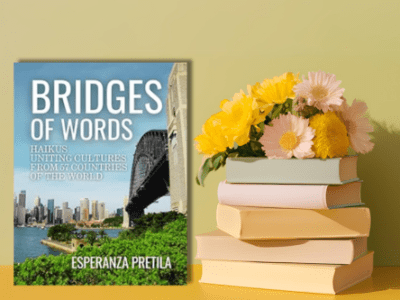
Bridges of Words: Haikus Uniting Cultures from 57 Countries of the World by Esperanza Pretila
This book feels like a passport—not stamped with borders, but with moments.
Keep reading
The Cultural Stories Giving People Strength and Identity Today
What if a forgotten memoir or a single song could rewrite how you see yourself and your culture? Discover surprising stories that challenge identity—read on to explore these powerful personal…
Keep reading
In the Spotlight: Peter Massam on Memory, Place, and Purpose
What happens when decades-old letters unlock forgotten worlds and shape how we understand culture and memory? Discover how Peter Massam’s journey reveals the power of storytelling—read the full interview to…
Keep reading
In the Spotlight: Luminescene Goh on Resilience, Identity, and Storytelling
What do astrology, fantasy fiction, and mindfulness have in common? You might be surprised. Discover how these seemingly different elements come together in a writer’s journey to inspire and empower…
Keep readingSomething went wrong. Please refresh the page and/or try again.

 Spotlyts

Leave a comment