
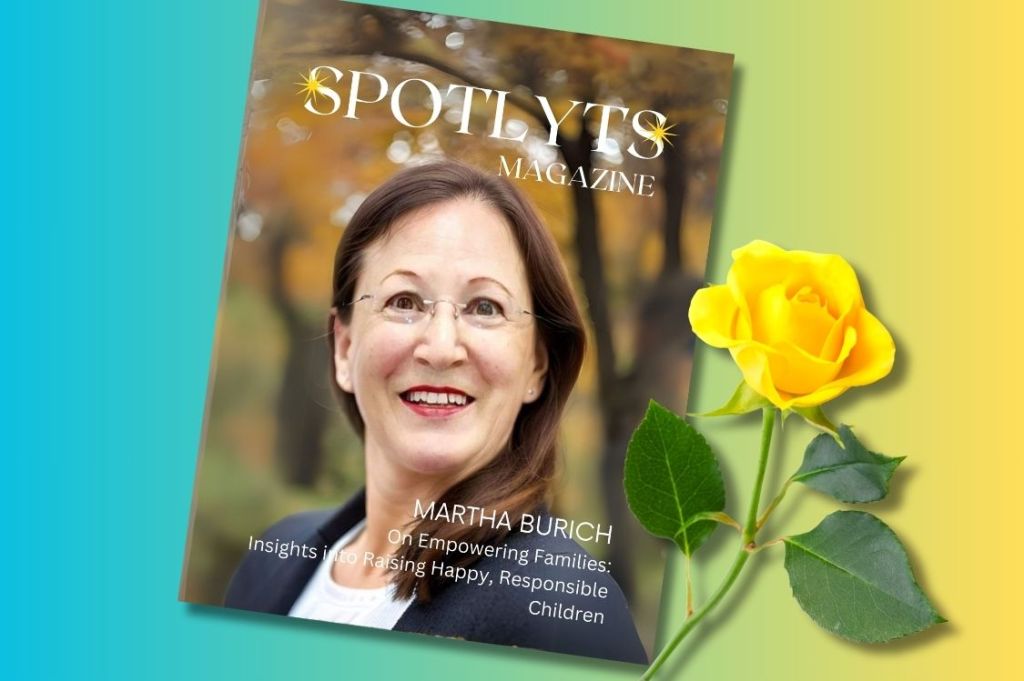
“Mindset is the foundation of our lives.”
– Martha Burich
Content Warning: This interview touches on topics such as childhood trauma, behavioral disorders, and mental health challenges (e.g., autism, ADHD, ODD). Readers who are facing similar issues may find some references sensitive or distressing. It is recommended to seek advice from qualified professionals if you or someone you know is experiencing challenges related to these topics.
Our mindset shapes how we view ourselves and interact with others. Martha Burich, a mindset coach and author of Yes You Can Raise Happy Responsible Children, discusses the beliefs that influence families and shares practical strategies for fostering growth and understanding. Here’s what she had to say.
To start, could you tell us about yourself, your background, and the journey that led you to focus on mindset coaching and empowering families?
Mom always loved my brothers better! This was not true, but it was what I believed for the majority of my life. This false belief shaped my thinking and decisions even after I knew it wasn’t true. This false belief led me to believe I was unworthy and not good enough, no matter what I did. Even after I had a discussion with one of my brothers when I was 35 and realized he believed Mom loved me best, I still refused to accept the truth, that I had been, and still was, operating on a false belief. I have since met many children who operate on that same false belief and many parents who, no matter what they do or say, cannot get their children to realize that they love all their children equally just for different things. From here I began to see all the false beliefs adults and children operate on daily and realized mindset is the foundation of our lives.
Your upcoming book, Yes You Can Raise Happy Responsible Children, sounds inspiring. What inspired you to write this book, and what key message do you hope readers take away from it?
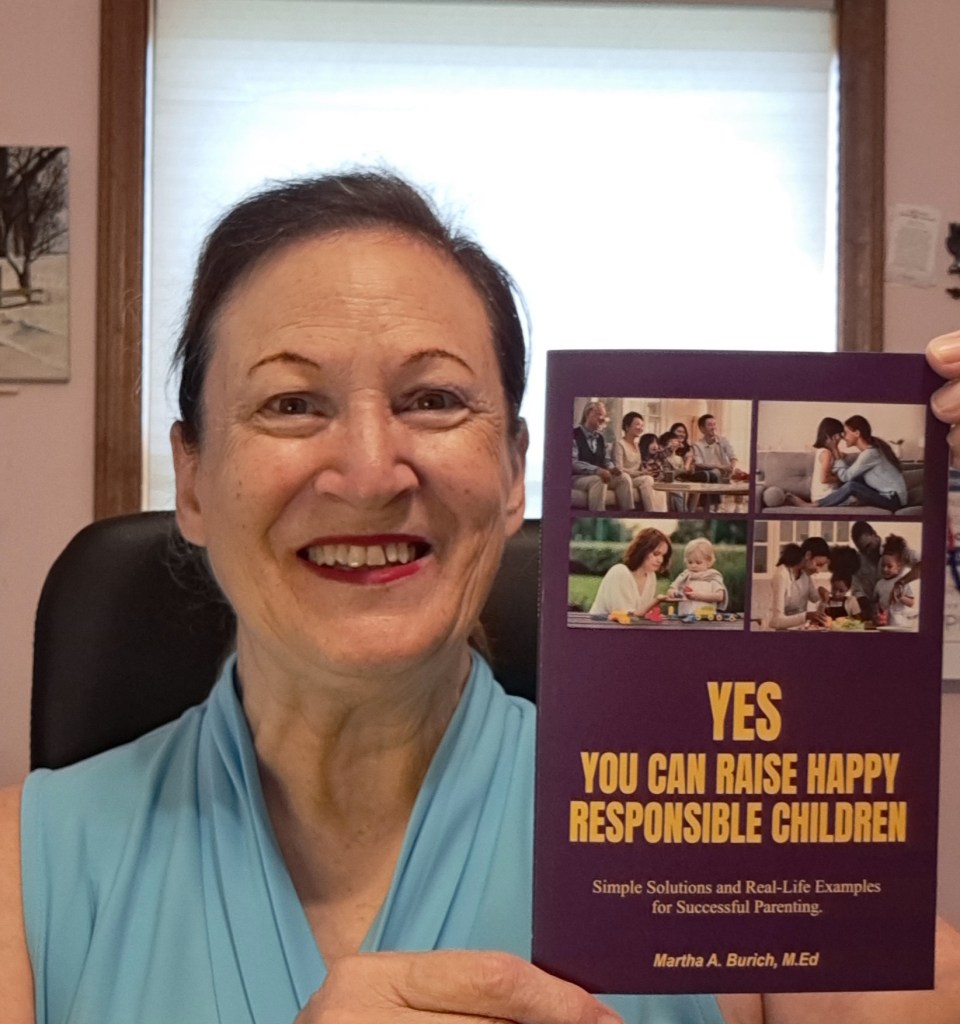
When our son was four he was very spoiled. Everyone was miserable because he would not take no for an answer. We turned that around in six weeks. He became a loving, pleasant child. We did not punish or yell. I put all of the techniques we used in this book to help other parents.
You’ve transitioned from teaching and academia to consulting and coaching. How have these experiences shaped your approach to behavior change and mindset work?
By working with people as a teacher, consultant and coach, I have learned that all people, young and old, want attention and appreciation. Unfortunately, too often, we get attention from inappropriate behaviors and have to relearn new behaviors. We get appreciation from the wrong type of friends who encourage our bad behaviors: talking about others, blaming others, using drugs and alcohol, and bullying. Parents and teachers do not mean to but they give more attention to a child’s “bad” behavior than to when children are behaving appropriately. Children hear “no, stop it, that is wrong” at least ten times more every day than they hear: “I like how you did that, I appreciate how well you did that job, how nice you were to that child,” etc.
Can you share a pivotal moment in your career that solidified your commitment to helping parents and individuals flourish?
Early in my career I was a substitute teacher. One day I was the substitute art teacher for a first grade class. Our lesson that day was to draw a fish. It is basically just two curved lines put together, the bottom one the reverse of the top. One child gave up before he even started. He was five years old and already felt helpless and hopeless.
In your work, you often emphasize overcoming limiting behaviors and thoughts. What are some of the most common challenges you’ve seen families face, and how do you help them address these?
Autism, oppositional defiant disorder, attention deficit, hyperactivity, learning disabilities, are some of the more extreme behavior issues families face. Firstly we must learn to remain calm no matter the behavior the child exhibits. Respond, do not react. We must also wait for the child to be calm before we can talk to them. Breathing exercises help. Rather than say calm down, get in front of the child and breathe deeply in through the nose and out through the mouth. Slowly and calmly.
Parenting can be overwhelming in today’s fast-paced world. What are three simple strategies from your book that parents can implement to raise happy, responsible children?
- Get children doing chores and helping as soon as possible. Everyone wants to feel useful.
- Establish routines to help children feel secure: dinner at a certain time, or every Saturday we all work together and clean the house.
- Tell your children you love and appreciate them every day.
Collaboration seems to be a theme in your work, from contributing to well-known publications to launching your consulting business. How have partnerships shaped your professional journey?
“No man is an island,” wrote John Donne way back in 1624. It is by spending time with others and sharing our experiences, knowledge, strength and hope that we grow.
Your holistic approach combines academic expertise with real-world insights. How do you balance evidence-based practices with the unique needs of the families you work with?

Academic and science based research are valuable when looking into behavior, its causes and results. Personal experience cannot be denied, especially when many get the same results when they try a technique.
Looking ahead, what other projects or initiatives are you passionate about that align with your mission to help families and individuals thrive?
I offer classes for parents on Zoom. I have a four week program: Why Your Child Misbehaves and How to Fix It. Join my free Facebook group for parents: https://www.facebook.com/groups/masteringchildbehavior.
Lastly, what advice would you offer to parents or individuals who are just beginning their journey of self-improvement and personal transformation?
Forgive yourself for any mistakes you made in the past. Take it one day at a time.
“Forgive yourself for any mistakes you made in the past and take it one day at a time.”
– Martha Burich
Links
- LinkedIn: linkedin.com/in/martha-burich
- Join my Facebook Group for parents, grandparents and caregivers: https://facebook.com/groups/masteringchildbehavior
- Yes You Can Raise Happy Responsible Children: https://amzn.to/3B8XC59
Share Your Insights
We’d love to hear your thoughts! Share your experiences and insights in the comments below:
- What strategies have helped you overcome limiting beliefs?
- What mindset shifts have made the biggest difference in your family or personal life?
- How do you approach fostering positive behavior in children or others around you?
DISCLAIMER: Spotlyts Magazine does not provide any form of professional advice. All content is for informational purposes only, and the views expressed are those of individual contributors and may not reflect the official position of Spotlyts Magazine. While we strive for accuracy and follow editorial standards, we make no guarantees regarding the completeness or reliability of the content. Readers are encouraged to conduct their own research and seek professional assistance tailored to their specific needs. Any links included are for reference only, and Spotlyts Magazine is not responsible for the content or availability of external sites. For more details, please visit our full Disclaimer, Privacy Policy, and Terms of Service.
Highlight of the Day
“With great power comes great responsibility.”
— Uncle Ben, Spider-Man
More Stories for You

Seasonal Rituals Inspire Global Communities
Ever wondered why we instinctively gather or celebrate when seasons change? This roundup explores how different cultures ritualize nature’s cycles—and what we can learn from these timeless patterns.
Keep reading
The Deal by Nazia Kamali (Short Fiction)
What does a familiar bar reveal when no one is watching? This piece invites readers inside shifts, hidden rituals, and a looming surprise.
Keep reading
In the Spotlight: Leon Conrad on Language, Story Structure, and How Stories Shape Meaning
Why do some stories feel instinctively right while others fall flat—even when we can’t explain why? This interview explores how story structures shape meaning and invites readers to discover the answer.
Keep reading
In the Spotlight: Cortney Raymond on Writing Stories of Healing, Strength, and Possibility
Ever wondered what it’s like to write stories that give hope to people who’ve endured trauma? Discover how Cortney Raymond blends real-life experiences and imagination to create resilience, strength, and possibility.
Keep readingSomething went wrong. Please refresh the page and/or try again.
Related Posts

In the Spotlight: Alan Horowitz on Heritage, Skill, and the Human Side of Custom Design
What happens when decades of family tradition meet modern demands for fit, quality, and purpose? Discover how Alan David Horowitz adapts bespoke tailoring to today’s world in this interview.
Keep reading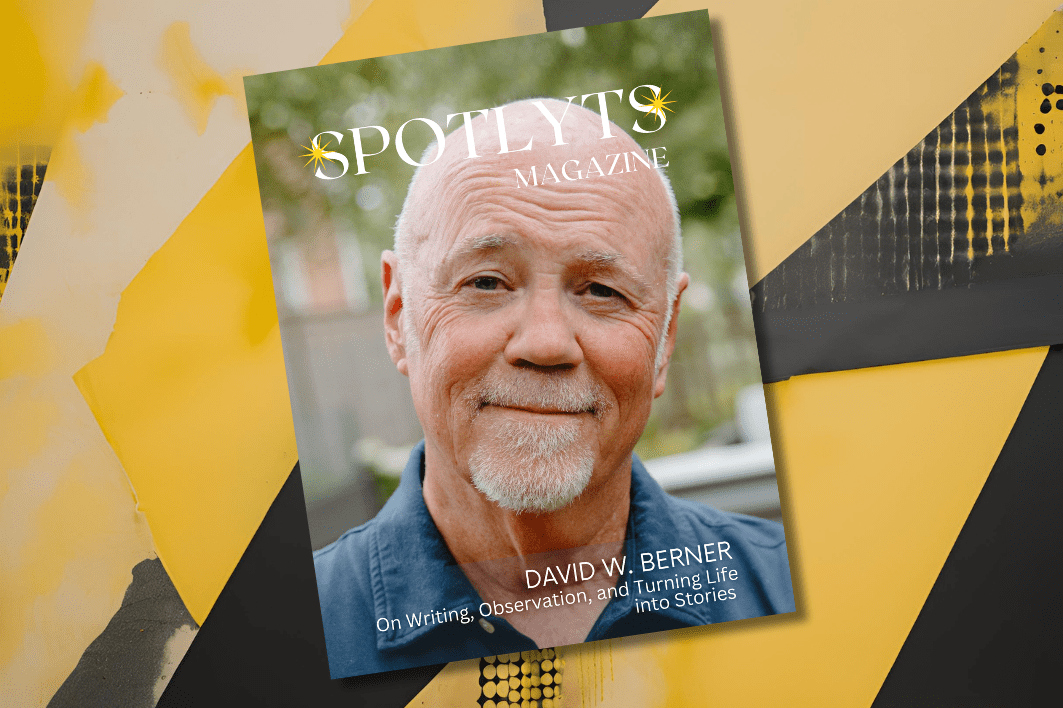
In the Spotlight: David W. Berner on Writing, Observation, and Turning Life into Stories
What if time itself were the story’s quiet narrator? This interview explores how a writer reflects on aging, creativity, and attention—inviting readers to discover the answers by reading the full conversation.
Keep reading
In the Spotlight: Talia Mashiach
Have you ever wondered what happens when creative chaos meets strict financial rules on a film set? This piece explores that intersection through Talia Mashiach’s experiences—read on to uncover perspective.
Keep reading
In the Spotlight: Sal Salcedo on Crafting Art, Community, and Conscious Beauty
Have you ever wondered if a haircut could spark a deeper connection to who you are and the world around you? Discover how Sal Salcedo explores this idea through his artistic journey.
Keep readingSomething went wrong. Please refresh the page and/or try again.

 Spotlyts
Leave a comment