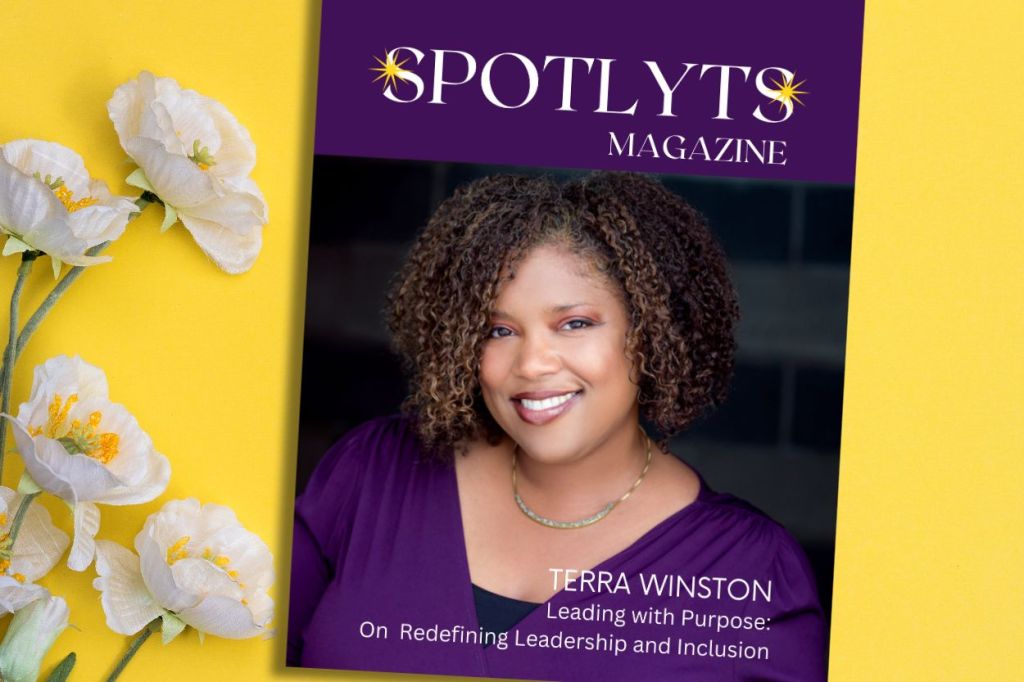
“By the time that I got to graduate school, I knew that my passion and joy was in connecting with people and helping them be better versions of themselves.”
– Terra Winston
Terra Winston’s career in leadership development and executive coaching began with a focus on helping others grow and succeed. Her journey from management consulting to coaching shaped her belief in empowering individuals to realize their potential. In this interview, she shares insights on leadership, inclusion, and building meaningful connections.
What inspired you to pursue a career in leadership development and executive coaching, and how has your journey shaped your current philosophy?
Even when I was a teenager, I was the friend that everyone called when they needed a shoulder to cry on or help with a problem. As I progressed through school and then started my career as a management consultant, I frequently found that my ability to advise, train, facilitate, and inspire others was the key to my success, regardless of the situation. By the time that I got to graduate school, I knew that my passion and joy was in connecting with people and helping them be better versions of themselves. I started focusing on leadership development and executive coaching and never looked back.
What are some universal leadership traits you’ve observed across different industries?
The most effective leaders consistently demonstrate an eagerness to learn, a willingness to listen, and an approachable demeanor. Leaders who are eager to learn remain adaptable and open to new ideas, which is critical in today’s rapidly changing business landscape. Listening actively fosters trust and ensures that all voices are heard, leading to better decision-making and stronger team dynamics. Approachability, meanwhile, creates an environment where team members feel comfortable sharing challenges, solutions, and feedback. No matter the size or focus of the organization, these traits create a foundation for innovation, collaboration, and sustained success.

How do you balance “hard” business skills, such as systems engineering and strategy, with the “soft” skills required for leadership and team development?
The secret to balancing “hard” and “soft” skills is to recognize that they are ALL hard skills! Understanding how to influence and motivate others requires both critical and strategic thinking plus recognizing that emotions and human behavior are just different types of data. Once a leader decides to be intentional about using both “hard” and “soft” skills to drive results, they quickly realize it isn’t as difficult as they thought.
Can you share a specific success story where your coaching or leadership strategies led to a significant breakthrough for an individual or organization?
I once coached a leader who worked in a manufacturing plant. When we started, I was told by human resources that they were on the verge of being replaced. The organization saw tremendous potential in this leader’s technical skills, but their interpersonal skills and impact on others was almost toxic. As I started working with them, I could see their frustration with the situation. This leader’s strengths were in strategic thinking, taking initiative, and analytical thinking. Unfortunately, strengths that are overused will inevitably become weaknesses. Their strengths caused them to step on or over people to get things done, in an effort to help the organization avoid risks that they could see coming. Not surprisingly, it ruffled a lot of feathers. Ironically, through our coaching, we worked for them to stand back and let people deal with their own messes. Soon the broader organization began to see that some of the behaviors that seemed toxic were responses to broken internal systems and interdepartmental conflicts. The leader was no angel, but they didn’t deserve all of the blame they had been receiving. Ultimately the organization was able to improve processes and the leader was promoted while doing less work.
With workplaces becoming increasingly diverse, how do you approach facilitating inclusion and harnessing the strengths of diverse teams?

Many organizations are interested in inclusion, and even have it as a stated value. What I find, most often, is that people struggle to operationalize it. They haven’t figured out how to best embed it into the normal operations, so they keep it as a side initiative. My approach is to help clients integrate best practices into normal processes, policies, and work habits in order to create a more equitable and inclusive environment for every employee. When inclusion is done well, it’s just good management and employee engagement.
What’s your process for designing workshops or keynotes that resonate deeply with diverse audiences?
Years ago, when I worked in human resources, I became frustrated with a lot of leadership development. We kept training people, and yet, it seemed like it wasn’t making much change in behaviors. When I stepped back to figure out why we weren’t getting the best results, I found that often, the missing ingredient was reality. Leaders are usually exhausted, under-resourced, juggling multiple priorities, all while also dealing with the needs of their direct reports. I design my workshops and keynotes from that starting point. My goal is to help them understand how to take advantage of this new knowledge in the easiest way possible.
In your experience, what are the most common barriers that prevent leaders from realizing their full potential, and how can they overcome them?
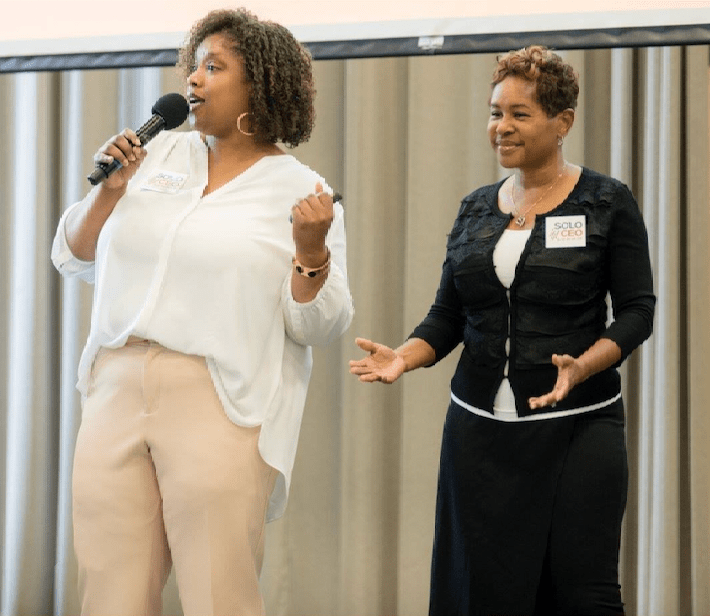
Leaders may fail to reach their full potential because they are too busy living someone else’s view of their best lives. We each have unique talents and passions, and when we lean into them – with the positions that we choose and the work habits that we implement – we thrive. However, when we undervalue our innate talents or spend too much time trying to develop weaknesses, we waste precious time and energy that could be propelling us towards more success and fulfillment. If you are ready to step into your full potential, start with radical self-acceptance. What do you do well? What are you not so great at? What do you love? How do you work best? Who do you work best with? What do you value? What is your definition of success? Let your personal inventory paint a picture of who you are. Then you can identify the types of work (and environments) that will bring you the most happiness and will let you work in ways that feel more natural.
For solopreneurs and small business owners, what leadership strategies are most critical for long-term success?
For solopreneurs and small business owners, long-term success requires a blend of critical leadership strategies. Patience is essential, as building a sustainable business takes time and perseverance. Being open-minded allows leaders to embrace fresh ideas and adapt to changes, while a willingness to refine their expertise ensures they remain competitive and innovative. Understanding when to seek help is equally vital—knowing when to rely on experts or delegate can prevent burnout. This ties closely to knowing your strengths, which allows you to focus on what you do best while finding support for areas that require additional expertise. Self-care is fundamental, as maintaining mental and physical well-being sustains your energy and clarity. Financial astuteness ensures that resources are managed wisely for stability and growth. Strong communication skills foster trust and collaboration with clients, partners, and peers, while being engaging helps build meaningful connections. Finally, adaptability allows solopreneurs to navigate challenges with confidence and seize new opportunities, laying the foundation for enduring success.
How do you stay inspired and continuously evolve as a coach, consultant, and facilitator in an ever-changing professional landscape?
Continuous learning is the key to staying on top of any craft, and my work is no different. I have my own coach that I work with on a regular basis. Additionally, I believe in the power of community. I have fellow coaches, consultants, and facilitators that I connect with. We celebrate together, commiserate over challenges, problem solve, and share resources. I never would’ve been able to survive the ups and downs of solopreneurship without them.
What advice would you give to aspiring leaders looking to create a lasting impact within their teams and organizations?

Remember that every team and organization is an entity made up of people. That means that humans, with all of their wonderfulness and challenges, will be the ones that determine if you make an impact and how long it lasts. Factor in the politics of your organization as you are creating your plans. For example, choosing a project that falls within the interest of a key stakeholder will be easier to move forward than one that requires a lot of convincing. Now, you may not want to compromise, and that’s a perfectly good choice, but you need to at least be aware of all of the factors that will affect you.
“If you are ready to step into your full potential, start with radical self-acceptance.”
– Terra Winston
Link
- Terra at LinkedIn
Share Your Insights
We’d love to hear your thoughts on leadership and growth. Join the conversation by sharing your perspective in the comments:
- What strategies have helped you grow personally or professionally?
- What qualities do you think are essential for effective leadership today?
- How can organizations better integrate inclusion into their daily practices?
DISCLAIMER: Spotlyts Magazine does not provide any form of professional advice. All content is for informational purposes only, and the views expressed are those of individual contributors and may not reflect the official position of Spotlyts Magazine. While we strive for accuracy and follow editorial standards, we make no guarantees regarding the completeness or reliability of the content. Readers are encouraged to conduct their own research and seek professional assistance tailored to their specific needs. Any links included are for reference only, and Spotlyts Magazine is not responsible for the content or availability of external sites. For more details, please visit our full Disclaimer, Privacy Policy, and Terms of Service.
Highlight of the Day
“With great power comes great responsibility.”
— Uncle Ben, Spider-Man
More Stories for You

Seasonal Rituals Inspire Global Communities
Ever wondered why we instinctively gather or celebrate when seasons change? This roundup explores how different cultures ritualize nature’s cycles—and what we can learn from these timeless patterns.
Keep reading
The Deal by Nazia Kamali (Short Fiction)
What does a familiar bar reveal when no one is watching? This piece invites readers inside shifts, hidden rituals, and a looming surprise.
Keep reading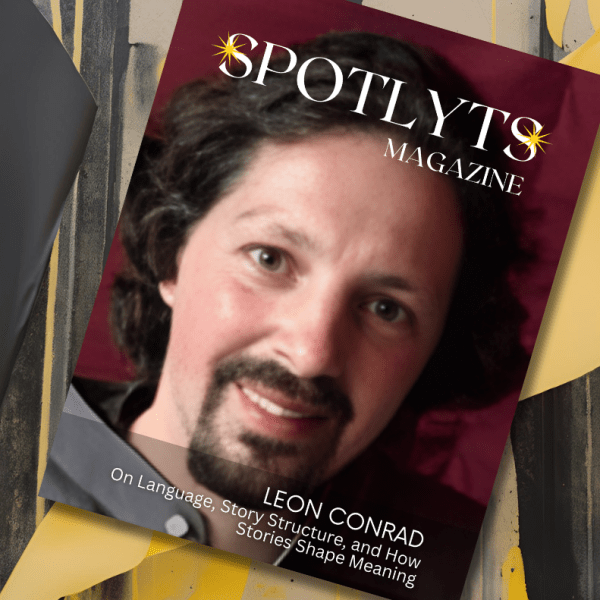
In the Spotlight: Leon Conrad on Language, Story Structure, and How Stories Shape Meaning
Why do some stories feel instinctively right while others fall flat—even when we can’t explain why? This interview explores how story structures shape meaning and invites readers to discover the answer.
Keep reading
In the Spotlight: Cortney Raymond on Writing Stories of Healing, Strength, and Possibility
Ever wondered what it’s like to write stories that give hope to people who’ve endured trauma? Discover how Cortney Raymond blends real-life experiences and imagination to create resilience, strength, and possibility.
Keep readingSomething went wrong. Please refresh the page and/or try again.
Related Posts

In the Spotlight: Alan Horowitz on Heritage, Skill, and the Human Side of Custom Design
What happens when decades of family tradition meet modern demands for fit, quality, and purpose? Discover how Alan David Horowitz adapts bespoke tailoring to today’s world in this interview.
Keep reading
In the Spotlight: David W. Berner on Writing, Observation, and Turning Life into Stories
What if time itself were the story’s quiet narrator? This interview explores how a writer reflects on aging, creativity, and attention—inviting readers to discover the answers by reading the full conversation.
Keep reading
In the Spotlight: Talia Mashiach
Have you ever wondered what happens when creative chaos meets strict financial rules on a film set? This piece explores that intersection through Talia Mashiach’s experiences—read on to uncover perspective.
Keep reading
In the Spotlight: Sal Salcedo on Crafting Art, Community, and Conscious Beauty
Have you ever wondered if a haircut could spark a deeper connection to who you are and the world around you? Discover how Sal Salcedo explores this idea through his artistic journey.
Keep readingSomething went wrong. Please refresh the page and/or try again.

 Spotlyts
Leave a comment