
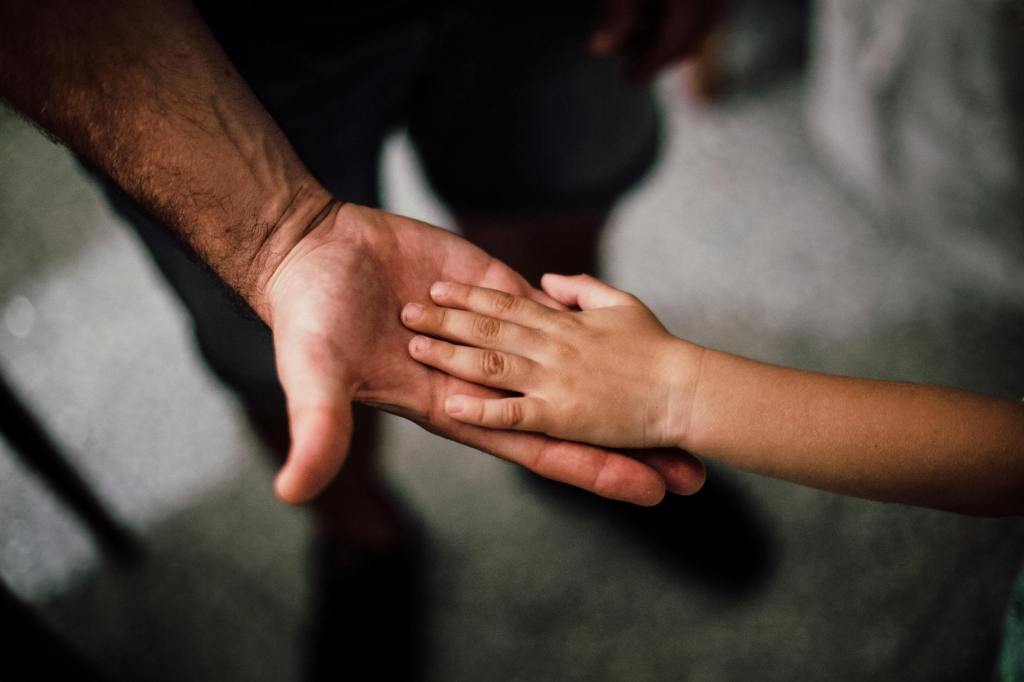
Content Warning: This article discusses sensitive topics such as divorce, relocation, and emotional distress. If you or someone you know is struggling with these issues, please seek professional help.
Because life is unpredictable, families frequently deal with difficulties like divorce, moving, or other major life upheavals. Being able to navigate the storm with the help of solid family support might be crucial during these trying times. How do we provide loved ones going through a crisis with understanding and support? What is the role of empathy and candid communication for families getting through trying times together? How can families support each other during times of crisis or major life transitions, such as divorce or relocation? Let’s hear from the experts.
Expert Insights
During times of crisis or major life transitions—such as divorce or relocation—it’s essential for families to support one another through open communication and empathy. Start by having honest conversations with your kids about what’s happening. If your children seem to be closing off, it’s important to ensure they have access to a trusted adult, whether it’s a family member, teacher, close friend, or professional like a therapist or coach, to help them navigate the transition. The same goes for you as the parent. Don’t hesitate to lean on your own support network. Asking for help is not only beneficial for you, but also for your children, as it models healthy coping strategies and ensures they don’t feel alone in the process.
If your children are open to your support, one of the most valuable things you can do is to normalize and validate their feelings. Life transitions, especially for children, can feel disorienting and create a sense of being out of control, which can often feel like a crisis. When a child hears, “What you’re feeling is normal; it’s okay to feel this way, and others feel this way too,” they are more likely to feel understood and comforted. Validation helps reduce emotional intensity and fosters a sense of safety during the transition.
It’s also important to take things one day at a time. Focus on being present with your child(ren) and allow emotions to move through you both. Research shows that emotions typically last for about 90 seconds once they arise. After that, it’s up to us what we do with the emotion—whether we allow it to dissipate or allow it to linger. As parents, our greater life experience may cause emotions to feel more intense or prolonged, but suppressing or ignoring feelings ultimately strengthens the emotional wound. Leaning into our emotions and processing them healthily helps us reach a place of neutrality and healing. For children, seeing this process in action models emotional resilience, showing them that it’s possible to move through difficult feelings rather than remain stuck in them.
For families going through a divorce or relocation, continuity and consistency are key. It can be especially challenging for children to adjust during these transitions, so it’s important to find ways to maintain routines, whether that’s across different households or within new living environments. Children feel more secure when they see that both parents are on the same page with parenting decisions, as it creates a sense of safety and predictability. Family traditions—whether old ones or new ones—also help reinforce the message, “We’re all in this together.” Even when life feels uncertain or chaotic, keeping certain practices or traditions intact provides a sense of stability and belonging.
Ultimately, during difficult times, it’s important to view your family as a constant, a source of unconditional support. Even when the world around you feels like it’s falling apart, the hope is that your family remains a safe base where everyone can go for comfort and connection.

Dr. Chase & Mitra Cummins, Co-Founders & Introspective Parent Coaches at Introspective Solutions
Share Your Story
Have you faced a major life transition or crisis with your family? How did you and your loved ones tackle the challenges? Share your experiences and advice with others who may be going through similar situations.
Here are some questions to get you started:
- What strategies did you find helpful in supporting your family members during a difficult time?
- How did you maintain open communication and empathy within your family, especially during tense moments?
- What advice would you give to others who are currently facing a family crisis or major life change?
Let’s support each other and build a stronger community.
Welcome to our brand-new series at Spotlyts dedicated to family, children, and relationships! This is the beginning of a continuous spotlight on the core of what binds us together—our loved ones. We’ll go further into the potent dynamics of human connection, covering everything from the nourishing ties we have with our families to the joys and challenges of having and rearing kids to the enduring friendships and partnerships that influence our lives.
We invite you to join us as we take on this ongoing exploration and reflect on the many ways our relationships shape and transform us. Stay tuned for more!
DISCLAIMER: Spotlyts Magazine does not provide any form of professional advice. All content is for informational purposes only, and the views expressed are those of individual contributors and may not reflect the official position of Spotlyts Magazine. While we strive for accuracy and follow editorial standards, we make no guarantees regarding the completeness or reliability of the content. Readers are encouraged to conduct their own research and seek professional assistance tailored to their specific needs. Any links included are for reference only, and Spotlyts Magazine is not responsible for the content or availability of external sites. For more details, please visit our full Disclaimer, Privacy Policy, and Terms of Service.
Highlight of the Day
“With great power comes great responsibility.”
— Uncle Ben, Spider-Man
More Stories for You

Seasonal Rituals Inspire Global Communities
Ever wondered why we instinctively gather or celebrate when seasons change? This roundup explores how different cultures ritualize nature’s cycles—and what we can learn from these timeless patterns.
Keep reading
The Deal by Nazia Kamali (Short Fiction)
What does a familiar bar reveal when no one is watching? This piece invites readers inside shifts, hidden rituals, and a looming surprise.
Keep reading
In the Spotlight: Leon Conrad on Language, Story Structure, and How Stories Shape Meaning
Why do some stories feel instinctively right while others fall flat—even when we can’t explain why? This interview explores how story structures shape meaning and invites readers to discover the answer.
Keep reading
In the Spotlight: Cortney Raymond on Writing Stories of Healing, Strength, and Possibility
Ever wondered what it’s like to write stories that give hope to people who’ve endured trauma? Discover how Cortney Raymond blends real-life experiences and imagination to create resilience, strength, and possibility.
Keep readingSomething went wrong. Please refresh the page and/or try again.
Related




Something went wrong. Please refresh the page and/or try again.

 Spotlyts
Leave a comment