

Genre: Memoir / Personal Development
Fear is often painted as a villain in the human story. It lurks in the shadows, waiting to strike, rendering its victims powerless. But what if fear is not the enemy? What if it is a misunderstood companion, nudging us toward growth rather than retreat? Peter Massam’s Moose Conquering Fear is not just an account of a man overcoming obstacles. It is a meditation on the ways fear weaves itself into the fabric of everyday life, shaping decisions, relationships, and even the way we view ourselves.
One of the most striking elements of the book is its exploration of childhood conditioning. George, the protagonist, grows up learning fear before he even understands what it is. He watches authority figures display hesitation, discomfort, and avoidance, and like any child, he absorbs it like a sponge. A simple visit to the dentist, described with haunting sensory detail, becomes a formative experience. The black floorboards, the creaking of the chair, the overpowering scent of disinfectant—all of these impressions cement a fear that lingers long after the initial pain subsides. It raises a question: how many of our own fears are truly ours, and how many have we inherited from those who came before us?
The book also delves into fear as a societal construct. Fear keeps order, prevents rebellion, maintains hierarchies. George, navigating school, university, and the rigid expectations of young adulthood, frequently encounters systems that benefit from his hesitations. Institutions thrive when individuals accept the status quo. When he and his friends disrupt this order with harmless but calculated pranks, they are not just causing mischief; they are testing the boundaries of authority. The book highlights how fear is often used as a tool of control, but it also suggests that a little defiance—especially the kind rooted in humor—can be liberating.
What makes this memoir stand out is its refusal to romanticize the idea of conquering fear. There is no singular moment of triumph, no cinematic epiphany where George suddenly breaks free from the chains of doubt. Instead, we see a slow, sometimes painful, process of growth. At times, he stumbles back into old patterns, choosing comfort over risk, silence over confrontation. And isn’t that how fear operates in real life? Even when we think we have moved past it, it has a way of resurfacing at the most inconvenient times.
Perhaps the most emotionally compelling sections of the book are those that deal with personal relationships. Fear in love is not always about heartbreak; sometimes, it is the fear of being truly seen. George navigates friendships, romantic entanglements, and fleeting connections with a mix of enthusiasm and trepidation. There is a raw honesty in the way Massam captures the silent negotiations between two people who are drawn to each other but afraid of what that connection might demand. In one scene, George stands at the edge of a romantic possibility, hesitating not because he doesn’t want it, but because wanting something that much is terrifying. The reader is left wondering how many moments of happiness are lost every day to that same quiet fear.
Moose Conquering Fear is not just a book about overcoming obstacles. It is a book about learning to live alongside fear without letting it dictate the terms of your life. It suggests that fear itself is not the problem—it is the avoidance of fear that traps us. If you have ever wondered why certain fears seem to persist no matter how hard you try to shake them, this book will speak to you. It is not a grand, sweeping manifesto on bravery, but something much more valuable: a deeply personal, often humorous, and thoroughly relatable exploration of what it means to step into discomfort, one choice at a time.
Content Warning: This book contains reflections on personal loss, anxiety, and self-doubt. While there is no graphic content, readers sensitive to themes of emotional struggle and difficult life transitions should be aware.
Spotlyts Story Award

The above story/stories or storyteller(s) won the Spotlyts Story Award.
Throughout the year, standout stories are selected to receive the Spotlyts Story Award. This accolade celebrates storytelling in all its forms, including:
- Written works: fiction, nonfiction, essays, articles, and poetry
- Visual storytelling: photos, photo essays, and videos
- Multimedia content: story websites, blog articles, social media posts, short films, and other digital creations
Winning a Spotlyts Story Award doesn’t just mean recognition today—it also earns a nomination for the annual Story of the Year Award titles.
Request for a review of your book and have it nominated for the award here.
To nominate for a non-book category of the award or to know more about the award, click here.
DISCLAIMER: Spotlyts Magazine does not provide any form of professional advice. All content is for informational purposes only, and the views expressed are those of individual contributors and may not reflect the official position of Spotlyts Magazine. While we strive for accuracy and follow editorial standards, we make no guarantees regarding the completeness or reliability of the content. Readers are encouraged to conduct their own research and seek professional assistance tailored to their specific needs. Any links included are for reference only, and Spotlyts Magazine is not responsible for the content or availability of external sites. For more details, please visit our full Disclaimer, Privacy Policy, and Terms of Service.
Highlight of the Day
“With great power comes great responsibility.”
— Uncle Ben, Spider-Man
More Stories for You
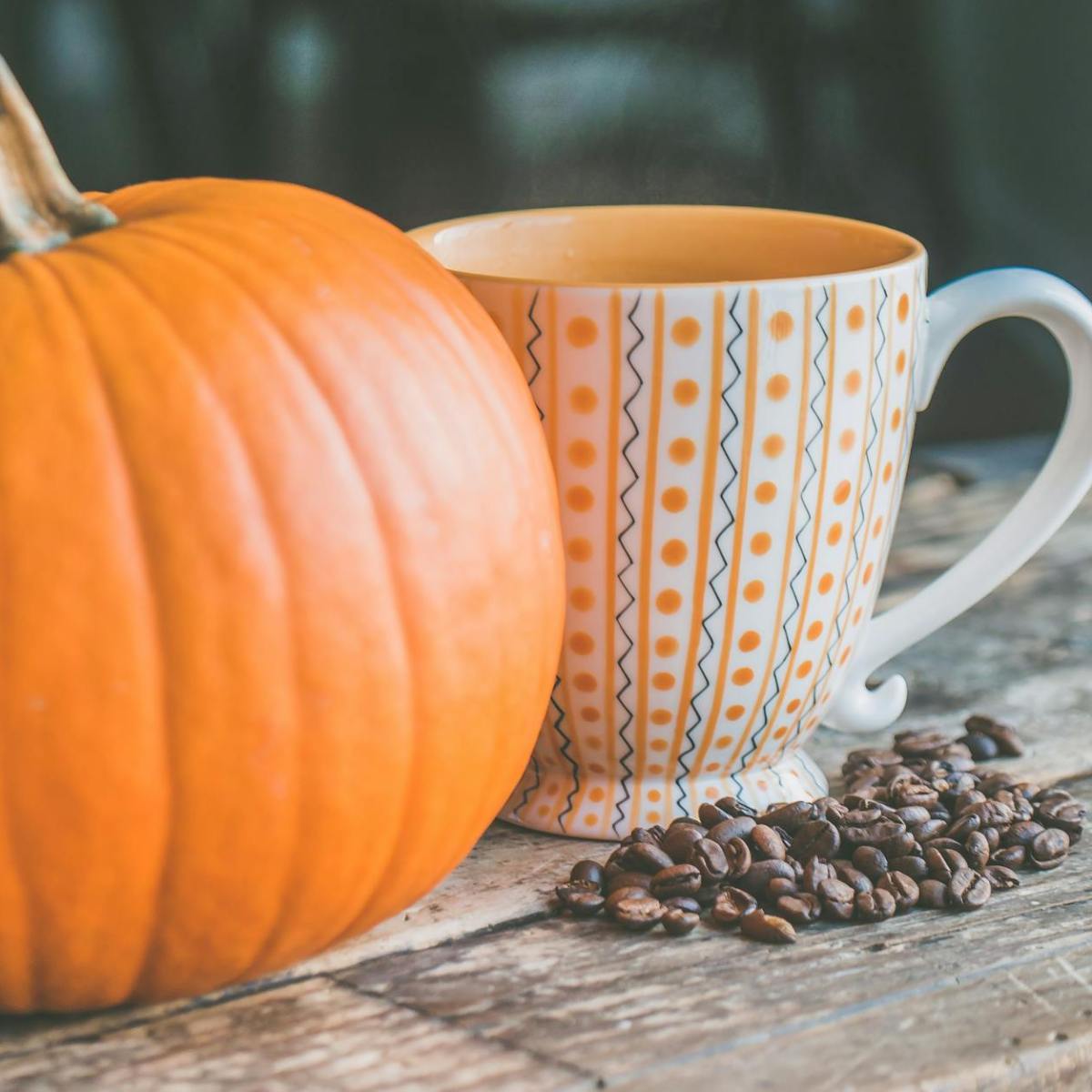
Seasonal Rituals Inspire Global Communities
Ever wondered why we instinctively gather or celebrate when seasons change? This roundup explores how different cultures ritualize nature’s cycles—and what we can learn from these timeless patterns.
Keep reading
The Deal by Nazia Kamali (Short Fiction)
What does a familiar bar reveal when no one is watching? This piece invites readers inside shifts, hidden rituals, and a looming surprise.
Keep reading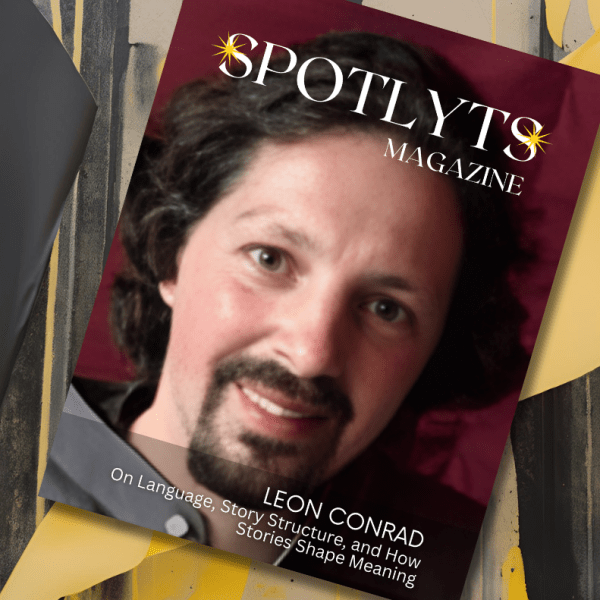
In the Spotlight: Leon Conrad on Language, Story Structure, and How Stories Shape Meaning
Why do some stories feel instinctively right while others fall flat—even when we can’t explain why? This interview explores how story structures shape meaning and invites readers to discover the answer.
Keep reading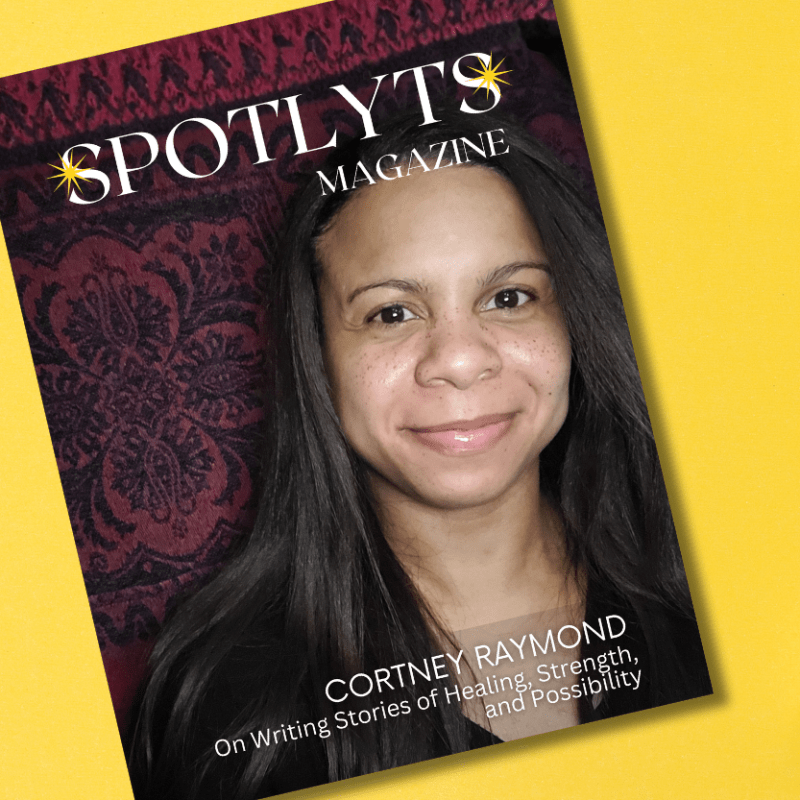
In the Spotlight: Cortney Raymond on Writing Stories of Healing, Strength, and Possibility
Ever wondered what it’s like to write stories that give hope to people who’ve endured trauma? Discover how Cortney Raymond blends real-life experiences and imagination to create resilience, strength, and possibility.
Keep readingSomething went wrong. Please refresh the page and/or try again.
Related Posts
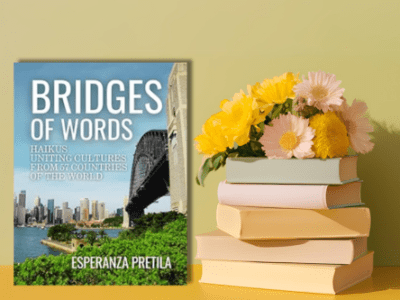
Bridges of Words: Haikus Uniting Cultures from 57 Countries of the World by Esperanza Pretila
This book feels like a passport—not stamped with borders, but with moments.
Keep reading
The Cultural Stories Giving People Strength and Identity Today
What if a forgotten memoir or a single song could rewrite how you see yourself and your culture? Discover surprising stories that challenge identity—read on to explore these powerful personal…
Keep reading
In the Spotlight: Peter Massam on Memory, Place, and Purpose
What happens when decades-old letters unlock forgotten worlds and shape how we understand culture and memory? Discover how Peter Massam’s journey reveals the power of storytelling—read the full interview to…
Keep reading
In the Spotlight: Luminescene Goh on Resilience, Identity, and Storytelling
What do astrology, fantasy fiction, and mindfulness have in common? You might be surprised. Discover how these seemingly different elements come together in a writer’s journey to inspire and empower…
Keep readingSomething went wrong. Please refresh the page and/or try again.

 Spotlyts
Leave a comment