

Have you ever walked onto a bus, train, or subway and instinctively picked a seat without much thought? Maybe you gravitate toward the window, longing for a moment of solitude, or perhaps you hover near the exit, prepared for a quick escape. It seems trivial, but in reality, your seat choice is a subtle reflection of your personality, habits, and even your social comfort level.
A Silent Social Contract
Every commuter is part of an unspoken agreement—one that dictates everything from where to sit to how much eye contact is socially acceptable. Public transport is one of the rare places where strangers are thrown together in confined spaces, navigating a delicate balance between personal space and social proximity.
Psychologists suggest that our seating habits mirror our subconscious preferences for control, safety, and interaction. Take, for example, the “Loner Window Seat Theory”—where introverts instinctively choose the window seat, creating a psychological barrier between themselves and the aisle, while extroverts or pragmatic commuters often take the aisle for easy movement. Studies have even shown that in many cultures, people prefer to sit as far apart as possible when given the option.
Historical Perspectives: The Same Journey, Different Eras
Even in ancient times, how we positioned ourselves during travel mattered. In Roman chariots, the most powerful individuals rode at the front, dictating the route and keeping an eye on potential dangers. In 19th-century train compartments, seating arrangements reflected class divisions—wealthy passengers sat in private cabins, while the lower classes were packed into open carriages. Fast forward to today, and while the modes of transport have changed, our unconscious seating choices continue to reveal deeper truths about human nature.
What the Data Says
Research backs up these subconscious preferences. A 2015 study conducted by psychologist Adrian Furnham found that:
- 63% of commuters prefer window seats for privacy and comfort.
- 25% opt for aisle seats, often for easy access or a sense of control.
- 12% stand, despite available seating, usually due to short trips or a dislike of confined spaces.
These choices are more than just random behavior; they reflect personality traits such as openness to interaction, need for control, or even levels of anxiety in social settings.
The Unspoken Rules of Commuting
Beyond personal preference, there are also unwritten social rules when it comes to choosing a seat. Have you noticed how most people avoid sitting directly next to a stranger if there are other options? This phenomenon, called “Avoidant Spacing”, is a psychological defense mechanism designed to maintain personal boundaries.
Similarly, certain seats are reserved by cultural expectation:
- The priority seats? Only the boldest (or rudest) commuters take them without a second thought.
- The corner seat in a four-person booth? It’s often left open for a last-minute rider.
- The middle seat in a row of three? Usually the absolute last choice unless every other option is taken.
An Anecdote from the Unconventional Traveler
In Tokyo, where space is scarce and social etiquette is strict, I once observed a fascinating experiment. A young man purposefully sat next to people in an empty subway car, just to see their reactions. The results? Almost every single person moved away within seconds. While humorous, it showcased an ingrained cultural preference for personal space, even in a city where close quarters are unavoidable.
Rhetorical Reflection: What Would You Do?
If you enter a nearly empty train, do you sit next to the only other person there? Probably not. But why? What does that hesitation say about our need for space and control?
Final Thoughts: More Than Just a Seat
The next time you step onto a bus or train, pay attention to where you sit. Are you seeking solitude? Positioning yourself for an easy exit? Avoiding eye contact at all costs? Whatever your choice, know that it’s not just a seat—it’s a small yet telling glimpse into your mind.
After all, as Ralph Waldo Emerson once said, “The voyage of the best ship is a zigzag line of a hundred tacks.” Maybe our daily commutes, with all their quirks and subconscious choices, are simply another zigzag on our journey through life.
DISCLAIMER: Spotlyts Magazine does not provide any form of professional advice. All content is for informational purposes only, and the views expressed are those of individual contributors and may not reflect the official position of Spotlyts Magazine. While we strive for accuracy and follow editorial standards, we make no guarantees regarding the completeness or reliability of the content. Readers are encouraged to conduct their own research and seek professional assistance tailored to their specific needs. Any links included are for reference only, and Spotlyts Magazine is not responsible for the content or availability of external sites. For more details, please visit our full Disclaimer, Privacy Policy, and Terms of Service.
Highlight of the Day
“With great power comes great responsibility.”
— Uncle Ben, Spider-Man
More Stories for You

Seasonal Rituals Inspire Global Communities
Ever wondered why we instinctively gather or celebrate when seasons change? This roundup explores how different cultures ritualize nature’s cycles—and what we can learn from these timeless patterns.
Keep reading
The Deal by Nazia Kamali (Short Fiction)
What does a familiar bar reveal when no one is watching? This piece invites readers inside shifts, hidden rituals, and a looming surprise.
Keep reading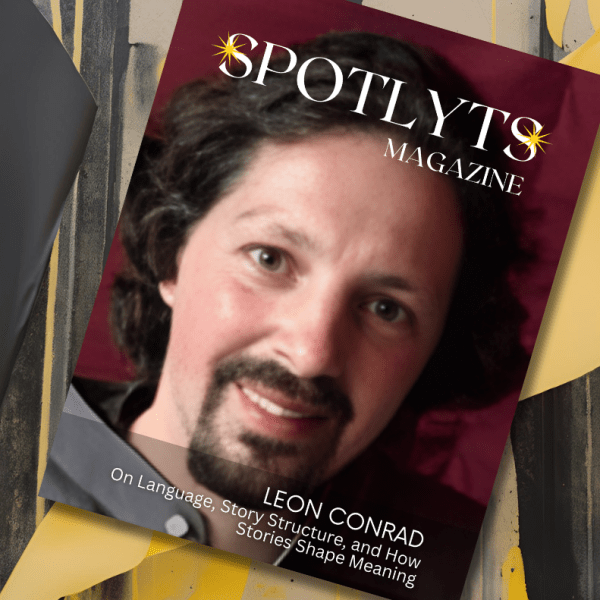
In the Spotlight: Leon Conrad on Language, Story Structure, and How Stories Shape Meaning
Why do some stories feel instinctively right while others fall flat—even when we can’t explain why? This interview explores how story structures shape meaning and invites readers to discover the answer.
Keep reading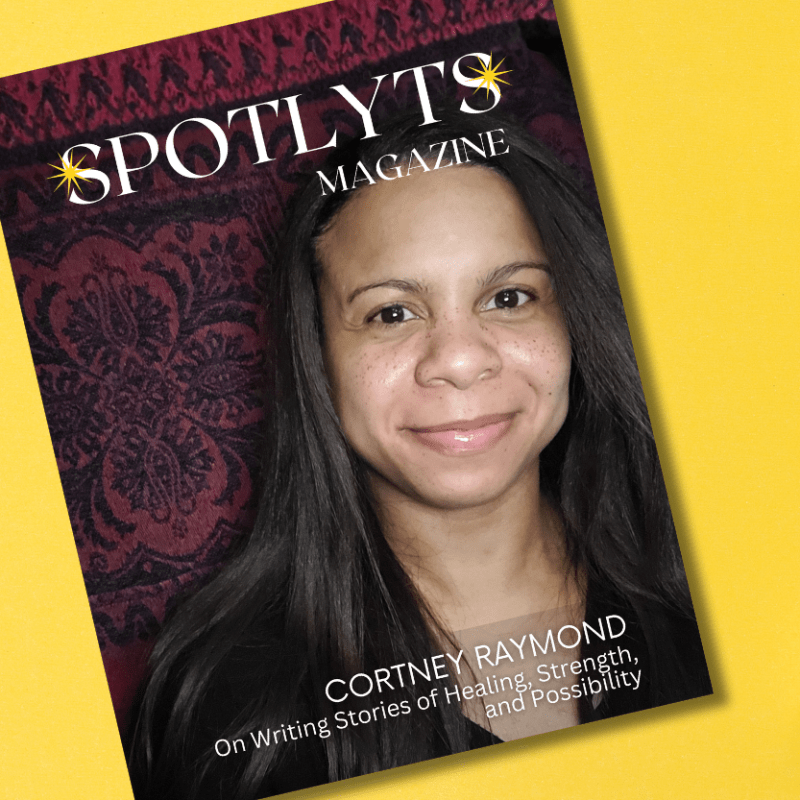
In the Spotlight: Cortney Raymond on Writing Stories of Healing, Strength, and Possibility
Ever wondered what it’s like to write stories that give hope to people who’ve endured trauma? Discover how Cortney Raymond blends real-life experiences and imagination to create resilience, strength, and possibility.
Keep readingSomething went wrong. Please refresh the page and/or try again.

 Spotlyts
Leave a comment