
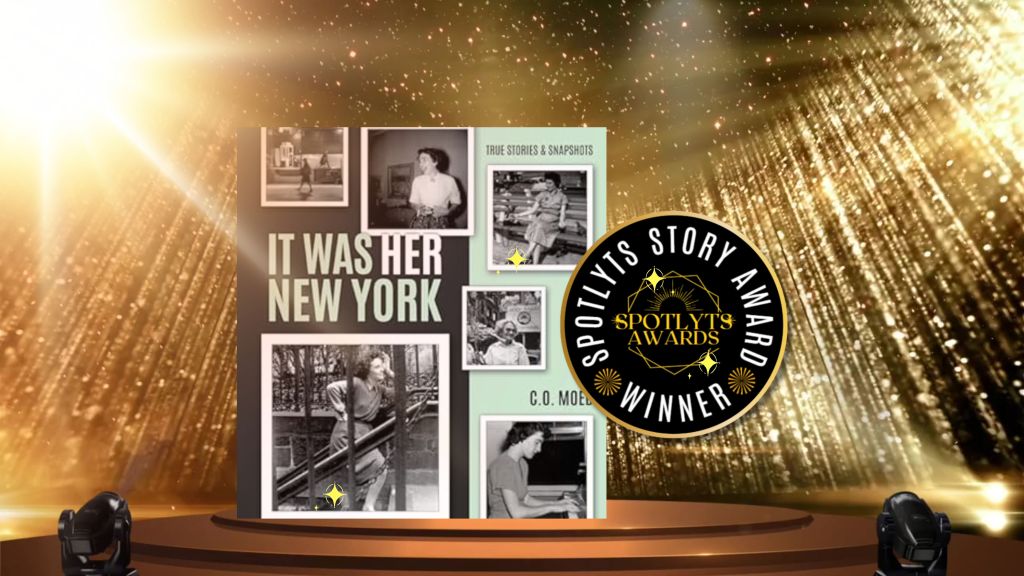
Content Warning: This book includes strong language, themes of grief, aging, LGBTQ+ identity, and the struggles of a changing city. While it handles these topics with care, some content may be emotionally intense.
What Do We Owe to the Places That Made Us?
A famous Japanese philosophy, mono no aware, describes the bittersweet awareness of impermanence—the understanding that all things, no matter how beloved, will eventually fade. C.O. Moed’s It Was Her New York is a book steeped in this truth. It is about a city that is disappearing, a mother who is slipping away, and a daughter grasping at memories before they vanish completely.
But unlike most memoirs, this is not a quiet reflection. It is loud, brash, and unapologetic—much like the New York it honors.
A City That Fights Back
New York has always been a city of reinvention. Immigrants arrived and built homes, industries grew and collapsed, neighborhoods shifted and reshaped themselves. The Lower East Side, once a working-class stronghold, is now a playground for the wealthy. What happens to those who are left behind in the wake of “progress”?
Moed refuses to romanticize this change. She doesn’t just mourn what is lost; she calls it out. Through her eyes, we see not just the physical erasure of familiar storefronts, but the slow erasure of identity, culture, and history. This memoir doesn’t just remember—it fights to keep the past alive.
A Daughter’s War Against Time
At the heart of the book is Florence, a Juilliard-trained pianist, a woman who commands grammar even when confined to bed, and a mother whose presence is as formidable as the city itself.
Moed does not sugarcoat the difficulties of watching a parent decline. She captures the humor, the frustration, the love, and the loss in raw, striking prose. The conversations between mother and daughter are sometimes sharp, sometimes tender, but always real. They read like battle strategies—negotiations with time itself.
One of the most powerful sections details Moed’s fight to keep her mother from being admitted to the hospital. It is not just about medical decisions—it is about dignity, autonomy, and the desperate attempt to hold onto control when everything else is slipping away.
Who Should Read This?
This book is not for those who seek nostalgia without discomfort. It is for those who know that love is often complicated, that cities do not owe us permanence, and that sometimes, survival is an act of defiance.
It will resonate deeply with readers who have watched a loved one fade and those who have witnessed their childhood streets become unrecognizable. It belongs on the shelf next to works like Patti Smith’s Just Kids or Vivian Gornick’s The Odd Woman and the City—memoirs that do not just tell a story but live within them.
Final Thoughts
There is a moment in the book where Moed recalls Florence diving into the ocean, swimming out so far she becomes a speck on the horizon. It is a perfect metaphor for the book itself—an act of movement, of resistance, of refusing to stay put.
Some books fade into memory. This one refuses to.
Spotlyts Story Award

The above story/stories or storyteller(s) won the Spotlyts Story Award.
Throughout the year, standout stories are selected to receive the Spotlyts Story Award. This accolade celebrates storytelling in all its forms, including:
- Written works: fiction, nonfiction, essays, articles, and poetry
- Visual storytelling: photos, photo essays, and videos
- Multimedia content: story websites, blog articles, social media posts, short films, and other digital creations
Winning a Spotlyts Story Award doesn’t just mean recognition today—it also earns a nomination for the annual Story of the Year Award titles.
Request for a review of your book and have it nominated for the award here.
To nominate for a non-book category of the award or to know more about the award, click here.
DISCLAIMER: Spotlyts Magazine does not provide any form of professional advice. All content is for informational purposes only, and the views expressed are those of individual contributors and may not reflect the official position of Spotlyts Magazine. While we strive for accuracy and follow editorial standards, we make no guarantees regarding the completeness or reliability of the content. Readers are encouraged to conduct their own research and seek professional assistance tailored to their specific needs. Any links included are for reference only, and Spotlyts Magazine is not responsible for the content or availability of external sites. For more details, please visit our full Disclaimer, Privacy Policy, and Terms of Service.
Highlight of the Day
“With great power comes great responsibility.”
— Uncle Ben, Spider-Man
More Stories for You

Seasonal Rituals Inspire Global Communities
Ever wondered why we instinctively gather or celebrate when seasons change? This roundup explores how different cultures ritualize nature’s cycles—and what we can learn from these timeless patterns.
Keep reading
The Deal by Nazia Kamali (Short Fiction)
What does a familiar bar reveal when no one is watching? This piece invites readers inside shifts, hidden rituals, and a looming surprise.
Keep reading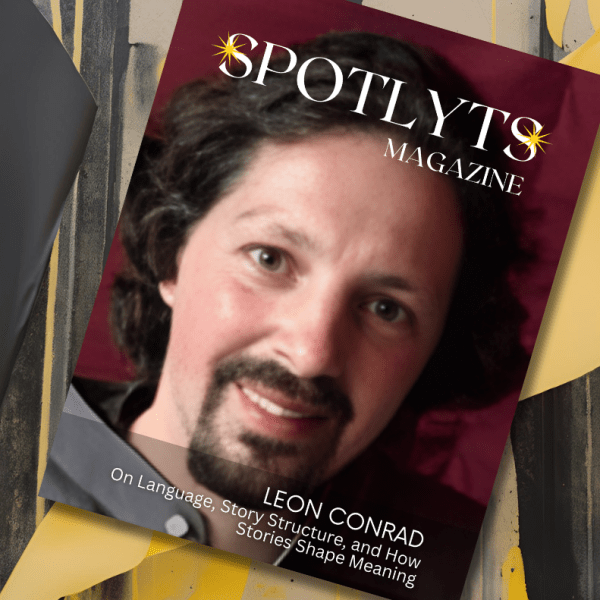
In the Spotlight: Leon Conrad on Language, Story Structure, and How Stories Shape Meaning
Why do some stories feel instinctively right while others fall flat—even when we can’t explain why? This interview explores how story structures shape meaning and invites readers to discover the answer.
Keep reading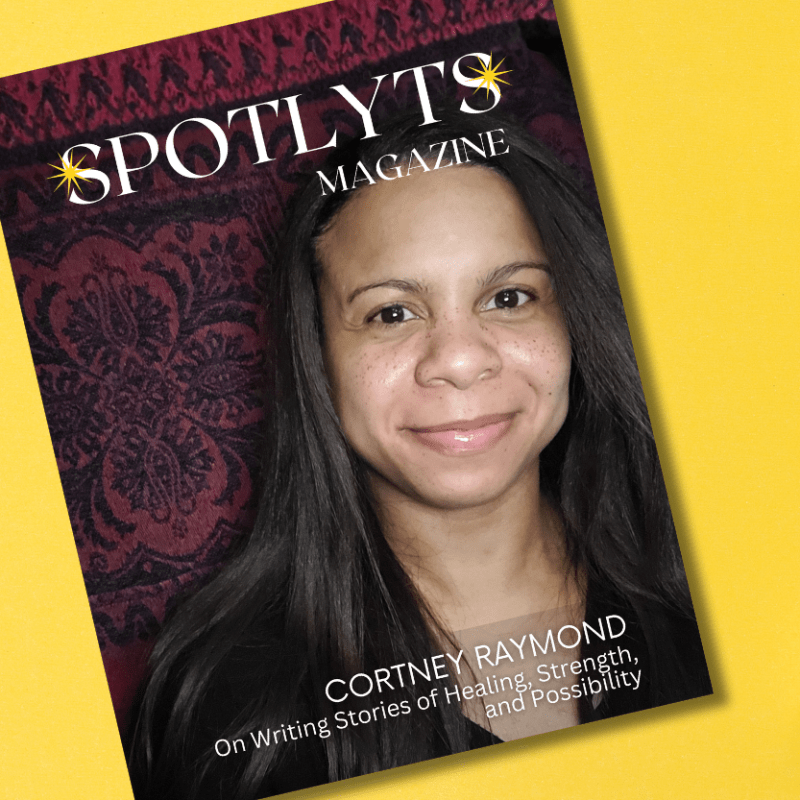
In the Spotlight: Cortney Raymond on Writing Stories of Healing, Strength, and Possibility
Ever wondered what it’s like to write stories that give hope to people who’ve endured trauma? Discover how Cortney Raymond blends real-life experiences and imagination to create resilience, strength, and possibility.
Keep readingSomething went wrong. Please refresh the page and/or try again.
Related Posts
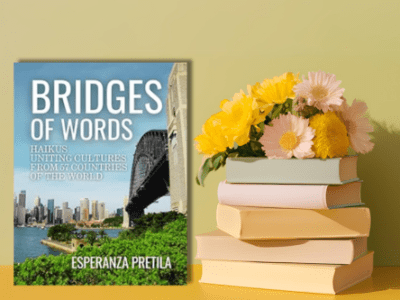
Bridges of Words: Haikus Uniting Cultures from 57 Countries of the World by Esperanza Pretila
This book feels like a passport—not stamped with borders, but with moments.
Keep reading
The Cultural Stories Giving People Strength and Identity Today
What if a forgotten memoir or a single song could rewrite how you see yourself and your culture? Discover surprising stories that challenge identity—read on to explore these powerful personal…
Keep reading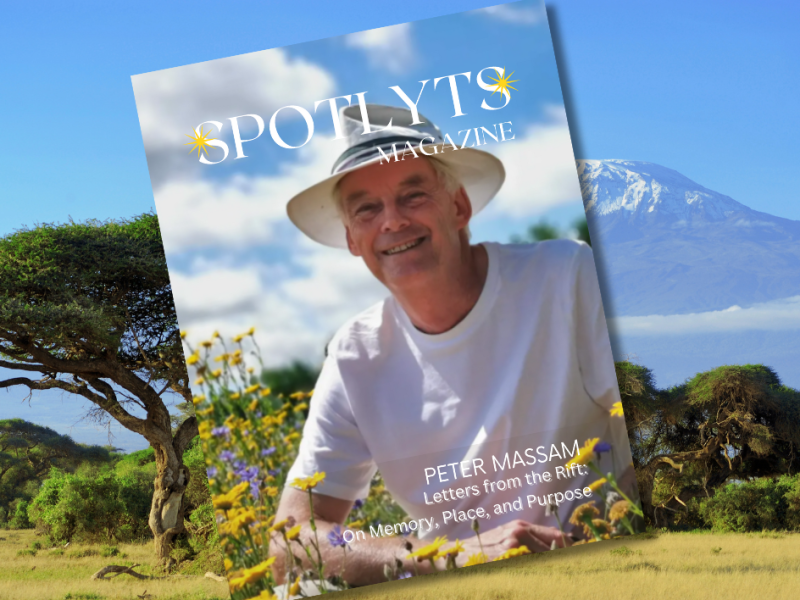
In the Spotlight: Peter Massam on Memory, Place, and Purpose
What happens when decades-old letters unlock forgotten worlds and shape how we understand culture and memory? Discover how Peter Massam’s journey reveals the power of storytelling—read the full interview to…
Keep reading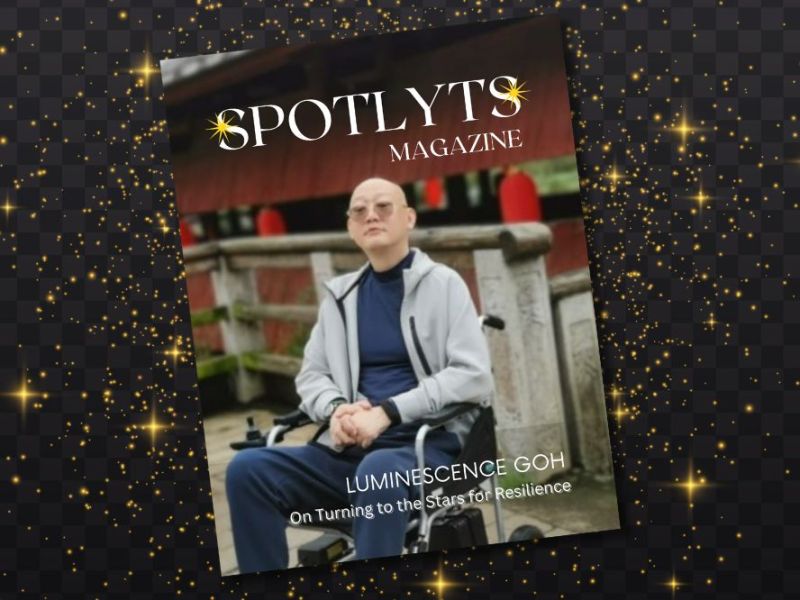
In the Spotlight: Luminescene Goh on Resilience, Identity, and Storytelling
What do astrology, fantasy fiction, and mindfulness have in common? You might be surprised. Discover how these seemingly different elements come together in a writer’s journey to inspire and empower…
Keep readingSomething went wrong. Please refresh the page and/or try again.

 Spotlyts

Leave a comment