

“Creativity is contagious, pass it on.”
– Albert Einstein
Like the maestro, Albert Einstein, said, creativity is indeed contagious. It is no wonder that art, music, and tradition bring us all together. They create an inexplicable bond of connectivity and unite us all.
Art has the power to unify a community. Art festivals, murals, art classes, and public displays of art infuse us with a spirit of collaboration. It gives a platform to co-creators to share new ideas and thoughts leading to innovative creations. Art brings together people from diverse backgrounds and gives them a common ground to connect on. It has the power to reflect society itself. It gives voice to the dreams, hopes, aspirations, disillusions, and heartbreaks of people. Naturally, it is seen that many a time, art becomes a platform for new movements. It connects people from all around the world.
It is rightfully said that music is the universal language of humanity. In fact, we humans have a special part of our brain that is dedicated to processing music. Listening to music or performing together leads to closeness as it releases endorphins. Music also plays an important role in creating a global identity. People connect with tunes irrespective of race, ethnicity, country, or religion. Music strengthens relationships and invokes a sense of community. Music is not only enjoyable but also an essential tool of social bonding. It leads to greater empathy, better mood, and increased connectedness. Unsurprisingly, people from around the world converge together for concerts and music festivals. Musicians like Michael Jackson, Madonna, Elvis Presley, John Lennon, Kishore Kumar, and R.D. Burman, among many others, become icons and are worshipped worldwide.
Just like art and music, tradition has a way of connecting people not only across borders but also generations. Shared memories and values make people feel secure. Traditions create a sense of belonging and help people feel like a part of a community. It helps pass down values and beliefs to our descendants. Tradition has a way of evoking positive memories and infusing us with a sense of affection. It feels with warmth. One of the most important values of tradition is its ability to connect us with our past and rediscover our roots.
Every corner of the world has its own art, music, and traditions. With globalization, everything is now at our very fingertips. From pop music to tribal songs, from abstract paintings to regional art, we now have access to all. We are aware of the traditions of different communities around the world. With this, we have become aware of how similar as well as different we are from our fellow humans. By connecting with the art, music, and traditions of different parts of our vast world, we have learned a new definition of togetherness. Indeed, we have rightfully become a global community by adopting different cultural nuances and traditions.
Let us have a look at how art, music, and tradition have brought about togetherness through a global lens.
Art, Music, And Tradition Foster Global Unity
One of the most fascinating things about art, music, and tradition is their ability to carry history and emotion in ways that words alone cannot. They serve as living, evolving expressions of identity that invite people from different backgrounds to engage, reflect, and even participate. When cultures mix creatively—through music collaborations, shared artistic techniques, or blended traditions—new forms of connection emerge that go beyond politics or language barriers.
A great example is the annual Gnaoua World Music Festival in Morocco. Originally rooted in Gnaoua spiritual music, which traces its origins to West African heritage, the festival has grown into a global gathering where jazz, blues, rock, and even electronic artists perform alongside traditional Gnaoua musicians. This fusion has introduced the hypnotic rhythms of Gnaoua to audiences who might never have encountered them otherwise, creating an exchange where cultures don’t just coexist—they enrich each other. Events like this prove that cultural traditions aren’t just preserved; they evolve, drawing people into meaningful dialogue through shared artistic experiences.
Hamzah Khadim, SEO Expert, Logik Digital
Butoh Dance Creates Shared Emotional Space
Can turning inward connect us to others? Butoh, the avant-garde Japanese dance-theater, proves that it can. Stripped of excess, rooted in precision and flow, Butoh creates a shared emotional space where people from vastly different cultures can move as one.
At first glance, Butoh feels deeply personal—almost like a private meditation. But paradoxically, that inner focus creates profound human connection. Butoh master Katsura Kan taught us that the essence of Butoh is not just slowness but a continuous, full-bodied presence—a state where every movement is intentional, every form fully realized, without breaks. Science supports this: studies show that mindful movement enhances empathy by activating mirror neurons (Gallese, 2007). When I performed Yuki with Kan, our cast—spanning the USA, New Zealand, Russia, and Australia—became attuned to each other without words. The dance itself became our shared language.
In Belgrade, I introduced my acting students at “New Roles” to Butoh through Daniil Kharms’ absurdist stories. Each performer brought their own experiences—some were migrants, some were processing war and loss, others were simply searching for meaning. Butoh gave them a way to express it all—wordlessly, powerfully. The performance wasn’t just theater; it was a collective act of understanding.
Butoh was born in post-war Japan, but it carries the spirit of German Expressionism, Surrealism, and Dadaism. Now, it’s returned to the West with full force. The Butoh World Organization reports that over 30 countries have active Butoh communities. From underground performances in Berlin to workshops in Sao Paulo, Butoh speaks to something universal.
In a world divided by language, politics, and ideology, Butoh reminds us that we are more alike than different. It’s a dance, a meditation, and a form of therapy all at once—a space where fluidity brings us closer, and silence speaks louder than words.
Dim Zenkov, Drama director, acting instructor, storytelling researcher, New Roles Acting Academy | Kamon-Kamon International Theatre
Art, Music, And Tradition Transcend Barriers
Art, music, and tradition serve as powerful conduits for fostering togetherness and cross-cultural understanding on a global scale. By transcending linguistic and geographical barriers, these cultural expressions enable individuals from diverse backgrounds to connect, share experiences, and appreciate each other’s heritage.
1. Art as a Universal Language – Visual art transcends spoken language, allowing people to convey emotions, stories, and cultural narratives through imagery. Collaborative art projects, such as international exhibitions and cultural exchange programs, provide platforms for artists from different cultures to showcase their work, facilitating mutual appreciation and understanding.
2. Music Bridging Cultural Divides – Music’s universal appeal lies in its ability to evoke emotions and convey messages without words. Cross-cultural musical collaborations blend diverse genres and traditions, creating harmonious fusions that resonate with global audiences. For instance, Afrobeat combines traditional African rhythms with jazz, funk, and soul influences, introducing African musical heritage to a broader audience and fostering cross-cultural appreciation.
3. Traditions Promoting Cultural Exchange – Traditional practices, including festivals, rituals, and crafts, offer immersive experiences that invite participation and learning. Engaging in these activities allows individuals to gain firsthand insight into different cultural values and customs. For example, Palau, a Pacific island nation, encourages tourists to explore its cultural heritage through village tours and traditional handicraft workshops, promoting cross-cultural understanding and appreciation.
Noh, a traditional form of Japanese theater, exemplifies how cultural art forms can inspire and influence artists worldwide. Western composers such as Benjamin Britten and Harry Partch have drawn inspiration from Noh’s stylized performances, integrating its elements into their compositions. This cross-cultural exchange enriches the global arts scene and fosters a deeper understanding of Japanese cultural traditions.
In summary, the integration and appreciation of diverse art forms, musical genres, and traditions play a vital role in uniting people across cultures. These shared experiences not only celebrate human creativity but also build bridges of understanding and respect among global communities.
Vaibhav Kamble, CEO, CloudOptimo
Eurovision Celebrates Cultural Diversity
Art, music, and tradition have an incredible way of fostering togetherness and bridging cultural divides. They act as universal languages, breaking down barriers and helping us connect on a human level.
Music has a way of cutting through everything—it’s not about where you’re from or what you believe; it’s about how it makes you feel. That emotional connection is what makes these mediums so powerful.
One example that stands out is the Eurovision Song Contest. It’s more than just a music competition—it’s a celebration of cultural diversity. When Tel Aviv hosted in 2019, people from all over the world came together to share in the joy of music, and over 200 million viewers tuned in to experience it. Events like this show how music can unite people, even if they don’t speak the same language or share the same background. It’s not just about the songs; it’s about the stories, traditions, and emotions they carry.
Closer to home, I’ve seen how local festivals that blend art, music, and food can create a sense of community. A few years ago, I attended a multicultural festival in Leeds where there were performances ranging from African drumming to Irish folk dancing. What struck me was how people from all walks of life came together—not just to watch but to participate. I ended up learning a few steps of bhangra dancing from someone I’d never met before. It was a small moment but one that stayed with me.
Art and tradition also play a role in education and empathy. When we engage with cultural expressions—whether it’s through admiring Japanese calligraphy or listening to Indigenous storytelling—we’re not just entertained; we’re learning about different ways of seeing the world. This exposure helps break down stereotypes and fosters respect.
During the pandemic, we saw how music brought people together even when they were apart. Videos of neighbors singing from balconies in Italy went viral because they captured something universal—the need for connection during tough times.
These shared experiences remind us of our common humanity. Whether it’s through a painting, a song, or a traditional dance, art and culture give us a way to celebrate our differences while finding common ground. When words fail, music and art step in—they remind us we’re all part of the same story.
Sally Johnson, Owner, Green Light Booking, LLC
Art And Music Connect People Universally
You know, there’s something really special about the way art, music, and traditions bring people together across different cultures. They act like universal languages that everyone, no matter where they’re from, can appreciate and enjoy. Think about music—how a song’s melody or rhythm can make you feel connected to someone else’s emotions and experiences even if the lyrics are in a language you don’t understand.
Take, for instance, the story of the song “Hallelujah” by Leonard Cohen. It’s been covered by artists from various countries and in many languages, connecting diverse audiences through its powerful emotional resonance. Similarly, traditional festivals like Diwali in India or Carnival in Brazil attract and unify people globally, showcasing the rich culture and heritage of these countries while fostering a spirit of togetherness.
These examples show how shared artistic and cultural experiences can build bridges, fostering understanding and empathy among people from different backgrounds. Isn’t it wonderful how much we can learn and feel just by sharing and celebrating different forms of expression?
Alex Cornici, Writer, The Traveler
Cross-Cultural Music Collaborations Foster Unity
Art, music, and tradition are among the most powerful forces for fostering unity and cross-cultural understanding. They transcend language barriers, evoke shared emotions, and create spaces where diverse perspectives can coexist. A compelling example of this is the rise of cross-cultural musical collaborations where traditional instruments like the Indian sitar or the Middle Eastern oud blend seamlessly with Western symphonies or jazz. These collaborations don’t just produce beautiful music; they tell stories of cultural fusion, mutual respect, and creative evolution.
Similarly, traditions like communal festivals or storytelling gatherings serve as living bridges between generations and cultures, preserving heritage while inviting new interpretations. When people experience another culture through its art, whether by listening to a song, watching a dance, or tasting a traditional dish, they engage on a deeper, more personal level. This emotional connection fosters empathy, challenges stereotypes, and encourages meaningful conversations, making the world a little smaller and a lot more connected.
Anupa Rongala, CEO, Invensis Technologies
Art, Music, And Tradition Enhance Learning
So much of cultural understanding starts in the classroom. Art, music, and tradition make learning more than just memorizing facts. A history lesson on the Renaissance means more when students paint in the style of the time. A discussion on migration sticks when students hear traditional songs that traveled across continents. These experiences turn abstract concepts into something real, something they can feel.
Schools have used technology to bridge cultural gaps. A group of students in Australia once connected with a school in Japan through a shared mural project. Each class painted a section reflecting their local environment, then merged the pieces digitally. It was simple, but it worked. They learned about each other’s worlds through color and imagery rather than textbooks. That’s the kind of learning that stays with them.
Andreea Tucan, Marketing Lead – UK & IE, Compass Education
Afrobeat Music Bridges Cultural Divides
Art, music, and tradition have a unique way of breaking down barriers and connecting people beyond language or geography. They carry shared human emotions–joy, sorrow, love, resilience–that resonate across cultures, making it easier for people from different backgrounds to find common ground. When communities share their artistic expressions, whether through visual storytelling, rhythmic beats, or ancient rituals, they create spaces for dialogue, appreciation, and empathy.
A great example is the global rise of Afrobeat music. Originating in Nigeria, Afrobeat blends traditional African rhythms with jazz, funk, and highlife, and in recent years, it has exploded worldwide, influencing everything from pop to hip-hop. Artists like Burna Boy and Wizkid have introduced audiences across the globe to African culture, not just through music but also through fashion, dance, and storytelling. This musical exchange fosters a deeper appreciation for African heritage while inspiring collaborations between artists from different cultures. It’s a perfect case of how art serves as a bridge, connecting people in ways that politics or economics often fail to do.
Claudia Mora, Senior Marketing Coordinator, Richards-Wilcox Canada
Coldplay Concerts Create Global Unity
Music has always been a universal language, and Coldplay is a great example of how a band can bring together fans from all over the world. Their concerts create a unique sense of unity through music, visuals, and interactive elements that engage audiences on a deeper level.
One way Coldplay creates that connection is by incorporating cultural elements into their music and live shows. From collaborating with artists from different backgrounds to performing in multiple languages, they make an effort to reach people beyond language or geography. Songs like “Hymn for the Weekend,” which features Indian-inspired visuals and elements, or “Let Somebody Go,” a collaboration with Selena Gomez, show how mixing different styles can create something universally relatable.
At their concerts, they also use LED wristbands that light up in sync with the music, turning massive stadiums into glowing, connected spaces. It’s more than just a show; it’s a shared experience where thousands of people from different walks of life come together, singing the same lyrics, feeling the same energy, and creating a sense of belonging.
This kind of musical connection reminds us that no matter where we’re from, we all experience emotions in similar ways. It breaks barriers, starts conversations, and builds understanding in a way that words alone often can’t.
Bayu Prihandito, Psychology Consultant, Life Coach, Founder, Life Architekture
Silk Road Ensemble Explores Cultural Connections
Music is the universal language of emotions that transcends human-made borders and any cultural and religious barriers. We all connect through shared experiences that music describes. One great example of music inspiring global dialogue across styles and cultures from Asia, the Middle East, and Europe is Yo-Yo Ma’s Silk Road Ensemble. The cellist’s collective explores music of the Silk Road regions, highlighting how connected all these traditions are when viewed through the lens of music.
Tero Potila, Music Composer & Producer, TeroPotila.com
World Music Festival Fosters Cultural Exchange
Art, music, and cultural traditions cross language barriers, making them some of the most powerful tools for establishing camaraderie and transcultural understanding. Whether it’s within a shared melody, a traditional dance, or a festival, they forge connections among people of different backgrounds that words often cannot capture.
For instance, there’s the Los Angeles World Music Festival, where artists from across the world come together to celebrate their own and each other’s cultures and musical ancestry. At one of those, I watched a Japanese Taiko drumming group followed by a mariachi band. What was special wasn’t the performances but how the audience—people from rich cultural and social contexts—responded just as enthusiastically. People were dancing with strangers, talking about how different musical traditions share patterns of rhythm, instruments, and themes.
We see this culture live as we provide transport, geared to international festivals and events. In an artistic encounter of guests from Taiwan and Sweden, relationships formed are longer than mere events. In celebrating and sharing art, music, and traditions, we don’t just entertain, we bridge cultures and promote global unity.
Arsen Misakyan, CEO and Founder, LAXcar
Concerts Promote Cross-Cultural Understanding
Concerts foster togetherness and cross-cultural understanding by creating shared emotional experiences that transcend language and borders. Events like Live Aid (1985) united millions worldwide through music, raising over $125 million for famine relief. Modern festivals like Coachella and Rock in Rio continue to bring diverse artists and audiences together, promoting unity and cultural exchange.
Ali Benmoussa, CEO, Tickethold
Architecture Reflects Cultural Evolution
Architecture carries history. The arches of Moorish Spain, the symmetry of Japanese gardens, the grandeur of Victorian homes—each tells a story of the people who built them. When these styles mix, they don’t erase history; they build on it. A home designed with inspiration from multiple cultures isn’t just an aesthetic choice. It’s a reflection of how traditions evolve and interact.
We worked on a bathroom renovation where the client wanted something that reflected both their British roots and their North African heritage. The result was a modern space with handcrafted Moroccan tiles and sleek brass fittings. The blend worked because it was intentional. Their home became a place where both cultures coexisted, not as separate elements but as part of a whole. That’s the kind of design that feels personal.
Dimitri Zobnin, Managing Director, House of Enki
We’d love to hear from you!
Art, music, and tradition have an incredible way of connecting people across cultures and fostering unity. What are your thoughts on the power of shared artistic experiences? Let’s start a conversation:
- Which artistic or musical tradition has inspired you to learn more about another culture?
- Have you ever participated in a festival or event that brought people from different backgrounds together? What was the experience like?
- In your opinion, how can art and music help bridge divides in today’s world?
Share your insights in the comments below — your perspective can inspire others!
DISCLAIMER: Spotlyts Magazine does not provide any form of professional advice. All content is for informational purposes only, and the views expressed are those of individual contributors and may not reflect the official position of Spotlyts Magazine. While we strive for accuracy and follow editorial standards, we make no guarantees regarding the completeness or reliability of the content. Readers are encouraged to conduct their own research and seek professional assistance tailored to their specific needs. Any links included are for reference only, and Spotlyts Magazine is not responsible for the content or availability of external sites. For more details, please visit our full Disclaimer, Privacy Policy, and Terms of Service.
Highlight of the Day
“With great power comes great responsibility.”
— Uncle Ben, Spider-Man
More Stories for You
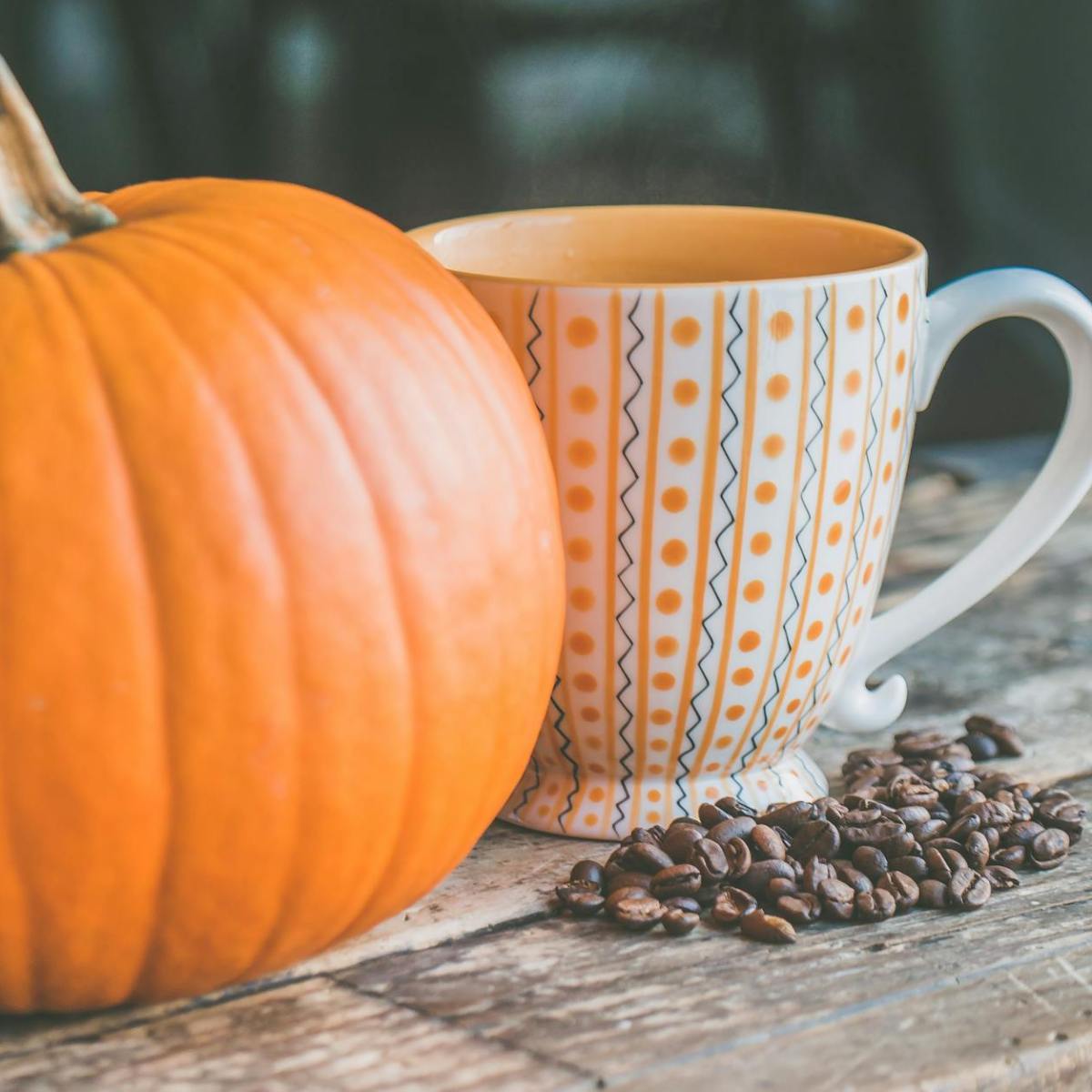
Seasonal Rituals Inspire Global Communities
Ever wondered why we instinctively gather or celebrate when seasons change? This roundup explores how different cultures ritualize nature’s cycles—and what we can learn from these timeless patterns.
Keep reading
The Deal by Nazia Kamali (Short Fiction)
What does a familiar bar reveal when no one is watching? This piece invites readers inside shifts, hidden rituals, and a looming surprise.
Keep reading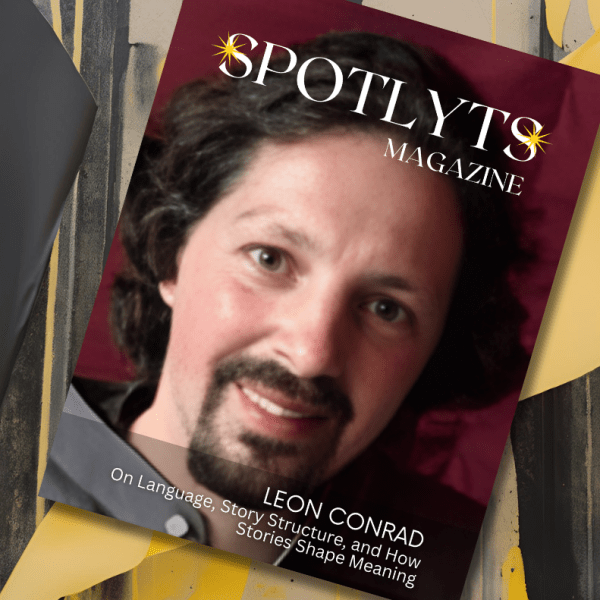
In the Spotlight: Leon Conrad on Language, Story Structure, and How Stories Shape Meaning
Why do some stories feel instinctively right while others fall flat—even when we can’t explain why? This interview explores how story structures shape meaning and invites readers to discover the answer.
Keep reading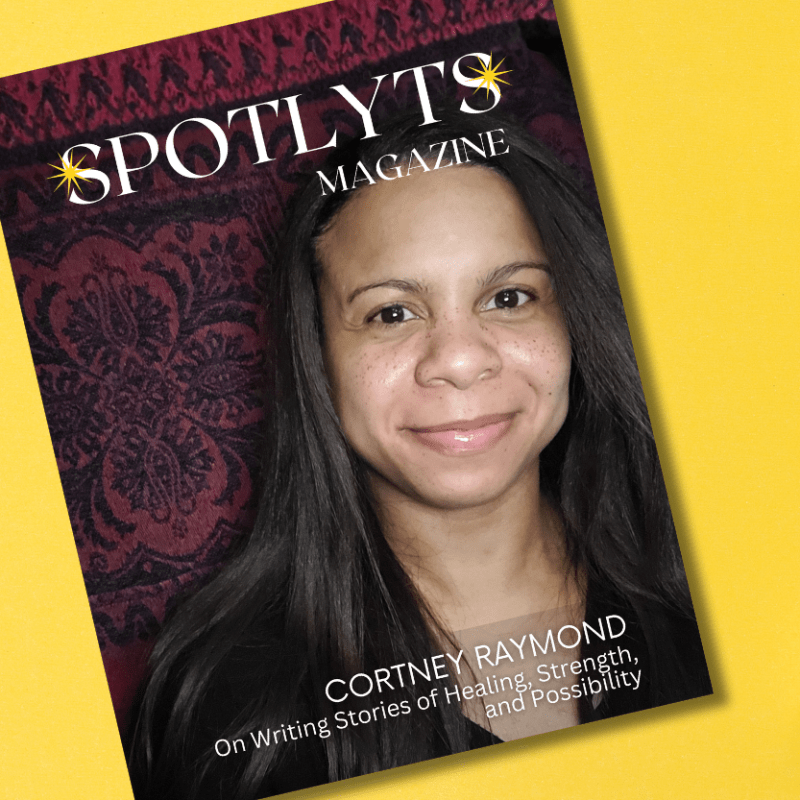
In the Spotlight: Cortney Raymond on Writing Stories of Healing, Strength, and Possibility
Ever wondered what it’s like to write stories that give hope to people who’ve endured trauma? Discover how Cortney Raymond blends real-life experiences and imagination to create resilience, strength, and possibility.
Keep readingSomething went wrong. Please refresh the page and/or try again.

 Spotlyts
Leave a comment