
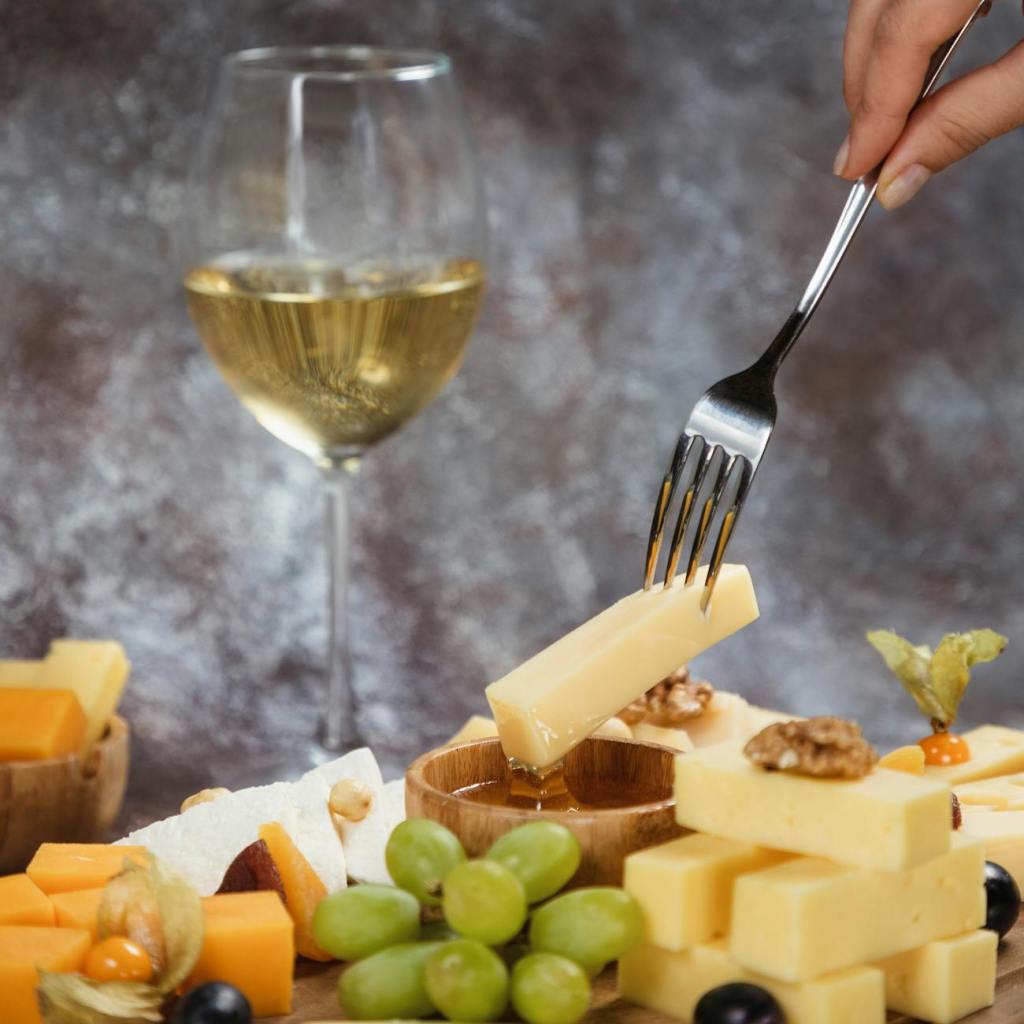
Have you ever wondered why some foods taste incredible while others make you cringe? The experience of flavor isn’t just about the food itself—it’s a fascinating interaction between our taste buds and brain.
The Role of Taste Buds
Taste buds are tiny sensory organs located on the tongue, throat, and even the roof of your mouth. Each taste bud contains about 50–100 receptor cells, which detect five primary tastes:
- Sweet – Signals energy-rich foods, often linked to sugars.
- Salty – Essential for maintaining electrolyte balance.
- Sour – Helps detect acidity, which can indicate ripeness or spoilage.
- Bitter – Often a warning sign of potential toxins.
- Umami – The savory taste, associated with amino acids like glutamate (found in meats, cheese, and mushrooms).
When food molecules interact with these receptors, they send signals to the brain via the gustatory nerves, which help interpret what we’re tasting.
The Brain’s Influence on Flavor
While our taste buds detect basic tastes, the brain plays a crucial role in shaping how we perceive flavor. Several key factors influence this:
- Smell – About 80% of what we consider “taste” actually comes from our sense of smell. This is why food seems bland when you have a stuffy nose.
- Texture and Temperature – Our brain factors in how food feels (crunchy, creamy, chewy) and its temperature (warm soup versus cold ice cream).
- Memory and Emotion – Past experiences shape how we perceive flavors. A favorite childhood dish might taste better because of nostalgia.
- Genetics – Some people are more sensitive to certain tastes, like bitterness, due to genetic variations in taste receptors.
Why Do We Have Favorite Flavors?
Our preferences are shaped by biology, culture, and personal experiences. Babies naturally prefer sweet foods (as breast milk is slightly sweet), while exposure to different cuisines and flavors over time can expand or change our tastes.
Understanding the science of taste can help us appreciate food in a new way, from enjoying complex flavors in gourmet meals to understanding why we crave certain snacks. So next time you eat, take a moment to savor the intricate dance between your taste buds and brain!
Share Your Insights
Curious about how taste works for you? Share your thoughts in the comments!
- What’s a food you loved as a child but dislike now?
- Have you ever experienced a flavor that changed based on your mood?
- What’s the strangest food combination you’ve ever enjoyed?
DISCLAIMER: Spotlyts Magazine does not provide any form of professional advice. All content is for informational purposes only, and the views expressed are those of individual contributors and may not reflect the official position of Spotlyts Magazine. While we strive for accuracy and follow editorial standards, we make no guarantees regarding the completeness or reliability of the content. Readers are encouraged to conduct their own research and seek professional assistance tailored to their specific needs. Any links included are for reference only, and Spotlyts Magazine is not responsible for the content or availability of external sites. For more details, please visit our full Disclaimer, Privacy Policy, and Terms of Service.
Highlight of the Day
“With great power comes great responsibility.”
— Uncle Ben, Spider-Man
More Stories for You
Seasonal Rituals Inspire Global Communities
Ever wondered why we instinctively gather or celebrate when seasons change? This roundup explores how different cultures ritualize nature’s cycles—and what we can learn from these timeless patterns.
Keep reading
The Deal by Nazia Kamali (Short Fiction)
What does a familiar bar reveal when no one is watching? This piece invites readers inside shifts, hidden rituals, and a looming surprise.
Keep reading
In the Spotlight: Leon Conrad on Language, Story Structure, and How Stories Shape Meaning
Why do some stories feel instinctively right while others fall flat—even when we can’t explain why? This interview explores how story structures shape meaning and invites readers to discover the answer.
Keep reading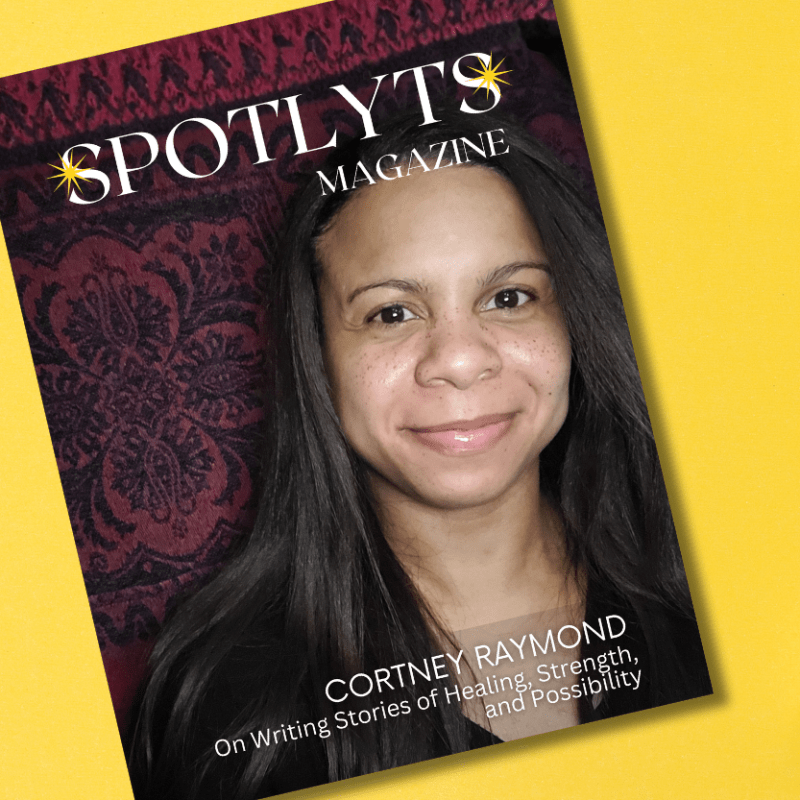
In the Spotlight: Cortney Raymond on Writing Stories of Healing, Strength, and Possibility
Ever wondered what it’s like to write stories that give hope to people who’ve endured trauma? Discover how Cortney Raymond blends real-life experiences and imagination to create resilience, strength, and possibility.
Keep readingSomething went wrong. Please refresh the page and/or try again.

 Spotlyts
Leave a comment