
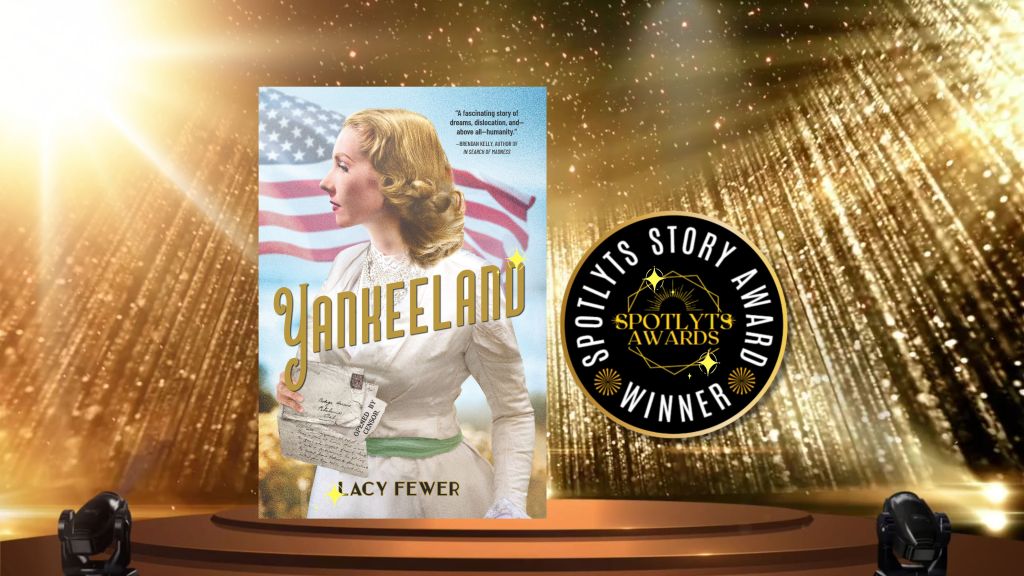
Have you ever felt that history has quietly erased stories that should have been shouted from the rooftops? In Yankeeland, Lacy Fewer’s historical fiction unearths one such tale, forcing us to reconsider the past we think we know. Through this review, you’ll see how the American Dream was not always a dream—and how one woman’s struggle against fate still echoes today.
The Immigrant’s Nightmare
We love to romanticize the immigrant experience. Ellis Island, golden opportunities, rags-to-riches transformations—these are the myths we tell ourselves. But what if the migrant’s dream was a mirage, especially for those without power? Yankeeland rips apart the cozy nostalgia and replaces it with a harrowing yet deeply human reality.
At the heart of the novel is Brigid Kelly, an ambitious Irishwoman who leaves behind the familiar confines of her homeland, seeking a brighter future in the states. But instead of boundless freedom, she finds a world where women’s voices are ignored, where mental health is misunderstood, and where the very institutions meant to help the vulnerable often become their prisons.
Beyond the Usual Immigrant Tale
A History Few Talk About
Brigid’s journey is more than a personal struggle—it reflects a brutal chapter in history. The novel takes us into the early 20th-century, where a wave of eugenics policies led to the forced sterilization of thousands, particularly those deemed “unfit” by a patriarchal medical system. Brigid, caught in this web of control, seeks help for her fertility issues, only to be permanently robbed of her ability to have children.
This isn’t just fiction—it’s historical reality. Between 1909 and 1979, in one country’s state alone sterilized over 20,000 people under its eugenics laws, disproportionately targeting women, the poor, and immigrants. Yankeeland doesn’t just hint at this; it makes us live it through Brigid’s loss.
Misogyny in Medicine: A Timeless Struggle
When Brigid’s emotional distress is dismissed as “hysteria,” it’s not just a product of the early 1900s—it’s a reflection of a medical system that still, to this day, underestimates women’s pain and agency. Consider the fact that as recently as the 21st century, studies have shown that women’s pain is less likely to be taken seriously in emergency rooms. Brigid’s fate is not some long-forgotten relic; it is a grim reminder of an ongoing problem.
Brigid Kelly vs. The System: A Universal Struggle
Dreaming in Chains
Brigid’s story is an immigrant’s story, yes. But it’s also the story of anyone who has dared to dream beyond the boundaries imposed upon them. In her, we see echoes of every woman who has been told “no” simply for wanting more.
Fewer crafts Brigid’s journey with stunning detail, making us feel every small triumph and every crushing defeat. From her early days in Ireland, where she imagined a life filled with adventure, to the suffocating realization that she is trapped in a country that doesn’t see her as a person, Brigid remains heartbreakingly real.
One can’t help but think of James Baldwin’s words:
“Perhaps home is not a place but simply an irrevocable condition.”
Brigid left home, hoping to create a new one, only to find herself in a different kind of exile.
A Book That Lingers
Unlike many historical novels that wrap things up neatly, Yankeeland refuses to let us off the hook. It forces us to ask difficult questions:
- How much has really changed for women seeking autonomy?
- How do we reckon with the injustices baked into our history?
- Are we, even now, failing to hear the voices that need us most?
Fewer doesn’t just want us to read Yankeeland. She wants us to remember.
And once you’ve walked in Brigid Kelly’s shoes, you’ll find it impossible to forget.
Content Warning
This review discusses themes of mental health struggles, forced sterilization, misogyny, and the challenges faced by immigrants, all of which are central to Yankeeland. While the novel remains accessible to a general audience, readers should be aware of its emotionally intense subject matter.
Spotlyts Story Award

The above story/stories or storyteller(s) won the Spotlyts Story Award.
Throughout the year, standout stories are selected to receive the Spotlyts Story Award. This accolade celebrates storytelling in all its forms, including:
- Written works: fiction, nonfiction, essays, articles, and poetry
- Visual storytelling: photos, photo essays, and videos
- Multimedia content: story websites, blog articles, social media posts, short films, and other digital creations
Winning a Spotlyts Story Award doesn’t just mean recognition today—it also earns a nomination for the annual Story of the Year Award titles.
Request for a review of your book and have it nominated for the award here.
To nominate for a non-book category of the award or to know more about the award, click here.
DISCLAIMER: Spotlyts Magazine does not provide any form of professional advice. All content is for informational purposes only, and the views expressed are those of individual contributors and may not reflect the official position of Spotlyts Magazine. While we strive for accuracy and follow editorial standards, we make no guarantees regarding the completeness or reliability of the content. Readers are encouraged to conduct their own research and seek professional assistance tailored to their specific needs. Any links included are for reference only, and Spotlyts Magazine is not responsible for the content or availability of external sites. For more details, please visit our full Disclaimer, Privacy Policy, and Terms of Service.
Highlight of the Day
“With great power comes great responsibility.”
— Uncle Ben, Spider-Man
More Stories for You

Seasonal Rituals Inspire Global Communities
Ever wondered why we instinctively gather or celebrate when seasons change? This roundup explores how different cultures ritualize nature’s cycles—and what we can learn from these timeless patterns.
Keep reading
The Deal by Nazia Kamali (Short Fiction)
What does a familiar bar reveal when no one is watching? This piece invites readers inside shifts, hidden rituals, and a looming surprise.
Keep reading
In the Spotlight: Leon Conrad on Language, Story Structure, and How Stories Shape Meaning
Why do some stories feel instinctively right while others fall flat—even when we can’t explain why? This interview explores how story structures shape meaning and invites readers to discover the answer.
Keep reading
In the Spotlight: Cortney Raymond on Writing Stories of Healing, Strength, and Possibility
Ever wondered what it’s like to write stories that give hope to people who’ve endured trauma? Discover how Cortney Raymond blends real-life experiences and imagination to create resilience, strength, and possibility.
Keep readingSomething went wrong. Please refresh the page and/or try again.
Related Posts
Bridges of Words: Haikus Uniting Cultures from 57 Countries of the World by Esperanza Pretila
This book feels like a passport—not stamped with borders, but with moments.
Keep reading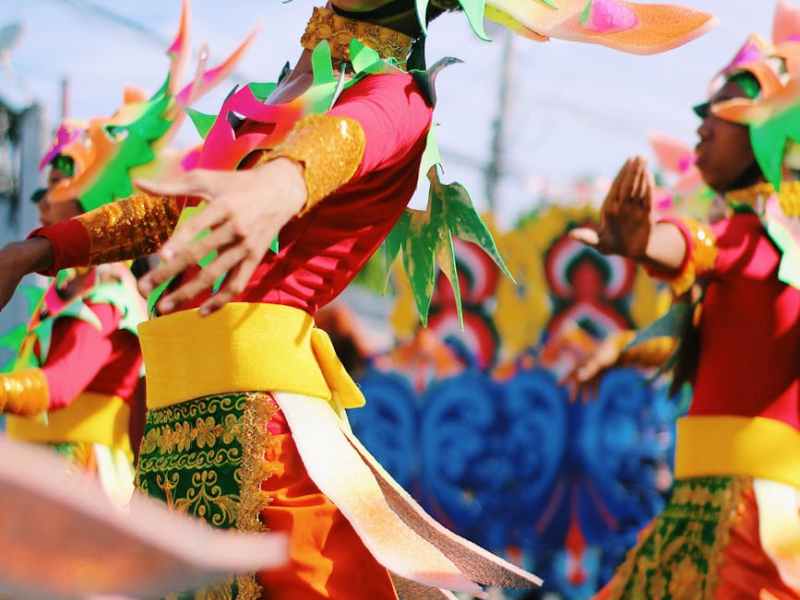
The Cultural Stories Giving People Strength and Identity Today
What if a forgotten memoir or a single song could rewrite how you see yourself and your culture? Discover surprising stories that challenge identity—read on to explore these powerful personal…
Keep reading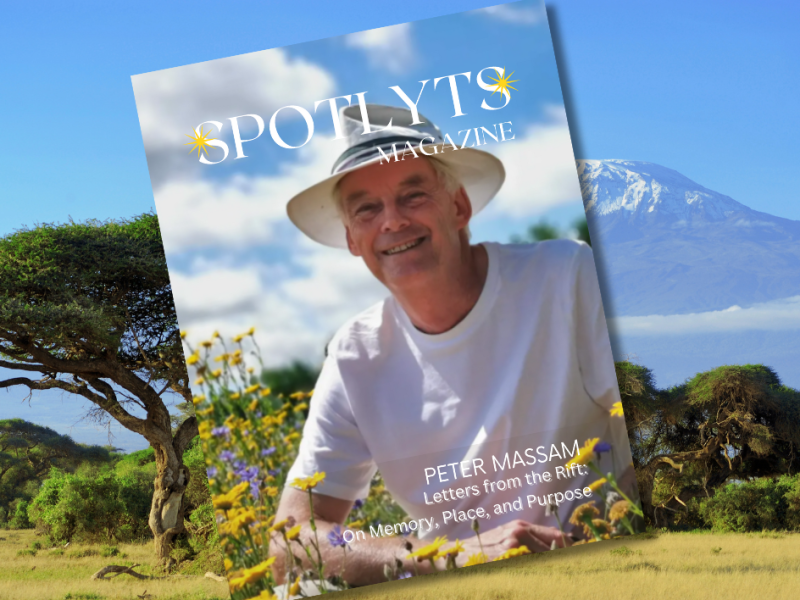
In the Spotlight: Peter Massam on Memory, Place, and Purpose
What happens when decades-old letters unlock forgotten worlds and shape how we understand culture and memory? Discover how Peter Massam’s journey reveals the power of storytelling—read the full interview to…
Keep reading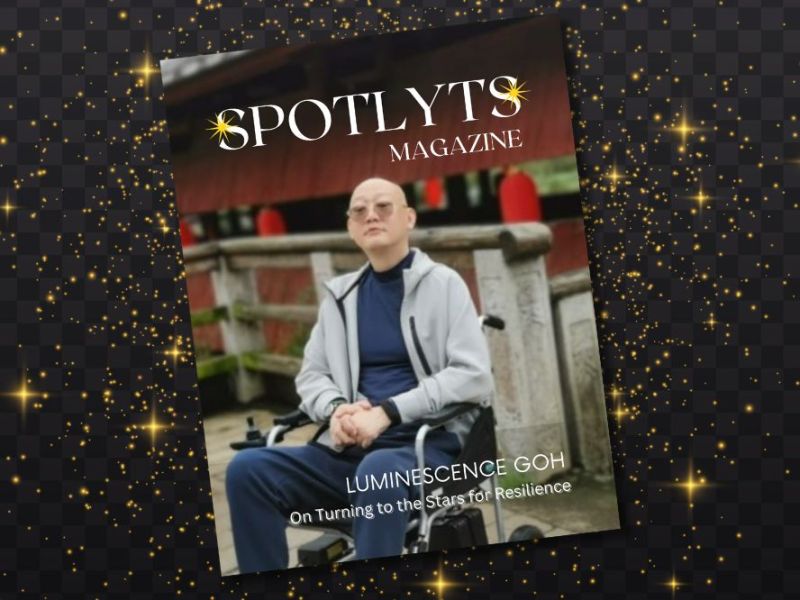
In the Spotlight: Luminescene Goh on Resilience, Identity, and Storytelling
What do astrology, fantasy fiction, and mindfulness have in common? You might be surprised. Discover how these seemingly different elements come together in a writer’s journey to inspire and empower…
Keep readingSomething went wrong. Please refresh the page and/or try again.

 Spotlyts
Leave a comment