
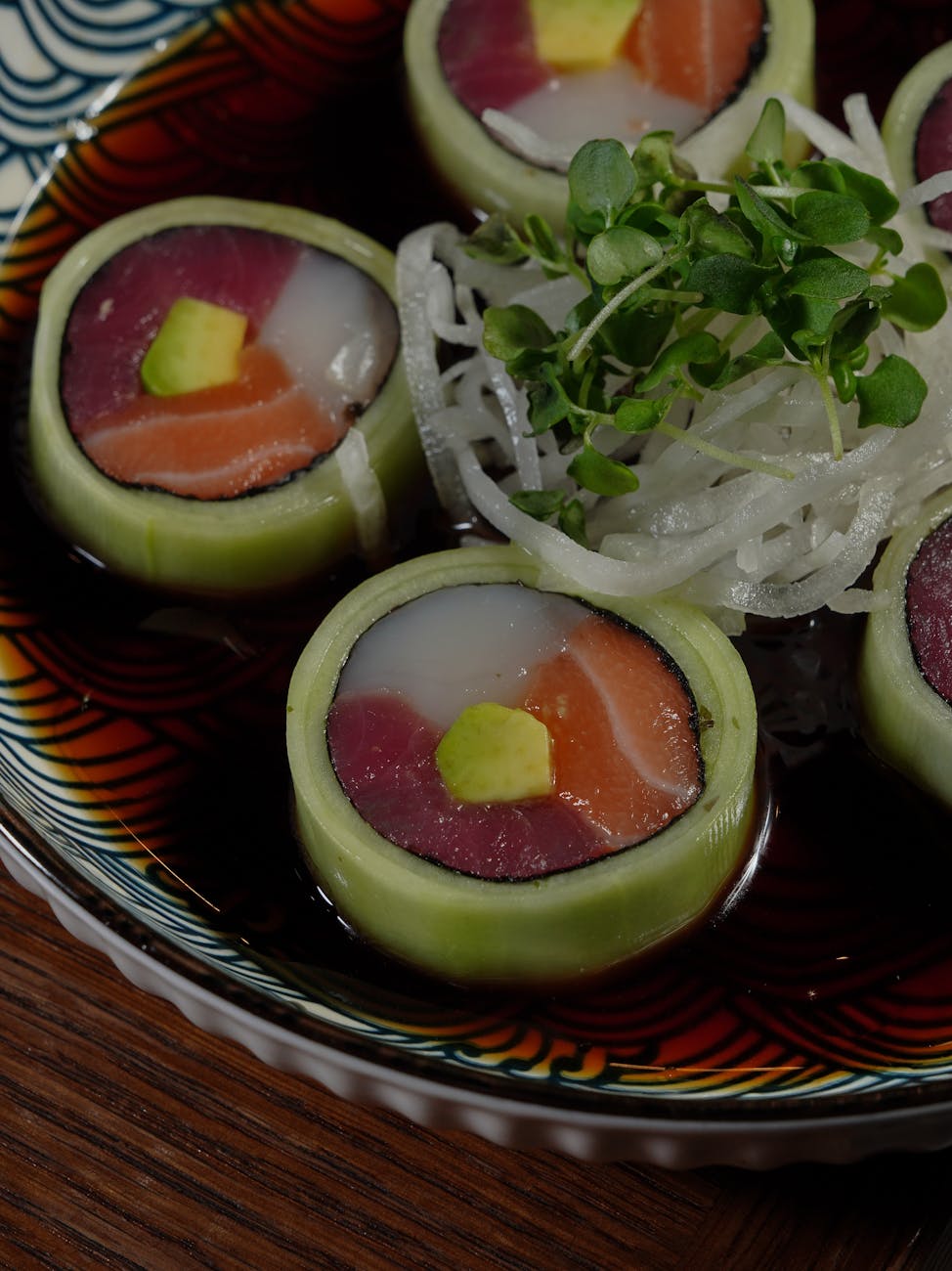
What makes a dish truly authentic? Is it the ingredients, the cooking method, or the stories passed down through generations? Food is more than just sustenance—it’s a reflection of history, culture, and identity. From the spice-laden street foods of Southeast Asia to the slow-cooked stews of the Mediterranean, each bite tells a tale of tradition, migration, and innovation.
As Anthony Bourdain once said, “Food is everything we are. It’s an extension of nationalist feeling, ethnic feeling, your personal history, your province, your region, your tribe, your grandma. It’s inseparable from those from the get-go.” With that in mind, let’s explore how local and global cuisines have shaped—and continue to shape—our world.
The Heart of Regional Cooking
Local cuisines are deeply rooted in geography and history, shaped by climate, available ingredients, and cultural heritage. Whether it’s the umami-rich ramen of Japan, the smoky barbecues of the American South, or the fragrant curries of India, each dish represents a unique connection between people and place.
Take, for example, Mexico’s mole sauce, a complex blend of chillies, chocolate, and spices that traces its origins back to pre-Hispanic times. Today, there are over 50 different types of mole, each varying by region. Similarly, Moroccan tagine, a slow-cooked stew infused with aromatic spices like saffron and cinnamon, reflects centuries of trade along the Silk Road, where North African flavors merged with Middle Eastern and Mediterranean influences.
And let’s not forget Italian pasta, a staple enjoyed worldwide. While many assume Marco Polo introduced noodles from China, historical records suggest that ancient Romans were making a pasta-like dish called laganum as early as the 1st century BC!
Global Influences & Culinary Crossovers
As cultures intertwine, so do their cuisines. Fusion food is on the rise, blending elements from different culinary traditions to create exciting new flavours. Korean tacos, for instance, combine the bold spices of Korean barbecue with the classic Mexican tortilla. Sushi burritos reimagine traditional Japanese sushi in a convenient handheld form, while butter chicken pizza fuses India’s beloved dish with Italy’s iconic comfort food.
But fusion cuisine isn’t a modern phenomenon—it’s been happening for centuries. The banh mi, a staple in Vietnamese street food, originated from French colonial influence, incorporating a baguette with local ingredients like pickled vegetables and pork pâté. In Peru, chifa cuisine—a blend of Chinese and Peruvian flavors—dates back to the 19th century when Chinese immigrants adapted their traditional dishes to local ingredients. Today, Peru is home to over 6,000 chifa restaurants, proving that food evolves with history.
Preserving Tradition in a Modern World
With globalisation and fast food chains dominating the market, are we at risk of losing traditional cuisines? Some say yes—according to the UN’s Food and Agriculture Organization (FAO), three-quarters of the world’s food supply comes from just 12 plants and five animal species, reducing biodiversity and endangering culinary heritage.
But all hope is not lost. In Italy, small family-run trattorias still serve handmade pasta using centuries-old techniques. In Japan, the art of sushi-making is passed down through rigorous apprenticeships that last years. Indigenous farmers in Peru continue cultivating ancient grains like quinoa and amaranth, ensuring their place in modern cuisine. And in Spain, efforts to protect the rare black Iberian pig—used for Jamón Ibérico—showcase how preserving tradition is as much about sustainability as it is about taste.
Chefs and food historians are also reviving lost recipes. In Denmark, chef René Redzepi’s Noma, once ranked the world’s best restaurant, sparked a New Nordic Cuisine movement, focusing on locally foraged ingredients and historic Scandinavian techniques. Meanwhile, in the Philippines, culinary advocates are bringing back nearly forgotten dishes like pangat (a slow-cooked fish stew) and kinilaw (a pre-colonial raw seafood dish).
Explore the World Through Your Plate
Can food connect us to places we’ve never been? Absolutely. Whether it’s indulging in an authentic Neapolitan pizza, tasting fresh Ethiopian injera with spicy stews, or making your own Vietnamese pho at home, every meal is an opportunity to travel without leaving your table.
According to a 2023 survey, 72% of global travellers say that trying local cuisine is a key part of their travel experience. But why wait for a passport stamp? With international supermarkets, food festivals, and online cooking classes more accessible than ever, the flavours of the world are right at your fingertips.
So, what’s the next dish on your list? Will it be the fiery heat of Thai green curry, the delicate flavours of French soufflé, or the comforting warmth of Brazilian feijoada? One thing’s for sure—every dish carries a story, and the best way to understand a culture is to taste it.
Bon appétit, selamat makan, ¡buen provecho!
Share Your Insights
Food is a journey, and we’d love to hear about yours! Share your thoughts in the comments:
- What’s your favourite dish with an unexpected cultural twist?
- Have you ever tried making a traditional recipe from another country? How did it go?
- Which global cuisine do you want to explore next?
Let’s keep the conversation going! 🍽️🌍
DISCLAIMER: Spotlyts Magazine does not provide any form of professional advice. All content is for informational purposes only, and the views expressed are those of individual contributors and may not reflect the official position of Spotlyts Magazine. While we strive for accuracy and follow editorial standards, we make no guarantees regarding the completeness or reliability of the content. Readers are encouraged to conduct their own research and seek professional assistance tailored to their specific needs. Any links included are for reference only, and Spotlyts Magazine is not responsible for the content or availability of external sites. For more details, please visit our full Disclaimer, Privacy Policy, and Terms of Service.
Highlight of the Day
“With great power comes great responsibility.”
— Uncle Ben, Spider-Man
More Stories for You
Seasonal Rituals Inspire Global Communities
Ever wondered why we instinctively gather or celebrate when seasons change? This roundup explores how different cultures ritualize nature’s cycles—and what we can learn from these timeless patterns.
Keep reading
The Deal by Nazia Kamali (Short Fiction)
What does a familiar bar reveal when no one is watching? This piece invites readers inside shifts, hidden rituals, and a looming surprise.
Keep reading
In the Spotlight: Leon Conrad on Language, Story Structure, and How Stories Shape Meaning
Why do some stories feel instinctively right while others fall flat—even when we can’t explain why? This interview explores how story structures shape meaning and invites readers to discover the answer.
Keep reading
In the Spotlight: Cortney Raymond on Writing Stories of Healing, Strength, and Possibility
Ever wondered what it’s like to write stories that give hope to people who’ve endured trauma? Discover how Cortney Raymond blends real-life experiences and imagination to create resilience, strength, and possibility.
Keep readingSomething went wrong. Please refresh the page and/or try again.

 Spotlyts
Leave a comment