

As we age, the natural decline in cognitive function can seem inevitable, but research and expert insights suggest otherwise. The brain, much like the body, thrives on consistent care and stimulation. Studies have shown that simple lifestyle changes, including regular physical activity, meaningful social interactions, and proper nutrition, can significantly slow or even prevent cognitive decline. In fact, research indicates that maintaining brain health in later years can reduce the risk of dementia by up to 40%. The key to preserving mental sharpness lies in nurturing both mind and body. The following expert insights reveal practical strategies to support cognitive longevity.
Prioritize Social Connection
As a therapist working closely with other mental health and medical professionals, I often emphasize a whole-person approach to maintaining cognitive function as we age. Some of the most effective strategies I recommend are grounded in neuroscience and accessible lifestyle changes:
1. Prioritize Social Connection: Research consistently shows that meaningful relationships and social engagement protect against cognitive decline. I encourage people to foster supportive communities and seek regular connection with friends, family, or interest-based groups. Social interaction stimulates multiple brain regions and promotes emotional well-being.
2. Create Predictable Routines with Mental Flexibility: While routines can help reduce cognitive load, it’s equally important to challenge the brain with new experiences. I recommend lifelong learning, trying new hobbies, and engaging in activities that require problem-solving or creativity to keep neural pathways active and adaptive.
3. Physical Movement and Mind-Body Practices: Exercise is critical for brain health. Regular aerobic activity increases blood flow to the brain and supports neuroplasticity. I also advocate for mind-body practices such as yoga, tai chi, and mindful movement, which not only reduce stress but also improve coordination and focus—all important for cognitive longevity.
4. Addressing Stress and Emotional Health: Chronic stress and unresolved trauma can impair cognitive function. Practicing mindfulness, breathwork, and emotional regulation techniques can reduce cortisol levels and protect brain health. I often teach clients nervous system regulation strategies to improve both emotional and cognitive resilience.
5. Nutrition and Sleep: A balanced diet rich in omega-3 fatty acids, antioxidants, and whole foods supports brain health. Equally, prioritizing restorative sleep is essential for memory consolidation and cognitive processing.
Ultimately, maintaining cognitive function as we age requires a comprehensive approach that integrates social, emotional, physical, and mental health—supporting the brain and body as a connected system.
Erena DiGonis, Psychotherapist and Continuing Education Provider, EngagedMinds Continuing Education
Stay Mentally Engaged
I’ve always believed that maintaining cognitive function as we age is about consistency and balance. I think one of the best strategies is staying mentally engaged—whether that’s through reading, puzzles, or even learning a new skill. I’ve seen firsthand how people who challenge their brains regularly tend to stay sharper longer.
Physical activity is another huge factor. Exercise isn’t just for the body—it increases blood flow to the brain, which helps with memory and cognitive function. I always recommend at least 30 minutes of movement a day, whether it’s walking, yoga, or strength training.
Diet plays a big role, too. I think a Mediterranean-style diet—rich in healthy fats, lean proteins, and antioxidants—is one of the best for brain health. Foods like blueberries, salmon, and nuts are amazing for cognitive function.
And of course, sleep is non-negotiable. I’ve noticed that when people don’t prioritize sleep, their memory and focus decline quickly. Aiming for 7-9 hours of quality sleep makes a big difference.
Small, consistent changes add up.
Nick Bach, Owner and Psychologist, Grace Psychological Services, LLC
Make Small, Consistent Changes
I used to think cognitive decline was inevitable—until I saw my grandfather stay sharp into his 90s. His secret? Daily movement, lifelong learning, and a nutrient-dense diet. Inspired by him, I made small changes that dramatically improved my focus and memory.
Nutrition is key. Omega-3s from fish, flaxseeds, and walnuts protect neurons, while antioxidants from berries and leafy greens fight brain aging. Hydration is just as important—mild dehydration can impair focus.
Exercise is a game-changer. I relied on caffeine for energy until I committed to regular cardio and strength training. Aerobic exercise increases BDNF, a protein that promotes brain cell growth, while strength training reduces brain inflammation linked to cognitive decline.
Quality sleep is non-negotiable. Sleep deprivation left me mentally sluggish, but sticking to a schedule, reducing screen time, and optimizing my sleep environment improved my memory and clarity. Deep sleep consolidates memories and removes toxins linked to neurodegeneration.
Lifelong learning keeps the brain agile. My grandfather read challenging books daily, and I’ve noticed that learning new skills—like a language or instrument—sharpens focus and builds resilience.
Social interaction is crucial. Meaningful conversations and staying connected with loved ones protect against cognitive decline. Studies show social engagement strengthens memory and processing speed.
Stress management matters. Chronic stress damages the brain’s memory center. Meditation, deep breathing, and time in nature have helped me feel more mentally balanced and focused.
Small, consistent habits make all the difference. Prioritizing brain-friendly foods, staying active, getting quality sleep, challenging the mind, nurturing social connections, and managing stress are the best ways to stay sharp well into old age.
Murray Seaton, Founder and CEO / Health & Fitness Entrepreneur, Hypervibe (Vibration Plates)
Combine Mental and Physical Activities
As a psychiatric nurse practitioner, I will suggest combining mental stimulation, physical activity and social engagement to maintain good cognitive health while aging. Exercising regularly by running or swimming can help promote better blood flow to the brain. Physical activities like aerobic exercises also support good neuron growth.
One should also engage more in mentally stimulating activities like reading, puzzle solving and learning new skills—all of which will keep the mind sharp. Besides that, focusing on building and maintaining social connections can decrease the risk of cognitive decline as people age.
Eating a properly balanced diet rich in omega-3s and antioxidants can also influence brain health in a good way. Doing meditation and mindfulness exercises to reduce stress and maintaining a good sleep routine are also important in this context. People who incorporate a combination of all these practices in their daily lives and build up a habit of following them can maintain long-term strong cognitive function.
Shebna N Osanmoh, Psychiatric Nurse Practitioner, Savantcare
Adopt a 360-Degree Approach
As a Senior Rehabilitation Specialist focused on integrative and functional wellness, I’ve realized that maintaining cognitive function as we age requires a 360-degree approach that targets movement, oxygenation, nutrition, and sleep for long-term resilience.
Mindful movement practices such as Pilates, resistance training, and yoga enhance the mind-muscle connection, neuromuscular coordination, and balance, stimulating neuroplasticity to improve motor control and cognitive agility. Nutrition also plays a pivotal role, with omega-3 fatty acids, antioxidants, vitamins B and D, and magnesium providing essential support to combat oxidative stress and preserve cognitive function.
Hyperbaric Oxygen Therapy (HBOT) plays a transformative role by delivering higher concentrations of oxygen to brain tissues, reducing inflammation, promoting cellular repair, and enhancing neurogenesis and neuroplasticity, allowing the brain to adapt and rewire effectively.
Maintaining proper sleep hygiene is equally essential for cognitive preservation. A consistent sleep schedule, minimizing blue light exposure before bedtime, and creating a calm environment promote restorative sleep. Red Light Therapy further supports this by regulating circadian rhythms, enhancing melatonin production, and improving mitochondrial function—leading to deeper, rejuvenating sleep that reinforces neural pathways critical for long-term cognitive health.
By addressing these key pillars, I have witnessed how this holistic approach empowers individuals to take charge of their brain health and mitigate age-related cognitive decline.
Garima Gaur, Senior Rehabilitation Specialist
Use a Proactive Method
My vital focus involves using a proactive method that includes complete care for adult cognitive function maintenance. The combination of walking and swimming as aerobic exercises provides effective blood flow to the brain and helps develop neural plasticity. A proper diet loaded with omega-3 fatty acids and whole foods including leafy greens and berries along with nuts helps minimize inflammation while fighting oxidative stress. True restorative sleep is fundamental because this time permits the brain to remove harmful substances while creating durable memory networks.
The neural pathways stay alert through ongoing mental activities such as learning and puzzles along with new interest-based activities and strong social relationships maintain emotional and cognitive well-being. The implementation of mindfulness techniques and relaxation practices together with meditation aids in minimizing stress-induced cortisol levels to protect future brain health.
Holly Dufresne, Program Coordinator, Healthy Outlook Inc.
Nourish the Body and Mind
Maintaining cognitive function as we age starts with nourishing the body and mind. Eating whole, nutrient-rich foods—like healthy fats, antioxidants, and essential vitamins—supports brain health and reduces inflammation. Movement, whether through walking, stretching, or strength training, increases blood flow to the brain and keeps it active. Quality sleep allows the brain to detoxify and consolidate memories, making it essential for mental clarity.
Managing stress through prayer, deep breathing, or time in nature helps protect brain cells from damage. Lifelong learning, engaging conversations, and creative activities keep the mind sharp and adaptable. Staying connected with faith, family, and community adds purpose and joy, which are powerful protectors of brain health.
Dr. Sheila Walker-Carroll, Doctor of Natural Medicine, Graceful Living Health & Wellness
Balance Diet and Exercise
Maintaining cognitive function as we age is crucial for overall well-being and quality of life. A balanced diet rich in antioxidants, healthy fats, and essential vitamins, such as omega-3 fatty acids from fish and walnuts, can reduce the risk of dementia by up to 20%, as per a 2023 American Journal of Clinical Nutrition study. Regular physical activity, even as little as 35 minutes per week, can lower the risk of developing dementia by 41%, according to research published in the Times of India. Mental stimulation through puzzles, reading, and learning new skills, along with social interaction, has been shown to significantly reduce cognitive decline.
Quality sleep of 7-9 hours per night is essential for memory consolidation and brain repair, while stress management through mindfulness practices like yoga and meditation can improve attention span and protect against cognitive impairment, as highlighted in the Indian Journal of Gerontology. Additionally, regular health check-ups to manage chronic conditions like diabetes and hypertension are vital for preventing complications that affect brain health. By integrating these strategies into daily life, individuals can enhance cognitive function and lead a fulfilling, active life as they age.
Dr Chandravati, MBBS, Master Of Surgery (M.S. Obstetrics & Gynaecology), Krishna Medical Centre
Incorporate Strength Training
Strength training is one of the most overlooked ways to keep the brain sharp. I have worked with patients in their 60s and 70s who struggled with memory and focus, and after adding resistance training twice a week, they saw improvements in cognitive speed and recall. Lifting weights increases brain-derived neurotrophic factor, which helps neurons grow and stay healthy. A study on aging adults showed that strength training reduced dementia risk by 30 percent. I always suggest simple movements like squats and deadlifts because they challenge coordination and balance, forcing the brain to stay engaged. If you need more details, let me know.
Dr. Chad Walding, Co-Founder and Chief Culture Officer, NativePath
Use an Under-Desk Cycle
We emphasize the importance of both mental and physical activity in maintaining cognitive function as we age.
One effective strategy to integrate physical activity into daily routines is the use of an under-desk cycle. This unobtrusive tool allows individuals to engage in low-intensity exercise while performing tasks such as typing or reading. Research indicates that such activity can enhance cognitive performance without compromising work quality.
For instance, a study published in the Journal of the American Heart Association found that active workstations, including cycling desks, improved brain function and maintained typing accuracy, although typing speed experienced a slight reduction.
By incorporating an under-desk cycle into your daily routine, you can promote physical movement, stimulate cognitive function, and contribute to overall brain health.
Burgess Harrison, Executive Director, National Minority Health Association
Share Your Insights
We’d love to hear from you! Share your thoughts in the comments below:
- What other ideas or perspectives would you add to the discussion?
- What are your thoughts or experiences on this topic?
- Have you encountered something similar or different?
Related

Daily Habits for a Longer, Healthier Life
What if the secret to longevity isn’t hidden in a pill or potion, but in your daily habits? From exercise to sleep, find out how simple changes can help you live longer and healthier.

How to Make a Meaningful Impact on the World
What if the secret to leaving a lasting impact isn’t in grand gestures, but in your daily choices? Discover how small, intentional actions create a ripple effect—find out more in the full write-up!

In the Spotlight: Dr. Pooja A. Patel
In this interview, Dr. Patel discusses the steps involved in proactive care planning and its impact on managing physical and mental health in later life. She provides insights into how a comprehensive approach can address medical, emotional, social, and financial aspects of elder care.
DISCLAIMER: Spotlyts Magazine does not provide any form of professional advice. All content is for informational purposes only, and the views expressed are those of individual contributors and may not reflect the official position of Spotlyts Magazine. While we strive for accuracy and follow editorial standards, we make no guarantees regarding the completeness or reliability of the content. Readers are encouraged to conduct their own research and seek professional assistance tailored to their specific needs. Any links included are for reference only, and Spotlyts Magazine is not responsible for the content or availability of external sites. For more details, please visit our full Disclaimer, Privacy Policy, and Terms of Service.
Highlight of the Day
“With great power comes great responsibility.”
— Uncle Ben, Spider-Man
More Stories for You

Seasonal Rituals Inspire Global Communities
Ever wondered why we instinctively gather or celebrate when seasons change? This roundup explores how different cultures ritualize nature’s cycles—and what we can learn from these timeless patterns.
Keep reading
The Deal by Nazia Kamali (Short Fiction)
What does a familiar bar reveal when no one is watching? This piece invites readers inside shifts, hidden rituals, and a looming surprise.
Keep reading
In the Spotlight: Leon Conrad on Language, Story Structure, and How Stories Shape Meaning
Why do some stories feel instinctively right while others fall flat—even when we can’t explain why? This interview explores how story structures shape meaning and invites readers to discover the answer.
Keep reading
In the Spotlight: Cortney Raymond on Writing Stories of Healing, Strength, and Possibility
Ever wondered what it’s like to write stories that give hope to people who’ve endured trauma? Discover how Cortney Raymond blends real-life experiences and imagination to create resilience, strength, and possibility.
Keep readingSomething went wrong. Please refresh the page and/or try again.
More Highlights

The Most Underrated Changes Coming Soon
Not all game-changing trends are obvious. Industry leaders reveal the underappreciated shifts quietly shaping the next five years—before they become impossible to ignore.
Keep reading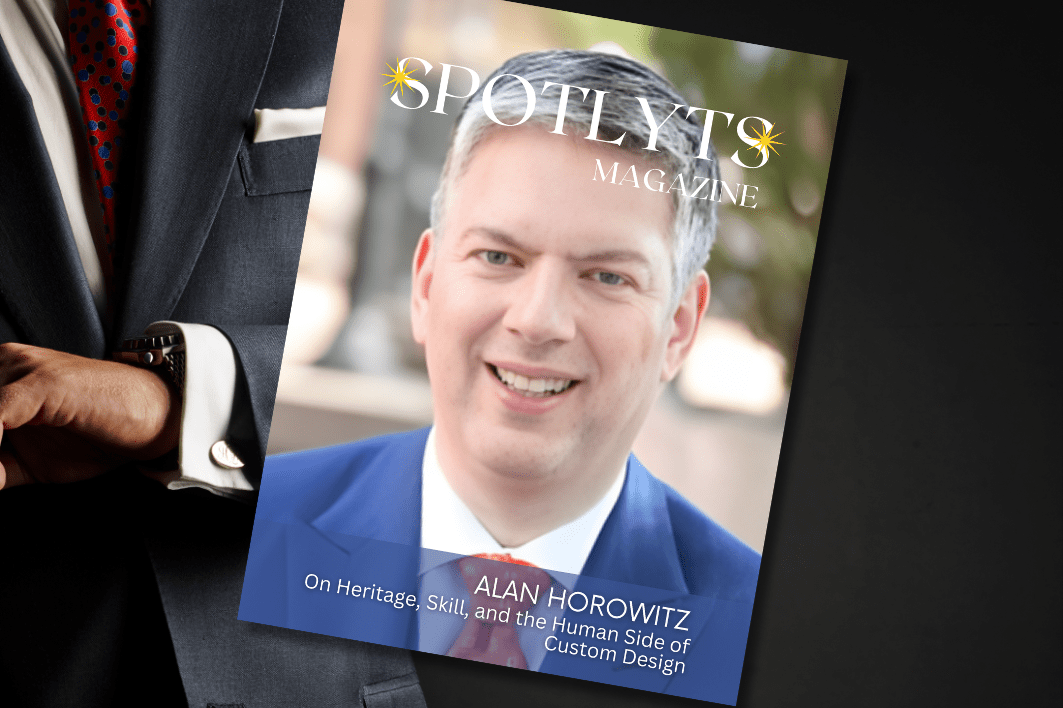
In the Spotlight: Alan Horowitz on Heritage, Skill, and the Human Side of Custom Design
What happens when decades of family tradition meet modern demands for fit, quality, and purpose? Discover how Alan David Horowitz adapts bespoke tailoring to today’s world in this interview.
Keep reading
In the Spotlight: David W. Berner on Writing, Observation, and Turning Life into Stories
What if time itself were the story’s quiet narrator? This interview explores how a writer reflects on aging, creativity, and attention—inviting readers to discover the answers by reading the full conversation.
Keep reading
Announcing the Spotlyts Awards Winners: Celebrating Stories That Matter
Here now are the winners of the Spotlyts Awards 2025.
Keep readingSomething went wrong. Please refresh the page and/or try again.

 Spotlyts
Leave a comment