
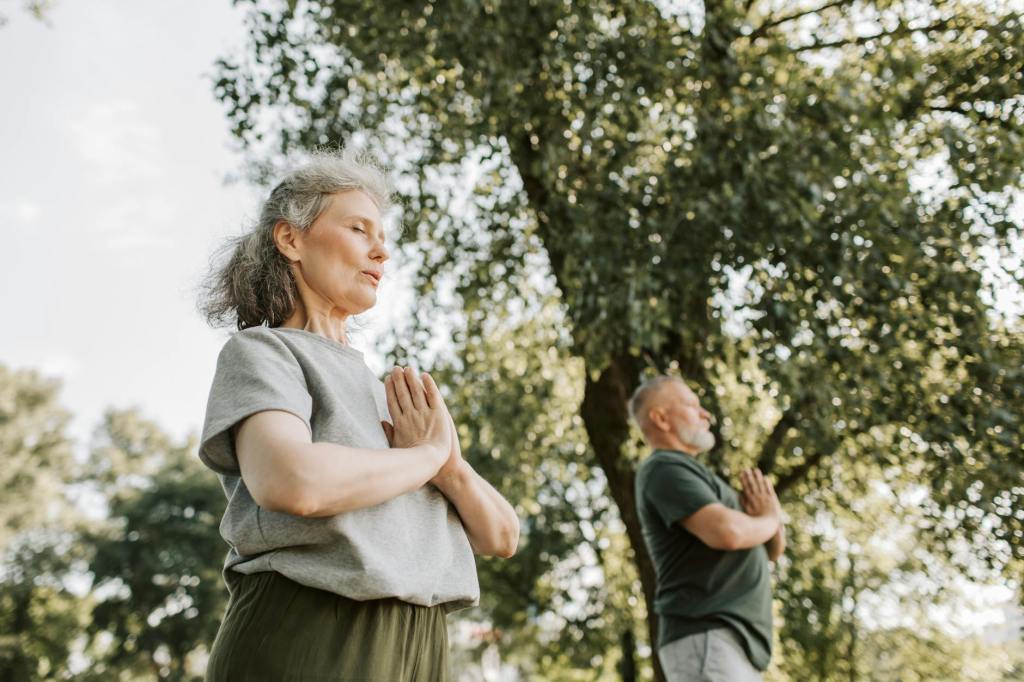
It’s easy to overlook the daily habits that influence our overall health and longevity. Yet, simple changes in our routines can have profound effects on both our physical and mental well-being. According to the World Health Organization, nearly 1 in 8 people globally experience mental health challenges, underscoring the importance of cultivating habits that support both mind and body. Research consistently shows that regular physical activity, mindful eating, and stress management can reduce the risk of chronic diseases, improve mood, and enhance life expectancy. What small, sustainable habits can we adopt to foster a longer, healthier life?
Move Daily for Energy and Health
I used to believe longevity was all about genetics—until I watched two family members age in completely different ways. One stayed active, socially engaged, and mentally sharp well into their 90s, while the other struggled with mobility, brain fog, and chronic illness decades earlier. The difference? Daily habits.
Move Daily – After years of feeling sluggish, I committed to walking 10,000 steps a day and lifting weights twice a week. The result? More energy, better sleep, and fewer aches. Walking after meals also helps regulate blood sugar, while strength training preserves muscle, which is key for metabolism and bone health as we age.
Prioritize Sleep – I used to think I could “catch up” on sleep later—until brain fog and low energy made it clear I couldn’t. Sticking to a schedule, dimming lights at night, and keeping my bedroom cool helped me sleep deeper, improving focus and mood.
Eat Whole, Nutrient-Dense Foods – I swapped processed snacks for whole foods, focusing on omega-3s (fatty fish, walnuts), antioxidants (berries, greens), and protein. Within weeks, my digestion improved, my energy was steady, and brain fog lifted. Cutting ultra-processed foods also reduced inflammation and cravings.
Use Good Stress to Your Advantage – A cold shower in the morning sounded miserable—until I tried it. Within minutes, I felt more awake than after coffee. Cold exposure builds resilience, while sauna sessions support heart health. Short fasting periods also aid digestion and cellular repair.
Stay Socially Connected – I noticed my grandfather, who prioritized friendships and community, stayed sharper than peers who became isolated. Research confirms this—social interaction protects against cognitive decline and reduces stress.
Challenge Your Brain – Learning a new skill, like playing an instrument or speaking a new language, forces the brain to form new connections. Since making lifelong learning a habit, I’ve noticed improved focus and memory.
Get Sunlight & Time in Nature – Morning sunlight helped reset my sleep cycle, while weekend hikes lowered stress and improved my mood. Even brief time outdoors makes a difference.
Minimize Toxins – I became more mindful of what I put into my body—less processed food, less alcohol, and cleaner household products. Within months, I felt less bloated, had clearer skin, and more consistent energy.
Longevity isn’t about luck—it’s about daily choices. The earlier you start, the better you’ll feel for decades to come.
Murray Seaton, Founder and CEO / Health & Fitness Entrepreneur, Hypervibe (Vibration Plates)
Focus on Whole Foods and Nutrition
As a nutrition coach, I believe that a longer, healthier life comes from daily habits that support overall well-being rather than just one aspect of health. Here are my top recommendations:
1. Move More – Strong bones, muscle mass, and flexibility are essential for longevity. Prioritize a mix of movement—walk daily, stretch often, and incorporate strength training to maintain mobility and resilience as you age.
2. Focus on Whole Foods & Nutrition – Instead of obsessing over calories, prioritize nutrient-dense foods that nourish your body. The simplest approach? Eat more foods with just one ingredient—fruits, vegetables, whole grains, and quality proteins.
3. Prioritize Sleep – Without quality sleep, maintaining good nutrition and fitness becomes much harder. Sleep impacts everything from brain health to willpower and energy levels, so make rest a priority.
4. Take Care of Your Mental Well-Being – Many people overlook this, but setting aside time for self-reflection, stress management, and identifying what brings you joy is just as important as physical health. A balanced mind supports a strong body.
By consistently following these habits, you create a foundation for a beautiful and healthy life. Small, daily choices add up to long-term well-being.
Silvija Meilunaite, Nutrition Coach, Founder, Barefoot Basil
Meditation and Breathwork for Stress
I think consistency matters more than perfection when it comes to living longer and better. From my experience, meditation and breathwork have been absolute game-changers. Even just 10 minutes of meditation in the morning helps me stay centered throughout the day. I’ve noticed I react less to stress and sleep better when I stick with it.
With breathwork, I’ve found that simple practices like box breathing or just taking a few deep breaths before responding to something stressful makes a huge difference in how my body feels.
Beyond that, I’d say movement is crucial—but it doesn’t have to be intense. Walking daily, stretching, or finding physical activities you actually enjoy means you’ll stick with them. I think that’s more important than forcing yourself through workouts you hate.
Sleep is non-negotiable. I’ve learned the hard way that skimping on sleep catches up with you. Creating a wind-down routine and being consistent with sleep times has improved my energy more than any supplement.
Food-wise, I try to eat real, whole foods most of the time. Nothing extreme—just more vegetables, fruits, nuts, beans, and fewer ultra-processed things. I notice my body and mind both run better this way.
And honestly, nurturing good relationships might be the most important habit of all. The research is pretty clear that meaningful connections are strongly linked to longevity, so making time for people who fill your cup is worth prioritizing.
Pauline Romao, Founder, Bodhi Holistic Hub
Variety of Exercise for Physical Health
As a fitness enthusiast and lifelong learner, I’m excited to share my top daily habits for promoting a longer, healthier life. By incorporating these simple yet powerful practices into your daily routine, you’ll be well on your way to achieving optimal wellness.
Top Daily Habits:
- Variety of Exercise: Engage in a mix of physical activities, such as Pilates, yoga, weightlifting, and martial arts, to challenge your body and mind.
- Continuous Learning: Expand your knowledge through podcasts, books, online courses, webinars, and in-person events to stay curious and adaptable.
- Daily Stretching: Prioritize flexibility and injury prevention with a daily stretching routine.
- Hydration: Drink plenty of water throughout the day, using a habit tracker to stay on track.
Why These Habits Matter:
- Regular exercise and stretching can improve physical health, reduce stress, and boost mood.
- Continuous learning enhances cognitive function, creativity, and problem-solving skills.
- Proper hydration is essential for energy, focus, and overall well-being.
Join me in incorporating these daily habits into your routine. With Spotlyts, you can easily track your progress, set reminders, and stay motivated to achieve your wellness goals.
Jimmy Clare, Professional Keynote Speaker, Podcaster, Live Stream Host, and Autism Advocate, CrazyFitnessGuy
Balanced Diet for Essential Nutrients
I recommend incorporating several key daily habits into your routine to promote a longer, healthier life. First and foremost, focus on a balanced diet rich in whole foods, such as fruits, vegetables, whole grains, lean proteins, and healthy fats. These foods provide essential nutrients that support bodily functions, boost your immune system, and help maintain a healthy weight. Additionally, staying hydrated by drinking plenty of water throughout the day is crucial for overall health and can enhance energy levels and cognitive function.
Another vital habit is regular physical activity. Aim for at least 150 minutes of moderate aerobic exercise each week, along with strength training exercises at least twice a week. Physical activity not only helps manage weight but also reduces the risk of chronic diseases like heart disease and diabetes while improving mental health and mood. Lastly, prioritize good sleep hygiene; aim for 7-9 hours of quality sleep each night. Sleep is essential for recovery, cognitive function, and emotional well-being, making it a cornerstone of a healthy lifestyle. By adopting these habits, you can significantly enhance your quality of life and longevity.
Mayank Pandey, Health expert and Dietitian, Healthroid
Mindful Eating to Avoid Overeating
As a bariatric surgeon, I tend to focus on the obvious factors that contribute to long-term health, like diet and exercise, but in addition to good eating habits and daily physical activity, there’s a lot more you can do to live a longer, healthier life:
1. Mindful Eating: I can’t stress enough how important it is to be present during meals, and this is one habit I urge everyone to develop. Slow down and really pay attention to what you’re eating. This will help you enjoy your food more and avoid overeating. When we eat in front of the TV or while scrolling through our phones, we often consume more calories than we realize. Savor each bite and appreciate your food, and give your body a chance to signal when it’s full. This can be a game-changer for weight management, helping you stay healthy and keeping numerous obesity-related disorders at bay.
2. Daily Gratitude Practice: Taking a few minutes each day to reflect on what you’re grateful for can have profound effects on your mental health, reducing stress, improving your mood, and even enhancing your physical health. You might keep a gratitude journal or simply take a moment every evening to think about three things that went well during your day. This positive mindset can motivate you to make healthier choices and foster resilience throughout your life.
3. Regular Social Connection: Reach out to friends or family regularly. Call, text, or meet up in person. Social support, as long as it’s good company, is a great mood booster and can help you make more of an effort to live a healthier life. As we age, it can be easy to let social interactions slip, but surrounding yourself with positive influences can encourage self-care; it’s always nice to know there are people out there who care about you and would like you to be in good shape!
4. Go Out in Nature: Walk, run, water your plants, or just have a cup of tea outside, and see how your stress levels go down and your mood improves. Research shows that exposure to green spaces can lower blood pressure and enhance mental health. I recommend incorporating at least 20-30 minutes of outdoor time into your daily routine. It’s a great way to unwind and refocus, helping to keep your stress levels in check, which can ultimately improve your health and add years to your life.
Dr. Hector Perez, Bariatric Surgeon, Renew Bariatrics
Yoga Routine for Flexibility and Balance
A longer, healthier life starts with daily habits done repeatedly. The body and mind thrive on routine, and small intentional choices lead to long-term rewards.
Start with movement. A yoga routine done in the morning improves flexibility, muscle tone, and balance. Even a short 15-minute stretch alleviates pain and improves mobility. Walking is another simple but powerful habit. A 30-minute brisk walk enhances cardiac strength, keeps joints healthy, and improves mental clarity.
Prioritize breathwork. The calm, concentrated breath of conscious breathing relaxes and expands the lungs. Nervous system-calming breath techniques like diaphragmatic breathing or alternate nostril breathing calm and focus.
Eat to nourish. Whole plant foods provide the body with what it needs. Processed foods and added sugars accelerate aging and inflammation. Small adjustments such as having herbal teas instead of sugary drinks or adding more greens to plates improve digestion and energy.
Sleep is not something to be negotiated away. The body repairs itself during sleep. A consistent sleep pattern, with no screens before bed, results in restorative, deep sleep.
Mindfulness matters. Meditation or gratitude journaling for a few minutes reconditions the brain to be resilient. Stress is the leading cause of chronic disease, and mindfulness practices build emotional resilience.
Longevity is based on minor, sustainable day-to-day practices. These determine health, vitality, and the quality of life.
Timothy Burgin, Founder and Executive Director, Yoga Basics
Daily Movement for Heart and Joint Health
The top daily habits for longevity would be based more on their consistent application rather than their complexity. The small actions of daily practice add up over time. Surprisingly, they are the most pivotal.
Everyday Movement: It could be a simple walk, stretching or bodyweight exercises. They can curb inflammation and bolster heart and joint health. Those who actively engage in daily exercise decline in an orderly manner and tend to keep their mobility for a longer period of time.
The Sleep Game: Seven to nine hours of restful sleep can absolutely change a person’s life. Correspondingly, insufficient sleep is responsible for a wide range of problems, including cognitive decline and low immunity. A consistent sleep schedule, limited blue light at night, and a cool, dark bedroom can all aid in this respect.
Whole Foods, Not Processed ones: Make sure your diet has a lot of plants and is as simple to process as possible. It should have healthy fats, lean proteins, and fiber. Limiting sweet and ultra-processed food helps maintain the inflammation cycle in check and is related to aging and chronic diseases.
Stress Management: Stress, on the other hand, increases the aging process, reduces immunity, and raises the chances of getting heart disease. Calming techniques such as meditation, breathwork, journaling, or even just going for a brisk walk outside all lower cortisol levels and help boost resilience.
Connection: It’s one of the most underrated longevity factors. Positive relationships help you reduce stress, boost mental health, and probably get you closer to a lower risk of disease. Schedule daily time for friends, family, and social hobbies.
Hydration, Gut Health: Water intake, coupled with the consumption of probiotic/prebiotic foods, maintains digestion, immune functioning, and even the laminate related to mental clarity. A healthy gut is key to any good health.
Cognitively Engaged and Inquisitive: Mental puzzles in the forms of reading, puzzles, or even new hobbies and conversations help keep the brain sharp and lower the risk of cognitive decline.
Longevity is not about extremes, but it is all about sustainable choices that can take care of the body and mind. These habits can be easy but are truly powerful, on a consistent basis.
Ushmana Rai, Founder, TDEE Calculator
Restorative Sleep for Brain Function
As a trauma therapist and continuing education provider focused on mental health and well-being, I believe that daily habits supporting both the mind and body are essential for a longer, healthier life. Here are my top recommendations, grounded in both research and clinical practice:
1. Prioritize Restorative Sleep – Sleep is the foundation of physical and mental health. Quality sleep supports brain function, emotional regulation, immune health, and longevity. I encourage creating a consistent sleep routine and reducing screen time before bed to allow the brain and body to fully recharge.
2. Move Your Body in Enjoyable Ways – Movement doesn’t have to be intense to be beneficial. Gentle daily activities like walking, stretching, or yoga improve cardiovascular health, reduce inflammation, and support emotional well-being. Finding forms of movement you enjoy makes it sustainable and reduces stress.
3. Nourish Your Body with Whole Foods – A diet rich in colorful fruits, vegetables, healthy fats, and lean proteins promotes cellular repair and reduces the risk of chronic diseases. I also emphasize mindful eating—slowing down and paying attention to hunger and fullness cues — to support digestion and prevent overeating.
4. Cultivate Meaningful Social Connections – Relationships are one of the most important predictors of long-term health. Daily or regular connection with supportive friends, family, or community helps buffer stress, lowers the risk of depression, and improves heart health. Even small moments of connection—a text, call, or shared laugh—are powerful.
5. Practice Stress Regulation and Mindfulness – Chronic stress is linked to numerous health issues, including heart disease and inflammation. Incorporating daily moments of mindfulness, deep breathing, or gratitude practices helps regulate the nervous system, improve mood, and support long-term resilience.
6. Stay Curious and Keep Learning – Engaging your mind through reading, creative hobbies, or learning new skills keeps the brain sharp and promotes a sense of purpose, which is associated with longevity and mental well-being.
Ultimately, longevity isn’t just about adding years to life, but adding life to those years. Simple, consistent daily habits that nurture both body and mind are key to thriving well into older age.
Erena DiGonis, Psychotherapist and Continuing Education Provider, EngagedMinds Continuing Education
Nasal Hygiene for Clear Airways
One of the best daily habits for facilitating a longer, healthier life (coming from me, an ENT Sinus & Snoring Specialist) is nasal hygiene. A simple saline rinse can wash out allergens, toxins, and bacteria from your nasal passages, preventing sinus infections and congestion. Clear airways make breathing easier, enhance sleep, and reduce pressure on your immune system. If you have constant nasal congestion or allergies, frequent nasal hygiene can make a tremendous difference in your overall health and well-being.
Hearing protection is a habit you want to prioritize too. Many do not know the ways to injure their ears with excessive noise, whether that is music, work environments, or even lifestyle habits such as the use of cotton swabs. Don’t put anything into your ear canal as it may force the wax to accumulate or even rupture your eardrum. To clean ears safely, just wipe the outside rim and put in ear drops if the situation demands it. Besides safeguarding hearing while in the vicinity of loud noises, always wear noise-reducing earplugs or headphones long-term.
Finally, the proper attention to the respiratory and throat system is a necessity. Keeping yourself hydrated will keep your vocal cords and your throat healthy, preventing irritation and hoarseness. Avoid smoking and excessive alcohol consumption, as both of these can contribute to recurring throat issues and a higher risk of contracting severe diseases such as throat cancer.
If you catch yourself snoring every day, developing constant sore throats, or changing your voice, it would be a good idea to go see an ENT doctor to rule out underlying causes such as sleep apnea or acid reflux. Minor daily habits such as keeping yourself hydrated, managing allergies, and avoiding irritants can keep airways clear, help with better breathing, and ensure overall health in the long run.
Dr. Don Beasley, Physician, Boise ENT
Eat Nutrient-Dense Foods
Here are my top recommendations:
Eat a Nutrient-Dense Diet: Prioritize whole foods, lean proteins, and healthy fats while limiting processed foods.
Stay Hydrated: Drink at least 8 glasses of water daily to support digestion, energy, and detoxification.
Move Daily: Engage in 30-45 minutes of exercise (walking, yoga, or strength training) to maintain heart and muscle health.
Get Quality Sleep: Aim for 7-9 hours of restful sleep to support brain function, immunity, and recovery.
Manage Stress: Practice meditation, deep breathing, or hobbies to reduce anxiety and improve well-being.
Foster Social Connections: Strong relationships boost happiness and longevity. Stay connected with family and friends.
Avoid Harmful Substances: Quit smoking, limit alcohol, and reduce exposure to toxins for better long-term health.
Keep Your Mind Active: Read, learn new skills, or do puzzles to reduce cognitive decline.
Get Regular Health Check-ups: Monitor key health markers and catch potential issues early.
Spend Time in Nature & Get Sunlight: Vitamin D and fresh air improve mood, immunity, and overall wellness.
Consistency is key! Small daily habits add up to a longer, healthier life.
Dr. Manu Bora, Orthopedic Surgeon, Threads Physio
Brush and Floss for Oral Health
A longer, healthier life starts with healthy oral health. It surprises most people to learn that your mouth’s wellness is related to your heart, brain, and immune system. Paying attention to just a few basic habits each day can make a great difference.
To begin, brushing and flossing regularly are essential. Brushing with toothpaste containing fluoride twice a day and flossing once a day will remove harmful bacteria that cause gum disease. It has been found that gum disease is linked to heart disease and diabetes, so a clean mouth is good for your health.
Second, hydration with water is undervalued but crucial. Drinking water, especially fluoridated water, helps to rinse off food particles, bacteria, and acid-forming bacteria, leading to cavities. It also prevents dry mouth, which leads to cavities and bad breath.
Finally, regular visits to the dentist will ensure that any upcoming issues are caught early, before they develop into major health complications. A simple check-up can ward off those ailments that not only take a toll on your teeth but on your entire body.
Having healthy teeth isn’t just about a nice smile—it’s about having a long, healthy life.
Dr. Kristy Gretzula, Dentist/Owner, Hawley Lane Dental
Share Your Insights
We’d love to hear from you! Share your thoughts in the comments below:
- What other ideas or perspectives would you add to the discussion?
- What are your thoughts or experiences on this topic?
- Have you encountered something similar or different?
Related

Lifestyle Changes to Improve Cognitive Function
What happens to your brain when you ignore a simple daily habit, like moving or socialising? Surprisingly, this small change can be the key to keeping your mind sharp. To discover how prioritising certain activities can protect cognitive function as you age, read on.

How to Make a Meaningful Impact on the World
What if the secret to leaving a lasting impact isn’t in grand gestures, but in your daily choices? Discover how small, intentional actions create a ripple effect—find out more in the full write-up!

In the Spotlight: Dr. Pooja A. Patel
In this interview, Dr. Patel discusses the steps involved in proactive care planning and its impact on managing physical and mental health in later life. She provides insights into how a comprehensive approach can address medical, emotional, social, and financial aspects of elder care.
DISCLAIMER: Spotlyts Magazine does not provide any form of professional advice. All content is for informational purposes only, and the views expressed are those of individual contributors and may not reflect the official position of Spotlyts Magazine. While we strive for accuracy and follow editorial standards, we make no guarantees regarding the completeness or reliability of the content. Readers are encouraged to conduct their own research and seek professional assistance tailored to their specific needs. Any links included are for reference only, and Spotlyts Magazine is not responsible for the content or availability of external sites. For more details, please visit our full Disclaimer, Privacy Policy, and Terms of Service.
Highlight of the Day
“With great power comes great responsibility.”
— Uncle Ben, Spider-Man
More Stories for You
Seasonal Rituals Inspire Global Communities
Ever wondered why we instinctively gather or celebrate when seasons change? This roundup explores how different cultures ritualize nature’s cycles—and what we can learn from these timeless patterns.
Keep reading
The Deal by Nazia Kamali (Short Fiction)
What does a familiar bar reveal when no one is watching? This piece invites readers inside shifts, hidden rituals, and a looming surprise.
Keep reading
In the Spotlight: Leon Conrad on Language, Story Structure, and How Stories Shape Meaning
Why do some stories feel instinctively right while others fall flat—even when we can’t explain why? This interview explores how story structures shape meaning and invites readers to discover the answer.
Keep reading
In the Spotlight: Cortney Raymond on Writing Stories of Healing, Strength, and Possibility
Ever wondered what it’s like to write stories that give hope to people who’ve endured trauma? Discover how Cortney Raymond blends real-life experiences and imagination to create resilience, strength, and possibility.
Keep readingSomething went wrong. Please refresh the page and/or try again.
More Highlights

The Most Underrated Changes Coming Soon
Not all game-changing trends are obvious. Industry leaders reveal the underappreciated shifts quietly shaping the next five years—before they become impossible to ignore.
Keep reading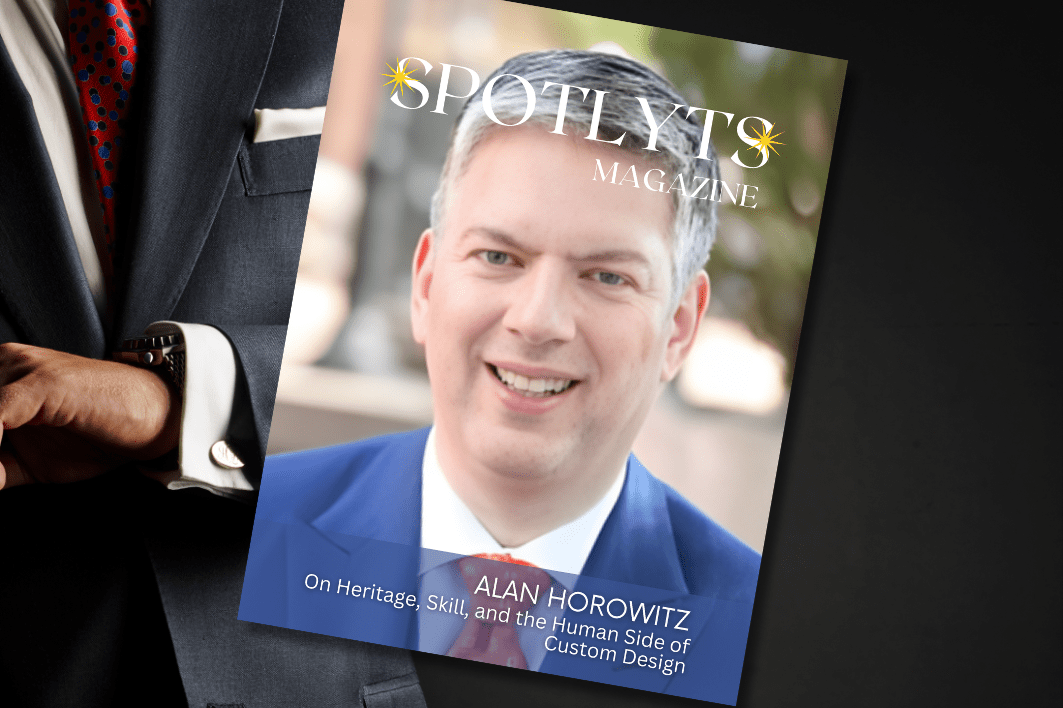
In the Spotlight: Alan Horowitz on Heritage, Skill, and the Human Side of Custom Design
What happens when decades of family tradition meet modern demands for fit, quality, and purpose? Discover how Alan David Horowitz adapts bespoke tailoring to today’s world in this interview.
Keep reading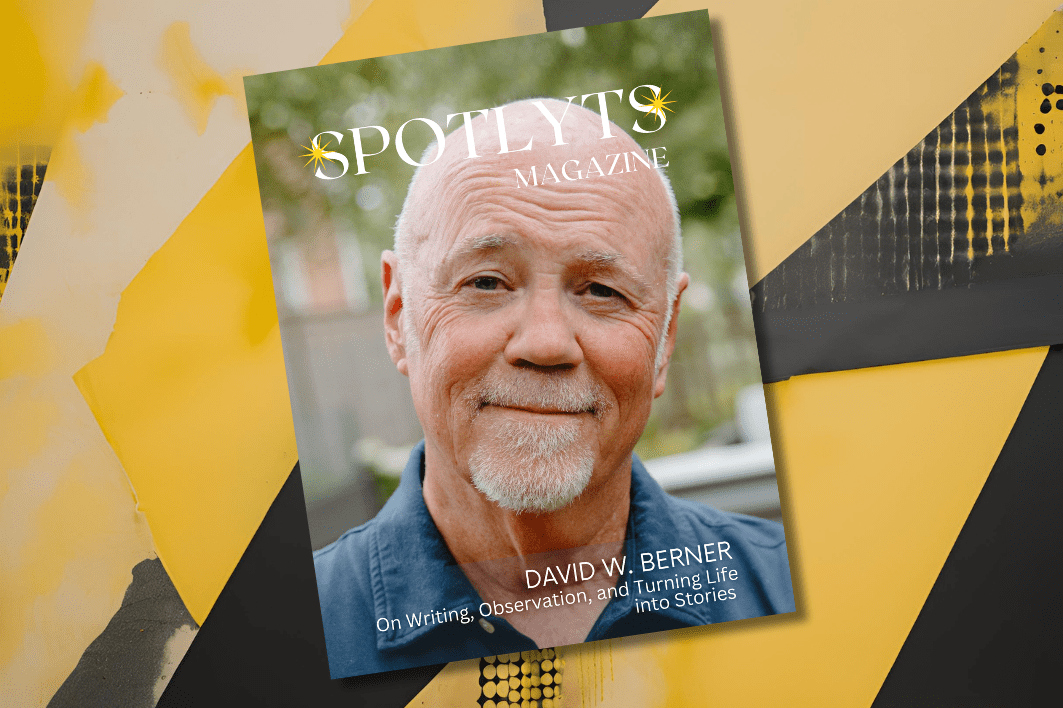
In the Spotlight: David W. Berner on Writing, Observation, and Turning Life into Stories
What if time itself were the story’s quiet narrator? This interview explores how a writer reflects on aging, creativity, and attention—inviting readers to discover the answers by reading the full conversation.
Keep reading
Announcing the Spotlyts Awards Winners: Celebrating Stories That Matter
Here now are the winners of the Spotlyts Awards 2025.
Keep readingSomething went wrong. Please refresh the page and/or try again.

 Spotlyts
Leave a comment