
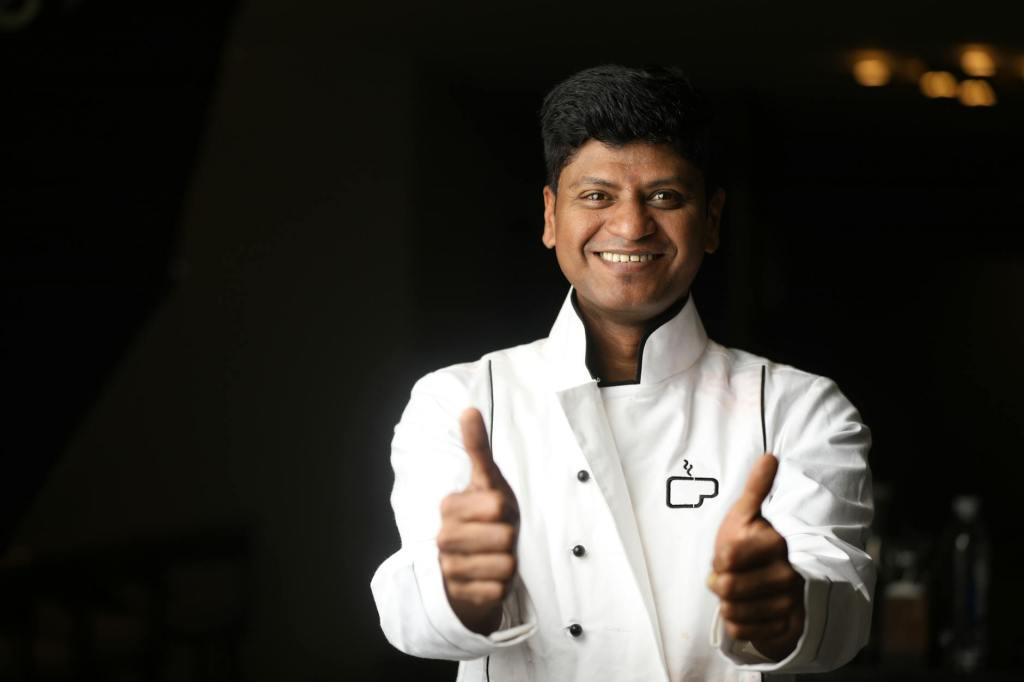
What makes a chef truly exceptional? Is it creativity, technical skill, or something deeper? Studies show that consistency in quality builds trust, while intentionality transforms meals into memorable experiences. Great chefs adapt seamlessly to changing circumstances, balancing precision with genuine hospitality. As Anthony Bourdain once said, “Good food is very often, even most often, simple food.” Behind every unforgettable dish lies a blend of discipline, passion, and care. This roundup explores the core qualities that elevate cooking from routine to remarkable—qualities grounded in real kitchen challenges, time-tested techniques, and the human connections that food uniquely fosters.
Consistency Builds Trust in Culinary Excellence
For me, the one quality that defines a truly exceptional chef is consistency. Not in a robotic sense, but in the ability to show up, day after day, with the same commitment to flavor, quality, and team standards, no matter the pressure or volume.
At University of California, Santa Cruz (UCSC) Dining, we serve thousands of meals a day. Recipes scale to hundreds of portions. We face vendor issues, labor gaps, dietary constraints—and still, the guest expects that falafel to taste the same Tuesday to Tuesday. That’s where consistency becomes both a craft and a leadership trait.
I’ve seen sous chefs transform when they learn that discipline isn’t rigid; it’s what builds trust. I’ve coached cooks through 500-cover dinners where the only thing holding the line together is prep, repetition, and muscle memory rooted in consistency.
You can’t fake it. But when it’s there, everyone eats better.
Ryan Yates, Executive Chef, University of California – Santa Cruz, Simply Cooking Recipes
Intentional Approach Transforms Meals into Experiences
The one quality that I believe defines a truly exceptional chef is intention. It’s more than just technical skill or creativity—it’s about approaching every aspect of the craft with thoughtfulness and purpose. From the way ingredients are sourced, to the flow of a multi-course menu, to how a guest feels in the moment they take their seat—an exceptional chef considers it all. Intention is what transforms a meal into an experience, and a gathering into a lasting memory.
In my own career, especially through the lens of Block & Rooster Provisions, intention is the foundation of everything we do. We pride ourselves on offering fully customized, seasonal menus, not just because it’s a luxury touch, but because it allows us to respond to the time of year, the mood of the event, and the preferences of our clients with absolute precision. Every dish is created with fresh, locally sourced ingredients to ensure peak flavor and to support the community around us. That alone requires care and thought at every step—from daily market visits to collaborating with trusted farmers and purveyors.
I’ve seen the power of intention most clearly in our private chef experiences, where we quite literally bring the restaurant into someone’s home. It’s in these settings that our tagline—”Your Home, Our Restaurant”—truly comes to life. There’s no hiding behind a kitchen wall or a bustling service line. Guests see the attention we pay to every detail: the balance of the menu, the wine pairings, the timing of each course, and the warmth of our service. They feel seen and cared for—and that’s not an accident. It’s the result of being present, being prepared, and never compromising on our standards.
To be exceptional in this field is to never go through the motions. It’s to lead with passion, execute with precision, and serve with genuine hospitality. That’s what intention looks like in action, and for us, it’s the difference between just cooking food and creating something unforgettable.
Justin Meadows, Chef/ Owner, Block & Rooster Provisions
Adaptability Defines Excellence in Personal Chef Services
The one quality I believe defines a truly exceptional chef is adaptability. It goes beyond knowing how to cook well—it’s about being able to adjust to changing environments, expectations, and client needs without missing a beat. At NYC Meal Prep, we send chefs directly into clients’ homes, which means every kitchen setup is different. Some are fully stocked with high-end equipment, while others are minimal or require creative problem-solving. Clients also have unique dietary restrictions, flavor preferences, and scheduling needs.
I’ve personally witnessed chefs adapt in real time—whether it’s modifying a recipe to accommodate a last-minute allergy notice, or working efficiently in a tiny, unfamiliar kitchen while maintaining professionalism and quality. That kind of flexibility not only showcases true culinary skill but also builds client trust and loyalty. In this line of work, a chef’s ability to stay calm, resourceful, and open to feedback is what makes them exceptional—and keeps our business growing.
Keagan Stapley, Owner, NYC Meal Prep
Precision Elevates Culinary Craft to Unforgettable Heights
Precision defines an exceptional chef. It’s not about flair. It’s not about invention. It’s about consistency under pressure, day after day. You either hit the mark or you don’t. I’ve seen skilled cooks fall short because they chase creativity before they’ve mastered the fundamentals. Precision builds trust. Customers return because they know exactly what they’re going to get. That only comes when you treat every pie, every filling, every bake as if it matters.
When I’m in the kitchen, I taste everything. Every batch. Every morning. I’ve stopped full production runs because one seasoning note was off. That kind of discipline isn’t glamorous, but it makes the difference between good and unforgettable. You don’t get second chances with taste. That’s why I still make the fillings myself. If a batch of steak and ale doesn’t smell right before it hits the pastry, it doesn’t leave the prep table. Customers might never see that decision, but they taste the result.
Precision doesn’t happen by accident. It comes from habits built over years. You show up early. You check temperatures. You trim meat by feel. You know when the onion hasn’t been sweated long enough. It’s boring work to some, but for those of us who take pride in food, that’s where the magic is. I don’t want applause. I want silence after the first bite. That’s when I know we’ve hit the mark.
Gary Rourke, Owner, Rourke’s Pies
Genuine Hospitality Balances Artistry with Human Touch
The greats possess Genuine Hospitality.
It reflects the common denominator found among those who can balance the artistry of the role with a human touch.
I’ve worked alongside dozens of immensely talented chefs, with egos so large they could only see their own reflection in the mirror.
I’ve also worked with others who were great leaders of people, but they couldn’t take the criticism that comes with being a chef.
The very best believe genuine hospitality is a way of life at work.
They realize that getting better at their craft requires a combination of technical changes, mixed with collaborative input.
They take pride in what they do and keep their food philosophy top of mind – but not to the extent that they can’t listen to others.
They are actually interested in their teammates’ well-being and see their individual success as something to celebrate, not a competition.
In the end, exceptional chefs take their talent and joy of cooking, and meld it with genuine care for others and their thoughts.
Jay P, Founder & Director, Retirement Home Insider
Personal Passion Fuels Culinary Innovation and Growth
I believe one quality that defines a truly exceptional chef is having a personal interest in food. Most chefs I’ve worked with in the past who were exceptional at not just cooking but also experimenting with the combination of ingredients were foodies first before becoming cooks. They were the ones more open to exploring unconventional methods to improve the taste of their food. I also find myself moved by their passion, especially in how they consider their job a form of love itself, making it possible to simultaneously satisfy the recipients of their food and feel a sense of accomplishment afterwards. Chefs with this kind of character are also more consistent and flexible at fixing mistakes over time, which is also important in maintaining high standards food-wise and making the kitchen a good environment to work in.
Mimi Nguyen, Founder, Cafely
Share Your Insights
We’d love to hear from you! Share your thoughts in the comments below:
- What other ideas or perspectives would you add to the discussion?
- What are your thoughts or experiences on this topic?
- Have you encountered something similar or different?
DISCLAIMER: Spotlyts Magazine does not provide any form of professional advice. All content is for informational purposes only, and the views expressed are those of individual contributors and may not reflect the official position of Spotlyts Magazine. While we strive for accuracy and follow editorial standards, we make no guarantees regarding the completeness or reliability of the content. Readers are encouraged to conduct their own research and seek professional assistance tailored to their specific needs. Any links included are for reference only, and Spotlyts Magazine is not responsible for the content or availability of external sites. For more details, please visit our full Disclaimer, Privacy Policy, and Terms of Service.
Highlight of the Day
“With great power comes great responsibility.”
— Uncle Ben, Spider-Man
More Stories for You
Seasonal Rituals Inspire Global Communities
Ever wondered why we instinctively gather or celebrate when seasons change? This roundup explores how different cultures ritualize nature’s cycles—and what we can learn from these timeless patterns.
Keep reading
The Deal by Nazia Kamali (Short Fiction)
What does a familiar bar reveal when no one is watching? This piece invites readers inside shifts, hidden rituals, and a looming surprise.
Keep reading
In the Spotlight: Leon Conrad on Language, Story Structure, and How Stories Shape Meaning
Why do some stories feel instinctively right while others fall flat—even when we can’t explain why? This interview explores how story structures shape meaning and invites readers to discover the answer.
Keep reading
In the Spotlight: Cortney Raymond on Writing Stories of Healing, Strength, and Possibility
Ever wondered what it’s like to write stories that give hope to people who’ve endured trauma? Discover how Cortney Raymond blends real-life experiences and imagination to create resilience, strength, and possibility.
Keep readingSomething went wrong. Please refresh the page and/or try again.
More Highlights

The Most Underrated Changes Coming Soon
Not all game-changing trends are obvious. Industry leaders reveal the underappreciated shifts quietly shaping the next five years—before they become impossible to ignore.
Keep reading
In the Spotlight: Alan Horowitz on Heritage, Skill, and the Human Side of Custom Design
What happens when decades of family tradition meet modern demands for fit, quality, and purpose? Discover how Alan David Horowitz adapts bespoke tailoring to today’s world in this interview.
Keep reading
In the Spotlight: David W. Berner on Writing, Observation, and Turning Life into Stories
What if time itself were the story’s quiet narrator? This interview explores how a writer reflects on aging, creativity, and attention—inviting readers to discover the answers by reading the full conversation.
Keep reading
Announcing the Spotlyts Awards Winners: Celebrating Stories That Matter
Here now are the winners of the Spotlyts Awards 2025.
Keep readingSomething went wrong. Please refresh the page and/or try again.

 Spotlyts
Leave a comment