
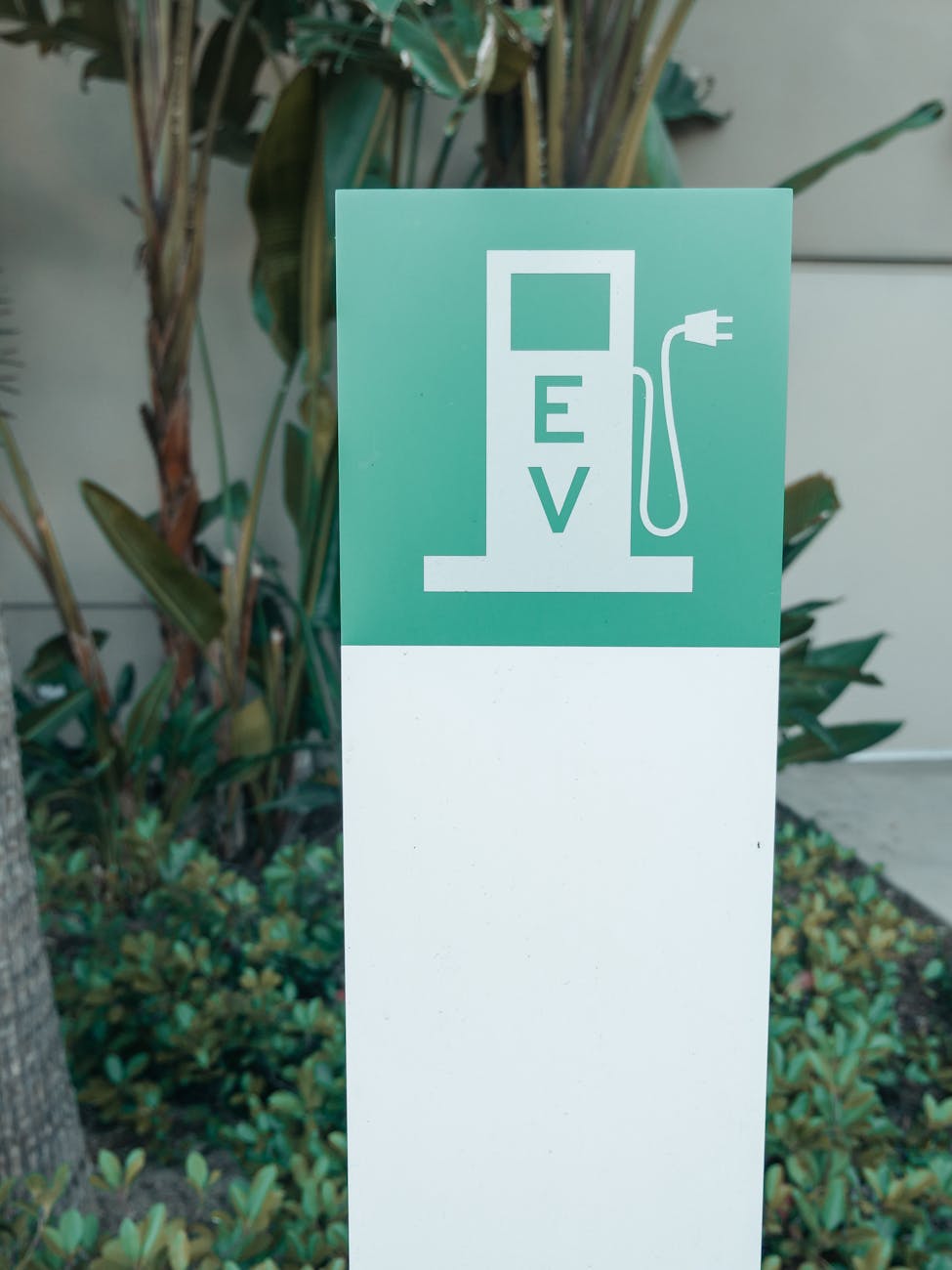
Global sales of electric vehicles (EVs) exceeded 10 million in 2023 according to reports, but infrastructure remains a recurring obstacle that hinders their progress even nowadays. Imagine having a car that uses less gasoline, emits no tailpipe emissions, and requires less maintenance, only to find that it is more difficult than anticipated to find a dependable charger outside of large cities. Many claim that “the future is electric,” but will everyone be able to access it? The path to widespread acceptance is still being built, with issues ranging from limited rural charging networks to pricing concerns. Industry experts provide their thoughts on the most important obstacles—as well as the doable actions required to overcome them—in this compilation.
Affordability Gap Hinders Widespread EV Adoption
The greatest barrier to mainstream EV adoption isn’t technology—it’s affordability. With 80-90% of households in middle to lower income brackets and most EVs priced above €40,000, we’ve created a ‘Green Divide’ where clean, cost-effective transportation remains a luxury. Until manufacturers prioritize truly affordable electric options and governments create effective financial pathways for average consumers, EVs will remain out of reach for most families—precisely the market segment needed for mainstream adoption.
Amy Cancryn, Founder, Nexis Neo
Charging Infrastructure Lags Behind EV Growth
As the founder of EVhype, I have closely witnessed how fast the electric vehicle (EV) adoption is trending. However, while electric vehicles are becoming increasingly popular, they face one huge barrier to becoming the go-to vehicle for everyday trips: the so-called charging infrastructure.
As of now, charging points are a major challenge. A recent study from the International Energy Agency found that despite more EVs than ever hitting the road, there are still significantly fewer public chargers than gas stations, and this disparity is especially pronounced in rural or underserved communities. In 2020, there were some 1.3 million electric vehicles in the United States, but only about 100,000 public charging stations, and many of these are clustered in cities. This discrepancy in available range makes long drives a no-go for many interested EV parties.
For EVs to have any chance of being the go-to choice for daily travel, we need a sturdy, countrywide network of chargers that we can count on to be quick and affordable. Investing in that infrastructure and improving charging technology (such as ultra-fast chargers) will help make owning an EV more convenient and encourage more people to adopt them. Otherwise, we will only realize the EV as a feasible choice for all, in all locations.
Rob Dillan, Founder, EVhype.com
Inadequate Charging Network Impedes EV Acceptance
Following the increasing use of electric vehicles in the market, I have concluded that the most significant barrier to the adoption of electric cars as a means of transport by consumers is the challenge of access to adequate charging spots. We have been able to come up with exciting expansions for the charging points; however, there are not enough, especially in rural and suburban zones. So, for you and me, anyone who drives their car to work or to buy groceries, range anxiety is still very much a reality. The consumer also does not want to be troubled by charging problems, whether they are traveling to the workplace, going on a business trip, or shopping.
It is also important to consider the time it takes for an EV to get charged regularly. While fast charging is much less time-consuming than getting a cup of coffee at the same gas station, it still takes approximately 20-30 minutes or more. In our fast and busy lives, that is a big shift. Until the charging network for batteries becomes as common and fast as refueling a gasoline car, the level of confidence for everyone will be uncertain. It is not only the increase in the number of stations that is in question; quality is also an important issue: that is, speed and the reliability of the system, as well as its compatibility with applications and means of payment.
As consumers, we are willing to transition into cleaner and smarter mobility, but we need to be supported by the right infrastructure. Still, I believe that each succeeding year will see increased investment and innovations to help us achieve this goal. But to make EVs our daily drivers, there is no bigger challenge than the charging problem we have to overcome.
Harkamaljeet Singh, CEO, Silver Taxi Melbourne
High Upfront Costs Deter Potential EV Buyers
Honestly, I think the biggest hurdle is the upfront cost. Even though EVs are cheaper to run long-term, the purchase price still puts many people off. For a lot of drivers, it’s hard to justify spending thousands more upfront, even if they’ll save on fuel and maintenance down the line.
That’s why we need more schemes to help bridge that affordability gap by letting people drive electric for much less, often with tax savings too. If more people had access to these kinds of options, I believe adoption would skyrocket.
James McNally, Managing Director, SDVH [Self Drive Vehicle Hire]
Unreliable Charging Creates Barrier for Drivers
From what I’ve seen, the single biggest challenge is charging infrastructure reliability—not just availability, but reliability.
It’s one thing to have chargers on the map. It’s another for them to actually work when you pull up with 10% battery left. Too often, chargers are broken, full, or painfully slow, and that kills trust. Until drivers feel as confident finding a fast, working charger as they do a gas station, EVs will feel risky for everyday travel.
Range anxiety gets all the headlines, but honestly, it’s charger anxiety that’s holding a lot of people back. Solving that—through better maintenance, faster charging, and universal access—is what will really tip EVs into being the obvious, mainstream choice.
Georgi Petrov, CMO, Entrepreneur, and Content Creator, AIG MARKETER
Home Charging Ease Contrasts Public Availability
My husband thoroughly enjoys his Tesla. During our recent remodeling of our home, he cleverly added a parking spot with an electric car charging unit. All such car owners know from day one that their ability to enjoy the car, on scheduled trips and emergencies, requires a charging station. The single biggest challenge they face is the availability of such stations when away from home. While apps welcome the identification of nearby stations, their functionality, availability, and relative speed of car charging are less guaranteed. These necessities need to be fulfilled before an all-electric vehicle has a chance to become mainstream for new car shoppers for everyday travel.
Ashley Kenny, Co-Founder, Heirloom Video Books
Limited Charging Networks Restrict EV Practicality
Underdeveloped charging infrastructure is a significant issue, and I don’t see that changing in the very near future. While EVs are growing in popularity, they’re still not super practical in suburban and rural areas due to a lack of reliable, fast-charging networks necessary to support widespread adoption. Unlike gas stations, which are everywhere, EV owners often struggle to find conveniently located chargers, leading to “range anxiety.” This remains a major barrier for potential buyers who are otherwise enthusiastic, myself included.
Dragos Badea, CEO, Yarooms
Share Your Insights
We’d love to hear from you! Share your thoughts in the comments below:
- What other ideas or perspectives would you add to the discussion?
- What are your thoughts or experiences on this topic?
- Have you encountered something similar or different?
DISCLAIMER: Spotlyts Magazine does not provide any form of professional advice. All content is for informational purposes only, and the views expressed are those of individual contributors and may not reflect the official position of Spotlyts Magazine. While we strive for accuracy and follow editorial standards, we make no guarantees regarding the completeness or reliability of the content. Readers are encouraged to conduct their own research and seek professional assistance tailored to their specific needs. Any links included are for reference only, and Spotlyts Magazine is not responsible for the content or availability of external sites. For more details, please visit our full Disclaimer, Privacy Policy, and Terms of Service.
Highlight of the Day
“With great power comes great responsibility.”
— Uncle Ben, Spider-Man
More Stories for You

Seasonal Rituals Inspire Global Communities
Ever wondered why we instinctively gather or celebrate when seasons change? This roundup explores how different cultures ritualize nature’s cycles—and what we can learn from these timeless patterns.
Keep reading
The Deal by Nazia Kamali (Short Fiction)
What does a familiar bar reveal when no one is watching? This piece invites readers inside shifts, hidden rituals, and a looming surprise.
Keep reading
In the Spotlight: Leon Conrad on Language, Story Structure, and How Stories Shape Meaning
Why do some stories feel instinctively right while others fall flat—even when we can’t explain why? This interview explores how story structures shape meaning and invites readers to discover the answer.
Keep reading
In the Spotlight: Cortney Raymond on Writing Stories of Healing, Strength, and Possibility
Ever wondered what it’s like to write stories that give hope to people who’ve endured trauma? Discover how Cortney Raymond blends real-life experiences and imagination to create resilience, strength, and possibility.
Keep readingSomething went wrong. Please refresh the page and/or try again.
More Highlights

The Most Underrated Changes Coming Soon
Not all game-changing trends are obvious. Industry leaders reveal the underappreciated shifts quietly shaping the next five years—before they become impossible to ignore.
Keep reading
In the Spotlight: Alan Horowitz on Heritage, Skill, and the Human Side of Custom Design
What happens when decades of family tradition meet modern demands for fit, quality, and purpose? Discover how Alan David Horowitz adapts bespoke tailoring to today’s world in this interview.
Keep reading
In the Spotlight: David W. Berner on Writing, Observation, and Turning Life into Stories
What if time itself were the story’s quiet narrator? This interview explores how a writer reflects on aging, creativity, and attention—inviting readers to discover the answers by reading the full conversation.
Keep reading
Announcing the Spotlyts Awards Winners: Celebrating Stories That Matter
Here now are the winners of the Spotlyts Awards 2025.
Keep readingSomething went wrong. Please refresh the page and/or try again.

 Spotlyts
Leave a comment