
“Community is much more than belonging to something; it’s about doing something together that makes belonging matter,” said Brian Solis. Today, digital platforms are reshaping this very idea—making it easier for people to find shared purpose before ever meeting face-to-face. According to Pew Research, 72% of adults use social media to connect with others, often building emotional bonds long before physical ones. Whether through group chats, forums, or playlist sharing, digital spaces are becoming the fertile ground where real-world relationships take root. In this expert roundup, we explore one key question: How is digital culture influencing the formation of real-world communities?
Editor’s Note: The views and experiences shared in this expert roundup reflect the individual perspectives of contributors and are based on anecdotal or observational insights. While many discuss meaningful social and behavioral effects tied to digital culture, these accounts are not intended as clinical, therapeutic, or scientific claims. Readers are encouraged to interpret the commentary as illustrative examples, not definitive conclusions.
Digital Bonds Forge Instant Real-World Tribes
Digital culture has created a fascinating phenomenon I call “instant tribal formation” that shapes real-world gatherings in unexpected ways. At a recent conference we produced for a tech client, I watched as complete strangers who’d only interacted in a Discord channel hugged like old friends upon meeting.
They’d never seen each other’s faces but recognized usernames on badges and immediately formed tight-knit groups. These connections weren’t superficial—they were built on months of shared problem-solving and vulnerability online. The physical gathering simply cemented bonds that digital interaction had already formed. Perhaps what surprised me most was how quickly these online-to-offline communities established their hierarchies and norms.
I think this represents a fundamental shift in community formation: digital spaces allow people to build trust and emotional connection before physical meeting, essentially reversing the traditional community-building process. This creates stronger, more purposeful real-world gatherings that feel like reunions rather than first meetings.
Michelle Garrison, Event Tech and AI Strategist, We & Goliath
Spotify Playlists Rekindle Friendships Post-Pandemic
Shared Spotify playlists are helping friend groups reconnect post-pandemic. Someone drops a song in, and emotions spill. Others comment, remember, or add their own track. It’s not just music; it’s an emotional timeline. These playlists become love letters across long distances. The connection goes far beyond casual streaming.
I’ve seen friend groups cry over a shared playlist. It was filled with high school party throwbacks and memories. They hadn’t spoken properly in months before that. Now they send each other new music weekly. That playlist reopened doors that text threads couldn’t handle alone. Music became a bridge that digital culture rebuilt with care.
Marc Bishop, Director, Wytlabs
Airbnb Reviews Create Micro-Communities for Travelers
Airbnb reviews are creating micro-communities for travelers everywhere. Guests mention hosts by name, and stories unfold. Locals see these patterns and start welcoming visitors better. Guests treat homes with more respect as reputations grow. It’s a circle of digital accountability with real-world impact. The line between tourist and local starts fading softly.
I once stayed at a cabin with handwritten notes everywhere. Past guests had added stories next to each one. It felt like warmly reading the soul of strangers. That emotional continuity started online but lived offline. Community was preserved digitally and lived physically again. It has changed how I see travel forever now.
Jason Hennessey, CEO, Hennessey Digital
Creator Content Transforms Viewers into Active Community
I worked with a creator who built her following through bite-sized videos and live sessions. Nothing fancy. Just real content, real tone, and consistency. What amazed me was how her audience transformed from silent viewers into a proper community. They began helping each other in comments, then moved into group chats, and eventually started meeting up in real life.
We assisted her in building a private member space on her website. Initially, it was just to organize her content better. However, it quickly became the hub. People showed up daily, shared their successes, their challenges, and formed genuine friendships from it.
That’s the aspect digital culture excels at better than anything else: it lowers the barrier to connection. It gives people permission to care about the same things and show up for each other.
Nirmal Gyanwali, Website Designer, Nirmal Web Design Studio
Online Tribes Spark Intentional Offline Connections
One specific way digital culture is reshaping real-world communities is through the rise of online-first, offline-second tribes—where people connect around a shared niche or identity digitally before they ever meet in person, if at all. Whether it’s indie hackers on X, local Buy Nothing groups on Facebook, or Web3 builders on Discord, digital platforms are becoming the starting point for meaningful relationships that later manifest offline in coworking meetups, pop-up events, or even collaborative projects.
What’s powerful here is that digital spaces remove geography from the equation, so community now forms around shared values and behavior, not just proximity. Then, once trust is built online—through posts, chats, shared memes, or shipped projects—those same people are way more likely to show up IRL with a sense of belonging already in place. The digital layer isn’t replacing community—it’s actually becoming the foundation for deeper, more intentional in-person connection.
Daniel Haiem, CEO, App Makers LA
Digital Dialects Reshape Real-World Community Formation
One clear way digital culture is shaping real-world communities is through shared language and micro-identities born online—and then reinforced offline.
People now connect first through memes, reels, comment threads, or niche newsletters. They find others who “get it” without ever meeting face to face. What starts as a shared post or inside joke becomes the glue for deeper belonging. Eventually, that digital shorthand spills into real life—at meetups, pop-ups, coworking groups, or creator-led events.
It’s not just about finding people with similar interests. It’s about finding people who speak the same digital dialect. You’ll hear someone say “IYKYK” out loud, or reference a viral tweet in a serious conversation, and suddenly you’re not strangers anymore—you’re on the same wavelength.
Digital culture isn’t replacing community. It’s the spark that’s reshaping how and where it begins. If you want to build something that lasts offline, start by creating something people want to share online first. That’s how trust—and momentum—starts today.
John Mac, Serial Entrepreneur, UNIBATT
Casual Digital Spaces Inspire Organic Offline Collaboration
We’ve seen digital culture shape real-world communities in ways we didn’t expect. One specific example from our team: we created interest-based Slack channels—nothing formal, just open spaces for people to talk about things like parenting, fitness, or sustainability. No agenda. Just conversations.
What stood out was how one of those channels—focused on sustainability—slowly moved offline. A few people started talking about composting, others chimed in with local tips, and eventually, someone suggested a clean-up drive. That turned into a recurring weekend activity. People from different departments, some who’d never met in person, showed up and brought their families too.
It worked because it wasn’t forced. No one “owned” the group. People joined when they felt like it. That casual digital connection built enough trust to make in-person collaboration feel natural. The key, I think, is not over-engineering it. You just give people space to show up for what they care about. Digital tools are good at lowering the barrier, but the real connection happens when people feel like it’s theirs, not HR’s, not leadership’s, just theirs.
Vikrant Bhalodia, Head of Marketing & People Ops, WeblineIndia
Online Wellness Communities Enhance In-Person Interactions
Digital culture is transforming how real-world communities form and thrive by making it easier for like-minded people to connect and support each other. We’ve seen this firsthand through our online wellness community. By sharing educational content, client success stories, and live wellness sessions on social platforms, we’ve created a space where individuals can learn, ask questions, and support each other long before they ever step through our doors. This digital-first approach doesn’t just attract new clients. It builds trust and connection, making in-person interactions feel more personal and meaningful. It’s a reminder that real-world communities can start online, fueled by shared values and genuine engagement.
Amber Moseley, CEO and Co-Founder, IWC
Gamified Collaboration Empowers Real-World Community Building
At one time, I witnessed two of our platform players doing just that: transitioning from a simple browser game to organizing a community-run coding jam in their city. What began as a joke in a chatbox evolved into a gathering of real developers, artists, and game enthusiasts (not to mention some music fans)—all due to a digital link that initiated an offline event.
One clear way in which digital culture is forming real-world communities is through the empowerment of gamified collaboration. In the online gaming realm, players habitually form alliances, guilds, and strategy groups. These are not just social bubbles—they are training grounds for coordination, shared goals, and creative problem-solving. Eventually, these dynamics extend to the offline world.
I have encountered players establishing startups, attending conferences together, and even creating local game development meetups. Games work by fostering bonds among people, and players are not just gaming—they are broadly networking and building a community. The gamification approach lays the groundwork for collaboration to translate into real-life community-building, which is effortless and organic.
Marin Cristian-Ovidiu, CEO, Online Games
Niche Online Groups Drive Local Business Ecosystems
Digital culture is reshaping real-world communities by lowering the barrier to connection around shared interests, not just geography.
We’re seeing this play out in local business ecosystems, where niche Facebook groups and private Discord channels create high-trust spaces that drive in-person events, referrals, and even coworking collectives.
We have worked with brands that have built entire customer bases from grassroots community efforts sparked online. What started in comment threads has evolved into meetups and collaborative partnerships.
Callum Gracie, Founder, Otto Media
WhatsApp Diet Groups Become Wellness Collectives
WhatsApp groups built around dietary challenges are becoming the new wellness collectives. I tracked one client-led micro-community that started from a low-FODMAP diet challenge and evolved into a daily routine lab. It involved twelve people from three countries. They shared food photos, weekly symptom scores, and meal swaps. This digital pod drove more compliance than any in-clinic consultation.
What interests me is the embodied change that comes from persistent digital feedback. Seeing someone’s ginger tea or low-histamine recipe at 7 a.m. becomes a kind of circadian cue. Your gut habits shift without coercion. Reinforcement becomes distributed, not prescribed. This is behavior change scaled laterally.
So when people argue that digital community is hollow, I shrug. I have seen measurable biomarkers shift when people feel digitally accompanied. The signal is emotional, but the impact is physical. That loop matters.
Renato Fernandes, Clinical Nutritionist, Saude Pulso
Discord Servers Foster Geographically Diverse Friendships
Discord servers are fostering niche friendships that transcend geographical boundaries. People are gathering over shared hobbies like fermentation or 3D printing. They meet daily, laugh, vent, and teach each other. Eventually, they plan meetups or share mailing addresses safely. This digital daily habit quickly evolves into a real-life bond. It is reshaping how friendships form and survive today.
One client met their best friend through a book server. They now travel together and attend conventions regularly. The server was initially just a meeting place. However, real emotional investment grew within the threads. They both say it is better than any Facebook group. The online platform provided them with a bond deeper than proximity could offer.
Sahil Kakkar, CEO / Founder, RankWatch
Social Media Tools Connect Interest Groups Offline
A specific way in which digital culture is influencing the formation and maintenance of groups offline is evident in the emergence of social media tools that allow people with similar interests to meet and interact. For example, a collection, or community of interest, which is networked, such as on Facebook or LinkedIn, helps people with similar work, hobbies, or goals share, collaborate, and attend events as well as get together in the real world.
As a business owner in the transportation sector, I have also experienced firsthand how digital platforms have helped to build community among our clients and partners. We’ve found the Facebook group to be a great way to keep in touch with our enthusiasts, provide updates, respond to feedback, and foster a feeling of loyalty and belonging. We’ve used this digital space as a place to connect in person with more customers, making them feel increasingly engaged and valued in the community we’ve created.
Arsen Misakyan, CEO and Founder, LAXcar
Hyper-Local Platforms Build Neighborhood Trust Networks
One specific way digital culture is shaping real-world communities is through the rise of hyper-local Facebook groups and neighborhood-based apps like Nextdoor. These platforms are creating real connections in places where people might otherwise remain strangers. In my own neighborhood, for example, someone might post that they need help moving a couch or are looking for a reliable handyman—and within hours, they’ve received offers, referrals, and sometimes even people showing up to help.
This kind of digital connection is influencing how we trust, show up for, and rely on our physical communities. I’ve seen it spill over into my own business too—clients find me through social recommendations online, but what keeps them coming back is the real-world relationship we build once we meet. Digital platforms initiate the conversation, but it’s the in-person follow-through that keeps it alive.
Melody Stevens, Owner, Design On A Dime Interiors
Online Forums Expand into Real-World Professional Events
Digital culture significantly influences real-world communities through online platforms, especially social media. People naturally connect around shared interests—teachers, historians, artists, and gamers are great examples. While these communities often start online, many expand into real life through meetups, festivals, conventions, or group travel. Personally, I’ve seen educators who initially connected via online forums later organizing conferences and collaborative projects. These real-world interactions build lasting relationships, enhancing both personal and professional networks and enriching community life overall.
Joaquin Calvo, Director, Comligo Spanish
Share Your Insights
We’d love to hear your take on how digital culture is shaping community in your world.
- Have you formed any real-life friendships that started online?
- What digital spaces make you feel most connected to others?
- How do you think online communities influence local or in-person gatherings?
Share your thoughts in the comments below!
DISCLAIMER: Spotlyts Magazine does not provide any form of professional advice. All content is for informational purposes only, and the views expressed are those of individual contributors and may not reflect the official position of Spotlyts Magazine. While we strive for accuracy and follow editorial standards, we make no guarantees regarding the completeness or reliability of the content. Readers are encouraged to conduct their own research and seek professional assistance tailored to their specific needs. Any links included are for reference only, and Spotlyts Magazine is not responsible for the content or availability of external sites. For more details, please visit our full Disclaimer, Privacy Policy, and Terms of Service.
Highlight of the Day
“With great power comes great responsibility.”
— Uncle Ben, Spider-Man
More Stories for You

Seasonal Rituals Inspire Global Communities
Ever wondered why we instinctively gather or celebrate when seasons change? This roundup explores how different cultures ritualize nature’s cycles—and what we can learn from these timeless patterns.
Keep reading
The Deal by Nazia Kamali (Short Fiction)
What does a familiar bar reveal when no one is watching? This piece invites readers inside shifts, hidden rituals, and a looming surprise.
Keep reading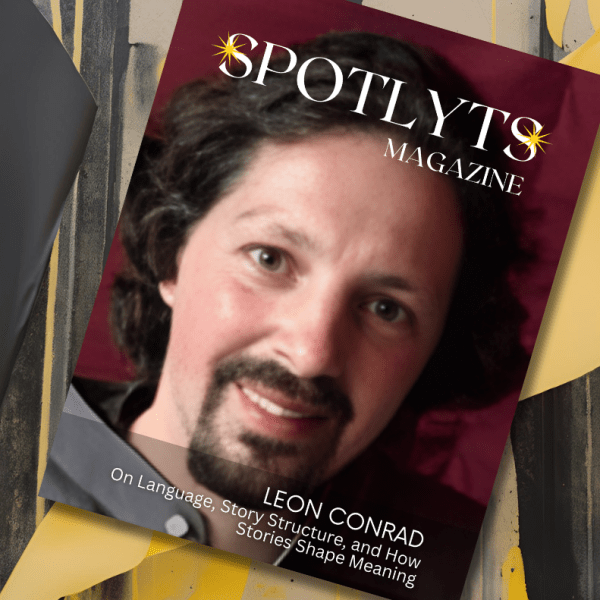
In the Spotlight: Leon Conrad on Language, Story Structure, and How Stories Shape Meaning
Why do some stories feel instinctively right while others fall flat—even when we can’t explain why? This interview explores how story structures shape meaning and invites readers to discover the answer.
Keep reading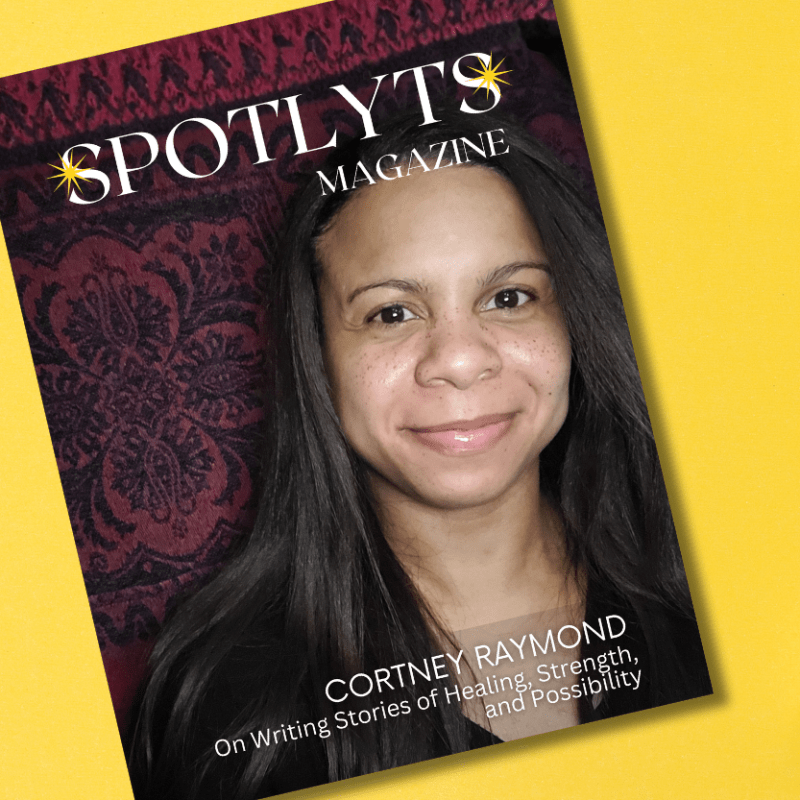
In the Spotlight: Cortney Raymond on Writing Stories of Healing, Strength, and Possibility
Ever wondered what it’s like to write stories that give hope to people who’ve endured trauma? Discover how Cortney Raymond blends real-life experiences and imagination to create resilience, strength, and possibility.
Keep readingSomething went wrong. Please refresh the page and/or try again.
More Highlights

The Most Underrated Changes Coming Soon
Not all game-changing trends are obvious. Industry leaders reveal the underappreciated shifts quietly shaping the next five years—before they become impossible to ignore.
Keep reading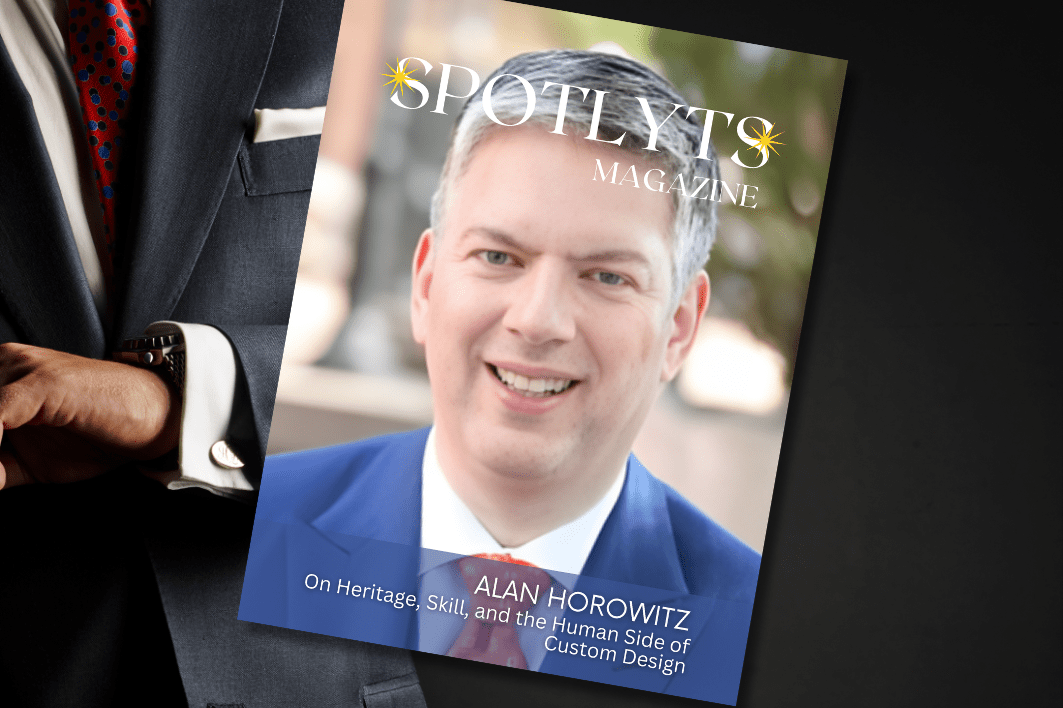
In the Spotlight: Alan Horowitz on Heritage, Skill, and the Human Side of Custom Design
What happens when decades of family tradition meet modern demands for fit, quality, and purpose? Discover how Alan David Horowitz adapts bespoke tailoring to today’s world in this interview.
Keep reading
In the Spotlight: David W. Berner on Writing, Observation, and Turning Life into Stories
What if time itself were the story’s quiet narrator? This interview explores how a writer reflects on aging, creativity, and attention—inviting readers to discover the answers by reading the full conversation.
Keep reading
Announcing the Spotlyts Awards Winners: Celebrating Stories That Matter
Here now are the winners of the Spotlyts Awards 2025.
Keep readingSomething went wrong. Please refresh the page and/or try again.

 Spotlyts
Leave a comment