
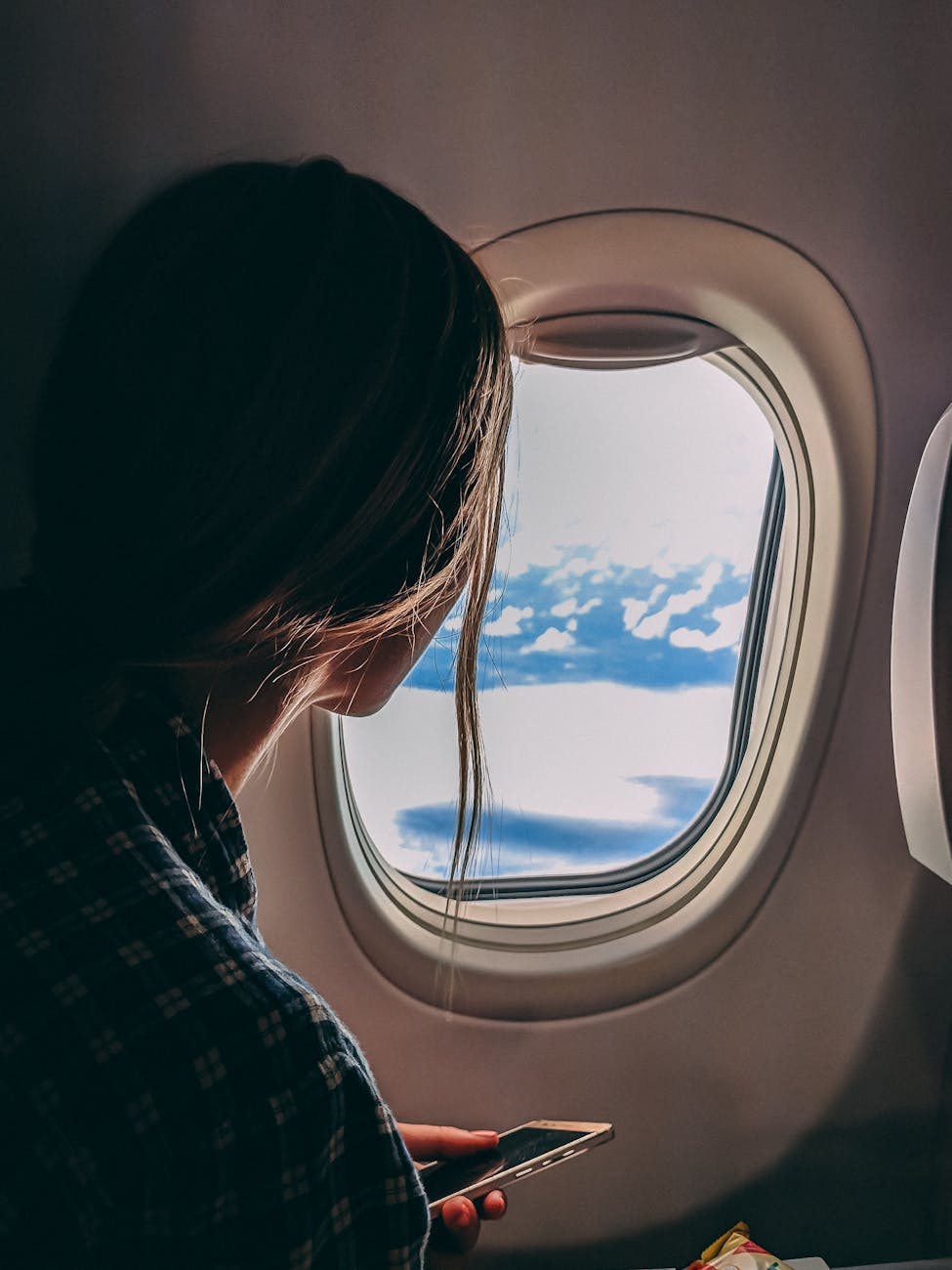
With its ability to unite civilizations and diminish the planet, air flight has long been seen as a sign of progress. How often, though, have we stopped to think about the invisible changes that are transforming this scene? Because people wanted to be secure, efficient, and convenient, the pandemic hastened the adoption of touchless technology, digital health verifications, and flexible booking procedures. According to scientific study, these technologies improve health security by reducing contact points, and behavioral research indicates that travelers are increasingly choosing direct flights and customized travel experiences. One well-known saying serves as a reminder that “Change is the only constant.” In today’s air travel reinvention, long-term adaptation is more important than fads.
Digital Health Verification Revolutionizes Air Travel
The pandemic has changed air travel in many aspects, but one change that is here to stay is the worldwide implementation of digital health verification systems. What was initially applied as a temporary solution to ensure passengers remained safe throughout the pandemic is now becoming a crucial tool in streamlining the travel experience. Increasingly, countries and airlines are adding digital health apps to save test results, vaccination certificates, and other health documents. This isn’t a short-lived fad. It’s an irreversible revolution. The demand for safer, quicker, and more convenient air travel has made digital health verification a part of everyday air travel.
Not only health verification but also a growing dependence on automation and touchless technology throughout the journey is being seen. From biometric boarding to mobile check-ins, passengers are now more comfortable dealing with everything from their phones. This trend was accelerated by the pandemic but has picked up speed because of convenience. With travel returning, these digital options not only fulfill the increasing demand for efficiency but also meet the demands for speed and safety. Airports and airlines will continue investing in these technologies, changing the way we travel and setting a new standard for the industry as a whole. What’s next in air travel is evident: it’s becoming more digital, more automated, and more seamless.
James Thai, CEO & Founder, James Travel
Cleanliness and Contactless Tech Reshape Flying
One permanent change I see sticking around in air travel is the intense focus on health and cleanliness. Travelers now expect clean spaces, HEPA air filtration, and touchless technology — and airlines know it’s crucial for customer trust. Going forward, I believe air travel will continue to evolve toward more contactless experiences, more flexible ticketing, and a growing focus on wellness and sustainability. It’s an exciting time for family travel, with more thoughtful options emerging than ever before.
Jenna Fawley, Owner, Family Travel Unplugged
Direct Flights Gain Popularity Post-Pandemic
One permanent change I anticipate in air travel stemming from the post-pandemic era is a continued strong preference for direct flights. I believe this will persist because travelers gained a heightened awareness of potential health risks associated with crowded airports and multiple connections. Minimizing time spent in transit hubs and on additional aircraft reduces exposure, offering a greater sense of control and well-being during the journey.
Looking ahead, I see air travel evolving with an increased emphasis on efficiency and perhaps a greater willingness among some travelers to pay a premium for convenience and perceived safety. While the desire for exploration and connection remains strong, the experience of the pandemic has subtly shifted priorities for some, making the ease and directness of travel a more valued aspect of the overall journey.
Bruce Fisher, Owner, Hawaii Aloha Travel
Flexible Booking Policies Become Industry Standard
Flexible cancellation and change policies are a permanent fixture of post-pandemic air travel. Before COVID-19, changing a flight often meant steep fees and hassle. But during the pandemic, airlines had to adapt quickly, and passengers got used to a new level of flexibility. That expectation has stuck. Today, travelers are more cautious — booking closer to departure dates and expecting transparent refund policies. In response, many airlines now advertise flexibility as a core selling point. Personally, I’ve booked more confidently knowing I can adjust plans without penalties. This benefits both airlines and consumers by encouraging early bookings and reducing stress. I believe this trend will remain because it aligns with the growing demand for travel that is adaptable, customer-friendly, and responsive to uncertainty — whether due to weather, personal emergencies, or evolving health conditions.
Kate Kandefer, CEO, SEOwind
Destination Apps Transform Travel Experiences
The pandemic sparked a surge of destination-specific mobile apps, and honestly, I think they’re here to stay. These digital companions are replacing generic travel advice with hyper-local insights, changing how we explore unfamiliar cities for good.
On my recent trip to Portugal, I couldn’t help but notice the gap between travelers using Lisbon’s official city app and those clutching outdated guidebooks. The app provided real-time crowd updates at popular spots, nudged users toward quieter attractions during peak times, and even offered “flash deals” at restaurants that needed to fill tables.
These new destination apps feel like “travel’s digital ecosystem 2.0.” They’re far more than just maps or translation tools. Instead, they help manage overtourism by encouraging people to adjust their plans with small incentives.
I’ve seen this shift firsthand. Out of my last dozen international bookings, clients said city-specific apps shaped their daily choices in surprisingly positive ways. One found a tucked-away courtyard restaurant in Venice after the app flagged that St. Mark’s Square was crowded. Another received an alert about a sudden museum closure in Madrid, saving them the hassle of a wasted trip.
Travelers now get access to insider tips and experiences that used to be local secrets. Cities, on the other hand, gather data and can gently steer crowds away from hotspots that can’t handle the pressure.
These apps started out as tools for COVID tracking, but now they’re evolving into platforms that connect visitors with up-to-the-minute local information. It’s what I like to call “adaptive travel”—where your journey shifts and responds to whatever’s happening, instead of sticking to rigid, outdated patterns.
Joe Hawtin, Owner, Marin County Visitor
Touchless Technology Enhances Passenger Safety
As a frequent flyer, I welcome back the ease of booking, boarding, and feeling relatively safe during my air travels. What I have noticed in our post-pandemic era is the evolution of new practices, especially with the use of developing technology. From facial recognition to other touchless technologies, I have experienced the trend toward minimizing the opportunities for physical contact between passengers and between passengers and crew.
I’m able to check in using kiosks only and board the plane with just a smile to the camera. On board, the consistency with which flight attendants now wear gloves, especially during food service, provides a new level of comfort, not concern. I find this action to be a respectful preventive measure, seeking to keep all staff and passengers safe from potential infectious organisms.
Additionally, I appreciate the offering of single-use hand sanitizer wipes, which are provided at boarding and always available in-flight. I anticipate that these and many yet-to-be-thought-of enhancements will continue to become standard practice toward sustaining the air travel industry and customers’ levels of confidence.
Ashley Kenny, Co-Founder, Heirloom Video Books
Airlines Redesign Cabins for Perceived Space
One permanent shift that I don’t think enough people are discussing is the psychological reset that occurred regarding personal space during travel—and how that’s quietly rewriting airline design behind the scenes.
Before the pandemic, cramming into economy class like sardines was just “part of the deal.” Now? People are hypersensitive to space in a way that feels almost permanent. Even when masks were no longer required, that invisible bubble remained. You can observe it in subtle ways: passengers giving sidelong glances at coughs, booking aisle seats just to avoid feeling boxed in, and even paying a premium to avoid a stranger’s elbow in their ribs. Airlines have noticed—and they’re adapting, but not in the way you might expect.
Instead of adding more space (because let’s be realistic, profit margins are razor-thin), they’re investing heavily in the illusion of space. Expect a wave of cabin designs that trick the mind: smarter lighting, staggered seating, curved barriers, and modular seating zones that feel more private without actually costing much in square footage. Think of it as psychological comfort without physical luxury. It’s space theater, not real estate.
In the bigger picture, air travel is shifting from a “mass cattle herd” experience to something that feels more curated—even in economy class. Micro-zoning cabins, personalizing in-flight experiences, and touchless everything will move from being premium perks to basic expectations.
The pandemic didn’t just change rules—it changed instincts. And once people’s instincts change, businesses have no choice but to redesign around them.
Derek Pankaew, CEO & Founder, Listening.com
Biometrics and Sustainability Shape Future Flying
A significant change in air travel likely to stick around is the emphasis on touchless technology. The pandemic highlighted the need to minimize physical contact, leading to advancements in biometrics for check-ins and security. This technology not only makes the process faster but also enhances health safety, which many travelers now expect as a standard practice.
Airlines are also likely to focus more on sustainability. Cutting carbon emissions is gaining traction as a long-term goal, driven by both environmental concerns and customer demand for responsible travel options. A practical way travelers can adapt is by registering for biometric programs offered by airlines and airports. This ensures a smoother experience and aligns with the trend towards increased digital solutions in travel.
Balaram Thapa, Co-Founder/ Head of Marketing & Sales, Nepal Hiking Team
Share Your Insights
We’d love to hear from you! Share your thoughts in the comments below:
- What other ideas or perspectives would you add to the discussion?
- What are your thoughts or experiences on this topic?
- Have you encountered something similar or different?
DISCLAIMER: Spotlyts Magazine does not provide any form of professional advice. All content is for informational purposes only, and the views expressed are those of individual contributors and may not reflect the official position of Spotlyts Magazine. While we strive for accuracy and follow editorial standards, we make no guarantees regarding the completeness or reliability of the content. Readers are encouraged to conduct their own research and seek professional assistance tailored to their specific needs. Any links included are for reference only, and Spotlyts Magazine is not responsible for the content or availability of external sites. For more details, please visit our full Disclaimer, Privacy Policy, and Terms of Service.
Highlight of the Day
“With great power comes great responsibility.”
— Uncle Ben, Spider-Man
More Stories for You

Seasonal Rituals Inspire Global Communities
Ever wondered why we instinctively gather or celebrate when seasons change? This roundup explores how different cultures ritualize nature’s cycles—and what we can learn from these timeless patterns.
Keep reading
The Deal by Nazia Kamali (Short Fiction)
What does a familiar bar reveal when no one is watching? This piece invites readers inside shifts, hidden rituals, and a looming surprise.
Keep reading
In the Spotlight: Leon Conrad on Language, Story Structure, and How Stories Shape Meaning
Why do some stories feel instinctively right while others fall flat—even when we can’t explain why? This interview explores how story structures shape meaning and invites readers to discover the answer.
Keep reading
In the Spotlight: Cortney Raymond on Writing Stories of Healing, Strength, and Possibility
Ever wondered what it’s like to write stories that give hope to people who’ve endured trauma? Discover how Cortney Raymond blends real-life experiences and imagination to create resilience, strength, and possibility.
Keep readingSomething went wrong. Please refresh the page and/or try again.
More Highlights

The Most Underrated Changes Coming Soon
Not all game-changing trends are obvious. Industry leaders reveal the underappreciated shifts quietly shaping the next five years—before they become impossible to ignore.
Keep reading
In the Spotlight: Alan Horowitz on Heritage, Skill, and the Human Side of Custom Design
What happens when decades of family tradition meet modern demands for fit, quality, and purpose? Discover how Alan David Horowitz adapts bespoke tailoring to today’s world in this interview.
Keep reading
In the Spotlight: David W. Berner on Writing, Observation, and Turning Life into Stories
What if time itself were the story’s quiet narrator? This interview explores how a writer reflects on aging, creativity, and attention—inviting readers to discover the answers by reading the full conversation.
Keep reading
Announcing the Spotlyts Awards Winners: Celebrating Stories That Matter
Here now are the winners of the Spotlyts Awards 2025.
Keep readingSomething went wrong. Please refresh the page and/or try again.

 Spotlyts
Leave a comment