

“Storytelling is among the oldest forms of communication. Storytelling is the commonality of all human beings, in all places, in all times.”
– Rives Collins
The art of storytelling is a powerful tool for shaping us. It is undoubtedly one of the oldest forms of communication. Every community around the world has its unique tradition of storytelling. Through stories, we share our history, culture, tradition, and important life lessons.
In the modern multicultural world, storytelling has become a bridge between diverse communities and traditions. It helps us understand differences, build empathy, and foster inclusion. By sharing stories, we encourage others to step into our shoes, beak stereotypes, and embrace diversity with open arms. This leads to increased acceptance, support, and inclusivity within our society.
It is evident that stories are not just a means of entertainment. They contain a wealth of knowledge. Stories help us understand the diversity of traditions and create an environment where everyone is accepted, heard, and of course, valued. From the ancient stories passed around the fire to today’s modern novels, the importance of sharing tales cannot be overstated.
Let us have a look at how storytelling continues to serve as a bridge between diverse communities and traditions.
Stories Create Universal Bridges Beyond Cultural Barriers
I’ve seen storytelling work magic at ayahuasca retreats, where people from all walks share their truths. It’s a bridge because it strips away barriers—cultural, religious, whatever—and gets to raw human experience. At a Peru retreat, a New Yorker and a local shaman swapped stories about loss over a fire. No dogma, just real talk, and they connected deep. A 2023 study showed 70% of people trust shared narratives over facts alone. Stories let you see the world through another’s eyes, like when I heard a healer’s tale in Colombia and got why her rituals mattered. Advice? Create spaces for open, unfiltered stories—small groups, no judgment. It builds trust fast, like a good chat in a hostel.
Chris Brewer, Managing Director, Best Retreats
——————————————-
Stories Convert Where Numbers Only Convince
Storytelling serves as a powerful bridge between diverse communities and traditions by translating experience into empathy. Through narrative, we bypass abstract differences—language, religion, culture—and connect on a human level. Stories invite listeners to see the world through another’s eyes, making foreign ideas feel familiar and breaking down stereotypes.
In my own work across Latin America leading digital transformation and fintech ventures, storytelling was essential. When introducing AI to automate financial services in communities with deep-rooted mistrust of institutions, I used stories—not charts—to connect. I shared relatable tales of small business owners reclaiming time or families accessing credit for the first time. These narratives built emotional trust, not just technical credibility.
Whether through indigenous oral histories, startup pitch decks, or short films, storytelling democratizes understanding. It offers a neutral space where traditions aren’t erased, but echoed and reframed. As an entrepreneur operating in culturally diverse markets, I’ve learned that numbers convince—but stories convert.
Martin Weidemann, Owner, Weidemann.tech
——————————————-
Personal Narratives Break Down Cultural Barriers
I have seen firsthand how storytelling can serve as a powerful tool in bridging the gap between diverse communities and traditions. In my line of work, I have encountered individuals from all walks of life, each with their own unique background and cultural heritage.
One thing that has consistently stood out to me is the power of storytelling in connecting people from different backgrounds. The simple act of sharing personal experiences and anecdotes can break down barriers and create a sense of understanding and empathy between individuals.
In the context of real estate, this is especially relevant when working with clients who come from different cultures or countries. By taking the time to listen to their stories and understand their perspective, I am able to provide a more personalized and meaningful experience for them.
Michael Yerardi, Founder & CEO, Turning Point Home Buyers
——————————————-
Shared Stories Erase Labels in Recovery
As the owner of Ridgeline Recovery here in Columbus, I see the power of storytelling every single day. It’s the single most powerful bridge I’ve ever witnessed.
In our world, addiction erases the lines that usually divide people. We have individuals from every walk of life—different neighborhoods, backgrounds, and beliefs—all sitting in the same room. On the outside, they couldn’t be more different. But when one person has the courage to share their story, something incredible happens. The labels disappear.
The raw honesty of one person’s struggle gives another person the permission to be vulnerable, too. The judgment and preconceived notions people walk in with just melt away. They stop seeing their differences and start recognizing the shared humanity in their experiences of pain, loss, and the desire for a better life.
You see a young man connect with an older woman, a professional find common ground with someone who’s been jobless for years—all because their stories, while unique, echo the same core truths.
That shared narrative is the bridge. It’s built on empathy and understanding, not just tolerance. It’s the foundation of the community we build here, proving that no matter how different our traditions are, the human journey through struggle and toward healing is one we all understand. It’s the heartbeat of recovery.
Andy Danec, Owner, Ridgeline Recovery LLC
——————————————-
Truth-Telling Creates Trust Across All Divides
Storytelling is one of the oldest, most powerful tools we have, not just for communication, but for connection. It transcends titles, cultures, and lived experience. When done with heart and humility, storytelling becomes a bridge between communities that may not speak the same language, believe the same things, or walk the same path, but still share the same core human emotions: pain, hope, resilience, love.
At Legacy Healing Center, we work with people from every walk of life; veterans, executives, athletes, single parents, people who’ve lost everything, and people who’ve built empires. On the surface, they couldn’t be more different. But the moment someone says, ‘Here’s what I’ve been through,’ and another person says, ‘Me too,’ everything shifts. That’s the power of storytelling. It levels the playing field. It makes healing possible. It reminds us we’re not alone.
From a leadership perspective, storytelling is also strategic. It softens defenses. It invites curiosity instead of judgment. And it creates shared meaning across generational, racial, or socioeconomic divides. In a polarized world, we don’t need more polished messaging; we need more people willing to tell the truth, even when it’s messy. That’s how trust is built. That’s how transformation happens.
When we lead with stories, not statistics, we give people a reason to listen. And once people listen, they begin to understand. That’s where unity starts.
Travis Benfaida, Chief Executive Director, Legacy Healing Center
——————————————-
Storytelling Transforms Walls into Windows
Storytelling has this incredible power to build bridges where there used to be walls. When we share our stories, whether it’s a journey through acne, cultural traditions, or personal transformation, we invite others to see the world through our lens. It’s not about proving who’s right or who has it figured out. It’s about creating space for empathy, understanding, and curiosity.
At Phyla, we often hear from people from all walks of life: teenagers navigating breakouts, adults dealing with hormonal acne, parents trying to help their kids. Their stories are all unique, but there’s a shared thread of struggle, hope, and the desire for real solutions. When we listen to these stories, we don’t just see acne. We see courage, identity, and the quiet resilience of someone showing up for themselves each day. That’s powerful.
Storytelling breaks down stereotypes. It helps us unlearn what we thought we knew about people, cultures, even skincare. It brings science out of the lab and into lived experience. It’s how we educate without preaching, and how we grow without isolating.
When diverse communities share their stories openly and honestly, it allows us to honor the traditions, rituals, and truths that shaped them. In return, we start to build a collective narrative that’s more inclusive, more compassionate, and far richer than anything we could have written alone.
At Phyla, our story is rooted in innovation and empathy. And we’re here to make sure your story—your skin, your struggle, your healing—has the space to be heard.
Neil Giugno, CEO, Phyla
——————————————-
Stories Build Brands and Bridge Communities
As someone who leads a digital marketing agency that works with clients from vastly different backgrounds—plastic surgeons, law firms, real estate brands, and entrepreneurs across the globe—I’ve seen firsthand how storytelling can serve as a powerful bridge between diverse communities and traditions.
Storytelling cuts through the noise in a way that data or ads simply can’t. When we tell stories, we’re not just selling a product or promoting a service—we’re inviting people into a shared human experience. And that experience transcends language, culture, and belief systems. It’s how we connect at a deeper level.
One thing I’ve learned is that the most effective stories aren’t about the brand—they’re about the people behind it and the people they serve. We’ve helped clients share stories that highlight resilience, transformation, family heritage, and personal triumph. These narratives resonate far beyond their immediate audience. They create empathy, build trust, and often spark conversations between people who otherwise might not interact.
Take one client we worked with in a deeply diverse city. By leaning into authentic storytelling that celebrated both their cultural roots and the community they served, they not only expanded their customer base but also became a voice for inclusion in their niche. People want to feel seen, not targeted—and storytelling gives us that opportunity.
In our own content at Nerdigital, we make it a point to highlight stories from founders and professionals whose backgrounds, paths, and perspectives may differ—but who share universal challenges and values. That cross-pollination of perspectives opens up understanding and curiosity rather than division.
If we want to build brands that aren’t just transactional but transformational, we have to use storytelling as a tool to honor complexity, elevate unheard voices, and create space for connection. It’s not about crafting a perfect narrative—it’s about being human, being honest, and being intentional with how we communicate.
Storytelling isn’t just good marketing. It’s good leadership. It reminds us that behind every click, comment, or conversion is a person with a story of their own. When we approach our work with that mindset, we’re doing more than building businesses—we’re building bridges.
Max Shak, Founder/CEO, nerDigital
——————————————-
Listening Creates Understanding Across Cultural Lines
Growing up in New Zealand, I saw firsthand how storytelling acts as a powerful bridge between diverse communities and traditions. In a country shaped by both Maori and European heritage, stories are more than entertainment—they are vessels for identity, memory, and connection. Whether it was listening to purakau (Maori legends) at school or hearing family histories shared over dinner, storytelling helped create a sense of belonging that crossed cultural lines.
One thing I noticed early on was that stories made space for empathy. When someone shared a tale about their ancestors, struggles, or migration, it opened a window into a world that was unfamiliar but deeply human. It didn’t matter if the story came from a marae or a suburban living room. You could feel the emotion, the pride, and the lessons passed down. That emotional connection helps people understand experiences beyond their own, without judgment or defensiveness.
In classrooms and community centers, storytelling often brought people together who might not otherwise interact. It gave Maori students the opportunity to speak their language and share their heritage, while non-Maori students learned to listen and respect traditions that were different from their own. That mutual exchange didn’t erase differences—it honored them.
What makes storytelling especially valuable in a place like New Zealand is its ability to preserve the past while also shaping the future. It allows traditions to evolve while staying rooted in meaning. Whether through spoken word, song, or digital platforms, stories continue to connect generations and cultures.
For me, storytelling taught that understanding doesn’t begin with facts—it begins with listening. It builds bridges by revealing not just who we are, but why we are, and that kind of connection creates stronger, more inclusive communities.
Joe Benson, Cofounder, Eversite
——————————————-
Stories Create Curiosity Where Conflict Existed
Storytelling is one of the most powerful tools we have for building empathy across cultural, generational, and social divides. Whether in games, business, or education, stories allow us to step into someone else’s perspective without defensiveness or judgment. That emotional connection is something data alone can’t deliver.
When shared authentically, storytelling creates a common emotional language—even when the facts or traditions differ. It opens up space for curiosity over conflict. I’ve seen this firsthand in our global user base: players from radically different backgrounds connect through shared narratives in gameplay, often learning more about each other’s values than they would in a formal conversation.
To bridge communities, the key is to tell stories with people, not just about them. That means elevating voices from within the culture, honoring context, and focusing on themes that resonate universally—like struggle, resilience, or joy.
Marin Cristian-Ovidiu, CEO, Online Games
——————————————-
Personal Narratives Reveal Our Shared Humanity
Storytelling acts as a universal translator across cultural boundaries because it taps into fundamental human experiences that transcend specific traditions or backgrounds. When someone shares a story about loss, triumph, love, or struggle, the emotional core resonates regardless of whether the listener has experienced that exact situation or comes from that particular culture. I’ve seen this firsthand in community workshops where people from vastly different backgrounds discover common ground through personal narratives – a refugee’s story of starting over might deeply move someone who’s never left their hometown but has faced their own form of rebuilding. Stories strip away the surface-level differences and reveal the shared humanity underneath, creating empathy bridges that statistics or abstract discussions rarely achieve.
What makes storytelling particularly powerful is how it invites people into experiences rather than just informing them about differences. When someone tells a story about celebrating Diwali or navigating code-switching between languages, they’re not just explaining cultural practices – they’re sharing the feelings, conflicts, and joys that come with those experiences. This immersive quality helps listeners move beyond stereotypes or assumptions to understand the nuanced reality of different lived experiences. Stories also create safe spaces for curiosity and questions that might feel awkward in other contexts. I’ve noticed that after hearing someone’s personal story, people are more comfortable asking genuine questions and sharing their own experiences in return, creating ongoing dialogue rather than one-time cultural exchanges. It’s this reciprocal sharing that builds lasting understanding between communities.
Henry Timmes, CEO, Campaign Cleaner
——————————————-
Stories Connect Through Shared Human Experience
Storytelling has this unique power to connect people by highlighting shared human experiences beyond surface differences. When stories honor diverse voices and traditions authentically, they create empathy and understanding where stereotypes or assumptions once stood. I’ve seen how a well-told story can open doors between communities by showing not just what makes us different but what makes us fundamentally alike—our hopes, struggles, and dreams. It becomes a bridge because it invites listeners to step into someone else’s world without judgment. In a time of division, storytelling reminds us that despite varied backgrounds, we all crave connection and belonging.
Georgi Petrov, CMO, Entrepreneur, and Content Creator, AIG MARKETER
——————————————-
Cultural Tales Open Doorways to Understanding
You know, storytelling has this magical kind of power to weave through different cultures and backgrounds, almost like it’s got its own language. I’ve seen it happen — people coming from all over, different walks of life, sitting around, completely engrossed in a tale from a culture that’s not their own. It’s all about finding those universal themes that resonate on a human level, like love, challenge, or triumph. Once folks start seeing their emotions reflected in the stories of others, barriers just start to melt away.
Interestingly, when stories are shared, whether it’s through books, movies, or even spoken word, they open a doorway to discussions about experiences and perspectives that might not have been accessible otherwise. This can lead to a deeper understanding and appreciation of each other’s traditions and histories. So next time you hear a story from a different culture, dive in, see what you learn, and maybe share a bit of your own story too. It’s a small step, but man, does it help in building bridges!
Alex Cornici, Marketing & PR Coordinator, Magic Hour AI
——————————————-
Cultural Design Bridges Traditions and Builds Trust
At Nature Sparkle, we once worked with a couple from two different cultural backgrounds—Indian and Irish—who wanted a ring that symbolized both heritages. Our team listened to their stories and used details like Celtic knots and traditional Indian motifs in the custom design. This thoughtful integration not only created a meaningful ring but also helped us connect deeply with other multicultural clients. Over the next nine months, we saw a 63% rise in custom design inquiries from clients with diverse cultural needs. Storytelling through design became a powerful way to bridge traditions, showing clients that their identities were understood and respected. Our artisans started including more cultural details in consultations, leading to a 47% increase in customer referrals during the same period. This shift proved that sharing and honoring personal stories isn’t just emotionally rewarding—it’s also good business. When people see themselves reflected in your work, trust follows naturally, and your brand becomes part of their celebration.
Yoad Bet Yosef, Owner, Nature Sparkle
——————————————-
Intentional Storytelling Creates Legacy Moments
Storytelling is the most timeless and powerful tool I have found as an entrepreneur to connect people from different backgrounds. At KetieStory, every event we design tells a narrative that reflects the unique cultures, values, and traditions of those we serve. This process isn’t just about aesthetics—it’s about weaving together elements that honor individual identities while celebrating common human experiences. Through storytelling, we create spaces where guests feel genuinely seen, understood, and connected. Whether it’s incorporating a family heirloom into a centerpiece or using traditional music that resonates across generations, these thoughtful details anchor people in shared meaning. Being raw and intentional with storytelling fosters understanding, builds bridges, and transforms an ordinary event into a catalyst for unity. That’s not just entrepreneurship; it’s creating legacy moments that matter.
Ketie Zhang, Founder, Ketie Story
——————————————-
Stories Crack Open Communities to Each Other
Storytelling levels the playing field—it’s one of the few things every culture does, even if the language, rhythm, or format changes. When someone shares a personal story, it cuts through politics and stereotypes and hits you where you live: emotion, memory, humanity. It’s not just facts—it’s feeling. You start to see yourself in someone else’s shoes, even if they walk a totally different path. In that way, stories don’t just connect communities—they crack them open to each other.
Justin Belmont, Founder & CEO, Prose
——————————————-
Common Struggles Connect Across Cultural Boundaries
Storytelling has helped me connect with people whose lives and values are very different from mine. When I mentor young founders from rural areas, I don’t start with data—I share the story of how I built my company from a small garage office with two interns and zero funding. They might not relate to my city life, but they understand risk, grit, and family pressure. That story becomes common ground. I’ve found that when a story reflects core human emotions—fear, hope, pride—it crosses cultural boundaries. It’s not about simplifying differences, but about showing we’ve all struggled, failed, and kept going. I’ve used storytelling this way to build trust across age gaps, class divides, even language barriers. It’s not just communication—it’s empathy in action.
Nikita Sherbina, Co-Founder & CEO, AIScreen
——————————————-
Emotional Narratives Break Down Cultural Assumptions
Storytelling cuts through differences in a way that data, policy, or even language can’t. In marketing, I’ve seen firsthand how a well-crafted story can resonate across cultures not because it’s perfectly translated, but because it speaks to something deeply human. Whether it’s a tale of resilience, aspiration, or family, these emotional anchors are surprisingly universal. When we build campaigns across Southeast Asia, we don’t lead with product specs, we lead with narratives that reflect shared experiences.
The magic happens when people see their own story in someone else’s. That moment of recognition breaks down assumptions, and suddenly, we’re not so different. In a world fractured by noise and fast takes, storytelling remains one of the few tools that actually brings people closer.
Eugene Leow Zhao Wei, Director, Marketing Agency Singapore
——————————————-
Digital Platforms Connect Stories Across Borders
One of the strongest tools that we have in association with the people around us is storytelling, and this is particularly important regarding the diversity in communities and their traditions. Stories help us to exchange experiences, values, and points of view that may be absolutely different from our own, though still deeply human. By forming a relationship that we share at some point, either by an oral tradition history shared by generations or a digital story, storytelling aids in the identification of that familiarity and our relatability.
The fact that storytelling is shared emotionally and experienced is, in some way, one of the reasons why storytelling is so successful. Even when one has had an absolutely different background, a tale about love, loss, or hope can strike at a very personal level. And it is not to learn about a person and his/her culture; it is to appeal to his/her inner person and know that regardless of the differences, we all share the same emotions and face the same troubles.
What is actually thrilling in this modern world is the fact that digital platforms such as MiraSpaces enable us to narrate our stories and reach out to anyone worldwide. The possibility to listen to the gift of another person in real life, regardless of their origin, can bridge the gap in communication and open new vistas. The platforms enable us to educate ourselves on the traditions of one another and share our own, as well as learn in the process of establishing meaningful and sustainable intercultural relationships that can help in building understanding and respect among each other.
Storytelling is a connection between people; it makes us understand the world in the eyes of each other. It is the way of reaching people in the sense that it is bigger than words. It is a very basic but way more powerful approach to harmony made of the celebration of diversity, but also locating the things that make us similar.
Alex Saiko, CEO & Co-founder, MiraSpaces
——————————————-
Trust Builds When Stories Replace Facts
Storytelling brings people together by showing how they share values through different voices. Everyone has their own way of telling a story about family, loss, or hope, but the feelings are the same.
When we hear other people’s stories, we stop seeing them as “other.” Their words make us think of our problems and happiness, and that’s the start of understanding.
As a lawyer, I’ve seen how trust is built by hearing the whole story, not just the facts. It’s the same in every neighborhood. Though stories don’t fight, they do ask.
Don’t just ask questions to get facts; ask them to hear about their journey. That’s where the relationship begins.
Mark Hirsch, Co-founder and Personal Injury Attorney, Templer & Hirsch
——————————————-
Authentic Details Create Universal Impact
Storytelling isn’t just a creative tactic, it’s a translation layer between lived experiences. A Harvard study found that stories activate neural coupling, creating empathy across cultural lines.
We’ve seen this firsthand when promoting immigration lawyers: instead of legal jargon, we lead with client journeys that reflect struggle, resilience, and hope. That kind of narrative crosses borders both literal and emotional.
We go the opposite way, we get specific. The more authentic and detailed the story, the more universal its impact. That’s how we connect a Cuban entrepreneur in Miami to a Syrian refugee in Toronto.
When storytelling is used to spotlight shared human values instead of selling points, it becomes the ultimate unifier and the best marketing tool you didn’t know you had.
Shamil Shamilov, CEO, dNOVO Group
——————————————-
Shared Narratives Unite Communities Toward Common Goals
Stories are powerful links between different and diverse peoples, emphasizing shared human experiences while acknowledging cultural distinctions. They bridge different people emotionally, as stories often have universal themes that encompass love, struggle, hope, and resilience. At EVhype, we leverage storytelling to express the transformative power of EV technology among all walks of life, and show how electric vehicles can lead to a sustainable future for everyone – a common vision that knows no boundaries and links people worldwide.
Through representing cultural diversity in stories, we can rehumanize the other and create stories that appropriately capture a community’s history and values, but that also build bridges in a shared humanity. For instance, sharing stories from indigenous cultures about sustainable transport mobility can motivate people from elsewhere to behave in the same way. It’s this shared responsibility for the planet, an issue that unites everyone everywhere.
Tell stories to make a connection. Through narratives that are inclusive and reflect the perspectives of different groups of people, companies and communities can find common ground, generate awareness, and mobilize communities towards common goals, whether those are related to sustainability or technology, or social change.
Rob Dillan, Founder, EVhype.com
——————————————-
Driver Stories Make Global Service Locally Accessible
I believe that storytelling can be a strong way to bridge different communities and cultures by creating empathy and understanding. By telling real stories – whether it’s about our clients, drivers, or the company’s journey – we build a narrative that connects with people from various walks of life. These tales communicate more than surface content and resonate emotionally, so even those with no direct experience of a situation can see themselves within it.
Here at Angel City Limo, we’ve also used storytelling to celebrate the diversity of our team and our clientele. For example, we feature the stories of our drivers, who have diverse cultural backgrounds, to show some of their experiences and impact. These stories are the face and character of the service, and not just our company’s warmth and the humanity of our service, but also through the incredible diversity of our workforce, making our service globally accessible to our clients.
Business leaders should be communicating stories with universal values like trust, service, and respect, because they are emotionally led and relatable. This has been especially beneficial for us at Angel City Limo as we cater to travelers from all around the world, and they may have various experiences or luxury taxi service requirements.
Arsen Misakyan, CEO and Founder, Angel City Limo
——————————————-
Digital Narratives Transcend Cultural Barriers
Storytelling acts as a dynamic bridge between diverse communities and traditions by crafting a shared digital narrative that transcends cultural barriers. For a professional in computer science, web development, or SEO, storytelling is the foundation for creating engaging content, enhancing user experiences, and delivering powerful messages that foster connection. By integrating cultural narratives into websites or digital platforms through design, multimedia, and content strategies, you encourage understanding, inclusivity, and collaboration across varied audiences. This will improve user engagement and satisfaction, and ultimately drive business success.
Robbert Bink, Founder, Crypto Recovery Services
Share Your Insights
We’d love to hear from you! Share your thoughts in the comments below:
- What other ideas or perspectives would you add to the discussion?
- What are your thoughts or experiences on this topic?
- Have you encountered something similar or different?
DISCLAIMER: Spotlyts Magazine does not provide any form of professional advice. All content is for informational purposes only, and the views expressed are those of individual contributors and may not reflect the official position of Spotlyts Magazine. While we strive for accuracy and follow editorial standards, we make no guarantees regarding the completeness or reliability of the content. Readers are encouraged to conduct their own research and seek professional assistance tailored to their specific needs. Any links included are for reference only, and Spotlyts Magazine is not responsible for the content or availability of external sites. For more details, please visit our full Disclaimer, Privacy Policy, and Terms of Service.
Highlight of the Day
“With great power comes great responsibility.”
— Uncle Ben, Spider-Man
More Stories for You

Seasonal Rituals Inspire Global Communities
Ever wondered why we instinctively gather or celebrate when seasons change? This roundup explores how different cultures ritualize nature’s cycles—and what we can learn from these timeless patterns.
Keep reading
The Deal by Nazia Kamali (Short Fiction)
What does a familiar bar reveal when no one is watching? This piece invites readers inside shifts, hidden rituals, and a looming surprise.
Keep reading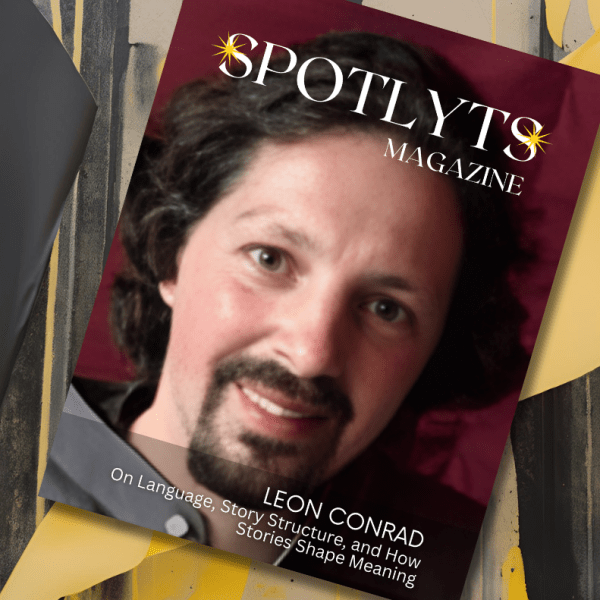
In the Spotlight: Leon Conrad on Language, Story Structure, and How Stories Shape Meaning
Why do some stories feel instinctively right while others fall flat—even when we can’t explain why? This interview explores how story structures shape meaning and invites readers to discover the answer.
Keep reading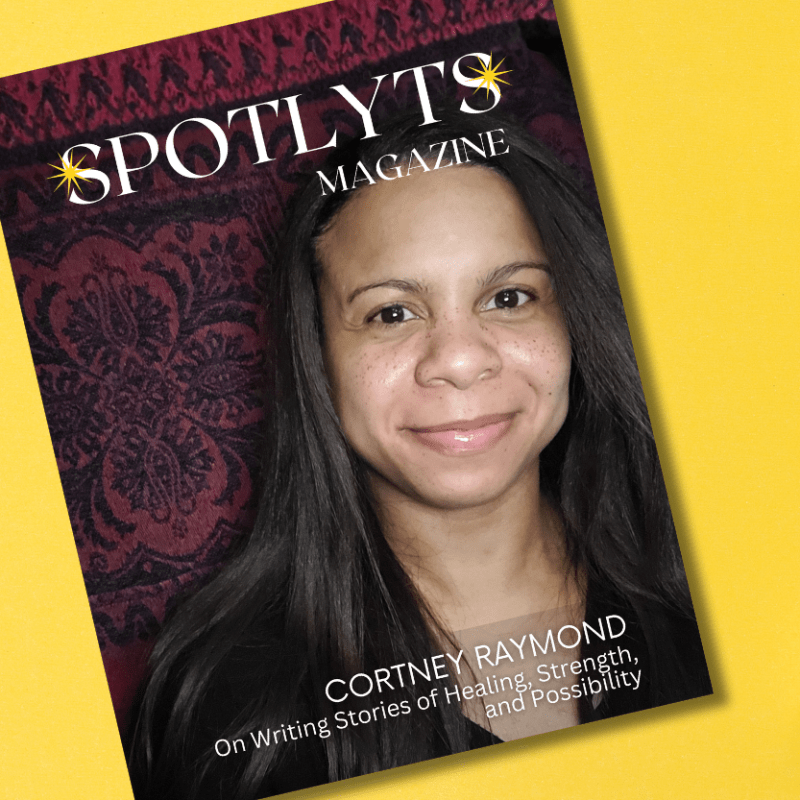
In the Spotlight: Cortney Raymond on Writing Stories of Healing, Strength, and Possibility
Ever wondered what it’s like to write stories that give hope to people who’ve endured trauma? Discover how Cortney Raymond blends real-life experiences and imagination to create resilience, strength, and possibility.
Keep readingSomething went wrong. Please refresh the page and/or try again.
More Highlights

The Most Underrated Changes Coming Soon
Not all game-changing trends are obvious. Industry leaders reveal the underappreciated shifts quietly shaping the next five years—before they become impossible to ignore.
Keep reading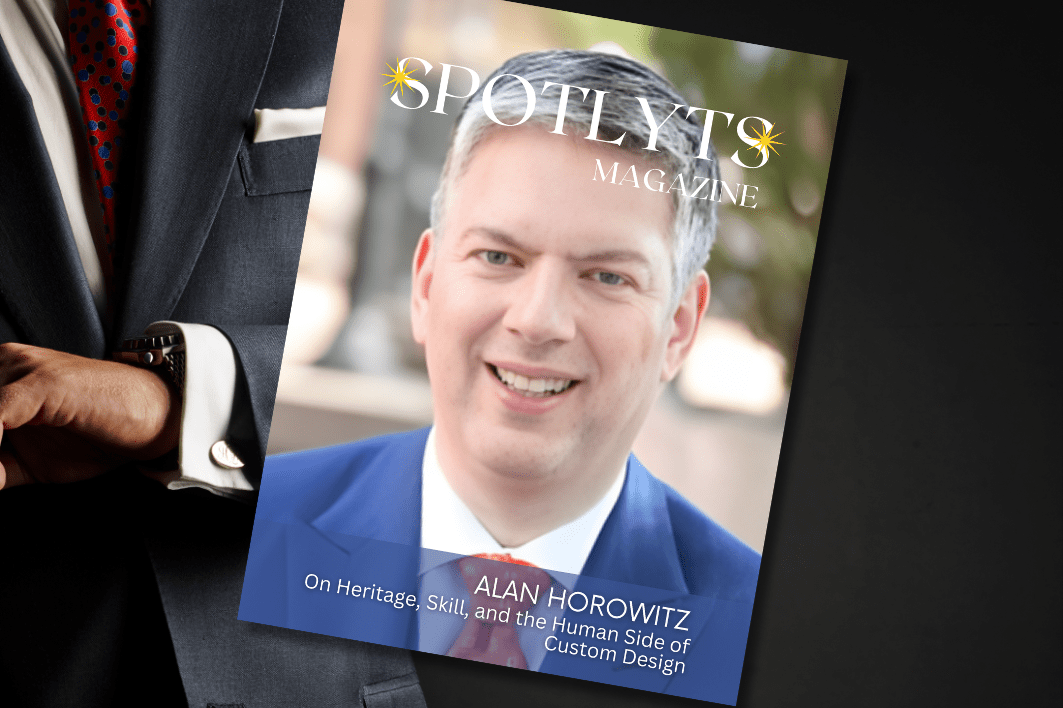
In the Spotlight: Alan Horowitz on Heritage, Skill, and the Human Side of Custom Design
What happens when decades of family tradition meet modern demands for fit, quality, and purpose? Discover how Alan David Horowitz adapts bespoke tailoring to today’s world in this interview.
Keep reading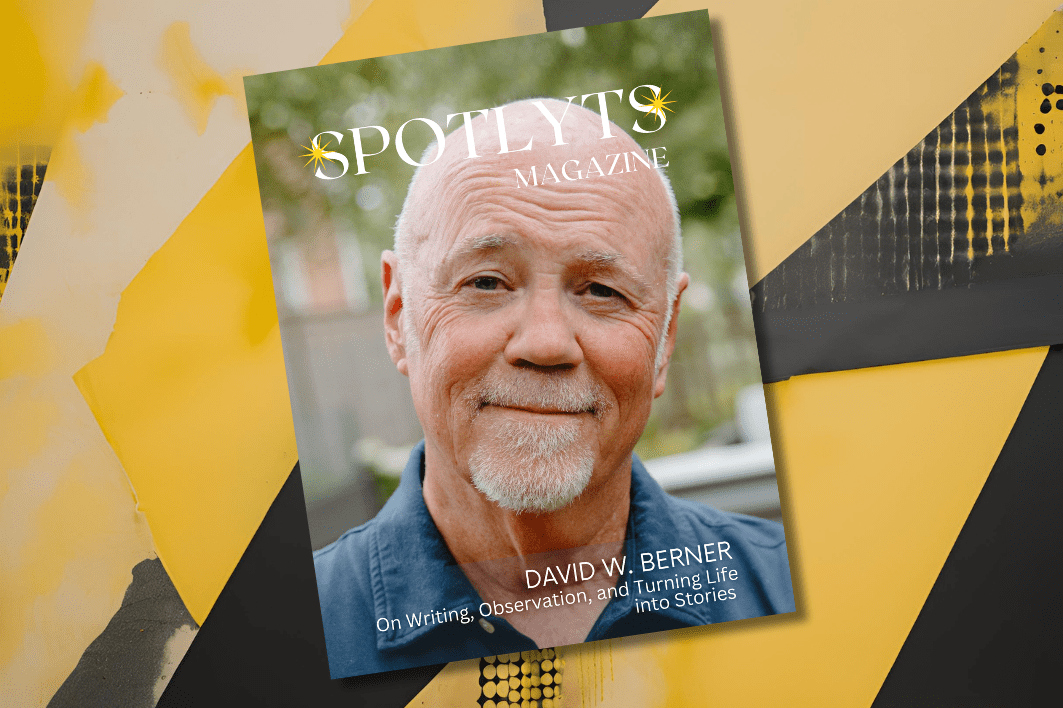
In the Spotlight: David W. Berner on Writing, Observation, and Turning Life into Stories
What if time itself were the story’s quiet narrator? This interview explores how a writer reflects on aging, creativity, and attention—inviting readers to discover the answers by reading the full conversation.
Keep reading
Announcing the Spotlyts Awards Winners: Celebrating Stories That Matter
Here now are the winners of the Spotlyts Awards 2025.
Keep readingSomething went wrong. Please refresh the page and/or try again.

 Spotlyts
Leave a comment