

Worldwide, according to a report, more than 115,000 weddings are held every day. Another report reveals that approximately 10 million weddings take place in India alone each year. What distinguishes each of the numerous rituals that take place throughout the world?
Beyond the couple’s love, the significance and perhaps unexpected ethnic customs are what give each celebration its unique personality. Although you may be aware with the Western adage “something old, something new, something borrowed, something blue,” did you know that Congolese couples don’t emphasize their sincerity of commitment by smiling on their wedding day?
In this expert roundup, let us examine some of the most intriguing wedding customs from throughout the world.
Editor’s Note: Some of the wedding traditions described involve bodily contact, messy substances, or culturally specific gender roles that may be unfamiliar or sensitive to some readers. These descriptions are presented for informational and cultural interest only, without endorsement.
Australian Bride Shoes Tradition Creates Wedding Fun
I find the Bride Shoes as one of the interesting wedding customs in Australia. During the course of reception the bride would be asked to unzip shoes and lay it in the center of the dance floor. All the guests both male and female are then supposed to come in and they take turns of standing in her shoes. Moreover, it is the plot of the story that the individual who best fits in the brides shoes is considered next to be married. The culture is not heavy, humorous and can assist its visitors to fit and reduces the formality of the party.
I think that it is a humorous and at the same time the tradition that also highlights a more forceful cultural significance of community membership. It makes the guests closer to the bride as well as it creates a sense of good natured fun to the proceedings. As in my instance, the reason that such a tradition is attractive to me is that humor is used as a vehicle to break the walls hence give everyone a chance to participate and feel like a part of the wonderful event.
Oliver Morrisey, Estate Lawyer | Owner & Director, Empower Wills and Estate Lawyers
——————————————-
Balinese Weddings Balance Spirituality with Modern Values
One of the most fascinating wedding traditions I’ve come across is from Bali. Like many other countries, it is highly spiritual, but here it is taken very seriously, from the bride taking time with a priest to prepare her transition into a new life growing from young adult, to the husband literally taking the bride from her family home to the new marital home.
It has understandably faced some criticism about the roles of woman, and the idea of ownership a bride, but as with many things of a certain age, these traditions are starting to find new ideas, be presented in different ways and find new identities that communities can be a part of and feel comfortable with. Ultimately, they want to still celebrate the new family, just like any of us.
The wedding itself is both joyous and traditional. A mixture of honouring the spirituality and truly honouring people’s communities. Covered in rich colours, beautiful song and moments to remember, there is something very theatrical about a Bali wedding, and you truly feel a part of something incredibly special
Ryan Carrigan, CEO & Founder, moveBuddha
——————————————-
Global Wedding Rituals Symbolize Unity and Family
In Mexico, couples can participate in a lazo ceremony, in which a rosary or floral rope is placed around them in a figure-eight configuration to represent eternal unity. As the groom’s baraat procession — horseback, music, dance — eventifies the wedding, transforming it into an exuberant public celebration, India. Additionally, Japan’s san-san-kudo ritual calls for the couple to take three sips of sake from three cups together, signifying the blending of two families. And in Scotland, the offbeat “blackening of the bride” ceremony includes dousing the bride with gross, food-related goo to show her strength and as a way to prepare for her forthcoming marriage. These customs serve not only to reflect cultural undertones, but also to add meaning, joy, and respect to the ceremony’s feel.
Alex Veka, Founder, Vibe Adventures
——————————————-
Chaplain Creates Fusion Ceremonies for Interfaith Couples
After officiating hundreds of multicultural weddings as a registered chaplain, I’ve often been called to serve interfaith couples after they were rejected by their childhood faiths. Coming from the Jewish tradition, I create fusion ceremonies that highlight both the richness of individual customs and the commonalities that bridge differences. This has included exchanging vows under the chuppah while incorporating brides in red Chinese gowns and Indian tea ceremonies. While some may have reservations about weddings—or relationships—that cross ethnic or religious lines, feedback has been consistently positive.
Jeremy Golan SHRM-CP, CPHR, Bachelor of Management, HR Manager, Virtual HR Hub
——————————————-
Photographer Captures Diverse Wedding Traditions Worldwide
Fascinating Wedding Traditions from Around the World
Shared by Travis, Owner of Lovelee Photography in Arizona
As a wedding photographer, I’ve had the privilege of witnessing a variety of cultural traditions that beautifully reflect the heart of each couple’s heritage. Some of the most fascinating include:
India: The multi-day celebration of Indian weddings often includes the Mehndi ceremony, where intricate henna designs are applied to the bride’s hands and feet—a symbol of joy, beauty, and spiritual awakening.
Greece: A timeless Greek tradition is the Crowning Ceremony or Stefana, where the couple is crowned with ornate wreaths joined by a ribbon, symbolizing the unity of their souls.
Mexico: El Lazo is a beautifully symbolic ritual where a decorative rosary or floral rope is placed around the couple in a figure-eight, representing eternal love and unity.
Kenya (Maasai Tribe): In some Maasai communities, the father of the bride blesses the couple by spitting on the bride’s head and chest—a gesture meant to bring good fortune.
Each culture brings something incredibly meaningful to the ceremony, and as a photographer, capturing these authentic moments is always an honor. They serve as powerful reminders that love is universal—but expressed in beautifully unique ways.
There are so many cultures and traditions that we have been fortunate enough to be a part of; middle eastern, African, jewish, catholic, and many more and they all have uniquely amazing traditions.
Travis Borkenhagen, Wedding Photographer, Lovelee Photography
——————————————-
Transportation Expert Witnesses Cultural Wedding Processions
We do a lot of wedding transportation, so I’ve seen some really fun traditions firsthand. One I like is the Baraat in Indian weddings, where the groom comes with his full entourage – the horses, the music, dancing in the streets. We’ve escorted caravans of luxury cars behind the procession, and there’s an energy like nothing else, an actual rolling party before the ceremony starts.
In Armenian weddings (which I was raised among), you have the Khosk-Kap – a meeting of families before the wedding to exchange blessings. On the wedding day, the groom’s side usually “barters” with the bride’s family at the house she’s leaving from, a playful tradition that has gone on for generations.
One that surprised me was from some Eastern European and Filipino weddings, a money dance where guests pin money to the bride’s dress as they dance. It’s festive, symbolic, and a way to get the couple set up for a new life together. When they invited me to be a part of those moments as their transportation partner, it allowed me to witness cultural nuances that most people may never have the opportunity to see.
Arsen Misakyan, CEO and Founder, Angel City Limo
——————————————-
Australian Celebrants Create Personal, Non-Religious Wedding Ceremonies
One thing that makes Australian weddings really unique is that more than 80% of weddings here are officiated by civil marriage celebrants, not by religious ministers.
Celebrants are trained professionals who have completed a 12 month course and been judged by the governm ent to be of good character.
They are trained to create personal wedding ceremonies.
That means the wedding ceremonies aren’t tied to a script or tradition—they’re fun, personal, honest, and very human. They reflect the couple, not the institution.
Because of that freedom, you’ll often see things that would feel unusual elsewhere: couples walking down the aisle together instead of the old “bride given away” idea, weekday weddings being totally normal, or ceremonies designed in quirky, meaningful ways that don’t look like anyone else’s.
Australian weddings are incredibly inclusive too—they make space for whoever the couple is, whatever their story, and however they want to celebrate it.
Josh Withers, Tasmanian Wedding Celebrant, Married By Josh
——————————————-
Global Wedding Rituals Express Universal Love
Weddings bring about culture and tradition. In each side of the globe, there exist peculiar traditions. India is one of the examples, as brides are involved in Mehendi Ceremony, during which their hands and feet are painted with henna. The design is much more than an artform. It indicates love and prosperity and well-being to the newly married couple.
In Japan the Shinto wedding comes with a lot of ritual. A special rite between the couple known as San-san-kudo takes place whereby the three sips of sake are drunk within three cups. This is in the most unique and symbolic manner; the couple is made stronger as a duo and as representatives of two families too. The simplicity in which the Japanese execute things due to the elegance it carries is the aspect that makes the rest of the world marvel.
In Mexico, the most prominent of them is the lazo ceremony. It consists in draping a decorated cord or rosary in the form of a figure-eight over the shoulders of the couple. It represents their immortal tie as a pair. In that regard, it is impossible not to admit that love is also an international language. It also shows that there is not even a single corner of the world, which share same ways of celebration and this is where the beauty is.
Komal Preet Kaur, Owner, The Punjabi Kudi
——————————————-
Scottish ‘Blackening’ Tests Couples Before Marriage
As someone with Scottish ancestry, the one that stands out to me is something called blackening the bride, which has historically taken place in Scotland and still takes place to this day. It’s more popular in the rural parts of Scotland, and what it involves is the following. A few days before the wedding, the bride and, in some cases, the groom are blackened by their friends and family. This involves covering them in a mixture of foul substances like rotten food, tar, soot, and even feathers, and then parading them through the streets. The purpose of this rather messy ritual is to prepare the bride and the groom for the challenges of married life, as it is believed that if the bride or the groom can endure this, they can handle anything.
Marc Bromhall, Founder, Cape Trek
Share Your Insights
We’d love to hear from you! Share your thoughts in the comments below:
- What other ideas or perspectives would you add to the discussion?
- What are your thoughts or experiences on this topic?
- Have you encountered something similar or different?
DISCLAIMER: Spotlyts Magazine does not provide any form of professional advice. All content is for informational purposes only, and the views expressed are those of individual contributors and may not reflect the official position of Spotlyts Magazine. While we strive for accuracy and follow editorial standards, we make no guarantees regarding the completeness or reliability of the content. Readers are encouraged to conduct their own research and seek professional assistance tailored to their specific needs. Any links included are for reference only, and Spotlyts Magazine is not responsible for the content or availability of external sites. For more details, please visit our full Disclaimer, Privacy Policy, and Terms of Service.
Highlight of the Day
“With great power comes great responsibility.”
— Uncle Ben, Spider-Man
More Stories for You
Seasonal Rituals Inspire Global Communities
Ever wondered why we instinctively gather or celebrate when seasons change? This roundup explores how different cultures ritualize nature’s cycles—and what we can learn from these timeless patterns.
Keep reading
The Deal by Nazia Kamali (Short Fiction)
What does a familiar bar reveal when no one is watching? This piece invites readers inside shifts, hidden rituals, and a looming surprise.
Keep reading
In the Spotlight: Leon Conrad on Language, Story Structure, and How Stories Shape Meaning
Why do some stories feel instinctively right while others fall flat—even when we can’t explain why? This interview explores how story structures shape meaning and invites readers to discover the answer.
Keep reading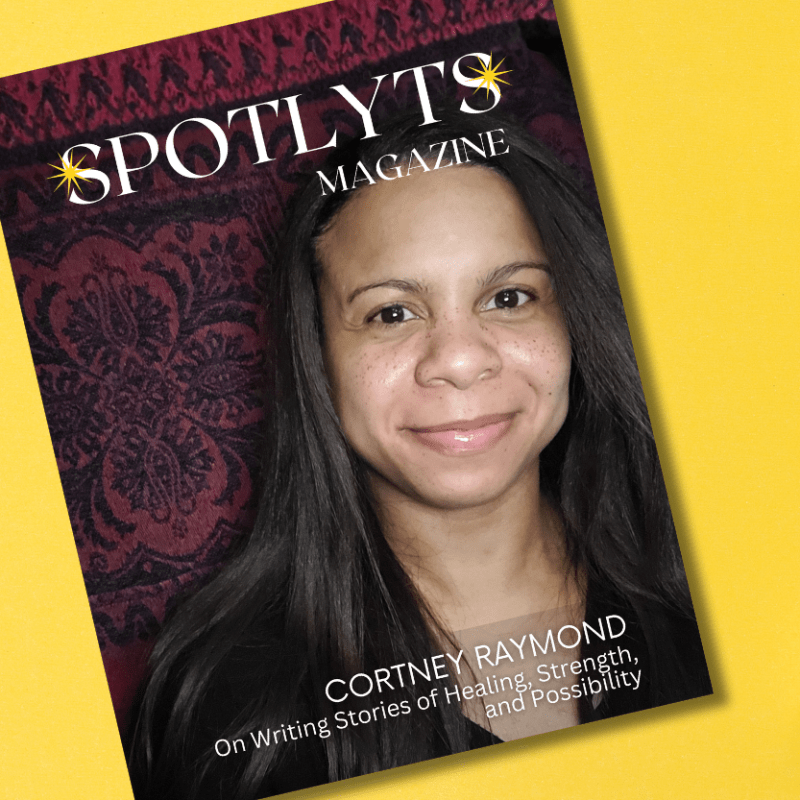
In the Spotlight: Cortney Raymond on Writing Stories of Healing, Strength, and Possibility
Ever wondered what it’s like to write stories that give hope to people who’ve endured trauma? Discover how Cortney Raymond blends real-life experiences and imagination to create resilience, strength, and possibility.
Keep readingSomething went wrong. Please refresh the page and/or try again.
More Highlights

The Most Underrated Changes Coming Soon
Not all game-changing trends are obvious. Industry leaders reveal the underappreciated shifts quietly shaping the next five years—before they become impossible to ignore.
Keep reading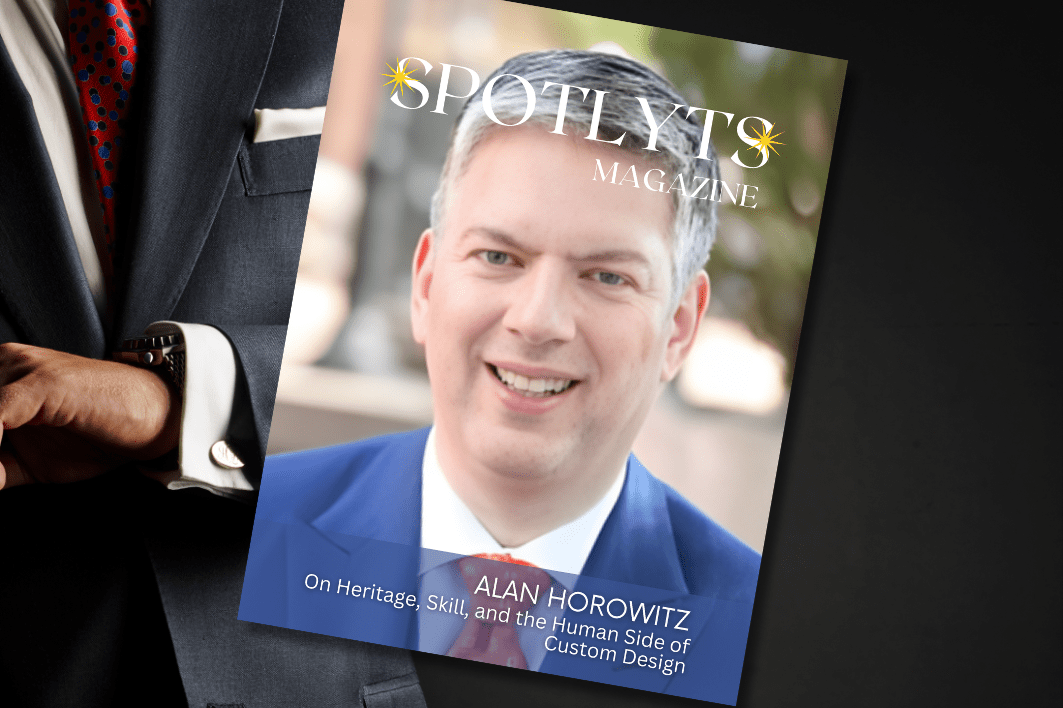
In the Spotlight: Alan Horowitz on Heritage, Skill, and the Human Side of Custom Design
What happens when decades of family tradition meet modern demands for fit, quality, and purpose? Discover how Alan David Horowitz adapts bespoke tailoring to today’s world in this interview.
Keep reading
In the Spotlight: David W. Berner on Writing, Observation, and Turning Life into Stories
What if time itself were the story’s quiet narrator? This interview explores how a writer reflects on aging, creativity, and attention—inviting readers to discover the answers by reading the full conversation.
Keep reading
Announcing the Spotlyts Awards Winners: Celebrating Stories That Matter
Here now are the winners of the Spotlyts Awards 2025.
Keep readingSomething went wrong. Please refresh the page and/or try again.

 Spotlyts
Leave a comment