
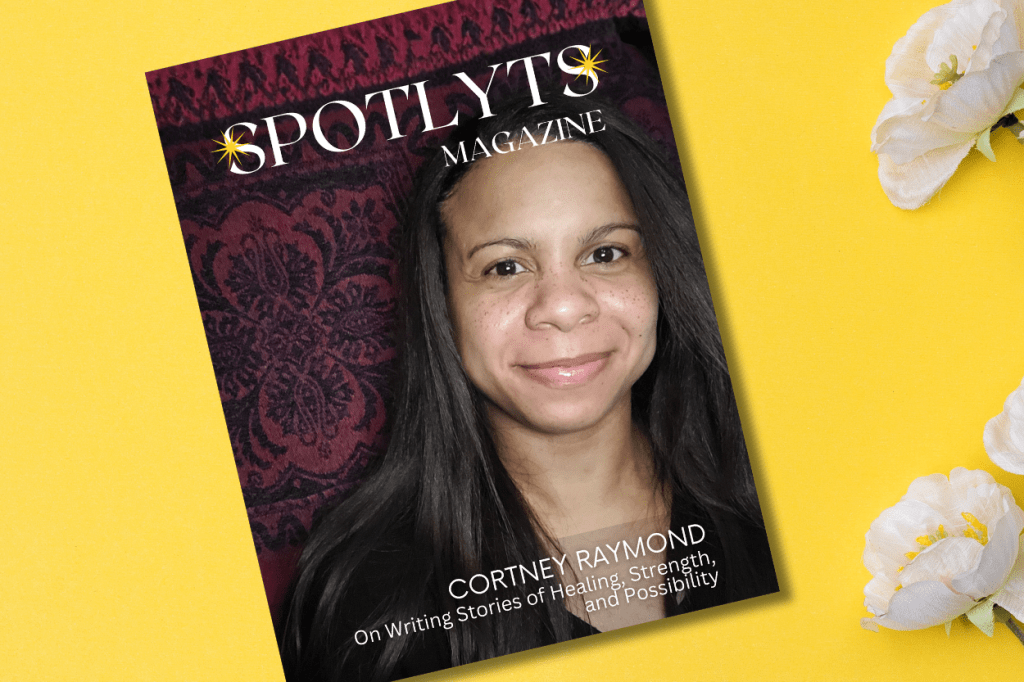
“What made me want to publish my work and share it with others was the idea that I could encourage others through honesty and imagination.”
– Cortney Raymond
The Meaning of Okay author Cortney Raymond has always utilised writing to encourage others and share her experiences. She explores resilience, healing, and hope by fusing personal experience with meticulous research. Raymond talks about her writing journey, topics in her work, and her creative process in this interview.
Note: This interview includes personal reflections on trauma, sexual assault, and mental health. The views expressed are those of the interviewee and do not reflect the opinions of this publication.
Cortney, thank you for joining us. Could you start by telling us a little about yourself, your background, and what led you to become a writer?
Thank you for the opportunity. Let’s see. I don’t go anywhere without my planner, and I love almost anything that’s miniature (mini-insects—no thank you). I have a bachelor’s in professional writing and a master’s in psychology. I’ve always been a writer. I was in elementary school when I won my first award for my writing. It’s something I can’t help but do. What made me want to publish my work and share it with others was the idea that I could encourage others through honesty and imagination. The two seem contradictory, but when you combine them, you get beautiful stories of resilience, strength, and possibility.
How did the idea for your book come about, and what inspired you to bring it to life?
I read lots of romance novels, including dark romance. In the dark romance novels I read, the main female characters experience all sorts of terrible things but are strong, sassy, and unbreakable. As a sexual assault survivor, I tried to see myself in the novels, but I hadn’t come across a main female character struggling to overcome and getting a happily ever after ending. Basically, I didn’t see someone like me in print. Then came the idea that I could give hope to other survivors in the same boat. Once that idea was planted in my mind, I knew I had to write The Meaning of Okay.
Can you walk us through your process for writing and developing the story? How do you shape ideas into a complete narrative?
I think my process is different for each project. For some works, I imagine a scene and then write around it like the ripples from dropping a pebble in a pond. For other works, I know how I want the story to begin and end, so I start from the beginning, outlining chapters until I reach my desired ending. For The Meaning of Okay, I knew the first half from real life and research, so I wrote it first. For the last half of the book, I envisioned what would be ideal but realistic and tried to direct the story toward that type of ending.
What themes or messages were most important for you to convey in your book?
The most important message I wanted to convey is that survivors are lovable just as they are. They may struggle at times and require social accommodations, but that’s completely fine, and the right person will see them for who they are, not what they may still experience, especially those who don’t know their own strength. I wanted them to see that they can have a happily ever after story, too.
Speaking of social accommodations, a theme I wanted to illustrate is the importance of support systems. I’ve often heard loved ones say they don’t know what to do, how to help, what to say, etc. However, it’s not about saying or doing the right thing. It’s about showing up for the survivor when support is needed—and even when it’s not. For The Meaning of Okay, one of my goals was to inform survivors’ support systems that they may still need support, that some things don’t simply go away with time, and that healing can be just as hard as enduring the assault itself.
Receiving the Spotlyts Story Award is a notable recognition. What does this award mean to you, and how do you feel it reflects your work?
The award is an honor, and I greatly appreciate it. The Spotlyts Story Award encourages me to keep writing. It tells me that my audience is wider than I thought and reminds me that my work is worth reading. Its description says the award is for storytelling that “inspires, informs, and connects.” My ultimate goal with all my writing is to inspire; however, in The Meaning of Okay, I also wanted to inform survivors’ support systems about how important their role is. Receiving the Spotlyts Story Award shows that I achieved some measure of success in doing that.
Have there been specific milestones, experiences, or moments in your writing journey that stand out as particularly formative?
One experience that stands out is my attempt to get my MFA (I didn’t complete the program). At the beginning of the first semester, we had to submit two pieces of writing for review and critique by our fellow students and the teacher facilitating the feedback session. When it came time to provide feedback on my writing, the critiques were intensely negative. However, they were not about my style or pacing—they were about the darkness of my content.
In that moment, I realized I needed to address my mental health issues before trying to write for others. Taking the time to care for myself allowed me to improve my writing organically through healing and change. Now in my work, I emphasize the importance of mental health because I’ve experienced how it impacts all areas of your life, including your dream career.
How do you approach connecting with readers through your storytelling? Are there ways you hope your work impacts them?
I try to make my characters relatable, but I mostly try to make their experiences relatable. My readers may not be the same body type or have the same sense of humor as my characters, but I know the readers I’m trying to connect with have hurt alone, have felt shame, and have needed hope. It’s my goal to give them that hope.
What challenges have you faced in developing your voice or style as a writer, and how have you navigated them?
I’ve struggled with being too close to my writing and found myself inserting my emotions instead of letting the reader come to their own conclusions on the significance of a scene. It took multiple revisions to cleanse my writing and take a more objective stance. During that process, I found my true voice and style.
Are there other projects, stories, or creative pursuits you are currently exploring, or that you hope to explore in the future?
Yes, I have a few works in progress, including a short story regarding decision-making and accepting the new normal after a heartbreaking event.
How do you balance inspiration from real life, imagination, and research in your storytelling?
I’m still learning to balance those three. My work tends to be heavy on real life and research and light on imagination. Real life is my inspiration, so I try to stay as close to it as possible. However, I recognize the importance of imagination and am trying to inject more of it into my work. One of my works in progress is almost entirely imagination, and I’m using it as practice to strengthen that creative muscle.
If you were to write your bio in your own words, what would you say? Looking ahead, what kind of long-term impact would you like your work to have?
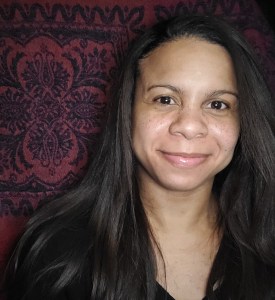
I’m an early riser, eternal learner, and book lover. I’ve won Literary Titan, International Firebird, and Spotlyts awards for my book, The Meaning of Okay. In my free time, I enjoy spending time with my family. I studied professional writing in college and have been a technical writer for several years. I have a BA in English and an MS in psychology.
From my educational background, my personal mental journey, and the journeys I’ve witnessed, I notice a theme of silence. If they’re suffering—silence. If they’re scared—silence. If it will make someone else uncomfortable to listen to—silence. Not everyone is silent, but I’d like to be known as a person who brought the silent ones to the forefront and made sure they knew they were seen and not alone. I cannot speak for them, but I’d want to be known as someone who reminded them it’s okay to speak up for themselves.
“I’d want to be known as someone who reminded them it’s okay to speak up for themselves.”
– Cortney Raymond
Related
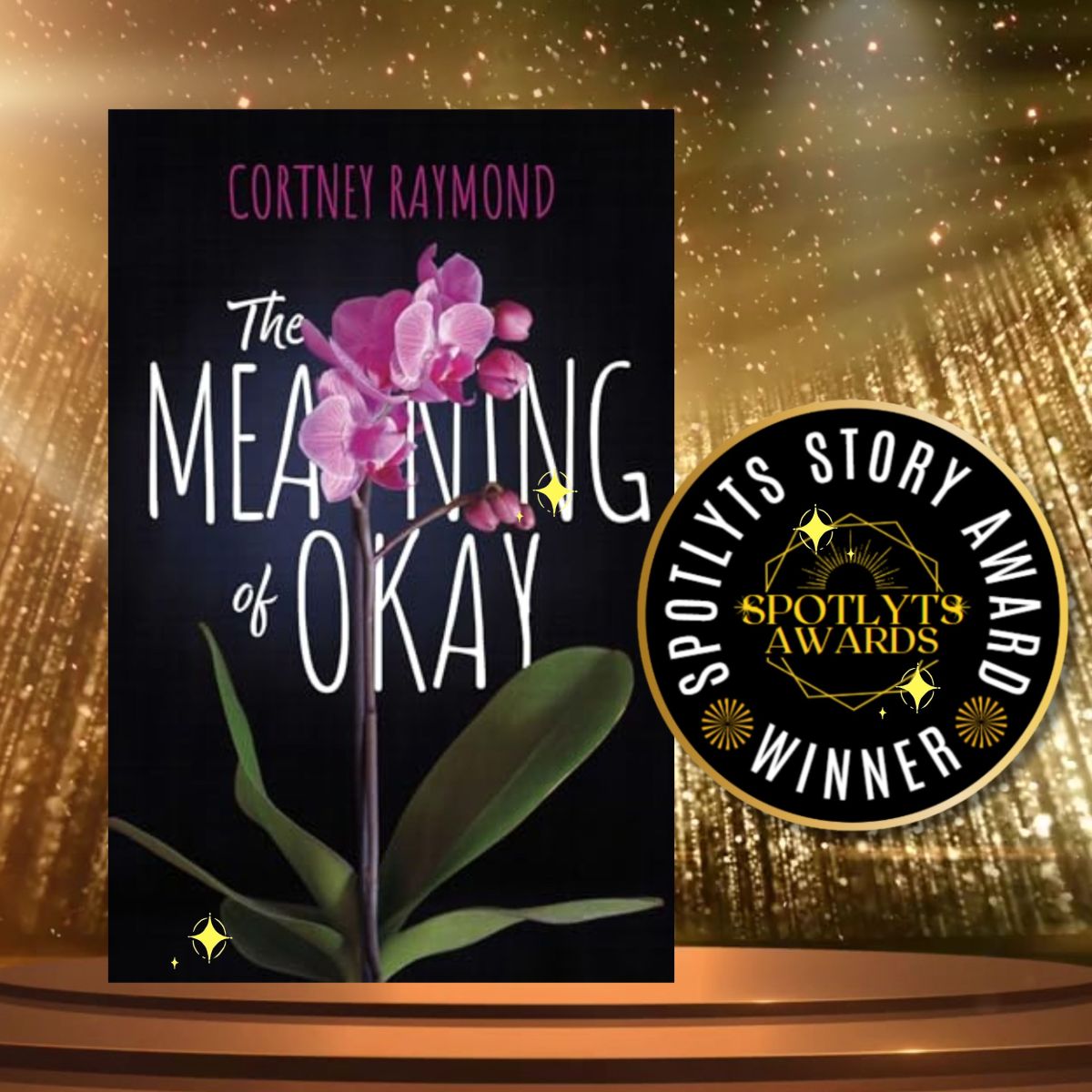
Spotlyts Story Awardee: The Meaning of Okay by Cortney Raymond
Have you ever walked into a room and suddenly felt like a stranger in your own skin? Discover how this unsettling phenomenon shapes a life in ways most never notice—read the full write-up.
Keep readingShare Your Insights
What do you think about the role of storytelling in healing? Share your thoughts:
- In what ways can stories provide hope or guidance in difficult times?
- Have you ever related to a character who overcame significant challenges?
- How do you think honesty and imagination can influence readers’ perspectives?
DISCLAIMER: Spotlyts Magazine does not provide any form of professional advice. All content is for informational purposes only, and the views expressed are those of individual contributors and may not reflect the official position of Spotlyts Magazine. While we strive for accuracy and follow editorial standards, we make no guarantees regarding the completeness or reliability of the content. Readers are encouraged to conduct their own research and seek professional assistance tailored to their specific needs. Any links included are for reference only, and Spotlyts Magazine is not responsible for the content or availability of external sites. For more details, please visit our full Disclaimer, Privacy Policy, and Terms of Service.
Highlight of the Day
“With great power comes great responsibility.”
— Uncle Ben, Spider-Man
More Stories for You

Seasonal Rituals Inspire Global Communities
Ever wondered why we instinctively gather or celebrate when seasons change? This roundup explores how different cultures ritualize nature’s cycles—and what we can learn from these timeless patterns.
Keep reading
The Deal by Nazia Kamali (Short Fiction)
What does a familiar bar reveal when no one is watching? This piece invites readers inside shifts, hidden rituals, and a looming surprise.
Keep reading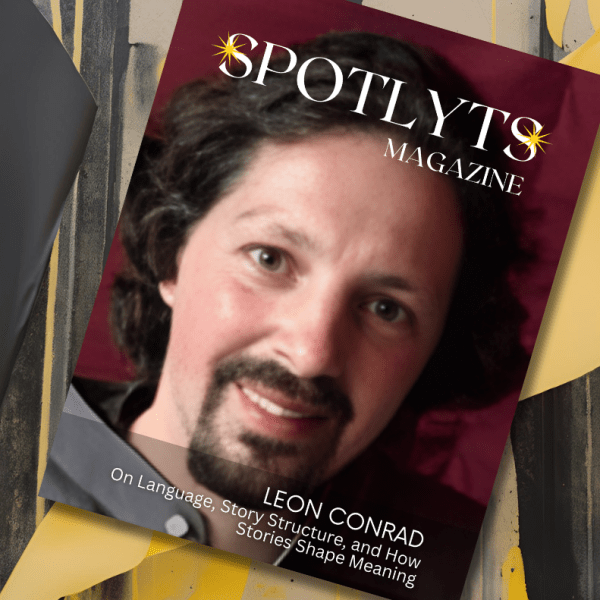
In the Spotlight: Leon Conrad on Language, Story Structure, and How Stories Shape Meaning
Why do some stories feel instinctively right while others fall flat—even when we can’t explain why? This interview explores how story structures shape meaning and invites readers to discover the answer.
Keep reading
The Most Underrated Changes Coming Soon
Not all game-changing trends are obvious. Industry leaders reveal the underappreciated shifts quietly shaping the next five years—before they become impossible to ignore.
Keep readingSomething went wrong. Please refresh the page and/or try again.
Related Posts
In the Spotlight: Alan Horowitz on Heritage, Skill, and the Human Side of Custom Design
What happens when decades of family tradition meet modern demands for fit, quality, and purpose? Discover how Alan David Horowitz adapts bespoke tailoring to today’s world in this interview.
Keep reading
In the Spotlight: David W. Berner on Writing, Observation, and Turning Life into Stories
What if time itself were the story’s quiet narrator? This interview explores how a writer reflects on aging, creativity, and attention—inviting readers to discover the answers by reading the full conversation.
Keep reading
In the Spotlight: Talia Mashiach
Have you ever wondered what happens when creative chaos meets strict financial rules on a film set? This piece explores that intersection through Talia Mashiach’s experiences—read on to uncover perspective.
Keep reading
In the Spotlight: Sal Salcedo on Crafting Art, Community, and Conscious Beauty
Have you ever wondered if a haircut could spark a deeper connection to who you are and the world around you? Discover how Sal Salcedo explores this idea through his artistic journey.
Keep readingSomething went wrong. Please refresh the page and/or try again.

 Spotlyts
Leave a comment