

“The future of fashion isn’t just about looking good; it’s about doing good too.”
– Lexy Silverstein
Fashion often seems synonymous with fast-paced trends and disposable garments. However, there are voices within the industry on a clarion call for a more sustainable and ethical approach to style. Alexis (Lexy) Silverstein, a passionate advocate for sustainable fashion, is leading the charge towards a brighter, greener future in fashion.
As a sustainable fashion content creator and advocate, Lexy is deeply immersed in the world of eco-friendly fashion, often referred to as clean fashion. Through her various platforms, including blogging, vlogging, podcasting, and social media, Lexy spreads awareness about the importance of sustainability in fashion and encourages conscious consumerism.
One of Lexy’s key messages resonates deeply with the ethos of sustainable fashion: “The future of fashion isn’t just about looking good; it’s about doing good too.” This statement encapsulates the essence of her advocacy, emphasizing that fashion should not only adorn the body but also reflect values of environmental stewardship and social responsibility.
Lexy’s dedication to sustainable fashion extends beyond digital platforms into real-world action. Not so long ago, she started protests against SHEIN and challenged the fast fashion giant to address its environmental and social impacts. Alongside like-minded activists, Lexy called for transparency, fair labor practices, and an end to mass-producing disposable clothing.
In her current role as a Social Media and Communications Executive at RCGD Global, Lexy continues to amplify the message of sustainability within the fashion industry. Through strategic social media campaigns and advocacy efforts, she aims to bring environmental and social sustainability to the forefront of the global apparel and design sector.
Lexy’s involvement in sustainable fashion transcends mere career aspirations; it represents a profound personal dedication to forging a greener, more sustainable future. Ever since her transition from a fast fashion enthusiast to a staunch advocate for sustainability, every stride she takes in her recent professional journey has been driven by an unwavering passion for sustainable practices.
Know more about her in this exclusive interview.
SM: Can you share with us your personal journey from being a fast fashion shopper to becoming a prominent advocate for sustainable fashion?
LS: Reflecting on my journey from being a fast fashion shopper to becoming a staunch advocate for sustainable fashion, I often think about how deeply ingrained fashion was in my life from a very young age. According to my mom, I was “born with a fashion gene,” and from the moment I could crawl, I was drawn to the colorful array of clothes, shoes, and accessories in her closet.
My early shopping escapades started innocently enough at stores like Justice during my childhood and transitioned to Forever 21 and Urban Outfitters as I grew into my teenage years. These brands were staples in my wardrobe until I became acutely aware of the harsh realities behind the garments I so cherished.
The pivot in my understanding of the fashion industry’s negative impact on the environment began towards the end of high school and intensified as I started college. Learning about the environmental costs—like the fact that producing a single t-shirt can consume over 120 gallons of water, equivalent to more than two years’ worth of drinking water for one person—was jarring. But that is just the tip of the iceberg.
The industry also contributes massively to landfill waste, with an estimated 11.3 million tons of textile waste discarded annually in the U.S. alone, making up about 85% of all textiles. The revelations about the toxic chemicals used in production, harmful both to consumers and garment workers, and the deplorable working conditions and unfair wages in garment factories, turned my once innocent passion for fashion into a critical, questioning force.
My “ah-ha” moment that cemented my shift towards sustainable fashion came during a college visit to the Fashion Institute of Design and Merchandising (FIDM). I was captivated by a display that highlighted the future of fashion: garments and shoes crafted from sustainable, biodegradable materials like mushrooms and pineapples. This insight into how fashion could harmonize with nature, creating products that could decompose naturally without harming the planet, contrasted starkly with the current state of affairs where synthetic materials like polyester might take up to 200 years to break down. This realization changed my entire mindset and made me want to be a part of the solution rather than a part of the problem. I took on my role as an advocate and an influencer in the fashion space.
Now, as a brand ambassador for Remake and a social media executive for sustainable initiatives, I utilize every platform available to me—from social media to blogging, podcasting, and protesting—to promote sustainable fashion.
I focus my content on highlighting ethical brands, educating my followers about sustainable practices, and offering practical tips for more conscious consumerism, like DIY fashion and thrifting – a subject I explore in my upcoming series of online books, The Devil Wears Vintage: Thrifting Hacks.
I truly believe in the power of collective action. While no one is perfect—me included—in our sustainability efforts, if each of us takes small, consistent steps towards better practices, the cumulative effect can lead to significant changes. My journey from a fast fashion consumer to a promoter of sustainable and ethical fashion practices shows that transformation is possible, and it starts with individual awareness and action.
SM: What inspired you to shift your focus from trends to sustainability on your blog and social media platforms?
LS: Reflecting on my journey into the world of fashion, it feels like I’ve been on a roller coaster, only this one’s made of fabric scraps and recycled buttons. I mean, let’s be real, I was practically swaddled in Vogue issues instead of regular blankets! I kicked off my blog, eLEXYfy.com, as a stylish and sassy 13-year-old eager to spill the tea on the latest trends. Back then, my biggest worry was what shade of neon was in for the summer. Maybe because I also had a band called Neon Rain and so therefore I wore a lot of neon colors.
As I got older, I started peeking behind the fashion curtain, and yikes, it wasn’t all glitter and runway lights. Learning about the fashion industry’s darker side—like how making a single t-shirt can guzzle up more water than I drank in two years—was a real eye-opener. And don’t get me started on the mountains of waste and the terrible working conditions in many factories. It was enough to make my shopaholic self reconsider my cart choices.
That’s when my blog took a sharp turn down Sustainability Lane. I shifted from chasing trends to mapping out my journey towards a more sustainable wardrobe, hoping to nudge others to join me because, let’s face it, fashion shouldn’t cost us the earth. Driven by the chatter and support from my blog community, I launched my podcast, “eLEXYfy: The Place for Sustainable Fashion.” Think of it as your go-to spot for cozy chats with some seriously cool people in the eco-fashion world.
Diving into blog topics, I get my hands dirty with everything from “What are Sustainable Fabrics” (where I get into eco-friendly materials) to “Thrifting Hacks for Beginners” (because who doesn’t love a good treasure hunt?). And another important topic: “Are Your Clothes Poisoning You?”.
Through my podcast, I’ve been able to deepen these discussions, bringing on guests who are turning the tide in fashion. We talk about the nitty-gritty of sustainable innovation and share stories that might just make you look at your wardrobe in a whole new light.
So, as we ride this sustainable fashion wave together, remember, it’s okay not to be perfect. Remember that every little choice adds up, and together, we’re crafting a chic, eco-friendly world, one outfit at a time. So, let’s keep pushing the boundaries, learning from each other, and, of course, having a fabulous time doing it!

SM: As a brand ambassador for sustainable brands, how do you balance promoting fashion and advocating for sustainability?
LS: I only team up with brands that are committed to sustainability. If they’re not green, they’re not for me!
Blending fashion promotion with environmental advocacy is like finding the perfect blend of coffee beans for that rich, ethical espresso—satisfying and guilt-free. I get to show off fantastic styles that make you look good and feel good because they’re kind to the planet. It’s a win-win!
In today’s world, where fast fashion is the easy route, choosing sustainable practices can feel like choosing kale over cake. But let’s be real, who said you can’t have your cake and eat it too? With sustainable fashion, you get style, substance, and a clear conscience!
So, while the balancing act might seem daunting, it’s actually pretty straightforward. I stick with brands that walk the walk and talk the talk. No greenwashing, no empty promises—just real, impactful actions that make the fashion world a better place. And through my roles, I get to share this journey with you, sprinkle in some humor, and maybe inspire a few to join the green side. Remember, every sustainable choice is a step towards a healthier planet.
With Remake, a global advocacy group focused on climate justice and workers’ rights in the fashion industry, our approach is rooted in radical collaboration, education, and campaigning. We strive to unite unlikely allies across the fashion industry to drive meaningful change. By highlighting the intersectional values that guide our work, we emphasize the importance of considering both environmental and social sustainability in every fashion-related decision. I recently led the US part of a global protest against SHEIN and Boohoo on Earth Day with my incredible counterpart, Jemima Elliott, a climate justice journalist from the UK, all supported by Remake.
Similarly, with RCGD, our mission to showcase sustainable practices on the red carpet exemplifies our commitment to raising awareness and inspiring action. We aim to demonstrate that fashion and sustainability are not mutually exclusive but can coexist harmoniously. Now, RCGD Global is evolving into Inside Out Sustainable Fashion, Textiles, and Home, reflecting a broader commitment to sustainability beyond fashion.
In short, achieving balance isn’t about sacrificing style for sustainability; it’s about showing that they can beautifully coexist, and honestly, thrive together.
SM: Tell us about your podcast, “eLEXYfy: The Place for Fashion.” How do you use this platform to educate and inspire others to adopt sustainable fashion?
LS: Four years ago, I started my podcast “eLEXYfy: The Place for Fashion,” fueled by a mission to peel back the curtain on the fashion industry and spotlight the sustainable side that’s too often overshadowed by fast fashion’s flashy lights. This platform has become my soapbox, my stage, and my classroom, where I get to chat with some of the most innovative minds in fashion who are stitching sustainability into the fabric of their work.
Among the notable conversations on “eLEXYfy,” we’ve had fascinating talks with innovators like Gerratt Gerson from Variant3D. Gerratt brought into focus the revolutionary potential of 3D printing in fashion. His insights demonstrate how 3D printing technology can minimize waste and revolutionize design by allowing for precision and customization that traditional manufacturing simply cannot match. This technology isn’t just about creating new looks; it’s about reimagining the production process to be cleaner and more resource-efficient.
The dialogue with Gerratt and others in similar cutting-edge fields helps listeners understand that sustainable fashion isn’t just about choosing organic fabrics or recycling clothes. It’s also about adopting technologies that challenge the status quo of manufacturing and push the boundaries of what’s possible in fashion design.
Recently, I had the chance to chat with some pretty incredible folks. Take Xiye Bastida, for instance, who merges fashion with her fierce climate activism, drawing from her rich Otomi-Toltec roots. Xiye isn’t shy about her experiences, from rubbing elbows at UN climate conferences to leading youth movements that make you want to stand up and cheer—or better yet, take action. Her stories aren’t just inspiring; they’re a call to weave sustainability into our lives as seamlessly as we do with the latest trends.
Then there was this enlightening episode where we unpacked the essentials of OEKO-TEX® Standard 100. This isn’t just any certification; it’s a rigorous safety check for your clothes, ensuring that every element—from threads to zippers—meets high human-ecological safety standards. OEKO-TEX® tests for a plethora of harmful substances, including banned azo dyes, formaldehyde, pentachlorophenol, cadmium, nickel, and numerous others that are legally regulated and known to be harmful. Each certified item has passed strict tests, proving they contain no substances at levels harmful to health. It’s almost like your wardrobe has its own guardian angel, making sure every piece you wear is safe for you and gentle on the environment. Think of it as your exclusive pass to the safest, most eco-conscious fashion scene there is!
And, oh! Let’s not forget Isaias Hernandez from Queer Brown Vegan, who’s basically the cool teacher we all wish we had. Isaias takes the often-complex topics of veganism, sustainability, and environmental justice and breaks them down into bite-sized, digestible pieces. He’s crafting a platform where tough topics on environmentalism get unpacked with the ease of unpacking your grocery tote on a Sunday afternoon.
Each podcast episode is a reminder that the fashion world is as vibrant and varied as the ecosystems we’re trying to protect. Sure, tackling sustainability is no walk in the park, and it’s definitely more like a hike up a mountain—challenging but oh, so rewarding. And while the path isn’t always lined with rose petals, the view at the top? Absolutely worth it. So, let’s lace up our most sustainable shoes and keep pushing forward, one stylish step at a time.
SM: In your opinion, what are some common misconceptions people have about sustainable fashion, and how do you address them?
LS: We’re all on this journey together, going through the maze of fabrics, brands, and eco-friendly practices. And let’s be real here – none of us are perfect. We’re all just doing our best to make a positive impact, one step at a time.
So, what’s the deal with sustainable fashion? Sustainable fashion isn’t just about saving the planet (although that’s a pretty big part of it). It’s also about supporting fair labor practices and making sure everyone in the supply chain gets a fair shake.
Here’s the scoop on some common myths about sustainable fashion. First off, it’s not only for tree-huggers and granola enthusiasts. Sustainable fashion is for everyone! Whether you’re a nature lover or just someone who wears clothes, there’s a place for you in the world of eco-friendly fashion.
And let’s address the elephant in the room – the idea that sustainable fashion is only for the elite with deep pockets. Sure, some sustainable brands might have a higher price tag, but there are plenty of affordable options out there. Think thrift stores, clothing swaps with friends, or DIY projects. Who says being eco-friendly has to break the bank?
Now, here’s the fun part – sustainable fashion isn’t all hemp sacks and tie-dye (although those have their place too, of course). Sustainable brands come in all shapes and sizes. Whether you’re into boho chic or streetwear vibes, there’s something out there for everyone. It’s like a treasure hunt, but instead of gold, you’re finding eco-friendly clothes that make you look and feel fabulous.
So, what’s the takeaway here? Sustainable fashion is like a choose-your-own-adventure book. You get to pick the path that works best for you, whether it’s thrifting your heart out or splurging on that one-of-a-kind piece from a sustainable brand. Or buying quality items that you will wear forever and pass down to others. The key is to take it one step at a time, celebrate the wins, and remember that every little choice you make adds up to a big difference. So, let’s raise a glass (preferably a reusable one) to sustainable fashion – because saving the planet never looked so good!
SM: As a student of fashion merchandising and marketing at FIDM, how do you incorporate sustainability into your studies and future career aspirations?
LS: I talked about this a bit in my answer above, so forgive some repetitiveness here. Transitioning from a fast fashion addict to a sustainability advocate has been quite the journey for me. Back in the day, I was all about those trendy pieces from Forever 21 and Urban Outfitters, but now, the mere thought of shopping there makes me queasy.
My awakening to the dark side of the fashion industry hit me hard, especially when I learned about the staggering environmental and social impacts of fast fashion. As I said before, my “ah-ha” moment came during a college visit to the Fashion Institute of Design and Merchandising (FIDM). Stepping into a room showcasing the future of fashion, where clothes were made from sustainable materials like mushrooms and pineapple, opened my eyes to a whole new world. I was captivated by the idea that fashion could coexist with nature, decomposing harmlessly when its time was up.
Now, imagine my shock a few years later, when I was a junior, and I found out that FIDM was teaming up with SHEIN, the fast fashion giant known for its questionable practices. The same fast fashion company I’d been writing unfavorably about on my blog eLEXYfy.com for years. I was floored! FIDM, the place that sparked my passion for sustainability, partnering with the biggest fast fashion polluter out there? It just didn’t sit right with me.
So, I decided to take matters into my own hands. I launched a petition urging FIDM to reconsider its partnership with SHEIN, and it really made some noise! With the support of thousands of like-minded individuals, we caught the attention of FIDM and sparked a conversation about sustainability in fashion education.
And you know what? It worked! FIDM agreed that this partnership was a one-time deal with SHEIN. It might seem like a small victory in the grand scheme of things, but hey, every step counts, right? I am still on my sustainability journey, but with each small victory, I’m more motivated than ever to make a difference – one stylish, eco-friendly step at a time. I hope to collaborate with big brands and industry leaders to push for authentic sustainability efforts, not just greenwashing. By working together, we can truly revolutionize the fashion industry and pave the way for a more ethical and sustainable future.
SM: What do you think are the most effective ways for individuals to make a positive impact on the fashion industry’s environmental footprint?
LS: The most effective ways for individuals to make a positive impact on the fashion industry’s environmental footprint involve a combination of education, advocacy, and conscious consumerism.
First, people NEED to watch these documentaries and read books that raise awareness about the detrimental effects of fast fashion, such as pollution, toxic chemical usage, and exploitation of workers. Documentaries like “Brandy Hellville & the Cult of Fast Fashion” and books like “To Die For: How Toxic Fashion Is Making Us Sick” offer valuable insights into these issues, empowering consumers to make informed choices.
Secondly, transparency and accountability are essential. Not only should you steer clear of fast fashion giants like SHEIN for the sake of the planet, but also for your own health. Recent investigations have revealed alarming levels of toxic chemicals like Bisphenol A (BPA) lurking in their clothing. Just imagine slipping into your favorite sports bra or cozy socks, only to realize they’re laced with harmful substances. It’s a dystopian reality we can’t ignore.
But here’s the kicker – it’s not just SHEIN. Brands like Zaful and AliExpress have also been caught with potentially dangerous chemicals in their products. PFAS, notoriously known as “forever chemicals” due to their long-lasting environmental impact, have even been found in popular brands like Old Navy and Lululemon women’s sportswear. It’s a wake-up call that our clothes might be harming us as much as they are the environment.
So, let’s use our power as consumers to enact change. Voting for sustainability with our wallets is crucial. Instead of supporting fast fashion brands like SHEIN, let’s opt for thrift stores or other sustainable alternatives. Thrifting isn’t just cheap; it’s a way to find quality items while saving money and reducing our environmental footprint. Plus, demanding transparency and accountability from fashion brands is essential. We need to hold companies like SHEIN accountable for their actions and advocate for ethical and sustainable practices. It’s time to prioritize workers’ rights and environmental stewardship over profit.
Lastly, conscious consumerism plays a pivotal role. By opting for sustainable alternatives like CHNGE, Afends, and Whimsy + Row, individuals can reduce their environmental impact and support brands that prioritize sustainability. Moreover, adopting practices such as thrifting, borrowing, investing in quality pieces, and renting can help mitigate the negative effects of fast fashion while being budget friendly.
Ultimately, addressing the fashion industry’s environmental footprint requires collective action from consumers, activists, policymakers, and industry leaders. Through education, advocacy, and mindful consumption, we can work towards a fashion industry that values people, planet, and sustainability above all else.

SM: How do you envision the future of fashion, particularly in terms of sustainability and ethical practices?
LS: I think the future of fashion isn’t just about fleeting trends and endless waste. It’s about a whole new way of doing things – one that’s as good for the planet as it is for your style.
Enter the world of sustainable fashion tech with companies like Variant 3D. These are the people who are flipping the script on traditional fashion production, using cutting-edge tech to create clothes that are tailor-made for you and the planet.
But that’s not all. Picture this: instead of your old t-shirt taking up space for centuries in a landfill, it decomposes naturally, leaving behind nothing but good vibes. We’re talking about fabrics made from live organisms like algae, bacteria, and fungi, which break down into harmless substances when you’re done with them. It’s like magic, but better – because it’s real!
This isn’t some far-off fantasy. It’s already happening, with innovators all over the world working on groundbreaking solutions to fashion’s biggest problems.
One of the most sustainable things we can do is to take care of the clothes we already own. Learning how to sew at a young age so you can make easy repairs that give your clothing new life is such an important skill to have. Or going back to the way we used to create clothing, focusing on quality over quantity. There used to be new clothing drops for each season, now there are new clothing drops for each day. If we resort back to the way in which we used to do things, that would be a great first step on our sustainability journey.
So, what’s the takeaway here? Well, it’s simple. The future of fashion isn’t just about looking good; it’s about doing good too. With sustainable fashion tech leading the charge, we’re on the brink of a fashion revolution – one that’s kinder to the planet and leaves a smaller footprint on our wallets too.
So, next time you’re eyeing that trendy top, ask yourself: is it sustainable? Or ask yourself, do I really need it? What will I wear it with? Where will I wear it to? And how many times am I really going to wear it? Maybe it’s time to rethink your wardrobe and join the movement towards a greener, more stylish future. Trust me, Mother Earth will thank you for it!
SM: Can you share some practical tips for individuals who want to transition to a more sustainable wardrobe without sacrificing style?
LS: Transitioning to a more sustainable wardrobe without sacrificing style is entirely feasible with some practical tips:
Shop secondhand and thrift. Choose thrift stores, consignment shops, and online resale platforms to find unique and high-quality pieces at affordable prices. Thrifting not only reduces waste but also gives garments a new lease on life.
Invest in quality basics. Prioritize timeless, well-made essentials like a good pair of jeans, a classic blazer, or a versatile white shirt. Investing in quality pieces may cost more upfront but pays off in the long run as they last longer and withstand trends.
Support sustainable brands. Seek out fashion brands that prioritize sustainability and ethical practices in their production processes. Look for certifications like Fair Trade, GOTS (Global Organic Textile Standard), or B Corp to ensure transparency and accountability.
Rent or borrow for special occasions. Instead of buying new outfits for one-time events, consider renting or borrowing clothes from friends or online rental services. This reduces the demand for new clothing and minimizes your environmental footprint.
Embrace capsule wardrobes. Curate a capsule wardrobe consisting of versatile pieces that mix and match effortlessly or that really encapsulates your style. A curated wardrobe not only streamlines your closet but also encourages mindful consumption and reduces the urge to constantly shop for new items.
Learn to mend and upcycle. Extend the life of your clothing by learning basic mending techniques like sewing on buttons, patching holes, or hemming pants. Upcycling old garments into new creations or accessories is also a creative way to breathe new life into your wardrobe.
Choose sustainable fabrics. Opt for clothing made from sustainable materials such as organic cotton, linen, hemp, or Tencel. These fabrics have a lower environmental impact compared to conventional materials like polyester or nylon.
Care for your clothes. Extend the lifespan of your garments by following proper care instructions, such as washing in cold water, air drying instead of using the dryer, and avoiding harsh chemicals. Treating your clothes with care helps maintain their quality and reduces the need for frequent replacements.
By incorporating these practical tips into your shopping habits and wardrobe management, you can transition to a more sustainable wardrobe without compromising on style or personal expression.
SM: Lastly, what message or advice would you like to impart to our audience about the importance of adopting sustainable fashion?
LS: The importance of adopting sustainable fashion cannot be overstated. It’s a pivotal moment where individual choices converge with global impact. Each time we opt for eco-friendly clothing, we’re not merely making a personal style statement; we’re actively participating in a movement towards a more ethical and environmentally responsible industry.
Every garment we purchase carries a story, from its creation to its eventual disposal. By adopting sustainable fashion, we rewrite this narrative, advocating for fair treatment of workers and minimizing our ecological footprint. It’s a powerful stance, one that resonates far beyond the confines of our closets.
Sustainable fashion isn’t just about what we wear; it’s a reflection of our values and priorities. It’s about recognizing that our consumer choices wield significant influence and leveraging that power for positive change. By supporting brands committed to ethical practices and environmental stewardship, we send a clear message that sustainability matters.
So, my advice is this: adopt sustainable fashion wholeheartedly. Let’s not just follow trends; let’s set a new standard for style—one that celebrates creativity, craftsmanship, and conscious consumption. If you can’t see yourself or your loved ones working for a brand because of their labor practices, you definitely shouldn’t be shopping with them. Together, we can redefine the future of fashion, one eco-friendly garment at a time. 🔆
“If we resort back to the way in which we used to do things, that would be a great first step on our sustainability journey.”
– Lexy Silverstein
Useful Links
Connect with Lexy Silverstein through the following links:
Note: This article also appears in the debut Spotlyts Magazine print and digital edition dedicated to fashion. Read below for further details.
Spotlyts Spotlights Fashion
The moment is finally here!
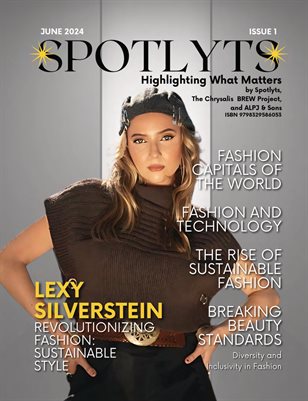
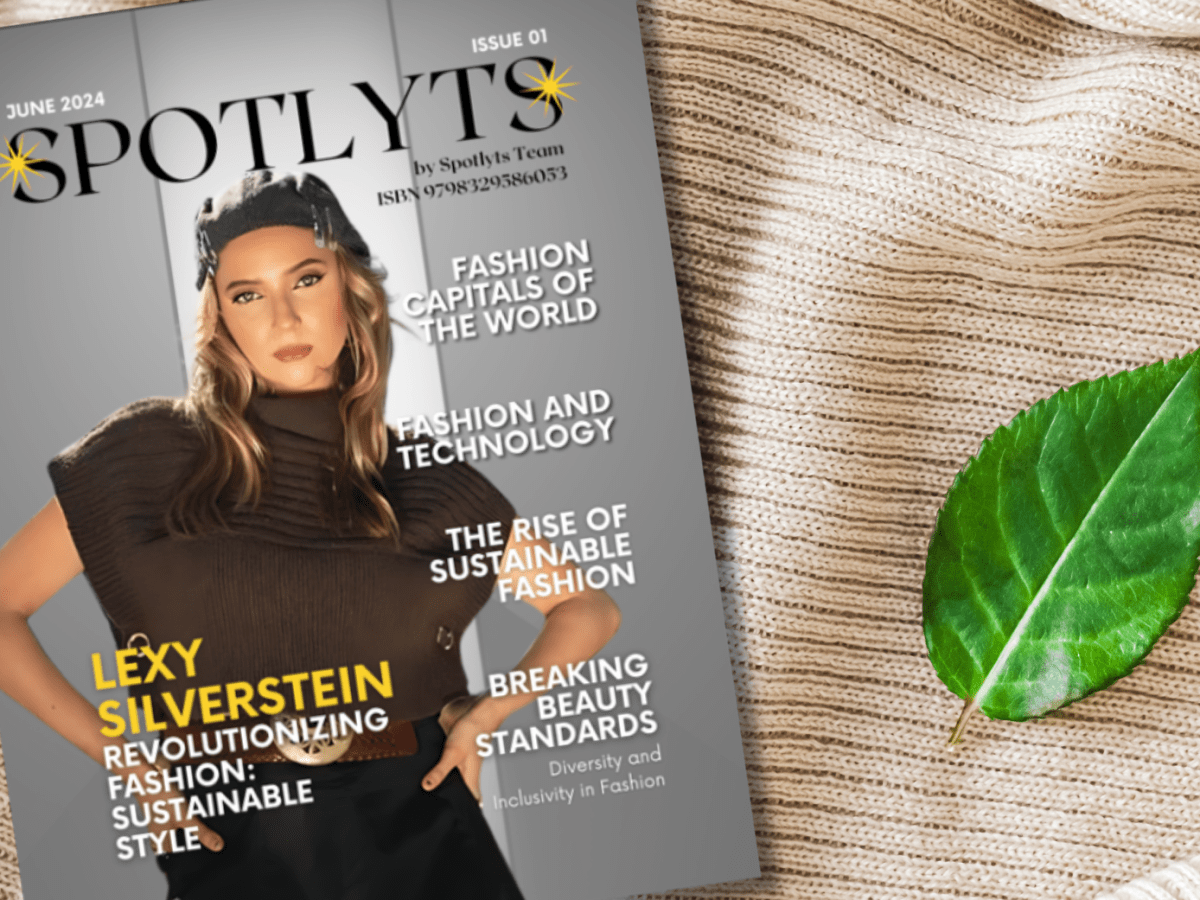
The inaugural issue of Spotlyts Magazine has been officially launched, shining a light on the transformative trends sweeping the fashion industry. Themed “Fashion Forward: Celebrating Diversity, Sustainability, and Innovation,” this edition explores the dynamic changes redefining the sector and features the stories and perspectives driving its evolution.
Gracing the cover is Alexis “Lexy” Silverstein, a champion of sustainable fashion, who embodies the magazine’s mission to highlight individuals, organizations, and initiatives promoting positive change.
This edition features exclusive interviews with notable figures, including:
- Ann Chikahisa, Designer and Owner of Chikahisa Studio, who discusses the impact of fashion and the significance of talismanic jewelry.
- Raegan Kerr, Founder and CEO of The Garde, who shares insights into the concept of elegant athleticism.
- Sylvie Blum-Reid, Professor at the University of Florida, who explores the intersection of women, fashion, and film.
- Emma Medeiros, President of Medeiros Fashion PR, who talks about inclusivity and innovation in fashion.
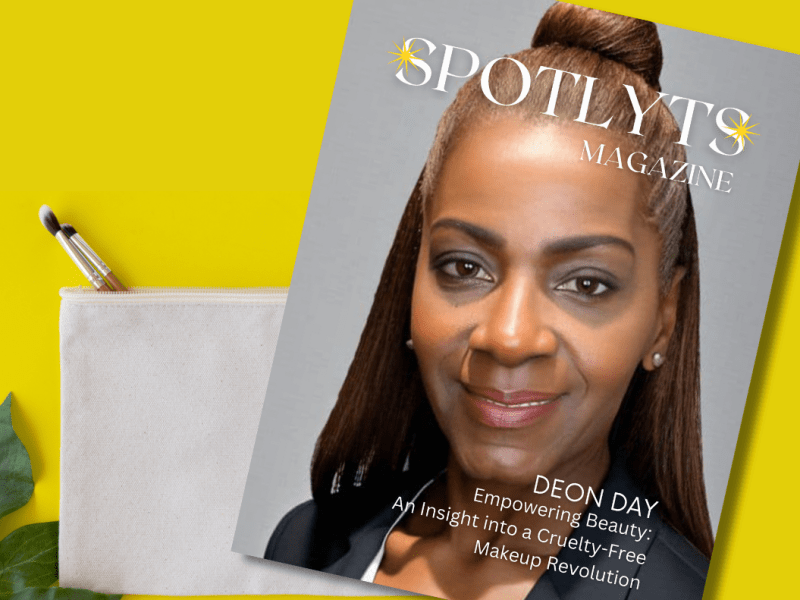
- Deon Day, Owner of The Eyeshadow Pad, who addresses the revolution in cruelty-free makeup.
- Diana Stelin, TEDx speaker and Owner of Gallerista Fashion, who discusses the artistry in fashion.
- Elizabeth Wissinger, Professor at City University of New York, who offers insights on biodesign, glamour, and wearable technology.
Additional features highlight sustainable fashion, beauty revolutions, and the latest trends, with contributions from:
- Ketie Zhang, Founder of Ketie Story
- Shane McEvoy, Managing Director of Flycast Media
- Alex Taylor, Head of Marketing of CrownTV
- Ryan Esco, Chief Marketing Officer of FireRock Marketing
- Haiko de Poel, Owner of Mass Impact
- Bart Waldon, Co-Founder of Land Boss
- Josh Bluman, Co-Founder of JJ Suspenders
- John Jones, Real Estate Investor of Sell My House Fast Now
- Diane Howard, RN and Founder of Esthetic Finesse
- Fahad Khan, Digital Marketing Manager of Ubuy Nigeria
- Kim Turner, Founder and CEO of Fitness Snob
- Nicolas Krauss, Founder and CEO of dasFlow Custom Sublimation Apparel
- Gary Gilkison, Principal Analyst of Riverbase Cloud
- Ronak Kothari, Creative Director of Rubcorp
- Brian Kratt, Founder and CEO of Plumb Development, Inc
- Kevin Watts, President and Founder of Raincross
- Valentin Radu, CEO of Omniconvert
- Matt Henderson, Co-Owner of Nesta System LLC
- Ben Davis, CEO of The Gents Place
- Kwame McGill, Founder and Owner of Chimney and Stone Masonry LLC
- Eric Neuner, President of NuShoe
- Kristian Longden, Content Marketing Executive of J&J Global Fulfilment
- Tom Molnar, Operations Manager of Fit Design
- Matt Little, Founder and Managing Director of Festoon House
“Spotlyts Magazine Issue 1 – June 2024” celebrates the transformative power of fashion, offering inspiration and insight into a more inclusive, sustainable, and innovative future.
A version of this article also appears on Google News.
Several other versions appear in hundreds of websites across the globe including FOX, CBS, ABC, and NBC affiliates plus more.
Get Your Copy Today
Secure your coffee-table-worthy print and digital copies through the following links:
By ALPJ and Sons Team in Spotlyts Magazine
130 pages, published 4/17/2025

- Amazon AU paperback | Kindle
- Amazon UK paperback | Kindle
- Amazon DE paperback | Kindle
- Amazon FR paperback | Kindle
- Amazon ES paperback | Kindle
- Amazon IT paperback | Kindle
- Amazon NL paperback | Kindle
- Amazon PL paperback
- Amazon SE paperback
- Amazon JP paperback | Kindle
- Amazon CA paperback | Kindle
- Amazon US paperback | Kindle
- Amazon BR Kindle
- Amazon MX Kindle
- Amazon IN Kindle
🔆🔆🔆🔆🔆
Related Posts











DISCLAIMER: Spotlyts Magazine does not provide any form of professional advice. All content is for informational purposes only, and the views expressed are those of individual contributors and may not reflect the official position of Spotlyts Magazine. While we strive for accuracy and follow editorial standards, we make no guarantees regarding the completeness or reliability of the content. Readers are encouraged to conduct their own research and seek professional assistance tailored to their specific needs. Any links included are for reference only, and Spotlyts Magazine is not responsible for the content or availability of external sites. For more details, please visit our full Disclaimer, Privacy Policy, and Terms of Service.
Highlight of the Day
“With great power comes great responsibility.”
— Uncle Ben, Spider-Man
More Stories for You

Seasonal Rituals Inspire Global Communities
Ever wondered why we instinctively gather or celebrate when seasons change? This roundup explores how different cultures ritualize nature’s cycles—and what we can learn from these timeless patterns.
Keep reading
The Deal by Nazia Kamali (Short Fiction)
What does a familiar bar reveal when no one is watching? This piece invites readers inside shifts, hidden rituals, and a looming surprise.
Keep reading
In the Spotlight: Leon Conrad on Language, Story Structure, and How Stories Shape Meaning
Why do some stories feel instinctively right while others fall flat—even when we can’t explain why? This interview explores how story structures shape meaning and invites readers to discover the answer.
Keep reading
In the Spotlight: Cortney Raymond on Writing Stories of Healing, Strength, and Possibility
Ever wondered what it’s like to write stories that give hope to people who’ve endured trauma? Discover how Cortney Raymond blends real-life experiences and imagination to create resilience, strength, and possibility.
Keep readingSomething went wrong. Please refresh the page and/or try again.

 Spotlyts
Leave a reply to Sam Waverley Cancel reply