

Recent studies have underscored the pivotal role of fashion in shaping identity, with researchers looking into the psyche behind our clothing preferences. According to a report by McKinsey & Company, the fashion industry’s influence extends far beyond the realm of aesthetics, permeating various facets of our lives. Whether we opt for minimalist attire or vibrant patterns, our clothing serves as a canvas upon which we project our innermost selves, subtly signaling our values, beliefs, and aspirations.
One surprising finding from the study reveals that individuals often use fashion as a tool for self-expression and social belonging. In today’s hyper-connected world, where social media serves as a digital stage for self-presentation, the clothes we wear play a pivotal role in crafting our online persona. A survey conducted by RetailMeNot highlights the growing trend of “outfit of the day” posts on social platforms, with millennials and Gen Zers leveraging fashion to curate their digital identity.
Moreover, fashion’s influence extends beyond individual expression to encompass cultural identity and societal norms. A deep look into the world of fashion anthropology reveals how clothing serves as a visual language, communicating belonging to specific social groups and communities. According to research by eMarketer, cultural heritage and ethnicity often influence fashion choices, with individuals drawing inspiration from their roots to craft a unique sense of style.
However, the relationship between fashion and identity is not static but rather dynamic, evolving in response to societal shifts and cultural movements. The State of Fashion report by McKinsey & Company highlights the growing trend of gender-fluid fashion, challenging traditional notions of masculinity and femininity. With an increasing number of brands embracing inclusive designs, individuals are empowered to express their identity authentically, irrespective of societal norms.
Furthermore, fashion’s transformative power transcends personal identity to intersect with broader social and political movements. The Black Lives Matter protests and the LGBTQ+ rights movement have spurred a wave of activism within the fashion industry, prompting brands to embrace diversity and inclusivity. McKinsey & Company’s report underscores the role of fashion as a catalyst for social change, with consumers demanding greater accountability and representation from brands.
Industry experts and thought leaders share their perspectives about the transformative power of clothing in shaping not only our outward appearance but also our innermost selves. Here’s what they have to say.
Seeing Fashion as a Personal Narrative

by Matt Little, Founder and Managing Director, Festoon House
“Fashion, to me, is a form of self-expression that extends beyond simply looking good. It’s a personal narrative that allows you to communicate who you are without having to speak. The clothes, accessories, and even the colors we choose to wear can reflect our mood, beliefs, and goals. It’s a very powerful visual language.
For example, think about a day when you have an important meeting. You might choose a sharp suit or a well-tailored dress because it makes you feel confident and in control. That’s fashion working its magic on your psyche, boosting your self-esteem, and projecting an image of professionalism. On the flip side, on a casual day out, you might opt for something that’s comfortable yet stylish, which shows a more relaxed, approachable side of your personality.”
Finding Professional Identity Through Attire

by Shane McEvoy, MD, Flycast Media
“In financial marketing, fashion is more than just keeping up with the latest trends; it’s a crucial part of how professionals present themselves. What you wear acts like a billboard that shows off your professional identity and style.
For instance, a financial advisor in a suit often looks trustworthy and serious, which is important for clients who need to feel confident in their financial decisions. On the other hand, a fintech startup founder might wear a hoodie to appear more relaxed and approachable, appealing to a younger, tech-oriented crowd. Even within strict dress codes, there’s a way to show some personal style, like wearing a patterned blouse under a blazer. This mix of professional and personal styles helps in financial settings by showing you’re both serious and have your unique approach.”
Expressing Rebellion and Community

by Kwame McGill, Founder and Owner, Chimney And Stone Masonry LLC.
“Fashion is a major medium in communication when displaying one’s personality and individuality, since it allows for a visual way for individuals to express their tastes, beliefs, and special characteristics. Through dress, ornamentation, and overall mode of style, there is an extension of the individual self through a visual medium in which expression and creativity are customized. This language, in the form of something expressed visually, can speak to various factors of the individual’s identity, including cultural origin, social hierarchy, occupation, or personal interest.
The most vivid example of fashion as an expression of individual identity is the punk subculture, which emerged in the 1970s. Punks’ style of clothing, which became eye-catching due to its rebelliousness and anti-establishment look, involved such elements as tattered clothes, leather jackets, bright prints, and odd haircuts. Such an eccentric style was not about that very type of clothes but it was a statement of personal protest by one who dressed like that against the mainstream norms and overall conformity. Punks exploited fashion as a tool for showing their protest against the status quo, revealing their individuality, and establishing a sense of community with like-minded people.
Vivienne Westwood, a famous punk movement fashion designer, contributed significantly to the creation of this aesthetic. Her fashion designs consisted of provocative and non-traditional features, which contradicted the ordinary fashion standards. Individuals who followed punk fashion were sending the message that they were adopting it in accordance with their values as well as attitudes, and they were doing it as a means of rebellion and self-expression. This fashion was offering them a tool to set themselves apart from the crowd and label their perspective in line with their beliefs and identities.”
Reflecting Values and Challenges Norms

by Alex Taylor, Head of Marketing, CrownTV
“Understanding the impact and role of fashion in expressing individual identity and personality is crucial. Fashion has always been more than just a form of clothing; it is a means of self-expression and a reflection of one’s personal values, beliefs, and style.
Fashion allows individuals to convey their uniqueness and showcase their personal identity through the clothes they wear. It can also serve as a tool for individuals to express their personality and emotions, whether it be through bold and vibrant colors or subtle and understated pieces. For example, someone who is confident and outgoing may choose to wear bright colors and statement pieces that reflect their personality.
On the other hand, someone who is more reserved and introverted may opt for more neutral tones and classic styles. Fashion also allows individuals to break away from societal norms and express themselves freely. This is evident in the rise of gender-fluid fashion, where traditional gender roles and stereotypes are challenged through clothing choices.
Fashion can also serve as a way for individuals to connect with like-minded people and form communities based on shared interests and styles. This sense of belonging and self-expression through fashion can boost one’s self-esteem and confidence, ultimately contributing to a positive sense of self.”
Communicating Without Words

by Valentin Radu, CEO, Founder, Blogger, Speaker, and Podcaster, Omniconvert
“Fashion plays a significant role in expressing individual identity and personality, acting as a visual language that communicates who we are without uttering a word. For instance, in my own life, I favor sleek, tailored suits when presenting at conferences or meetings.
This choice not only reflects my professional mindset but also conveys confidence and dedication to my work. Fashion choices are deeply personal, revealing nuances about our preferences, values, and even our moods, making it an integral part of our daily expression.”
References
- McKinsey & Company. (n.d.). The State of Fashion 2021: In search of promise in perilous times. McKinsey & Company. https://www.mckinsey.com/industries/retail/our-insights/state-of-fashion
- McKinsey & Company. (n.d.). The State of Fashion 2020: Coronavirus update. McKinsey & Company. https://www.mckinsey.com/industries/retail/our-insights/state-of-fashion-coronavirus-update
- RetailMeNot. (2022). 2022 Retail trends. RetailMeNot. https://www.retailmenot.com/
- eMarketer. (2022). eMarketer’s Global Digital Ad Spending Forecast. eMarketer. https://www.emarketer.com/
Note: This article also appears in the debut Spotlyts Magazine print and digital edition dedicated to fashion. Read below for further details.
Spotlyts Spotlights Fashion
The moment is finally here!
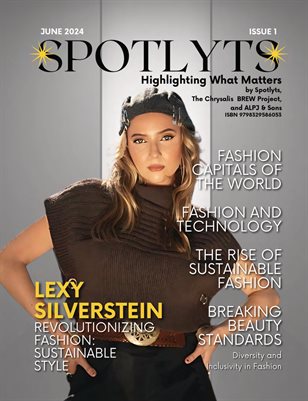
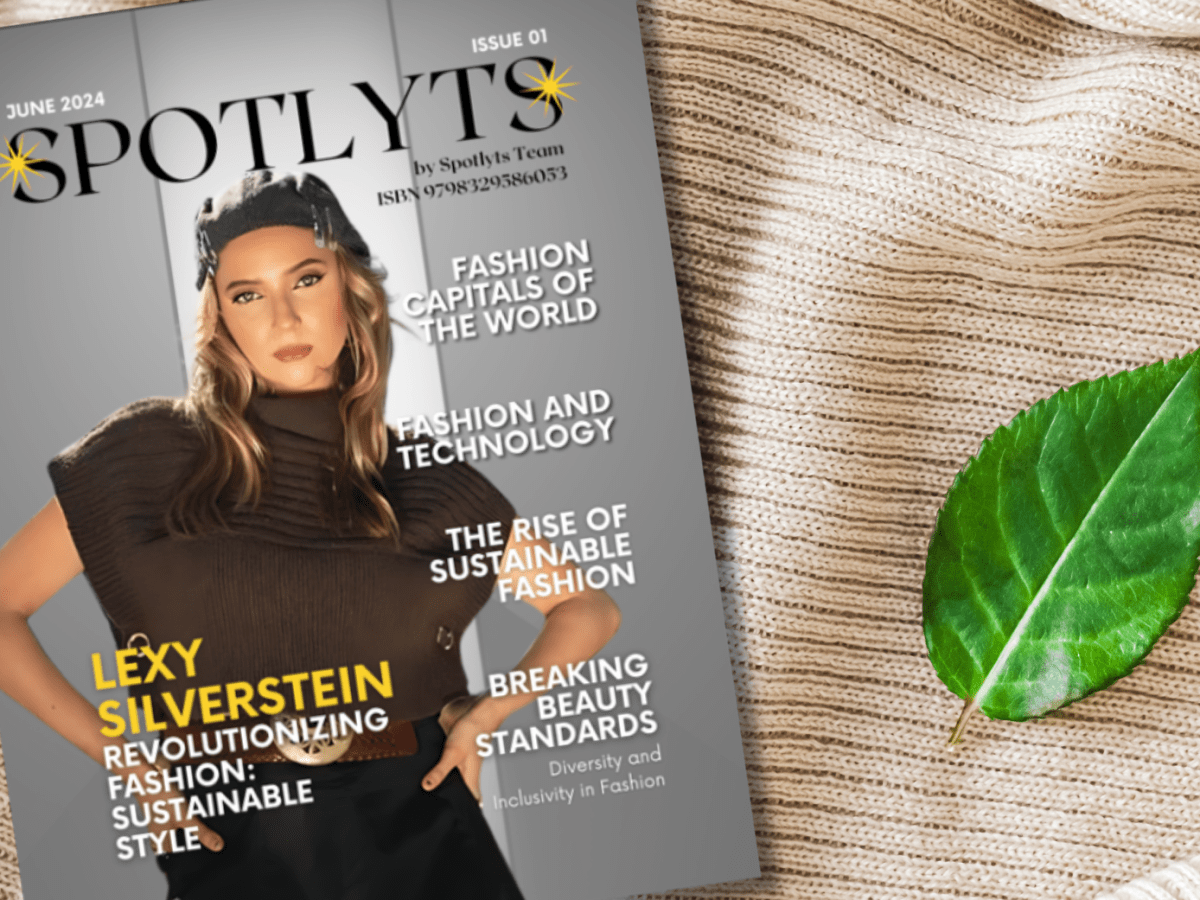
The inaugural issue of Spotlyts Magazine has been officially launched, shining a light on the transformative trends sweeping the fashion industry. Themed “Fashion Forward: Celebrating Diversity, Sustainability, and Innovation,” this edition explores the dynamic changes redefining the sector and features the stories and perspectives driving its evolution.
Gracing the cover is Alexis “Lexy” Silverstein, a champion of sustainable fashion, who embodies the magazine’s mission to highlight individuals, organizations, and initiatives promoting positive change.
This edition features exclusive interviews with notable figures, including:
- Ann Chikahisa, Designer and Owner of Chikahisa Studio, who discusses the impact of fashion and the significance of talismanic jewelry.
- Raegan Kerr, Founder and CEO of The Garde, who shares insights into the concept of elegant athleticism.
- Sylvie Blum-Reid, Professor at the University of Florida, who explores the intersection of women, fashion, and film.
- Emma Medeiros, President of Medeiros Fashion PR, who talks about inclusivity and innovation in fashion.
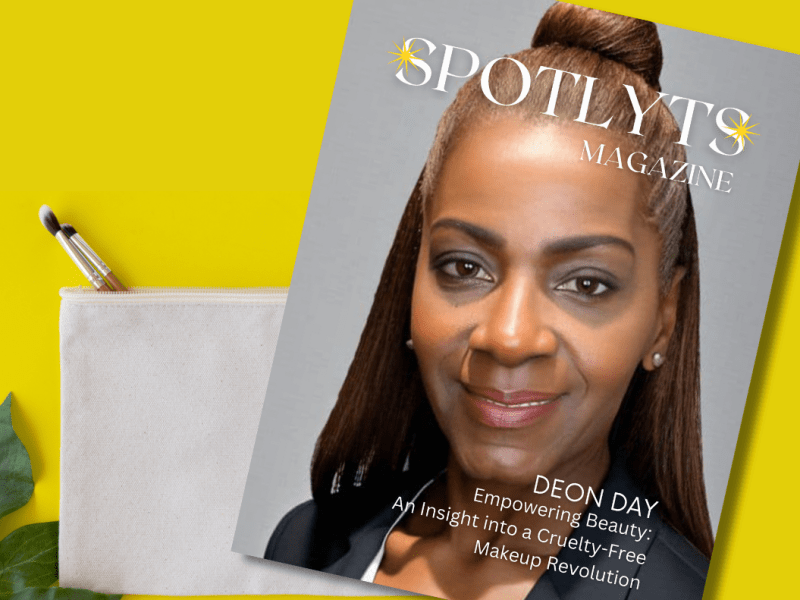
- Deon Day, Owner of The Eyeshadow Pad, who addresses the revolution in cruelty-free makeup.
- Diana Stelin, TEDx speaker and Owner of Gallerista Fashion, who discusses the artistry in fashion.
- Elizabeth Wissinger, Professor at City University of New York, who offers insights on biodesign, glamour, and wearable technology.
Additional features highlight sustainable fashion, beauty revolutions, and the latest trends, with contributions from:
- Ketie Zhang, Founder of Ketie Story
- Shane McEvoy, Managing Director of Flycast Media
- Alex Taylor, Head of Marketing of CrownTV
- Ryan Esco, Chief Marketing Officer of FireRock Marketing
- Haiko de Poel, Owner of Mass Impact
- Bart Waldon, Co-Founder of Land Boss
- Josh Bluman, Co-Founder of JJ Suspenders
- John Jones, Real Estate Investor of Sell My House Fast Now
- Diane Howard, RN and Founder of Esthetic Finesse
- Fahad Khan, Digital Marketing Manager of Ubuy Nigeria
- Kim Turner, Founder and CEO of Fitness Snob
- Nicolas Krauss, Founder and CEO of dasFlow Custom Sublimation Apparel
- Gary Gilkison, Principal Analyst of Riverbase Cloud
- Ronak Kothari, Creative Director of Rubcorp
- Brian Kratt, Founder and CEO of Plumb Development, Inc
- Kevin Watts, President and Founder of Raincross
- Valentin Radu, CEO of Omniconvert
- Matt Henderson, Co-Owner of Nesta System LLC
- Ben Davis, CEO of The Gents Place
- Kwame McGill, Founder and Owner of Chimney and Stone Masonry LLC
- Eric Neuner, President of NuShoe
- Kristian Longden, Content Marketing Executive of J&J Global Fulfilment
- Tom Molnar, Operations Manager of Fit Design
- Matt Little, Founder and Managing Director of Festoon House
“Spotlyts Magazine Issue 1 – June 2024” celebrates the transformative power of fashion, offering inspiration and insight into a more inclusive, sustainable, and innovative future.
A version of this article also appears on Google News.
Several other versions appear in hundreds of websites across the globe including FOX, CBS, ABC, and NBC affiliates plus more.
Get Your Copy Today
Secure your coffee-table-worthy print and digital copies through the following links:
By ALPJ and Sons Team in Spotlyts Magazine
130 pages, published 4/17/2025

- Amazon AU paperback | Kindle
- Amazon UK paperback | Kindle
- Amazon DE paperback | Kindle
- Amazon FR paperback | Kindle
- Amazon ES paperback | Kindle
- Amazon IT paperback | Kindle
- Amazon NL paperback | Kindle
- Amazon PL paperback
- Amazon SE paperback
- Amazon JP paperback | Kindle
- Amazon CA paperback | Kindle
- Amazon US paperback | Kindle
- Amazon BR Kindle
- Amazon MX Kindle
- Amazon IN Kindle
🔆🔆🔆🔆🔆
Related Posts













DISCLAIMER: Spotlyts Magazine does not provide any form of professional advice. All content is for informational purposes only, and the views expressed are those of individual contributors and may not reflect the official position of Spotlyts Magazine. While we strive for accuracy and follow editorial standards, we make no guarantees regarding the completeness or reliability of the content. Readers are encouraged to conduct their own research and seek professional assistance tailored to their specific needs. Any links included are for reference only, and Spotlyts Magazine is not responsible for the content or availability of external sites. For more details, please visit our full Disclaimer, Privacy Policy, and Terms of Service.
Highlight of the Day
“With great power comes great responsibility.”
— Uncle Ben, Spider-Man
More Stories for You

Quietly Transformative Innovators to Spotlight—What Makes Their Approaches Different
What everyday process do you rely on without ever wondering who quietly improved it? Read the full roundup to discover the behind-the-scenes innovations shaping modern work and technology.
Keep reading
In the Spotlight: Janne Kouri on Resilience, Purpose, and Building Impact Through Leadership
Can one unexpected moment quietly redirect an entire lifetime? Discover how one life-changing experience reshaped purpose, leadership, and service by reading this interview with Janne Kouri.
Keep reading
In the Spotlight: Gretchen Terry-Leonard on Leadership, Human Performance, and Reinventing Life’s Next Chapter
Can one question quietly shape an entire lifetime? Discover how a lifelong search for better questions transformed one author’s work by reading this insightful interview with Gretchen Terry-Leonard.
Keep reading
How Travel and Exploration Deepen Appreciation for Cultural Diversity
Have you ever wondered why getting lost in an unfamiliar place can sometimes teach more than a perfectly planned itinerary? Discover what experts say by reading the full roundup.
Keep readingSomething went wrong. Please refresh the page and/or try again.

 Spotlyts
Leave a comment