

“Diversity is everything. Inclusion leads to understanding, demystification, destigmatisation. Fashion has the power to glorify bodies and identities – to include them in a narrative of luxury and beauty.”
– Hari Nef
Fashion is one of the most sought-after industries in the world. For a very long time, the realm of fashion has promoted society’s preconceived notion of perfection. People of only certain body types, ages, complexions, orientations, and ethnicities have been encouraged to thrive in this world of glitz and glamor. This has made sure that a large portion of the world’s population has lacked representation. They have grown up seeing portrayals of people who are very different from themselves in the mainstream media. Naturally, this has affected their self-esteem. In the 21st century, this is slowly changing. People are more woke now, thanks to the rise of the internet and social media. We are no longer satisfied with seeing only a certain category of people enjoying the limelight. Fashion houses and designers have understood that in order to survive they will have to evolve.
Significance of Diversity & Inclusivity
Diversity and inclusivity are gradually becoming the pillars of the fashion industry. Let us see how this has impacted the realm of fashion.
There is Beauty in All Color
The world of fashion has always put white beauty standards on a pedestal. With the rise of inclusivity and diversity in the industry, models from various racial and ethnic backgrounds have gained prominence. Color is no longer a factor in fashion. From white, brown, caramel, yellow, and black, people of all complexions are now represented in the fashion world.
One Size Doesn’t Fit All
For decades, rail-thin models have been gracing the runways, advertisements, magazines, and every other mode of mainstream media. They have purported an unrealistic body image for generations of young girls and boys. However, things have been changing with an increasing number of movements toward body positivity and inclusivity. Plus-size models have gained the limelight, promoting body positivity in the process. With more representation of all kinds of body shapes and sizes, people are learning to embrace themselves and celebrate beauties of all kinds.
There is Ability in Disability
Regrettably, society has discounted people with disabilities for a long time. Many are still unable to see that disabled people are just fellow human beings with special abilities. One of the key factors that have shaped this kind of mindset is the underrepresentation of disabled people in the mainstream media. The world of fashion is no exception. A few decades ago, you would have been hard-pressed to find a model with a visible disability on a runway or a magazine cover. Today, this has changed. Just like every other industry, the world of fashion has become more aware. Now, we can see wheel-chair bound models, models with Vitiligo or Down Syndrome, and prosthetics-wearing fashion icons strutting down the runways of famous fashion weeks. This representation has given a huge boost to the self-image of people with disabilities.
Gender Identity Matters
The LGBTQ+ and non-binary communities face a lot of discrimination and stigma. They have a limited representation in the fashion industry. Though they still face bias and obstacles in securing jobs, there has been progress. Designers and brands are understanding the need to cater to their needs and represent them on their runways. More and more transgender people and non-binary individuals are gracing the runways, magazine covers, and billboards.
Age Is Just a Number
Models are always expected to be young and nubile. It is believed that a model’s career gets over when they reach a certain age. With an increasing awareness, we now know that there is beauty in all ages. Today, designers and fashion houses are gradually working to weed out the ageism that has been prevalent in the fashion industry for quite some time. People of advanced ages are now being seen in a new light and are finally getting the representation that they deserve.
Portrayal of the Global Community
The world is a huge space. With the advent of the internet and social media, it has become a global village. Now, we can easily know the happenings on the other side of the world with just a tap of our fingers. We now have the opportunity to learn about the different cultures of the world. Naturally, the fashion scene has also become multicultural. Designers and fashion houses have started incorporating elements from diverse cultures and heritages from around the world. This has made sure that people from every corner of the world are represented on the international stage. The only thing designers have to keep in mind is to truly understand the culture whose elements they hope to incorporate so that there is no cultural appropriation.
Fashion Brands Celebrating Diversity & Inclusivity
Each and every one of us is unique. Every human being is an individual with their own brand of quirkiness. The fashion industry is finally understanding this. From the runways to the outlets, brands and designers are coming up with clothes that would suit a diverse range of people. Let us have a look at some of the best designer brands that have welcomed diversity and inclusivity with open arms.
Universal Standard
Universal Standard aims to promote body positivity and bring happiness to people through their clothes. It advocates for size equality and diversity. The brand offers sizes ranging from 00 to 40. By showing that apparel is not for a particular body type, Universal Standard inspires people from diverse communities by making them proud of their own sizes.
Chromat
Chromat offers sustainable swimwear for people of all sizes, genders, and abilities. The most unique aspect of this brand is that it features diverse models ranging from disabled beauties to transgender fashionistas.
American Eagle
American Eagle is one of the most in-vogue brands that features models of all kinds. From plus-sized and colored people to models with vitiligo, Down syndrome, and other disabilities, American Eagle has given limelight to all. AE’s products are inclusive and are suitable for a diverse range of people.
Christian Siriano
Christian Siriano, the youngest winner of Project Runway, has always made sure to design inclusive clothes for diverse people. His label offers clothes of all sizes, shapes, and kinds for a diverse range of people. It is no wonder that he is an immensely successful and well-regarded designer today.
Girlfriend Collective
Girlfriend Collective is one of the most inclusive brands out there. They recognize the needs of diverse communities like the disabled, LGBTQ+, BIPOC, chronically ill, and any other underrepresented sections of society. Their inclusive models show that beauty is not confined by a particular set of standards. They offer sizes ranging from XXS to 6XL.
Super Models Who Are Breaking Barriers
You would be surprised to know how many people give up on their dreams only because they do not see people like them making it in the fashion scene. It takes a lot of mettle to be a trailblazer in any industry. The world of fashion is no different. With such a long history of only representing a certain category of models, the fashion industry can still be a tough place to get a shot in for diverse people. Individuals who are different from what society expects models to be like are sure to find it daunting to try their luck in the industry. Let us look at some of today’s amazing supermodels who have succeeded in breaking barriers and representing people of diverse backgrounds.
Luc Bruyere
Born without his left arm, Luc Bruyere has been breaking stereotypes left and right. He is a model, actor, dancer, and visual artist who has played a key role in redefining the traditional standards of beauty. Luc never thought of being a model. This all changed when Humberto Leon cast him in a show or Kenzo. Since then, he has been cast in campaigns for big brands like Nike. He has also performed at the Paris Opera. Luc Bruyere is an inspiration who continues to prove that having a disability does not prevent one from realizing their dreams.
Halima Aden
Halima Aden is the first model wearing a hijab who appeared on the cover of British Vogue and Vogue Arabia. She was also the first to wear a hijab and a burkini in Sports Illustrated Swimsuit. Aden started her life in the Kakuma refugee camp in Kenya. Moving to the USA when she was 6 changed her life. Defying all expectations, she chose modelling as her career and made her debut in the 2017 New York Fashion Week. Since then, she has walked for almost every famous fashion designer. Halima Aden has become a voice for hijab-wearing women all over the world. Her own hijab line, Halima × Modanisa, is making waves all around the world.
Strav Strashko
Israeli trans model, Strav Strashko, has been instrumental in paving the way for androgynous models. They have been a muse for Lazaro Hernandez and Proenza Schouler’s Jack McCollough. From Coach to Marc Jacobs, they have walked the runways for almost all the big names in fashion. Strashko did not just stop there. They became the first transgender woman in the history of Israeli cinema to be nominated for the Ophir Award for Best Actress.
Radhika Nair
Indian model, Radhika Nair, started modeling at the age of 19 while still pursuing her degree in economics. Her dusky complexion, curly hair, and handsome bearing made sure that she was scouted soon. Then, she moved to Mumbai to pursue full-time modeling. In 2016, Radhika Nair shot to fame when she was selected for a Balenciaga exclusive. Since then, there has been no stopping her. Radhika embraces herself in her full glory and even refuses to airbrush the little marks that she has on her face.
Robyn Lawly
Australian model, Robyn Lawly, is one of the first women of plus size to be cast in the Sports Illustrated Swimsuit issue. As a curvy woman, Lawly had a tough time in the early years of her career. She did not let the hurdles deter her from her path. She has gone on to become a successful model. An ardent advocate of body positivity, she had even filed a petition asking Victoria’s Secret to be more inclusive of diverse body types on their runways.
What Thought Leaders Say
Exploring the multifaceted perspectives on diversity within the fashion industry, top industry leaders, including a Founder and CEO and a Co-Founder, share their unique views on why diversity is pivotal to the industry’s evolution.
Inclusivity Beyond Race and Ethnicity
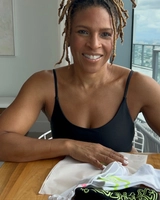
by Kim Turner, Founder and CEO, Fitness Snob
“I believe that diversity in the fashion industry extends beyond race and ethnicity to include age and body size.
While there has been progress in showcasing a broader range of races, body types, and ages among models, the industry still has a long way to go to truly reflect the diverse society we live in.
At Fitness Snob, we champion inclusivity, and like our crew, we strive to ensure everyone feels represented and included.”
Diversity as Fashion’s Transformative Power

by Josh Bluman, Co-Founder, JJ Suspenders
“Diversity in the fashion industry is paramount, reflecting the multifaceted nature of society. The industry must embrace inclusivity across various dimensions, including race, ethnicity, gender, body type, and socioeconomic background. Doing so ensures fashion brands can cater to a broader audience and resonate with consumers from diverse backgrounds.
Diversity fosters creativity and innovation, bringing fresh perspectives and ideas to the forefront. Embracing diversity not only promotes social equity but also makes good business sense, as it allows companies to tap into new markets and gain a competitive edge.
The recognition of its transformative power shapes our view on diversity in the fashion industry. Through inclusive representation in marketing campaigns, runway shows, and product offerings, fashion brands can celebrate the beauty of diversity and empower individuals to express their unique identities. Fostering diversity behind the scenes, from design teams to executive leadership, ensures that a range of voices is heard and considered in decision-making processes. This approach not only enhances brand authenticity but also contributes to building a more equitable industry ecosystem. Ultimately, our commitment to diversity is rooted in the belief that fashion should be a reflection of society’s rich tapestry, embracing and celebrating the uniqueness of every individual.”
Athleisure Reflects Cultural Shifts

by Shane McEvoy, MD, Flycast Media
“Fashion is more than just clothes; it’s a conversation starter, a social statement, and a powerful tool for self-expression. It shapes and reflects societal values, norms, and identities. One significant way fashion has impacted society is through the rise of athleisure. This trend, where comfortable workout clothes become everyday wear, mirrors a cultural shift toward health and wellness. It also represents the blending of professional and casual lifestyles, showcasing how fashion adapts to and influences contemporary living.
Athleisure’s popularity highlights a move away from the strict dress codes of past decades. In an era where the suit-and-tie was standard, such a trend would have been unthinkable. Today, athleisure signifies a modern, on-the-go lifestyle. People value comfort and functionality, integrating these qualities into their daily attire. This shift underscores changing fashion preferences and signifies broader cultural changes toward flexibility, health consciousness, and a more relaxed approach to professional attire.”
Inclusive Fashion Promotes Body Positivity

by Nicolas Krauss, Founder and CEO, dasFlow Custom Sublimation Apparel
“Fashion significantly impacts society and culture by reflecting and shaping social identities and trends. One specific way is through the promotion of body positivity and diversity.
For instance, the rise of inclusive fashion brands that showcase a variety of body types and sizes has challenged traditional beauty standards, promoting greater acceptance and representation.
This shift is illustrated by brands like Aerie, whose unretouched ad campaigns have sparked widespread support and influenced the industry’s approach to inclusivity.”
Feminist Fashion Influences Gender Roles

by Kwame McGill, Founder and Owner, Chimney And Stone Masonry LLC.
“Fashion plays a major role in the way society and culture are formed, as it helps to establish identity, develop social expectations, and symbolize broader cultural trends. It is an avenue for self-expression and for communication, as people and groups can show their values, beliefs, and allegiances through the way they dress. One concrete example of how fashion has significantly influenced society is through the development of social movements and the advocacy of cultural change.
One such case in point is the role of fashion in the feminist movement. In the late 1960s and the 1970s, fashion was used as a powerful form of self-expression for women who were grappling with the notions of gender equality and the establishment of their own rights as women.
The wearing of androgynous fashions and pantsuits by women of such prominence as Gloria Steinem and other feminists was a direct challenge to traditional gender roles and expectations. The fashions contained many of the same messages that critical feminists were sending: a refusal to accept narrow, patriarchal definitions of femininity and a staking of women’s claim to dress for functional reasons and out of comfort rather than just to make themselves attractive to men.
This shift in fashion not only incorporated this change in approach towards gender roles but actually contributed positively by taking it forward. The overall acceptance of professionally worn pants by females, for example, was groundbreaking and played an active role in the wider acceptance of females in professional environments. The acceptance of these new trends by the fashion industry even played a positive role, as designers and labels actively started to introduce more gender-neutral and practical forms of clothing for females.”
Conclusion
Diversity and inclusivity have made fashion an instrument of change, representation, and acceptance. This has made people more confident and self-assured.
The fashion world has come a long way when it comes to diversity and inclusivity. However, it still has a long way to go.
Do comment and let me know about your thoughts on diversity and inclusivity as pillars of the fashion industry.
Note: This article also appears in the debut Spotlyts Magazine print and digital edition dedicated to fashion. Read below for further details.
Spotlyts Spotlights Fashion
The moment is finally here!
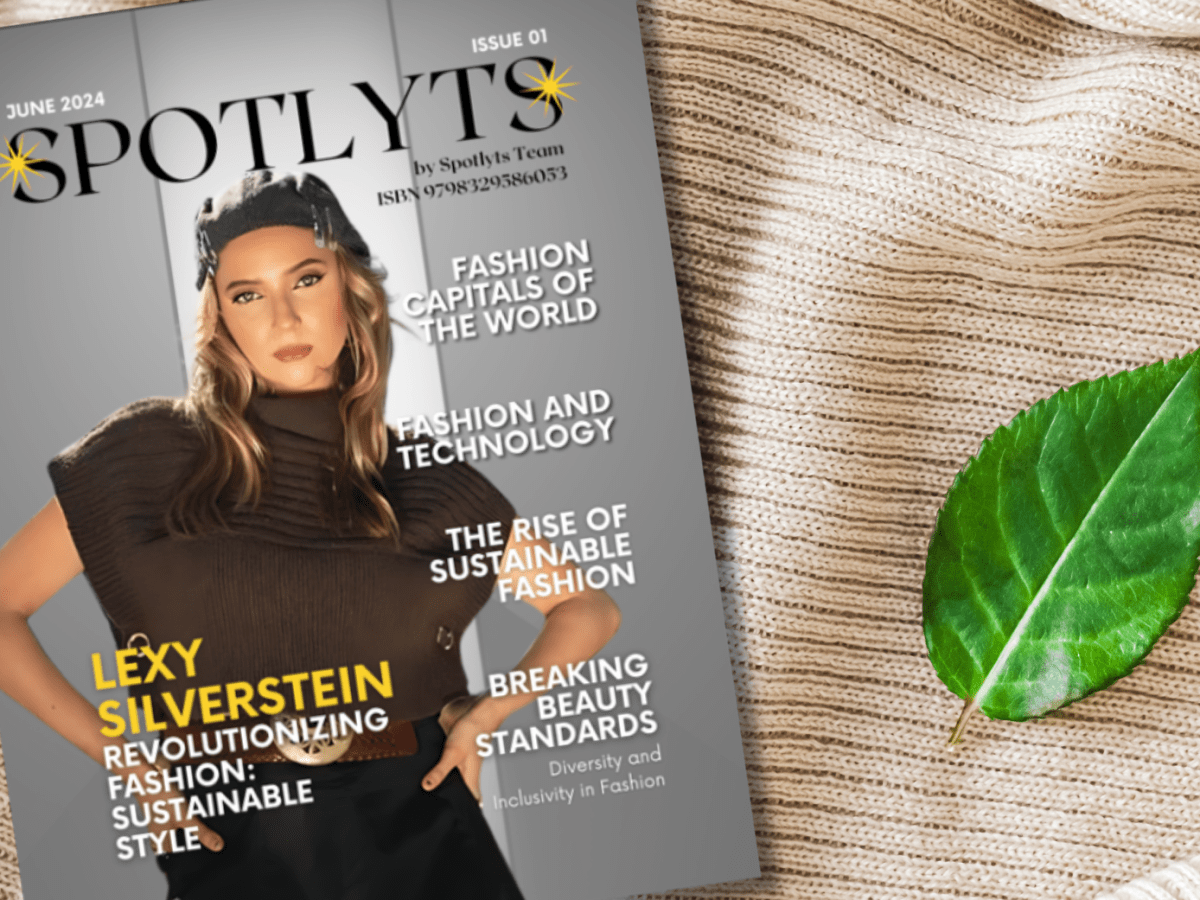
The inaugural issue of Spotlyts Magazine has been officially launched, shining a light on the transformative trends sweeping the fashion industry. Themed “Fashion Forward: Celebrating Diversity, Sustainability, and Innovation,” this edition explores the dynamic changes redefining the sector and features the stories and perspectives driving its evolution.
Gracing the cover is Alexis “Lexy” Silverstein, a champion of sustainable fashion, who embodies the magazine’s mission to highlight individuals, organizations, and initiatives promoting positive change.
This edition features exclusive interviews with notable figures, including:
- Ann Chikahisa, Designer and Owner of Chikahisa Studio, who discusses the impact of fashion and the significance of talismanic jewelry.
- Raegan Kerr, Founder and CEO of The Garde, who shares insights into the concept of elegant athleticism.
- Sylvie Blum-Reid, Professor at the University of Florida, who explores the intersection of women, fashion, and film.
- Emma Medeiros, President of Medeiros Fashion PR, who talks about inclusivity and innovation in fashion.
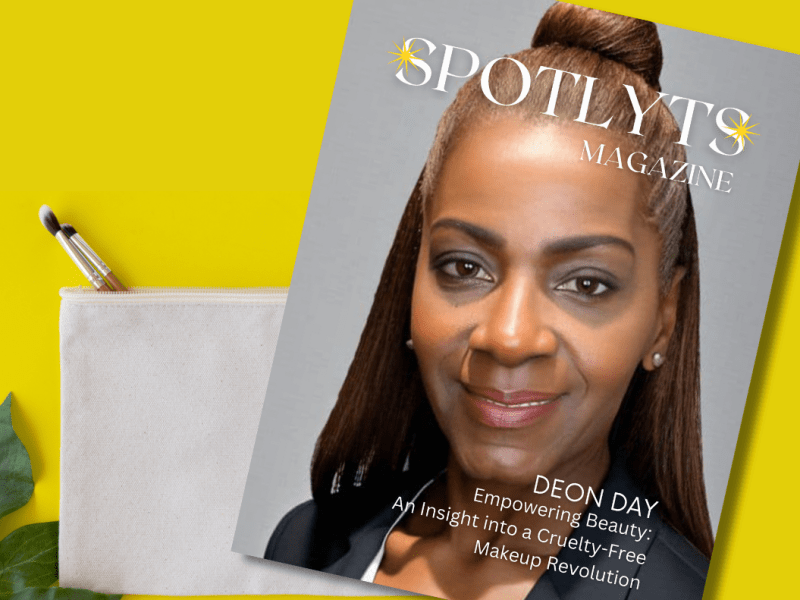
- Deon Day, Owner of The Eyeshadow Pad, who addresses the revolution in cruelty-free makeup.
- Diana Stelin, TEDx speaker and Owner of Gallerista Fashion, who discusses the artistry in fashion.
- Elizabeth Wissinger, Professor at City University of New York, who offers insights on biodesign, glamour, and wearable technology.
Additional features highlight sustainable fashion, beauty revolutions, and the latest trends, with contributions from:
- Ketie Zhang, Founder of Ketie Story
- Shane McEvoy, Managing Director of Flycast Media
- Alex Taylor, Head of Marketing of CrownTV
- Ryan Esco, Chief Marketing Officer of FireRock Marketing
- Haiko de Poel, Owner of Mass Impact
- Bart Waldon, Co-Founder of Land Boss
- Josh Bluman, Co-Founder of JJ Suspenders
- John Jones, Real Estate Investor of Sell My House Fast Now
- Diane Howard, RN and Founder of Esthetic Finesse
- Fahad Khan, Digital Marketing Manager of Ubuy Nigeria
- Kim Turner, Founder and CEO of Fitness Snob
- Nicolas Krauss, Founder and CEO of dasFlow Custom Sublimation Apparel
- Gary Gilkison, Principal Analyst of Riverbase Cloud
- Ronak Kothari, Creative Director of Rubcorp
- Brian Kratt, Founder and CEO of Plumb Development, Inc
- Kevin Watts, President and Founder of Raincross
- Valentin Radu, CEO of Omniconvert
- Matt Henderson, Co-Owner of Nesta System LLC
- Ben Davis, CEO of The Gents Place
- Kwame McGill, Founder and Owner of Chimney and Stone Masonry LLC
- Eric Neuner, President of NuShoe
- Kristian Longden, Content Marketing Executive of J&J Global Fulfilment
- Tom Molnar, Operations Manager of Fit Design
- Matt Little, Founder and Managing Director of Festoon House
“Spotlyts Magazine Issue 1 – June 2024” celebrates the transformative power of fashion, offering inspiration and insight into a more inclusive, sustainable, and innovative future.
A version of this article also appears on Google News.
Several other versions appear in hundreds of websites across the globe including FOX, CBS, ABC, and NBC affiliates plus more.
Get Your Copy Today
Secure your coffee-table-worthy print and digital copies through the following links:
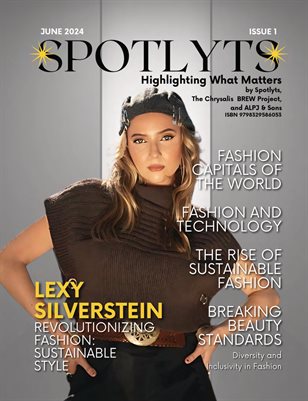
By ALPJ and Sons Team in Spotlyts Magazine
130 pages, published 4/17/2025

- Amazon AU paperback | Kindle
- Amazon UK paperback | Kindle
- Amazon DE paperback | Kindle
- Amazon FR paperback | Kindle
- Amazon ES paperback | Kindle
- Amazon IT paperback | Kindle
- Amazon NL paperback | Kindle
- Amazon PL paperback
- Amazon SE paperback
- Amazon JP paperback | Kindle
- Amazon CA paperback | Kindle
- Amazon US paperback | Kindle
- Amazon BR Kindle
- Amazon MX Kindle
- Amazon IN Kindle
🔆🔆🔆🔆🔆
Related Posts









DISCLAIMER: Spotlyts Magazine does not provide any form of professional advice. All content is for informational purposes only, and the views expressed are those of individual contributors and may not reflect the official position of Spotlyts Magazine. While we strive for accuracy and follow editorial standards, we make no guarantees regarding the completeness or reliability of the content. Readers are encouraged to conduct their own research and seek professional assistance tailored to their specific needs. Any links included are for reference only, and Spotlyts Magazine is not responsible for the content or availability of external sites. For more details, please visit our full Disclaimer, Privacy Policy, and Terms of Service.
Highlight of the Day
“With great power comes great responsibility.”
— Uncle Ben, Spider-Man
More Stories for You
Seasonal Rituals Inspire Global Communities
Ever wondered why we instinctively gather or celebrate when seasons change? This roundup explores how different cultures ritualize nature’s cycles—and what we can learn from these timeless patterns.
Keep reading
The Deal by Nazia Kamali (Short Fiction)
What does a familiar bar reveal when no one is watching? This piece invites readers inside shifts, hidden rituals, and a looming surprise.
Keep reading
In the Spotlight: Leon Conrad on Language, Story Structure, and How Stories Shape Meaning
Why do some stories feel instinctively right while others fall flat—even when we can’t explain why? This interview explores how story structures shape meaning and invites readers to discover the answer.
Keep reading
In the Spotlight: Cortney Raymond on Writing Stories of Healing, Strength, and Possibility
Ever wondered what it’s like to write stories that give hope to people who’ve endured trauma? Discover how Cortney Raymond blends real-life experiences and imagination to create resilience, strength, and possibility.
Keep readingSomething went wrong. Please refresh the page and/or try again.

 Spotlyts
Leave a reply to Fermosalua Cancel reply