

“Great brand experiences come from compelling content + seamlessly integrated tech.”
– Grant Barth, Levi’s Chief Merchandising Officer
Fashion is one of the most rapidly growing industries in the world. It is no longer about simply clothing. Fashion today is an intense amalgamation of apparel, style, trends, status symbol, quality materials, and money. In fact, the industry of fashion has become a confluence of style, commerce, and technology.
Today, we live in the digital age. In the 21st century, fashion, like any other industry, can no longer be stuck in the past. With the advent of social media and the availability of newer technology every other day, fashion houses have to continuously innovate to stay in business.
Technology has actually been a transformative force in the fashion industry. It has completely revolutionized the way apparel is produced, sold, and worn. It is the rise of technology that is making fashion sustainable, environmentally friendly, and long-lasting. The increased number of technological innovations in the fashion industry suits the needs of today’s technology-obsessed consumers perfectly. E-commerce platforms and virtual try-ons, among many other things, have increased customer happiness and loyalty.
Let us have a look at 6 of the most cutting-edge technological innovations in the world of fashion.
Artificial Intelligence
Artificial intelligence is one of the greatest technological innovations of our time. AI refers to the simulation of human intelligence by machines. Like almost every other industry, the fashion world has welcomed AI with open arms. With the use of AI algorithms, it has become easier to personalize customer experiences, predict trends, understand buying patterns, and analyze fashion aesthetics. This way, generative artificial intelligence speeds up the creative process and saves a lot of time and effort for designers. AI-based apps and websites offer personalized recommendations to customers, making their shopping easier and more convenient. Artificial Intelligence is effectively employed in physical stores as well. Chatbots and touchscreens in outlets enhance customer experience by offering them personalized product suggestions.
Virtual Reality & Augmented Reality
Virtual reality and augmented reality are the latest innovations adopted by fashion houses. Even though they are still in their nascent stages, they have revolutionized the industry. With the help of virtual reality, customers are able to virtually try on clothing, shoes, and accessories. VR also allows customers to enjoy virtual fashion shows and shop in virtual stores. Augmented reality meshes digital information with the real world. This gives consumers the opportunity to check how a product will look in their own milieu. Both VR and AR make the customers’ online shopping experience infinitely immersive and interactive. VR and AR are super exciting as they combine the digital and physical worlds of fashion.
3D Printing
3-D printing refers to the process where real-life products can be manufactured from digital designs. It offers endless possibilities to designers. They are no longer constrained by fabric and clothing structure. 3-D printing leads to less textile wastage than in the conventional manufacturing process, resulting in reduced pollution. This way intricate designs can be precisely printed with the help of a machine, in the process lowering manufacturing errors and wastage. The rise of 3-D printing has made the fashion industry more sustainable.
E-Commerce Platforms
With the advent of the internet, we all find ourselves glued to our phones, laptops, tablets, or computers most of the time. Naturally, any brand that wishes to succeed must have an effective e-commerce platform that can be easily accessed by customers with their gadgets. Online shopping is on the rise and successful fashion houses make significant investments in building e-commerce platforms and digital marketing. We now have multiple apps from which we can easily buy anything that we want with a tap of our fingers. Any fashion brand worth its salt has an app and a website. Vinted and Depop are fashion marketplaces where people can buy and sell apparel. For renting clothes, we have apps such as On Loan or By Rotation. Nowadays, we also have apps like Good On You which rates brands based on their ethical standards and environmental friendliness.
Sustainable Materials and Smart Textiles
The materials that are used in the manufacturing of apparel are very important. Even today, synthetic and non-biodegradable fibers are majorly used in the fashion industry. However, with a growing environmental consciousness, brands are increasingly shifting to sustainable materials and novel fabrics. From cotton and bamboo to recycled polyester, the use of eco-friendly raw materials is on the rise. Big brands like Gucci are moving toward livestock-free and nature-friendly materials. Hermes and Lululemon are opting to use mycelium instead of leather. Smart textiles are also on the rise. They give access to cutting-edge features that keep astounding customers. Being injected with nanotechnology and conducive threads, they provide astonishing features like temperature control, moisture-wicking, and activity monitoring, among other things.
Internet of Things
The Internet of Things, popularly known as the IoT, is another cutting-edge technology that is making waves in the fashion industry. IoT refers to products that are embedded with sensors and software that enable them to exchange information over the internet. Fashion giants like H&M and Nike have begun using this technology to set up magic mirrors in their retail outlets that enable their customers to look through their products and try on the ones they like through interactive touchscreen displays. IoT makes it possible to create apparel with digital capabilities. This has given customers access to smart clothing, responsive sportswear, wearable spaces, and multifunctional designs, among many others. Fashion brands are also using IoT to manage stock and reduce loss during transit. IoT is truly a game-changer in the world of fashion.
What Thought Leaders Say
Industry experts, including Creative Directors and CEOs, share their insights on the transformative impact of technology in the fashion realm.
Augmented Reality Enhances Online Shopping

by Ronak Kothari, Creative Director, Rubcorp
“Technology has fundamentally redefined how we consume and engage with fashion, offering a more personalized and immersive experience. One clear example from my time at Ronkot Design involves integrating augmented reality (AR) for a client’s e-commerce platform. We implemented a feature allowing customers to virtually “try on” clothes using their smartphones. This technology significantly increased engagement rates and reduced return rates, making the online shopping experience much more interactive and satisfactory for consumers.
Another transformative impact of technology is through AI-driven personalization. At Ronkot Design, we’ve developed sophisticated AI systems for our clients that analyze browsing patterns and purchase histories to offer personalized recommendations. This approach has led to a noticeable increase in customer retention and average order values. For instance, a campaign we ran for a retail client resulted in a 20% uplift in sales due to highly targeted, personalized marketing messages that resonated well with their audience.
Social media also plays a crucial role in fashion engagement. We worked on a campaign for a fashion brand where we leveraged Instagram and TikTok to reach and engage younger demographics. By using influencers who aligned with the brand’s image and values, we created authentic engagement that translated into a 35% increase in followers and a significant boost in sales during the campaign period. These platforms not only helped in increasing brand visibility but also fostered a strong community of loyal customers who actively interacted with the brand.
These examples illustrate how technology not only enhances the customer shopping experience but also provides brands with powerful tools to connect more deeply with their audiences, driving both engagement and sales.”
Shopify’s AR Integration Boosts Confidence

by Gary Gilkison, Principal Analyst, Riverbase Cloud
“Technology has profoundly altered how we consume and engage with fashion, streamlining experiences and enhancing personalization. In my experience with various startups, one powerful example stands out: Shopify’s integration with augmented reality (AR). This feature lets customers virtually try on clothes or see how accessories fit into their lives through their smartphones.
It bridges the gap between online shopping and physical stores, making sure customers feel more confident in their purchases. This AR tool has shown impressive results, such as increased conversion rates and decreased return rates, illustrating the tangible benefits of incorporating advanced technology into the fashion shopping experience.
Additionally, in my work advising eCommerce platforms, personalization algorithms have proven indispensable. For instance, during my consultancy with a D2C brand, we implemented AI-driven recommendation engines that tailored product suggestions based on users’ browsing habits and previous purchases. This not only enhanced the user experience but also significantly boosted average order value. The accurate product recommendations led to higher customer satisfaction and loyalty, demonstrating the power of data-driven personalization in shaping consumer behavior.
Social media’s evolution also plays a crucial role. A notable example is the Instagram campaign I helped design for a startup brand. By leveraging micro-influencers who closely aligned with the brand’s aesthetic and values, we achieved higher engagement rates and authentic customer interactions. The campaign strategically used user-generated content, which not only enriched the brand’s online presence but also fostered a strong sense of community. These targeted efforts underscore technology’s role in amplifying brand reach and fostering deeper consumer connections through social platforms.”
AR and Mobile Apps Revolutionize Shopping

by Brian Kratt, Founder and CEO, Plumb Development, Inc
“Technology has dramatically transformed the way we consume and engage with fashion, particularly through enhanced personalization and digital interactions. In my experience at Plumb Development, we’ve utilized augmented reality (AR) to revolutionize the shopping experience. One standout example is our collaboration with a consumer electronics brand where we introduced AR functionalities to let customers virtually “try on” products. This not only boosted engagement but also led to a measurable increase in sales.
Another area where technology has made a significant impact is through the use of mobile apps for fashion brands. Mobile apps offer a unique blend of personalization and convenience, and we’ve seen this with our work for various e-commerce platforms. By integrating personalized recommendations and exclusive app-only deals, we’ve helped brands offer an enriched shopping experience that keeps users engaged and drives repeat business.
Lastly, the role of social media cannot be understated. At Plumb, we’ve spearheaded campaigns that leverage platforms like Instagram to foster community and brand loyalty. For example, our strategy for a car dealership involved creating an Instagram-esque platform called ‘Bragging Rights,’ where customers could share their purchase experiences. This not only humanized the brand but also encouraged user-generated content, amplifying our reach and engagement.
These examples highlight how technology not only changes how we consume fashion but also how we connect with brands on a more personal and interactive level, driving greater customer loyalty and sales.”
AI Personalization Elevates Gymshark’s Customer Experience

by Haiko de Poel, Owner, Mass Impact
“Technology has deeply influenced the way we consume and engage with fashion, primarily by personalizing the shopping experience and expanding brand reach through digital platforms. In my role at Mass Impact, I’ve seen how integrating AI for personalized recommendations can elevate customer experiences.
One compelling case is Gymshark, a sportswear brand that uses an AI-driven approach to recommend products tailored to individual preferences and browsing history. This strategy has significantly boosted their engagement and sales, illustrating how data-driven personalization can drive consumer loyalty.
Additionally, the rise of mobile commerce is reshaping fashion retail. A significant amount of shopping now happens on smartphones, demanding mobile-first strategies. At Mass Impact, we’ve optimized several e-commerce platforms to be mobile-friendly, ensuring seamless and intuitive shopping experiences. This is crucial for brands like Blume, which targets Gen Z and Millennials who are predominantly mobile shoppers. Ensuring smooth navigation, quick load times, and easy checkouts on mobile devices has been key to driving their online sales growth.
Social media has also become a powerful tool for fashion brands to engage directly with their audience. Kylie Cosmetics is an exemplary case where leveraging social media platforms for product launches and promotions has created massive buzz and sales. By using influencers and live interactions, Kylie Cosmetics not only builds a strong brand presence but also taps into the powerful network effects of social sharing. This use of social media has transformed the brand’s engagement strategy, making it a standout success in the e-commerce space.”
Personalized Social Media Ads Drive Fashion Engagement

by Kevin Watts, President and Founder, Raincross
“Technology has significantly altered how we consume and engage with fashion in numerous ways, particularly through digital advertising and social media. As the founder and president of Raincross, I’ve seen how targeted advertising and personalized content drive consumer behavior. For instance, personalized advertising on social media platforms has become a cornerstone of fashion marketing. By leveraging Facebook’s advanced targeting options, brands can reach customers based on their location, age, gender, interests, and online behaviors, turning general advertisements into tailored experiences.
One standout example is the CVS #BeautyUnaltered campaign, which leveraged digital screens in public spaces to engage consumers. Users were encouraged to upload unedited selfies with the hashtag #BeautyUnaltered, which were then displayed on digital signage in Times Square. This campaign didn’t just build brand awareness; it created an interactive experience that deeply resonated with users, showing the power of integrating social media with digital out-of-home advertising.
Additionally, the rise of voice search and digital assistants like Siri and Google Now is transforming the way consumers search for and engage with fashion brands online. These technologies promote more conversational SEO strategies. Optimizing for voice search means structuring content to answer specific user questions, making it easier for customers to find what they’re looking for quickly—even on the go. This evolution is shaping how fashion retailers design their online presence to be more accessible and engaging.
These examples illustrate how technology is at the forefront of not just showcasing fashion but creating multi-dimensional interactive experiences that engage consumers like never before.”
Virtual Fitting Rooms Personalize Shopping

by Valentin Radu, CEO, Founder, Blogger, Speaker, and Podcaster, Omniconvert
“Technology has revolutionized fashion by making it more personalized and accessible, primarily through virtual fitting rooms. By allowing consumers to upload their measurements and virtually try on clothes, these fitting rooms ensure a great fit before purchase.
At Omniconvert, I’ve observed how e-commerce businesses using this technology reduce return rates and boost customer satisfaction, creating stronger relationships and enhancing Customer Lifetime Value (CLV).”
CRM and AR Transform Local Retail

by Matt Henderson, Co-Owner, Nesta System LLC
“Technology has dramatically reshaped how we engage with fashion, especially through data analytics and automation. From my 24 years as an entrepreneur and my work with digital marketing at Nesta Systems, one specific example stands out. We collaborated with a local retail business in Long Branch, NJ, and implemented an advanced Customer Relationship Management (CRM) system. This CRM tracked customer behaviors and transactions, allowing us to tailor marketing campaigns based on individual preferences. The result? A noticeable increase in customer retention and repeat sales.
Moreover, the integration of AR (Augmented Reality) features has been transformative. For instance, we added AR functionality to a client’s e-commerce platform, enabling customers to virtually “try on” clothes or accessories. This not only enhanced user engagement but also significantly reduced return rates, showcasing the critical role of immersive technologies in providing a differentiated online shopping experience.
Additionally, leveraging local SEO and social media strategies has amplified brand reach. By optimizing content for local search terms and fostering a community-centric online presence, we helped a Long Branch-based retailer attract foot traffic and online orders. Targeted social media campaigns based on seasonal and local events drew a digital map straight to their door, effectively merging online and offline consumer engagement. These examples underscore technology’s immense capability in personalizing and enriching the fashion shopping experience.”
Social Media Influences Barbershop Fashion Trends

by Ben Davis, CEO, The Gents Place
“I’ve watched technology completely reshape the way we experience fashion, especially in places like men’s barbershops. We’re always on social media platforms and browsing fashion sites to bring our clients the latest in trends, styles, and grooming tricks from around the world.
If a client sees a new celebrity haircut on Instagram or Pinterest, they can just bring that idea straight to our barbershop. This immediate access to images lets our barbers stay on top of the latest trends and customize our products to exactly what our clients want. Plus, augmented reality (AR) apps are incredible—they let clients try on different hairstyles or beard styles virtually before they commit. This really improves their confidence in their choices.
By working these technologies into our services, I want to make every visit interactive, educational, and leave people feeling confident, beautiful, and connected. Keeping up with these tech trends is important—it draws in clients who are interested in the latest fashions and helps us maintain our edge in this fast-changing industry.”
Conclusion
The intersection of fashion and technology has always been inevitable. The infusion of technology in the world of fashion has made the customer experience all the more personalized. Today’s consumers naturally gravitate toward brands that have adopted cutting-edge technology. With today’s unprecedented technological advancements and the rise of e-commerce, fashion brands are compelled to embrace technological innovations to generate customers, retain existing ones, and most importantly stay in business.
Do comment and let me know your thoughts about the latest technological innovations in the fashion industry.
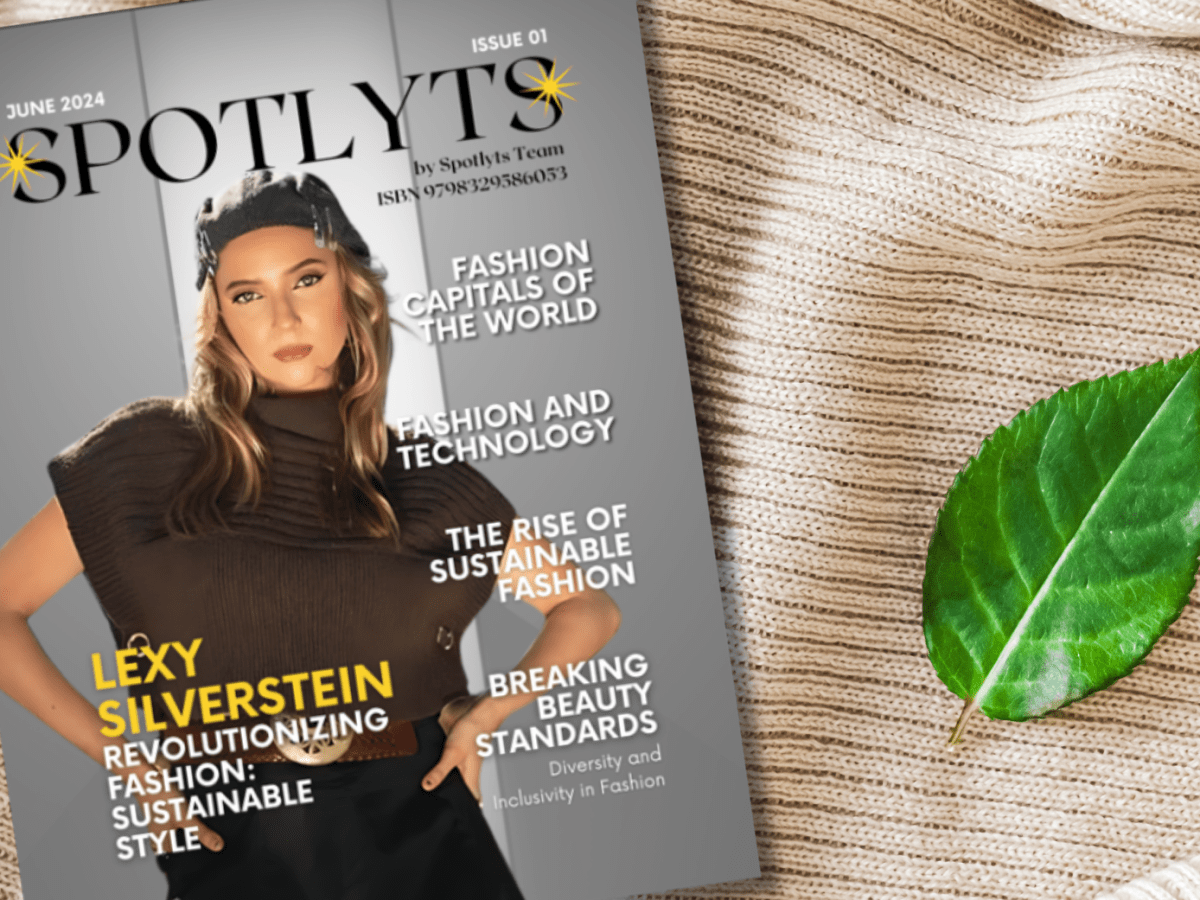
Note: This article also appears in the debut Spotlyts Magazine print and digital edition dedicated to fashion. Read below for further details.
Spotlyts Spotlights Fashion
The moment is finally here!
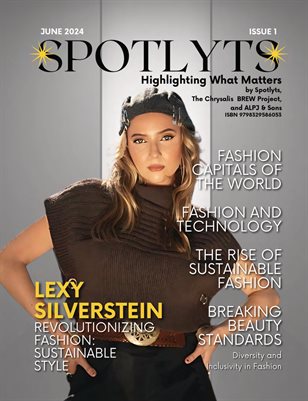
The inaugural issue of Spotlyts Magazine has been officially launched, shining a light on the transformative trends sweeping the fashion industry. Themed “Fashion Forward: Celebrating Diversity, Sustainability, and Innovation,” this edition explores the dynamic changes redefining the sector and features the stories and perspectives driving its evolution.
Gracing the cover is Alexis “Lexy” Silverstein, a champion of sustainable fashion, who embodies the magazine’s mission to highlight individuals, organizations, and initiatives promoting positive change.
This edition features exclusive interviews with notable figures, including:
- Ann Chikahisa, Designer and Owner of Chikahisa Studio, who discusses the impact of fashion and the significance of talismanic jewelry.
- Raegan Kerr, Founder and CEO of The Garde, who shares insights into the concept of elegant athleticism.
- Sylvie Blum-Reid, Professor at the University of Florida, who explores the intersection of women, fashion, and film.
- Emma Medeiros, President of Medeiros Fashion PR, who talks about inclusivity and innovation in fashion.
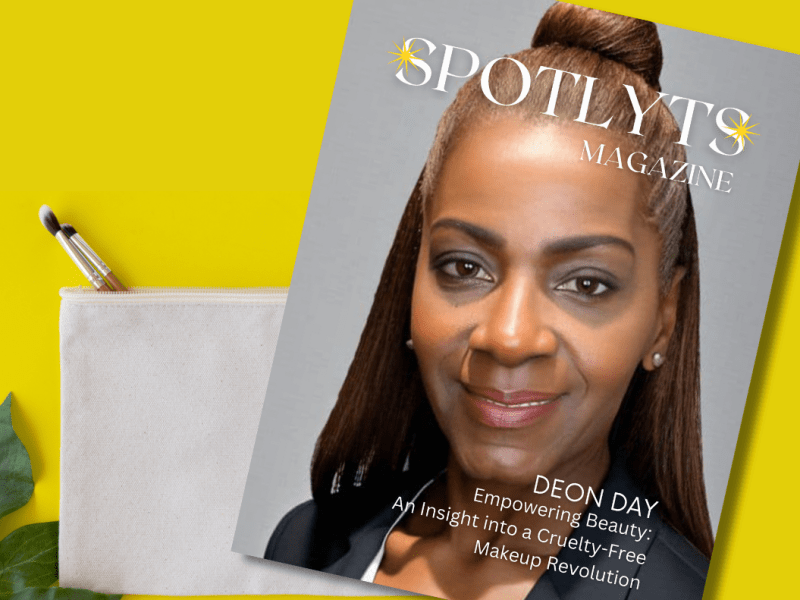
- Deon Day, Owner of The Eyeshadow Pad, who addresses the revolution in cruelty-free makeup.
- Diana Stelin, TEDx speaker and Owner of Gallerista Fashion, who discusses the artistry in fashion.
- Elizabeth Wissinger, Professor at City University of New York, who offers insights on biodesign, glamour, and wearable technology.
Additional features highlight sustainable fashion, beauty revolutions, and the latest trends, with contributions from:
- Ketie Zhang, Founder of Ketie Story
- Shane McEvoy, Managing Director of Flycast Media
- Alex Taylor, Head of Marketing of CrownTV
- Ryan Esco, Chief Marketing Officer of FireRock Marketing
- Haiko de Poel, Owner of Mass Impact
- Bart Waldon, Co-Founder of Land Boss
- Josh Bluman, Co-Founder of JJ Suspenders
- John Jones, Real Estate Investor of Sell My House Fast Now
- Diane Howard, RN and Founder of Esthetic Finesse
- Fahad Khan, Digital Marketing Manager of Ubuy Nigeria
- Kim Turner, Founder and CEO of Fitness Snob
- Nicolas Krauss, Founder and CEO of dasFlow Custom Sublimation Apparel
- Gary Gilkison, Principal Analyst of Riverbase Cloud
- Ronak Kothari, Creative Director of Rubcorp
- Brian Kratt, Founder and CEO of Plumb Development, Inc
- Kevin Watts, President and Founder of Raincross
- Valentin Radu, CEO of Omniconvert
- Matt Henderson, Co-Owner of Nesta System LLC
- Ben Davis, CEO of The Gents Place
- Kwame McGill, Founder and Owner of Chimney and Stone Masonry LLC
- Eric Neuner, President of NuShoe
- Kristian Longden, Content Marketing Executive of J&J Global Fulfilment
- Tom Molnar, Operations Manager of Fit Design
- Matt Little, Founder and Managing Director of Festoon House
“Spotlyts Magazine Issue 1 – June 2024” celebrates the transformative power of fashion, offering inspiration and insight into a more inclusive, sustainable, and innovative future.
A version of this article also appears on Google News.
Several other versions appear in hundreds of websites across the globe including FOX, CBS, ABC, and NBC affiliates plus more.
Get Your Copy Today
Secure your coffee-table-worthy print and digital copies through the following links:
By ALPJ and Sons Team in Spotlyts Magazine
130 pages, published 4/17/2025

- Amazon AU paperback | Kindle
- Amazon UK paperback | Kindle
- Amazon DE paperback | Kindle
- Amazon FR paperback | Kindle
- Amazon ES paperback | Kindle
- Amazon IT paperback | Kindle
- Amazon NL paperback | Kindle
- Amazon PL paperback
- Amazon SE paperback
- Amazon JP paperback | Kindle
- Amazon CA paperback | Kindle
- Amazon US paperback | Kindle
- Amazon BR Kindle
- Amazon MX Kindle
- Amazon IN Kindle
🔆🔆🔆🔆🔆
Related Posts













DISCLAIMER: Spotlyts Magazine does not provide any form of professional advice. All content is for informational purposes only, and the views expressed are those of individual contributors and may not reflect the official position of Spotlyts Magazine. While we strive for accuracy and follow editorial standards, we make no guarantees regarding the completeness or reliability of the content. Readers are encouraged to conduct their own research and seek professional assistance tailored to their specific needs. Any links included are for reference only, and Spotlyts Magazine is not responsible for the content or availability of external sites. For more details, please visit our full Disclaimer, Privacy Policy, and Terms of Service.
Highlight of the Day
“With great power comes great responsibility.”
— Uncle Ben, Spider-Man
More Stories for You

Quietly Transformative Innovators to Spotlight—What Makes Their Approaches Different
What everyday process do you rely on without ever wondering who quietly improved it? Read the full roundup to discover the behind-the-scenes innovations shaping modern work and technology.
Keep reading
In the Spotlight: Janne Kouri on Resilience, Purpose, and Building Impact Through Leadership
Can one unexpected moment quietly redirect an entire lifetime? Discover how one life-changing experience reshaped purpose, leadership, and service by reading this interview with Janne Kouri.
Keep reading
In the Spotlight: Gretchen Terry-Leonard on Leadership, Human Performance, and Reinventing Life’s Next Chapter
Can one question quietly shape an entire lifetime? Discover how a lifelong search for better questions transformed one author’s work by reading this insightful interview with Gretchen Terry-Leonard.
Keep reading
How Travel and Exploration Deepen Appreciation for Cultural Diversity
Have you ever wondered why getting lost in an unfamiliar place can sometimes teach more than a perfectly planned itinerary? Discover what experts say by reading the full roundup.
Keep readingSomething went wrong. Please refresh the page and/or try again.

 Spotlyts
Leave a comment