

Fashion is more than just clothing; it’s a reflection of our identities, experiences, and aspirations. From cherished childhood memories to transformative moments of self-expression, our fashion journey is woven with threads of personal significance. In this article, we explore some surprising facts and statistics behind the personal fashion experiences that have left an indelible mark on our lives.
The Power of Nostalgia: Childhood Fashion Influences
For many of us, our earliest fashion influences stem from childhood memories, shaping our sense of style and self-expression. According to a study published in the Journal of Consumer Research, nostalgic experiences can influence consumer behavior, leading individuals to seek out products that evoke positive memories from their past.
Fun fact: Research suggests that nostalgia can increase consumers’ willingness to pay for products, with nostalgic brands outperforming their competitors by up to 50%.
The Evolution of Personal Style: Teenage Fashion Tribes
The teenage years are a time of experimentation and self-discovery, often marked by exploration of different fashion tribes and subcultures. From punk rock rebels to preppy sophisticates, adolescents use fashion as a tool for identity formation and social belonging.
Fun fact: According to a survey conducted by Piper Sandler, teenagers spend an average of $2,165 per year on clothing and accessories, making them a significant consumer demographic in the fashion industry.
Fashion as Empowerment: Transformative Moments
Fashion has the power to transform not only our outward appearance but also our inner confidence and self-esteem. Whether it’s slipping into a power suit for a job interview or donning a statement dress for a special occasion, the right outfit can imbue us with a sense of empowerment and poise.
Fun Fact: A study published in the Journal of Experimental Social Psychology found that wearing formal clothing can enhance abstract thinking and promote feelings of authority and control.
Sustainable Style: Conscious Consumerism
In recent years, there has been a growing movement towards sustainable fashion, driven by concerns about environmental impact and ethical labor practices. According to a report by McKinsey & Company, 67% of consumers consider sustainability when making a fashion purchase, signaling a shift towards more conscious consumerism.
Fun fact: The global market for sustainable fashion is projected to reach $9.81 billion by 2025, driven by increasing awareness and demand for eco-friendly clothing options.
Fashion as Self-Expression: Breaking Gender Norms
Fashion plays a pivotal role in challenging societal norms and expectations, particularly when it comes to gender identity and expression. From androgynous fashion icons to gender-fluid clothing lines, there is a growing movement towards inclusivity and diversity in the fashion industry.
Fun Fact: A survey by GlobalData found that 57% of Gen Z consumers believe that gender-neutral clothing options are important, reflecting a shift towards more inclusive and fluid notions of style and identity.
Expert Insights
Our personal fashion experiences are as diverse and multifaceted as we are. From childhood nostalgia to transformative moments of empowerment, fashion shapes not only how we present ourselves to the world but also how we face and interpret our own identities. Thought leaders share their insights about this profound impact that fashion has on our lives.
Conference Attire Sparks Confidence

by Ketie Zhang, Founder, Ketie Story
“One of my most significant fashion memories is from my early twenties, when I attended my very first business conference. I vividly remember wearing a tailored navy blazer, a crisp white blouse, and sleek black heels. This ensemble was a reflection of my personal style and a statement of professionalism and confidence.
The impact on me was profound, as it marked the beginning of my understanding of fashion as a form of self-expression and empowerment. Dressing well gave me the confidence to network effectively and leave a lasting impression, reinforcing the importance of investing in key wardrobe pieces that enhance appearance and self-assurance.”
Fashion Show Inspires Sustainable Change

by Matt Little, Founder and Managing Director, Festoon House
“I remember this fashion show I attended in my early twenties. It was a small, local gathering, but the enthusiasm and creativity on display were truly inspiring.
I recall one designer who used recycled materials to create stunning, avant-garde pieces. It was a powerful statement about sustainability and the potential for fashion to be a force for good. That experience really opened my eyes to the possibilities of fashion beyond just aesthetics. It made me realize that fashion can be a platform for expressing ideas and driving change.
This experience significantly influenced my approach to fashion. I started to see it not just as a way to express personal style, but also as a tool for communication and a means to make a statement. It’s something that has stayed with me throughout my career and continues to inspire me today.”
On Ethics, Sustainability, Social Media, and Fashion

by Shane McEvoy, MD, Flycast Media
“Early in my career, I worked on a campaign promoting fast fashion. It was about keeping up with the latest trends, with new clothes hitting the shelves monthly. Then, I met some students who cared deeply about sustainable clothing.
They made me see the bigger picture—how our throw-away fashion habits affect the environment. That’s when fashion became more than just following trends for me. It’s about choosing quality clothes that last and thinking about how our fashion choices impact the world around us.
Since then, I’ve changed the way I approach fashion. Now, I focus on buying clothes that are made sustainably and ethically. I look for pieces that stand the test of time instead of just following fleeting trends. Fashion has become a way for me to positively impact the world, not just a way to express my style. This shift in mindset has made me appreciate fashion in a whole new light, which I find exciting now.
——-
In today’s fashion, it’s not just about what looks good; it’s about what feels right. Social consciousness plays a significant role in shaping fashion trends, with sustainability, ethics, and social responsibility becoming integral factors in consumer decision-making. Millennials and Gen Z, in particular, are leading this charge. They research brand practices, demanding transparency and accountability. More than ever, people use their clothing choices to make statements about their values and beliefs.
Take sustainable fashion, for example. The growing awareness of environmental issues has fueled a demand for clothing that minimizes its impact on the planet. Brands that prioritize sustainability in their production processes and materials are gaining traction among consumers. For instance, the rise of eco-friendly activewear brands like Patagonia and Athleta reflects a shift toward more conscientious fashion choices. By aligning with consumers’ values, these brands influence what people wear and inspire a broader movement toward sustainability in the fashion industry.
——-
Fashion isn’t just about prominent designers anymore—now, everyday folks have a say, too. In the past, designers decided what was cool, and we followed. But thanks to social media, it’s different now. Platforms like Instagram are like fashion shows where regular people can shine. Fashion bloggers and influencers are the new trendsetters.
What they wear can become a hit quickly, spreading like wildfire online. This shift gives us more control over our style and lets us express ourselves through fashion. It’s like a chat, not a lecture!”
On Luxury Fashion, Streetwear, and Inclusive Fashion

by Alex Taylor, Head of Marketing, CrownTV
“It is incredible how a simple piece of clothing can evoke emotions, memories, and even change the way we perceive ourselves. One of my earliest memories related to fashion was when I received my first designer handbag from my grandmother for my 16th birthday. I remember feeling incredibly special and sophisticated as I carried it around, and it sparked my love for luxury fashion.
The most significant impact that fashion has had on me was during my study abroad program in Italy. The country’s rich history and appreciation for art and beauty taught me to see fashion as more than just materialistic goods, but rather as a form of expression and cultural identity.
I vividly remember walking through the streets of Florence and being mesmerized by the intricate details and craftsmanship in the designer storefronts. I also had the opportunity to visit Milan, known as one of the fashion capitals of the world, and it was a dream come true for me.
Being surrounded by such beautiful and diverse styles opened my eyes to the endless possibilities and creativity in fashion. It made me realize that fashion is not just about following trends, but also about embracing individuality and self-expression.
——-
Meanwhile, I have always been fascinated by the ever-changing world of fashion. The fashion industry is a dynamic and fast-paced environment that is constantly evolving. From season to season, we see new trends emerging, different styles becoming popular, and old ones making a comeback. One of the main drivers behind these changes in fashion trends is media and technology.
With the rise of social media platforms like Instagram, Twitter, and TikTok, people have access to a wide range of content that showcases the latest fashion trends. Fashion bloggers, influencers, and celebrities play a significant role in influencing what people wear through their carefully curated posts and sponsored partnerships with various brands. For example, the rise of streetwear style can be attributed to the influence of social media.
Streetwear fashion was once considered niche and limited to specific subcultures, but with the help of platforms like Instagram and celebrity endorsements, it has now become mainstream. Brands like Supreme, Off-White, and Yeezy have gained immense popularity among young consumers who follow celebrities and influencers on social media.
——-
My observation and experience tell me that fashion has undergone a significant transformation over the years, driven by various factors such as cultural movements, technological advancements, and changing societal norms. One particular aspect that stands out in this evolution is the concept of inclusive fashion.
In the past, fashion was primarily focused on catering to a specific size, body shape, or gender. This led to exclusion and discrimination towards those who did not fit into the narrow standards set by the industry. However, with an increasing demand for diversity and representation, fashion has now become more inclusive and diverse.
One significant way in which this change is evident is through the rise of body positivity movements. Social media platforms have played a crucial role in promoting body acceptance and challenging traditional beauty standards. This has led to a shift in the fashion industry, with more brands embracing diverse body types and promoting self-love and acceptance.
Moreover, technology has also played a significant role in making fashion more inclusive. With the rise of e-commerce and online shopping, consumers now have access to a wider range of sizes, styles, and designs. This has made it easier for individuals who previously struggled to find clothes that fit their body type or catered to their specific needs.”
Cultural Icons Shape Streetwear Fashion

by Ryan Esco, Chief Marketing Officer, FireRock Marketing
“Fashion trends are driven by a myriad of factors, but one of the most influential drivers is cultural influence. Cultural icons, societal events, and significant historical movements shape not only what people wear but also how they perceive fashion. For instance, the rise of hip-hop in the late ’80s and ’90s brought about a massive shift in streetwear fashion. Artists like Run-DMC popularized Adidas tracksuits and sneakers, leading to a long-standing collaboration between the brand and the genre.
In my role as Chief Marketing Officer at FireRock Marketing, I’ve seen how cultural events can shape consumer behavior and brand perception. During my time working with a client in the fashion industry, we leveraged the cultural movement toward sustainability to launch a new eco-friendly clothing line. By aligning with prominent environmental advocates and endorsing celebrities who championed sustainability, our client saw a 30% increase in sales within the first quarter of the launch.
Specific data from our campaigns showed that consumers are not only driven by aesthetics but also by the values and stories that the brand represents. For example, integrating digital marketing strategies with stories of sustainable practices resonated deeply with our target demographic, leading to higher brand loyalty and repeat purchases. This approach underscores the importance of recognizing and adapting to cultural shifts in fashion to successfully influence what people wear.”
Digital Transformation Empowers Micro-Influencers

by Haiko de Poel, Owner, Mass Impact
“Fashion trends are driven by numerous factors, and one of the most influential is the digital transformation and social media’s impact. From my experience in SaaS and digital transformation, particularly in navigating branding and rebranding in competitive markets, I’ve observed how platforms like Instagram and TikTok have become significant influencers of what people wear.
For instance, the rise of micro-influencers—those with 10,000 to 100,000 followers—has drastically shaped fashion trends. Brands recognize that these influencers, despite their smaller following, often have higher engagement rates and more targeted audiences. I worked with several brands that shifted their focus to micro-influencers, leveraging their authenticity to connect with niche markets. This resulted in a more authentic and engaging brand image, which led to higher sales and stronger customer loyalty.
A concrete example from my work includes a campaign for a fashion start-up where we partnered with multiple micro-influencers to promote a new apparel line. By crafting compelling narratives and visuals that resonated with their audiences, we saw a 35% increase in online engagement and a notable spike in sales. This strategy emphasized the importance of personalization and authenticity in driving current fashion trends through digital channels.”
Influencers Spark Vintage Fashion Resurgence

by Bart Waldon, Co-Founder, Land Boss
“Fashion trends are largely driven by cultural shifts and social media. One specific influential driver is social-media influencers. For example, when popular influencers began showcasing vintage styles, it sparked a resurgence in thrifting and sustainable fashion. This trend encouraged many to embrace unique, second-hand pieces, reducing fast-fashion consumption and promoting a more eco-friendly approach to dressing.”
Public Figures Set Fashion Benchmarks

Josh Bluman, Co-Founder, JJ Suspenders
“One significant driver of fashion trends is celebrity culture, where public figures and influencers set style benchmarks that resonate with their followers. An example of this is the “Kardashian effect,” where members of the Kardashian family have a considerable influence on fashion trends through their social media presence and public appearances.
Their endorsement of particular brands or styles often leads to those items becoming highly sought after, shaping consumer preferences and influencing what people choose to wear. This phenomenon highlights the power of celebrity endorsement in driving fashion trends and underscores the symbiotic relationship between popular culture and the fashion industry.”
Shift Toward Sustainable Fashion

by John Jones, Real Estate Investor, Sell My House Fast Now
“I have had the opportunity to observe how fashion has evolved over the years, especially in terms of home design and decor. One significant change that I have noticed is the shift toward more sustainable and eco-friendly materials in fashion. Traditionally, fashion was centered around fast-paced trends and cheap production methods, leading to a high turnover rate of clothing and accessories.
However, with growing awareness of the environmental impact of fast fashion, there has been a shift toward more sustainable and ethical practices in the fashion industry. This has resulted in a rise of eco-friendly materials such as organic cotton, bamboo, and recycled fabrics being used in clothing production.
Not only are these materials better for the environment, but they also add longevity to clothing items. The use of natural fibers and organic materials ensures that the clothing is of higher quality and can withstand more wear and tear, making it a better investment for consumers.
This shift toward sustainability has also led to the rise of slow fashion—a movement promoting timeless, high-quality pieces that are meant to be kept and worn for years. In addition to the use of sustainable materials, there has also been a growing trend toward ethical and transparent production methods. Consumers are now more conscious of where their clothing is made, who makes it, and under what conditions.”
Changing Cuts and Silhouettes

by Diane Howard, RN and Founder, Esthetic Finesse
“One notable evolution in fashion over the years revolves around the concept of fashion cycles, where trends come and go.
But what really stands out is the change in cuts and silhouettes. The move from long to short styles has been a big trend in fashion!”
References
- Journal of Consumer Research: https://academic.oup.com/jcr
- Piper Sandler: https://www.pipersandler.com/
- Journal of Experimental Social Psychology: https://www.journals.elsevier.com/journal-of-experimental-social-psychology
- McKinsey & Company: https://www.mckinsey.com/
- GlobalData: https://www.globaldata.com/
Note: This article also appears in the debut Spotlyts Magazine print and digital edition dedicated to fashion. Read below for further details.
Spotlyts Spotlights Fashion
The moment is finally here!
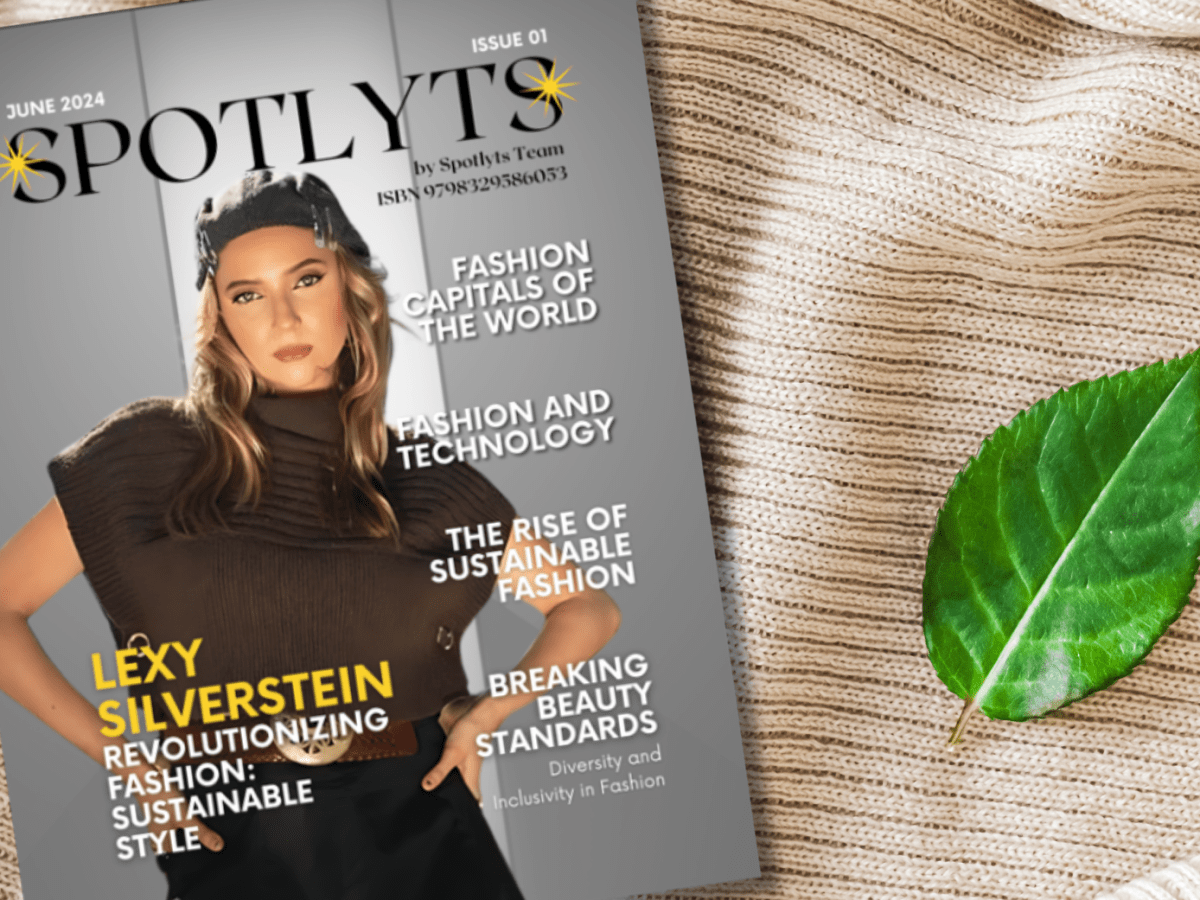
The inaugural issue of Spotlyts Magazine has been officially launched, shining a light on the transformative trends sweeping the fashion industry. Themed “Fashion Forward: Celebrating Diversity, Sustainability, and Innovation,” this edition explores the dynamic changes redefining the sector and features the stories and perspectives driving its evolution.
Gracing the cover is Alexis “Lexy” Silverstein, a champion of sustainable fashion, who embodies the magazine’s mission to highlight individuals, organizations, and initiatives promoting positive change.
This edition features exclusive interviews with notable figures, including:
- Ann Chikahisa, Designer and Owner of Chikahisa Studio, who discusses the impact of fashion and the significance of talismanic jewelry.
- Raegan Kerr, Founder and CEO of The Garde, who shares insights into the concept of elegant athleticism.
- Sylvie Blum-Reid, Professor at the University of Florida, who explores the intersection of women, fashion, and film.
- Emma Medeiros, President of Medeiros Fashion PR, who talks about inclusivity and innovation in fashion.
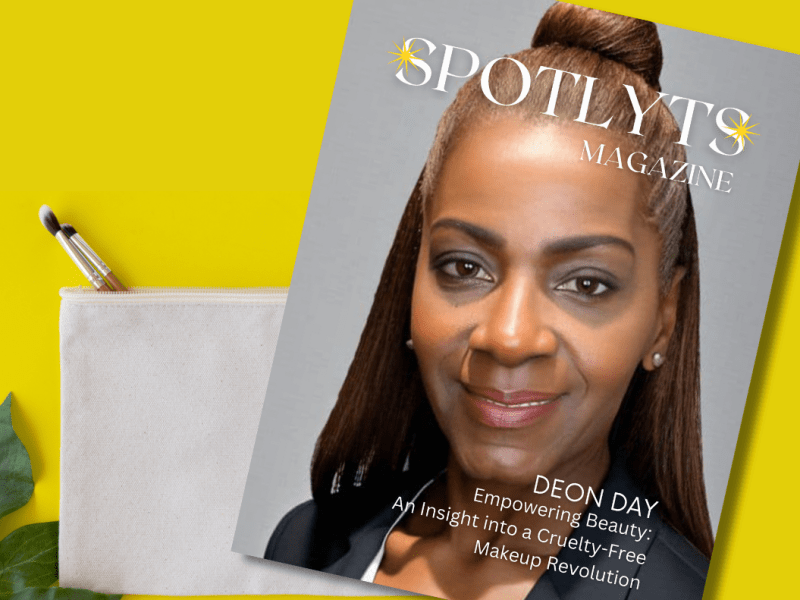
- Deon Day, Owner of The Eyeshadow Pad, who addresses the revolution in cruelty-free makeup.
- Diana Stelin, TEDx speaker and Owner of Gallerista Fashion, who discusses the artistry in fashion.
- Elizabeth Wissinger, Professor at City University of New York, who offers insights on biodesign, glamour, and wearable technology.
Additional features highlight sustainable fashion, beauty revolutions, and the latest trends, with contributions from:
- Ketie Zhang, Founder of Ketie Story
- Shane McEvoy, Managing Director of Flycast Media
- Alex Taylor, Head of Marketing of CrownTV
- Ryan Esco, Chief Marketing Officer of FireRock Marketing
- Haiko de Poel, Owner of Mass Impact
- Bart Waldon, Co-Founder of Land Boss
- Josh Bluman, Co-Founder of JJ Suspenders
- John Jones, Real Estate Investor of Sell My House Fast Now
- Diane Howard, RN and Founder of Esthetic Finesse
- Fahad Khan, Digital Marketing Manager of Ubuy Nigeria
- Kim Turner, Founder and CEO of Fitness Snob
- Nicolas Krauss, Founder and CEO of dasFlow Custom Sublimation Apparel
- Gary Gilkison, Principal Analyst of Riverbase Cloud
- Ronak Kothari, Creative Director of Rubcorp
- Brian Kratt, Founder and CEO of Plumb Development, Inc
- Kevin Watts, President and Founder of Raincross
- Valentin Radu, CEO of Omniconvert
- Matt Henderson, Co-Owner of Nesta System LLC
- Ben Davis, CEO of The Gents Place
- Kwame McGill, Founder and Owner of Chimney and Stone Masonry LLC
- Eric Neuner, President of NuShoe
- Kristian Longden, Content Marketing Executive of J&J Global Fulfilment
- Tom Molnar, Operations Manager of Fit Design
- Matt Little, Founder and Managing Director of Festoon House
“Spotlyts Magazine Issue 1 – June 2024” celebrates the transformative power of fashion, offering inspiration and insight into a more inclusive, sustainable, and innovative future.
A version of this article also appears on Google News.
Several other versions appear in hundreds of websites across the globe including FOX, CBS, ABC, and NBC affiliates plus more.
Get Your Copy Today
Secure your coffee-table-worthy print and digital copies through the following links:
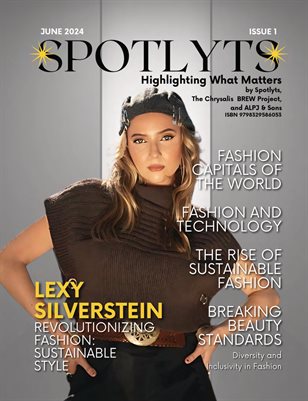
By ALPJ and Sons Team in Spotlyts Magazine
130 pages, published 4/17/2025

- Amazon AU paperback | Kindle
- Amazon UK paperback | Kindle
- Amazon DE paperback | Kindle
- Amazon FR paperback | Kindle
- Amazon ES paperback | Kindle
- Amazon IT paperback | Kindle
- Amazon NL paperback | Kindle
- Amazon PL paperback
- Amazon SE paperback
- Amazon JP paperback | Kindle
- Amazon CA paperback | Kindle
- Amazon US paperback | Kindle
- Amazon BR Kindle
- Amazon MX Kindle
- Amazon IN Kindle
🔆🔆🔆🔆🔆
Related Posts








DISCLAIMER: Spotlyts Magazine does not provide any form of professional advice. All content is for informational purposes only, and the views expressed are those of individual contributors and may not reflect the official position of Spotlyts Magazine. While we strive for accuracy and follow editorial standards, we make no guarantees regarding the completeness or reliability of the content. Readers are encouraged to conduct their own research and seek professional assistance tailored to their specific needs. Any links included are for reference only, and Spotlyts Magazine is not responsible for the content or availability of external sites. For more details, please visit our full Disclaimer, Privacy Policy, and Terms of Service.
Highlight of the Day
“With great power comes great responsibility.”
— Uncle Ben, Spider-Man
More Stories for You

Seasonal Rituals Inspire Global Communities
Ever wondered why we instinctively gather or celebrate when seasons change? This roundup explores how different cultures ritualize nature’s cycles—and what we can learn from these timeless patterns.
Keep reading
The Deal by Nazia Kamali (Short Fiction)
What does a familiar bar reveal when no one is watching? This piece invites readers inside shifts, hidden rituals, and a looming surprise.
Keep reading
In the Spotlight: Leon Conrad on Language, Story Structure, and How Stories Shape Meaning
Why do some stories feel instinctively right while others fall flat—even when we can’t explain why? This interview explores how story structures shape meaning and invites readers to discover the answer.
Keep reading
In the Spotlight: Cortney Raymond on Writing Stories of Healing, Strength, and Possibility
Ever wondered what it’s like to write stories that give hope to people who’ve endured trauma? Discover how Cortney Raymond blends real-life experiences and imagination to create resilience, strength, and possibility.
Keep readingSomething went wrong. Please refresh the page and/or try again.

 Spotlyts
Leave a reply to Andrea Fernández Cancel reply