
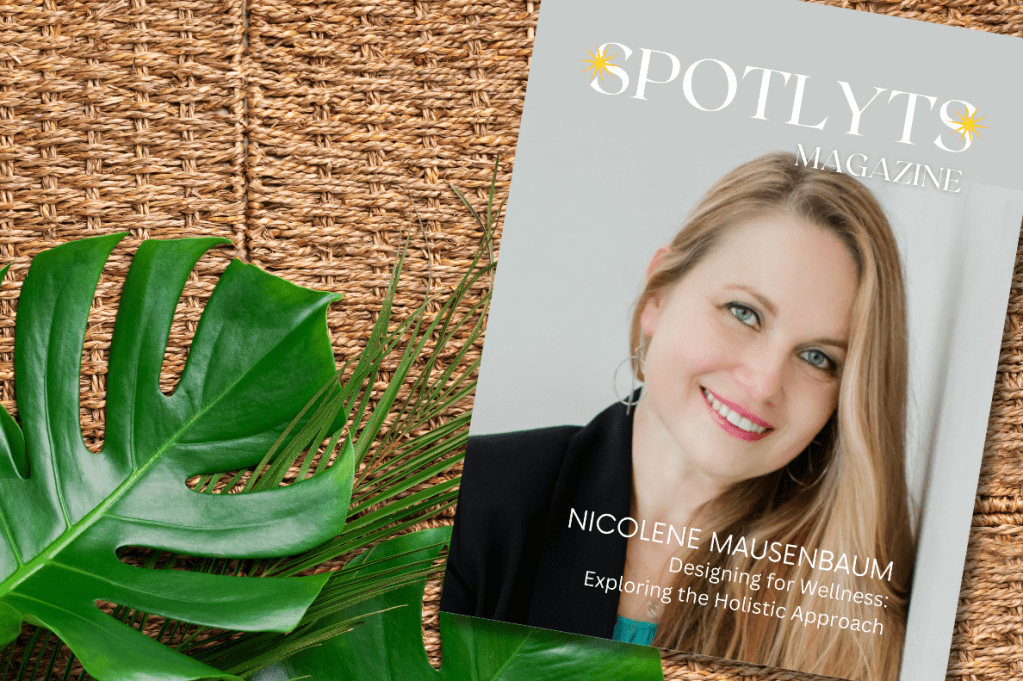
“The aim of holistic design is to balance the interior with nature.”
– Nicolene Mausenbaum
Owner of Dezyna Interiors (Pty) Ltd Nicolene Mausenbaum merges aesthetic appeal with holistic principles to create spaces that nurture the soul. With years of experience in both commercial and residential projects, Nicolene has honed her craft to specialize in holistic design—an approach that transcends traditional boundaries by prioritizing the wellness of the mind, body, and soul.
As a Professional Senior Interior Designer member of the IID (The African Institute of the Interior Design Professions), Nicolene’s expertise extends beyond mere aesthetics. Join us as we look into Nicolene’s world of holistic design.
SM: Nicolene, can you share with us what inspired you to specialize in holistic design?
NM: Holistic design is a natural progression of the work I do as an interior designer. By paying heed to the spoken and unspoken design requirements of my clients, I’ve come to learn how essential it is to not only consider the traditional application of interior design, but to also consider the wellness of the mind, body, and soul, and how the application of holistic design can have such a positive impact in a home and its inhabitants.
SM: How do you define holistic design, and how does it differ from traditional approaches to interior design?
NM: Interior design traditionally focuses on creating visually appealing and functional spaces. Holistic design has a far more personalized and comprehensive approach based on the user experience, creating interiors that are not only visually pleasing but also promote a harmonious sense of well-being while promoting relaxation and reducing stress levels. The aim of holistic design is to balance the interior with nature by not only considering the individual’s needs, but by also having carefully planned applications of natural elements and natural materials. It includes incorporating as many environmentally friendly, locally sourced, and sustainable products as possible – thus having a positive impact on the environment, too. Holistic design considers not only the physical elements of the space, such as lighting and furniture and the acoustics but also the emotional and spiritual aspects, such as the energy flow and the connection to the nature of the space. Creating mindfulness spaces like meditation rooms and sanctuaries, as well as the application of color psychology, considering human biology, and ergonomics, are some factors that are also included in this practice. It is truly an ‘all-in-one’ type approach to design.
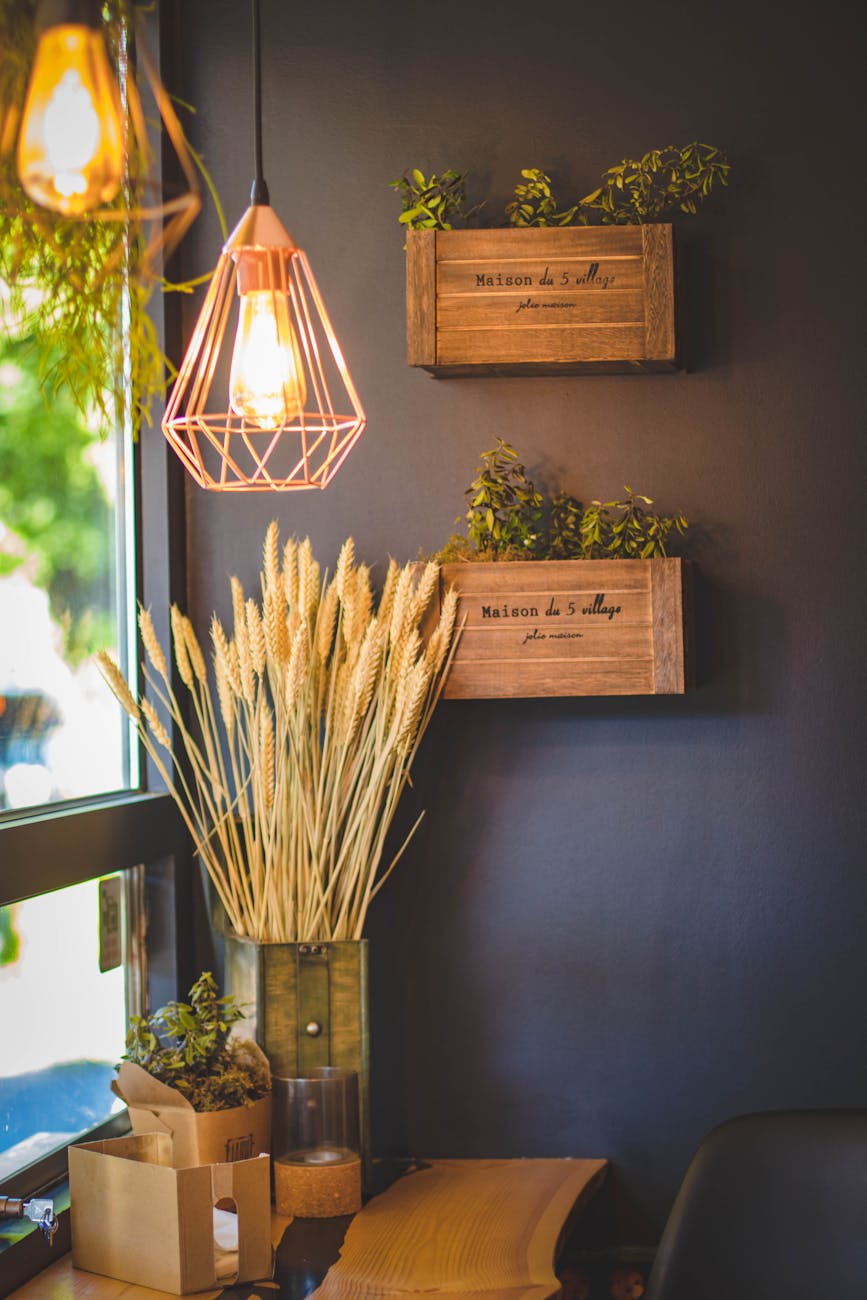
SM: Biophilic design is a key element of your work. Could you explain its principles and how you incorporate them into your projects?
NM: A personal favorite of mine, biophilia can be described as ‘an innate love for the natural world’. The theory of biophilia is that natural features and sensorial patterns are easier for the human brain to process.
It helps explain why viewing a beautiful landscape can enhance our creativity; why we are intrigued by crackling fires and crashing waves and why having a peaceful walk through a park or hike through forest can have a restorative, healing effect on us.
Some of the many benefits of incorporating biophilia in an environment include a general feeling of well-being and an increase in productivity and creativity.
Biophilic applications to any interior can be divided into three main areas:
- Through direct experience, by incorporating natural elements such as water or water features, sunlight, plants.
- Through indirect experience, by incorporating natural materials like wood, stone, and wood; and patterns and items representing nature, like seashells as decor items or leaf patterns on a wallpaper or linen.
- By the experience of space or place, where elements are created to evoke ideas of mystery, refuge & risk that are linked to childhood memories and experiences, like the way we feel when exposed to certain elements of nature or places.
SM: Color psychology plays a significant role in creating mood and atmosphere. How do you select colors to promote well-being in your designs?
NM: Everyone’s perception of, and reaction to, color is unique – the trick as a designer is in finding exactly which colors and combinations inspire our clients, and what the purpose of the space is where we are applying the color.
Even the color temperature of the light bulbs that we choose to place in your home, have an impact on your body’s physiology.
Cool white bulbs are bright and stimulating whilst warm white light is welcoming – different areas and the tasks that you perform in those areas, help us make the right choice.
The study of how color affects our mental and emotional constitution dates back to the ancient Egyptians, who studied the effects of color on mood and used them to accomplish holistic benefits.
- Further studies have shown that incorporating the color Green creates a very relaxing environment psychologically, due to our inherent need as human beings to have elements of nature (i.e., Biophilia) around us. It is both soothing and refreshing and has a restorative effect, reducing fatigue and promoting recovery from stress. Green is considered to be gentle on the eyes, reducing strain and providing a restful viewing experience.
- Blue is good for focus and concentration and is often associated with tranquility and calmness. It can reduce stress and anxiety levels, promoting a sense of peace.
- Yellow increases creativity, attention, and positivity and is associated with happiness, and energy. It can uplift moods, stimulate mental processes and boost memory.
- Orange is thought to be welcoming and mood enhancing, improving neural functioning. It combines the energy of red and the happiness of yellow, promoting enthusiasm and a sense of warmth – and has even has been shown to stimulate social communication and boost appetite.
- (Light) Pink is a compassionate color while a deep pink shows strength. It is often seen as a calming color that can reduce feelings of aggression and promote nurturing feelings, evoking a sense of comfort and compassion, making it ideal for spaces meant for relaxation and care.
- Lilac is a soothing color and symbolizes serenity.
- Brown evokes a feeling of earthiness and comfort.
- White is associated with purity, cleanliness, and simplicity. It can create a sense of spaciousness and clarity, providing a neutral backdrop that can enhance other colors and create a calming environment. White can help reduce visual clutter and create a serene space.
Any color can have a place in a holistic home, in various degrees of proportion and careful application.
However, the specific colors mentioned above are those that most promote a sense of well-being.

SM: You mentioned considering human biology in your designs. Can you elaborate on this aspect and its importance?
NM: The consideration of human biology in holistic design involves creating environments that support and enhance the physical, mental, and emotional well-being of the inhabitants. It understands the connection between the built environment and its effects on various aspects of our health.
As an example of the importance of one of the key elements of human biology, consider the following. Our body’s circadian rhythms require daily exposure to natural light to help maintain healthy sleep patterns. If you work in an environment where you are in an enclosed area like a basement for many hours, you wouldn’t see the natural evolution of the day – eventually upsetting your system’s internal clock. The application of artificial light that mimics natural light can help maintain circadian rhythms in this kind of scenario.
Having access to quality indoor air is essential, as is ensuring the use of materials in your space that emit low or no VOCs (volatile organic compounds) to help minimize air pollution and lower respiratory risks. The application of low VOC paints that don’t have a strong chemical smell when freshly applied, are a good example.
Noise-control and improved sound quality are also key factors in helping to reduce stress and aid concentration. This can be achieved through strategic space planning (creating quiet zones for rest and relaxation), applying materials with sound-absorptive qualities and the use of white noise.
Thermal comfort; access to hydration and nutrition; biophilic design and color psychology mentioned previously are also part of the complicated web that influences our daily mental health and biology as human beings.
SM: Ergonomics is often associated with functionality and comfort. How do you balance ergonomic considerations with aesthetics in your designs?
NM: The science and application of ergonomics are becoming more fashionable by the day, and so are our choices. There is an infinite amount of materials and finishes at our disposal to help make the once dreaded office chair and desking now stylish elements that complement and enhance a design scheme.
Whether it’s a reception counter in an office or a server or dining table in a home that is tailor-made with specific dimensions to suit its inhabitants’ ergonomic and other requirements; custom shopfitting in a material of your choice is now at anyone’s disposal.
SM: Could you share a specific project where you successfully integrated holistic design principles, and what were the outcomes?
NM: A recent project included completely renovating a kitchen and adjacent room to create a combined kitchen and scullery area. The former space made the clients feel claustrophobic and uncomfortable in their own kitchen – the subsequent refurbishment of the space included installing a big window at the end of the kitchen, opening up the views of the sky and adjacent trees, inviting the outside (and more natural light) in. The scullery also had a new window opening created, making the small space appear even larger, and had an added benefit of affording the owners a new view that had previously been obscured onto their internal courtyard. New wall and floor finishes in light, clean colors with all new custom-made timber and glass cabinetry that suited their specific requirements and workflow helped to create a truly beautiful environment. My clients (both foodies) are thrilled, and I’m proud that my vision for their kitchen helped to transform it into a space they love to be in.
SM: In your opinion, how does the design of a space impact its occupants’ emotional and spiritual well-being?
NM: Most aspects (and lack) of design can have an impact – sometimes subliminal, sometimes apparent and sometimes even an overwhelming effect – on the occupants’ emotional and spiritual well-being. Incorporating mindful and considered holistic design principles based on the specific requirements of its inhabitants should, in my opinion, be the natural approach to interior design.
SM: As a member of the IID, how do you stay updated on the latest trends and research in interior design and wellness?
NM: The IID is a wonderful organization that provides many learning opportunities to those of us in the build industry in South Africa. They offer publications, various talks and events on industry news, including news of new materials, trends and finishes that have been launched. I also enjoy reading any and all industry-related publications, locally and internationally. We tend to be a season behind Europe, the UK, and USA, so I regularly keep tabs on emerging trends and developments from fellow designers and suppliers of industry news on social media too.

SM: What advice would you give to aspiring interior designers who are interested in incorporating holistic principles into their work?
NM: Interior design is often misunderstood as a superfluous profession that can be easily achieved by any amateur. In truth, it is a multi-faceted discipline with many sub-specialties that not only improves people’s environments but their lives, too.
Holistic design may not necessarily be for every interior designer, as it requires an in-depth approach to considering the entire space and all its elements as mentioned, which is a lot more complicated than just doing a soft make-over or procuring or reupholstering furniture. No job is perfect, but if you achieve it successfully, you can see the positive impact your work can have on people’s lives – and not just on a superficial level. If you truly want to make a difference, applying holistic design principles can be very rewarding and fulfilling all round.
🔆
“Incorporating mindful and considered holistic design principles… should be the natural approach to interior design.”
– Nicolene Mausenbaum
Useful Links
- Website: https://dezyna.com/
- LinkedIn: https://www.linkedin.com/in/dezyna/
- Facebook: https://www.facebook.com/dezyna.interiors
Join the Conversation
We’d love to hear from you:
- What aspect of Nicolene’s approach to holistic design resonated with you the most?
- How do you think incorporating natural elements into interior spaces can enhance well-being?
- Have you ever applied color psychology principles in your own home design? If so, what was your experience?
Share your thoughts in the comments below and join the conversation on holistic living!
Welcome to July 2024, a month dedicated to celebrating the vibrant worlds of art, design, architecture, and real estate on Spotlyts! As we immerse ourselves in the creative and dynamic realms of human expression and development, we go deep into exploration, inspiration, and innovation.
Throughout this month, we invite you to journey into the kaleidoscope of artistic endeavors, from traditional mediums to cutting-edge digital creations. Discover the stories behind iconic masterpieces, explore emerging trends in contemporary art, and engage with the diverse voices shaping the cultural landscape.
Turning to design, we illuminate the transformative power of thoughtful craftsmanship and visionary thinking. From sleek product designs to sustainable architectural solutions, join us as we uncover the intersection of form and function, where creativity meets practicality to enhance our everyday lives.
In the world of architecture, we take on a quest to discover the structures that define our cities and shape our experiences. Journey with us through towering skyscrapers, historic landmarks, and innovative urban spaces as we document the stories behind the built environment and envision the cities of tomorrow.
And in real estate, we explore the spaces where we live, work, and play. From luxurious residences to innovative commercial developments, peek into the trends shaping the market and the visionaries transforming landscapes. Discover how architecture and design converge with real estate to create environments that reflect and influence our lifestyles. We also highlight efforts to cater to diverse demographics, ensuring that communities are inclusive, accessible, and responsive to the needs of all individuals.
Together, let us ignite our imagination, provoke thought-provoking conversations, and celebrate the boundless creativity that enriches our world. Welcome to Spotlyts Month for Art, Design, Architecture, and Real Estate—a celebration of inspiration, innovation, and the enduring power of human creativity.
Related
July: Spotlyts Celebrates Visual Art, Design, Architecture & Real Estate
If walls could talk, what stories would they tell about art, design, and architecture? This July, Spotlyts explores how creativity shapes the spaces we live in—past, present, and future.
Keep reading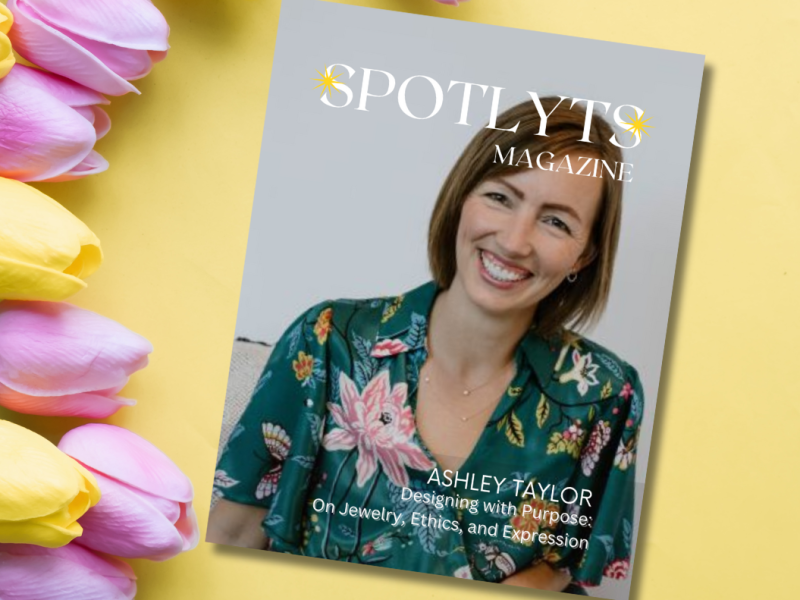
In the Spotlight: Ashley Taylor on Building a Purpose-Driven Jewelry Brand
Can a surprise sketch change the course of a career? Explore how one unexpected moment led Ashley Taylor into jewelry design—and what it reveals about purpose, creativity, and conscious choices.
Keep reading
In the Spotlight: Ingrid Spangler
In this exclusive interview, know how award-winning artist Ingrid Spangler transforms discarded books into stunning, celebrated collages.
Keep reading
In the Spotlight: Ashley Akin
With Ashley Akin’s enthusiasm for building Willow & Ivy Press from its inception clearly evident, we look into her insights on how the brand is shaping its unique identity in the greeting card market.
Keep reading
Spotlyts Snippets: Biophilic Design and Well-Being
In this fifth installment of Spotlyts Snippets, we get into the world of biophilic design and its impact on well-being. As our built environments evolve, the integration of natural elements into architectural and interior design is gaining momentum and reshaping how we interact with our spaces and enhancing our overall quality of life.
Keep reading
Spotlyts Snippets: On Iconic Building Restorations
In this second installment of Spotlyts Snippets, we highlight the art and science behind restoring iconic buildings, showcasing how these projects blend historical preservation with modern innovation.
Keep reading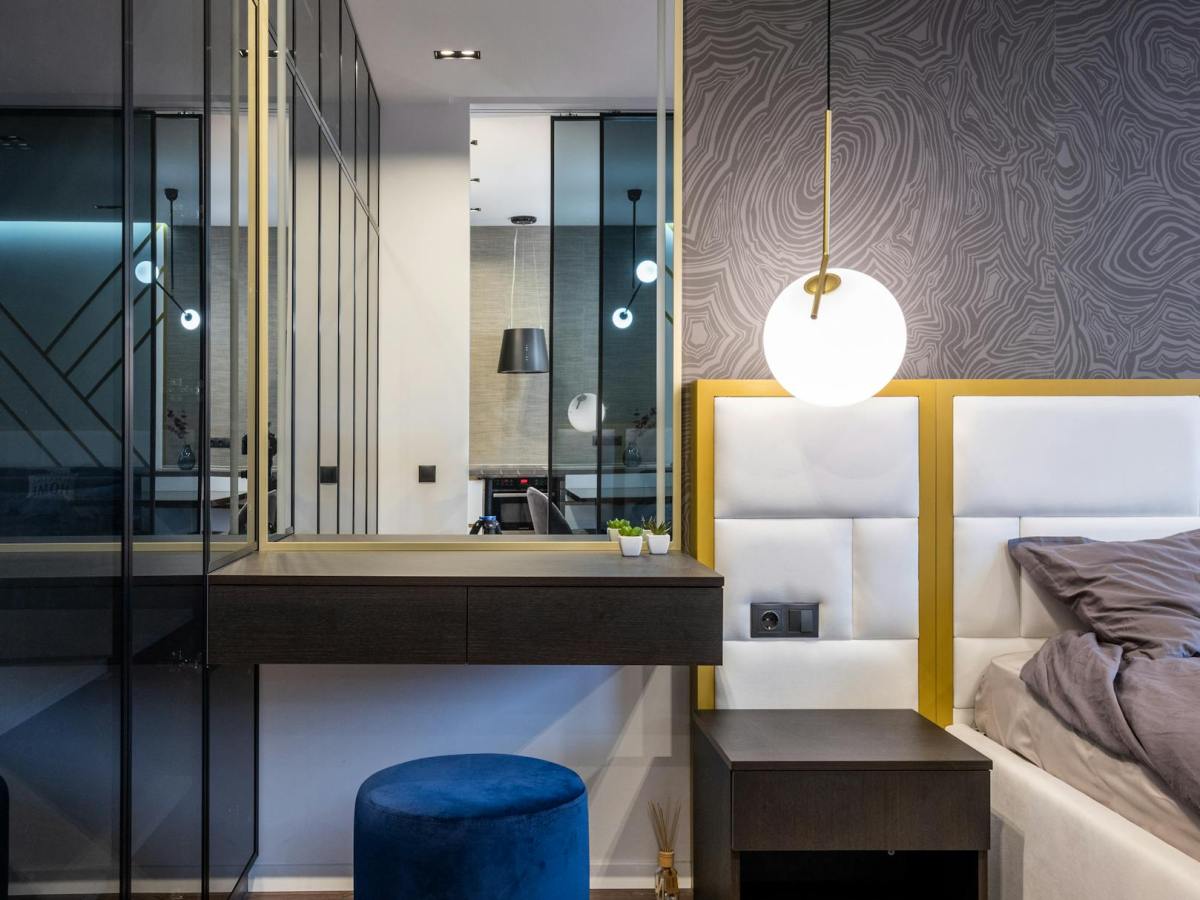
Interior Design Tips for Small Spaces: Maximizing Functionality and Style
Here are some easy-to-apply tips that can help you make any small space both functional and stylish.
Keep reading
Affordable Housing Innovations: Balancing Design and Community
Does affordable housing still exist? In this article, experts and leaders share their insights on how innovative strategies are successfully blending design excellence with strong community engagement to create more vibrant and sustainable affordable housing solutions.
Keep reading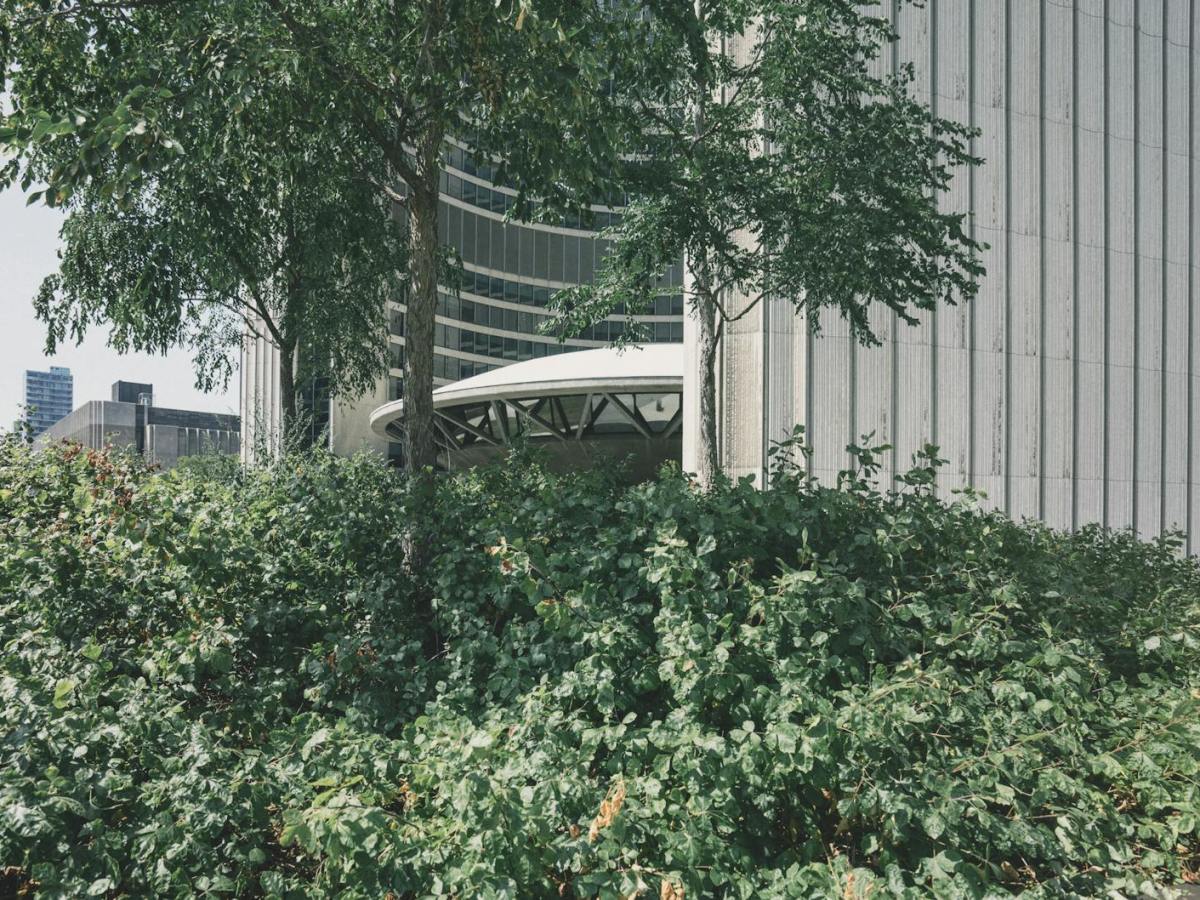
Sustainable Architecture: Designing for a Greener Future
With people growing more and more environmentally conscious, sustainability in all things is gaining popularity. The field of architecture is no exception. We are slowly witnessing a convergence of design and environmental consciousness.
Keep reading
Architectural Marvels Around the World: Iconic Buildings and Landmarks
Let us take a brief sojourn from our daily lives and take a moment to admire some of the most fascinating architectural marvels around the world.
Keep reading
The Art in Architecture: The Influence of Art Movements on Modern Design Trends
Here are some of the greatest art movements that have influenced modern design trends.
Keep reading
In the Spotlight: Michael “Aaron” Crute
Each transaction is a unique journey in the world of real estate. As President and Co-founder of The Welcome Home Atlanta Team Michael “Aaron” Crute aptly puts it, “Homeownership should be an empowering and inspiring journey, and I want to make it accessible and enjoyable for as many people as possible, regardless of their background.”…
Keep reading
In the Spotlight: Scott Gebicke
Innovation is not just a buzzword in sustainability—it’s a blueprint for change. Meet Scott Gebicke, a trailblazer in manufacturing innovation, whose journey from the corridors of corporate leadership to the frontlines of sustainability is rewriting the rules of housing construction and receiving accolades including Fast Company’s Most Innovative Companies Award for 2024.
Keep reading
In the Spotlight: Gareth Rockliffe
Honored with titles like “Honorary Color Master” and recipient of esteemed awards from institutions like the Photography Masters Cup and the International Color Awards, Gareth’s artistic prowess knows no bounds. Know more about Gareth’s story, the beginnings of his love for photography, his collaboration with his wife, his successes, and his other endeavors in this…
Keep reading
In the Spotlight: Camilla Fellas Arnold and Emily Tuck
Creativity may often find itself confined within rigid structures and non-creative environments where a visual artist or a creative individual can find to be a daunting one. However, amidst this challenge lies hope and empowerment, as expressed by Camilla Fellas Arnold and Emily Tuck, the visionary co-founders of Visionary Coaching Centre.
Keep reading
July 2024 is the Spotlyts Month for Art, Design, Architecture, and Real Estate
Welcome to July 2024, a month dedicated to celebrating the vibrant worlds of art, design, architecture, and real estate on Spotlyts! As we immerse ourselves in the creative realms of human expression, we dig deep into exploration, inspiration, and innovation.
Keep reading
In the Spotlight: Jaena Jimenez
Success is often born from resilience, determination, and an unwavering commitment to continuous growth. Jaena Jimenez, the CEO and Founder of Bellissimo Business Management Consultancy Services and Real Estate Services, embodies these qualities as she tackles the dynamic world of business.
Keep reading
In the Spotlight: Melissa Evers
There are those among us in our world who not only overcome their own obstacles but also support others in their own unique challenges. After enduring her own personal upheaval, Melissa (Anne) Evers, or “Mel” as she is often called, has come out of it, both as a survivor and a fervent supporter of those…
Keep readingDISCLAIMER: Spotlyts Magazine does not provide any form of professional advice. All content is for informational purposes only, and the views expressed are those of individual contributors and may not reflect the official position of Spotlyts Magazine. While we strive for accuracy and follow editorial standards, we make no guarantees regarding the completeness or reliability of the content. Readers are encouraged to conduct their own research and seek professional assistance tailored to their specific needs. Any links included are for reference only, and Spotlyts Magazine is not responsible for the content or availability of external sites. For more details, please visit our full Disclaimer, Privacy Policy, and Terms of Service.
Highlight of the Day
“With great power comes great responsibility.”
— Uncle Ben, Spider-Man
More Stories for You

Seasonal Rituals Inspire Global Communities
Ever wondered why we instinctively gather or celebrate when seasons change? This roundup explores how different cultures ritualize nature’s cycles—and what we can learn from these timeless patterns.
Keep reading
The Deal by Nazia Kamali (Short Fiction)
What does a familiar bar reveal when no one is watching? This piece invites readers inside shifts, hidden rituals, and a looming surprise.
Keep reading
In the Spotlight: Leon Conrad on Language, Story Structure, and How Stories Shape Meaning
Why do some stories feel instinctively right while others fall flat—even when we can’t explain why? This interview explores how story structures shape meaning and invites readers to discover the answer.
Keep reading
In the Spotlight: Cortney Raymond on Writing Stories of Healing, Strength, and Possibility
Ever wondered what it’s like to write stories that give hope to people who’ve endured trauma? Discover how Cortney Raymond blends real-life experiences and imagination to create resilience, strength, and possibility.
Keep readingSomething went wrong. Please refresh the page and/or try again.

 Spotlyts
Leave a reply to Andrea Fernández Cancel reply