

“As an architect, you design the present, with an awareness of the past for a future which is essentially unknown.”
– Norman Foster
As renowned architect, Norman Foster, states, architecture is an intricate discipline where the past, the present, and the future are all of paramount importance. To be a successful architect, one has to efficiently blend practicality with aesthetics.
It is undeniable that art and architecture are intrinsically related. In fact, it can even be said that architecture is the scientific embodiment of art. It takes the whimsy of art and translates it into practical use by the efficient use of space, time, movement, and time.
Naturally, it is a given that a successful architect is bound to have an artistic bent of mind. Only a creative and proficient architect is able to come up with a building that is both visually pleasing as well as functional.
For centuries, mere buildings and spaces have been completely transformed with the infusion of elements from art movements. Way back in ancient Roman times, structures of all kinds were bestowed with floral motifs and scrolled columns. The Age of the Renaissance was the time when religious themes were intermingled with everyday life to create grandiose pieces of art. This penchant was evident in the architecture of the time as well. The soaring ceilings and detailed walls with frescoed religious themes make the works of the era an inspiration to today’s budding architects as well. In the 17th century, the Baroque movement with its vibrant colors, intricate detailing, and awe-inspiring grandeur gained popularity with the help of the Church. It later evolved into the more exuberant Rococo movement that continued well into the 19th century. Art movements continue to play an important role in architectural designs even today.
Let us look at some of the greatest art movements that have influenced modern design trends.

Art Nouveau
Rise: 19th century
Originating in the late 19th century, the Art Nouveau Movement took the worlds of art and architecture by storm. Departing from the materialistic styles prevalent at the time, art nouveau started infusing elements of nature into their designs. The intricate patterns, flowing lines, and organic forms found in nature inspired the movement. The use of sinuous curves and ornate work like stained glass windows, ironwork, and floral motifs are the key characteristics of the Art Nouveau style of architecture. If you wish to behold the Art Nouveau style in its full glory, do visit Antoni Gaudi’s Casa Batlo in Barcelona which stands out for its façade adorned with vibrant ceramic tiles that remind us of dragon scales. The entrances of Hector Guimard’s Paris Metro featuring eye-catching cast iron structures and Victor Horta’s Hotel Tassel in Brussels are also stellar examples of the Art Nouveau style.

Cubism
Rise: 20th century
Pioneered by renowned artists like Pablo Picasso and Georges Braque, Cubism became one of the most influential styles of the 20th century. It emerged as a revolutionary new approach representing reality. Though highly controversial at the time, the style spread like wildfire throughout Europe in the 1910s. Inspired by Cubism, architects broke down three-dimensional forms. They juxtaposed and superimposed them by making use of geometric shapes. They designed transparent forms that penetrated one another while maintaining a spatial and visual relationship. Raymond Duchamp-Villon and Andre Mare’s La Maison Cubiste is a stellar example of this style.

Dadaism
Rise: 20th century
The early 20th century saw the world torn by wars. People were naturally disillusioned by the fallacy of violence and bloodshed. In such a scenario, a group of creative-minded individuals gathered at a nightclub named Cabaret Voltaire in Zurich, Switzerland. With Hugo Ball at the helm, they came up with the Dada movement. With talented artists like Sophie Taeuber-Arp, Marcel Duchamp, and Hans Arm, among many others, joining the movement, Dadaism was on the rise in Switzerland, Paris, and New York between 1916 and 1924. These avant-garde artists, who had had enough of war and capitalist culture, adopted an anti-art approach and turned to seemingly irrational and humorous concepts to question authority and reality. This innovative movement inspired architects like Bruno Taut, Kurt Schwitters, Otto Wagner, Erich Mendelson, and Adolf Loos to rethink traditional architecture and create buildings that were completely different than the ones being built at the time. Bruno Taut was the first architect to break the norms of architecture and use concrete with a geometric glass dome when he built The Glass Pavilion in Cologne, Germany. Kurt Schwitters altered his own home by adding avant-gardist installations which completely transformed the concept of domestic space. Dadaism inspired architects to see buildings as more than brick-and-mortar structures. It helped launch many other avante-garde movements, Deconstructivism being one.

Bauhaus Movement
Rise: 20th century
The Bauhaus Movement began in Germany in the 1920s. This style aimed to merge technology with the traditional arts, at the same time maintaining the focus on functionality. Clean lines, a minimalist approach, and a lack of ornamentation characterize this style. Buildings of this style are functional entities designed for practicality. Le Corbusier’s Villa Savoye near Paris is a prime example of the Bauhaus style. Its incorporation of reinforced concrete slabs supported by slender pilotis is deemed to be a blueprint of modern residential architecture by many.

Pop Art
Rise: 20th century
Post WWII, people craved for a sense of normalcy. Artists of the era started celebrating everyday objects and transforming them into fine art. This led to the rise of the Pop Art movement in the United Kingdom in the 1950s. Soon, the movement spread to the United States of America. Artists like Andy Warhol, Jasper Johns, Robert Rauschenberg, and Roy Lichtenstein, among others, joined the movement. Traditional art was gradually replaced by media-inspired, mass produced pop culture. Inspired by this vibrant style, architects started letting go of linear and modest structures. Technology, signalism, and mass consumption became the focus. Light, color, irregular forms, and unconventional scales are the key features of the Pop Art style of architecture. The Happy Rizzi House in Germany is a brilliant example of this style.
Conclusion
Art styles have been inspiring architectural design for centuries. Artistic representation plays a crucial role in shaping architectural style. Art invigorates architects and gives wings to their imagination.
Do comment and let me know your thoughts on art influencing architecture.
Welcome to July 2024, a month dedicated to celebrating the vibrant worlds of art, design, architecture, and real estate on Spotlyts! As we immerse ourselves in the creative and dynamic realms of human expression and development, we go deep into exploration, inspiration, and innovation.
Throughout this month, we invite you to journey into the kaleidoscope of artistic endeavors, from traditional mediums to cutting-edge digital creations. Discover the stories behind iconic masterpieces, explore emerging trends in contemporary art, and engage with the diverse voices shaping the cultural landscape.
Turning to design, we illuminate the transformative power of thoughtful craftsmanship and visionary thinking. From sleek product designs to sustainable architectural solutions, join us as we uncover the intersection of form and function, where creativity meets practicality to enhance our everyday lives.
In the world of architecture, we take on a quest to discover the structures that define our cities and shape our experiences. Journey with us through towering skyscrapers, historic landmarks, and innovative urban spaces as we document the stories behind the built environment and envision the cities of tomorrow.
And in real estate, we explore the spaces where we live, work, and play. From luxurious residences to innovative commercial developments, peek into the trends shaping the market and the visionaries transforming landscapes. Discover how architecture and design converge with real estate to create environments that reflect and influence our lifestyles. We also highlight efforts to cater to diverse demographics, ensuring that communities are inclusive, accessible, and responsive to the needs of all individuals.
Together, let us ignite our imagination, provoke thought-provoking conversations, and celebrate the boundless creativity that enriches our world. Welcome to Spotlyts Month for Art, Design, Architecture, and Real Estate—a celebration of inspiration, innovation, and the enduring power of human creativity.
Related
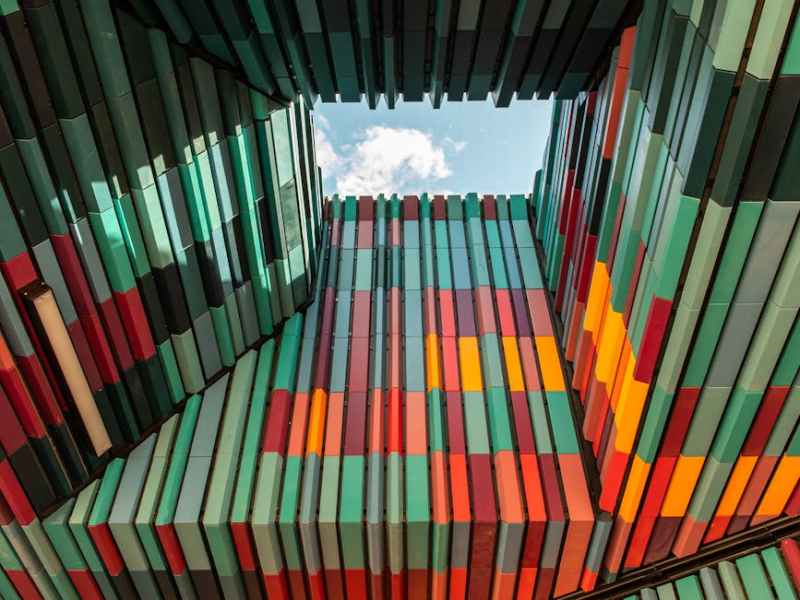
July: Spotlyts Celebrates Visual Art, Design, Architecture & Real Estate
If walls could talk, what stories would they tell about art, design, and architecture? This July, Spotlyts explores how creativity shapes the spaces we live in—past, present, and future.
Keep reading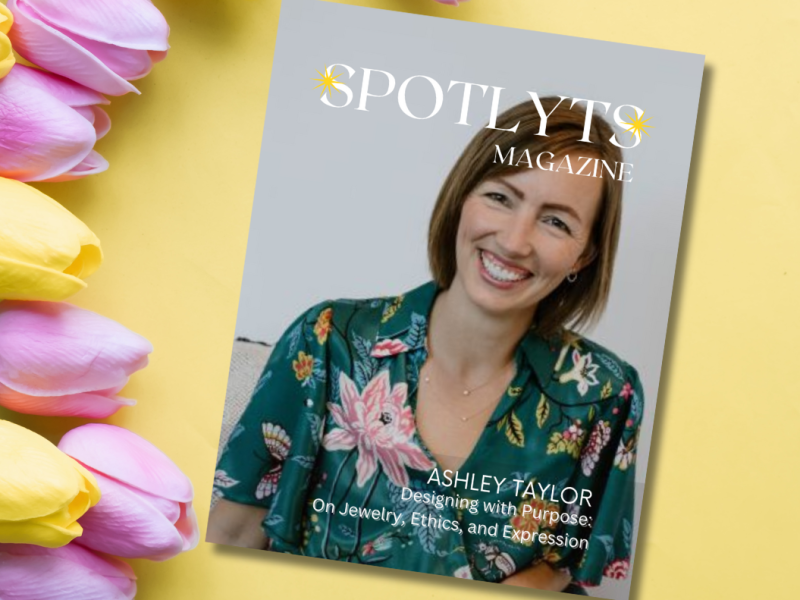
In the Spotlight: Ashley Taylor on Building a Purpose-Driven Jewelry Brand
Can a surprise sketch change the course of a career? Explore how one unexpected moment led Ashley Taylor into jewelry design—and what it reveals about purpose, creativity, and conscious choices.
Keep reading
In the Spotlight: Ingrid Spangler
In this exclusive interview, know how award-winning artist Ingrid Spangler transforms discarded books into stunning, celebrated collages.
Keep reading
In the Spotlight: Ashley Akin
With Ashley Akin’s enthusiasm for building Willow & Ivy Press from its inception clearly evident, we look into her insights on how the brand is shaping its unique identity in the greeting card market.
Keep reading
Spotlyts Snippets: Biophilic Design and Well-Being
In this fifth installment of Spotlyts Snippets, we get into the world of biophilic design and its impact on well-being. As our built environments evolve, the integration of natural elements into architectural and interior design is gaining momentum and reshaping how we interact with our spaces and enhancing our overall quality of life.
Keep reading
Spotlyts Snippets: On Iconic Building Restorations
In this second installment of Spotlyts Snippets, we highlight the art and science behind restoring iconic buildings, showcasing how these projects blend historical preservation with modern innovation.
Keep reading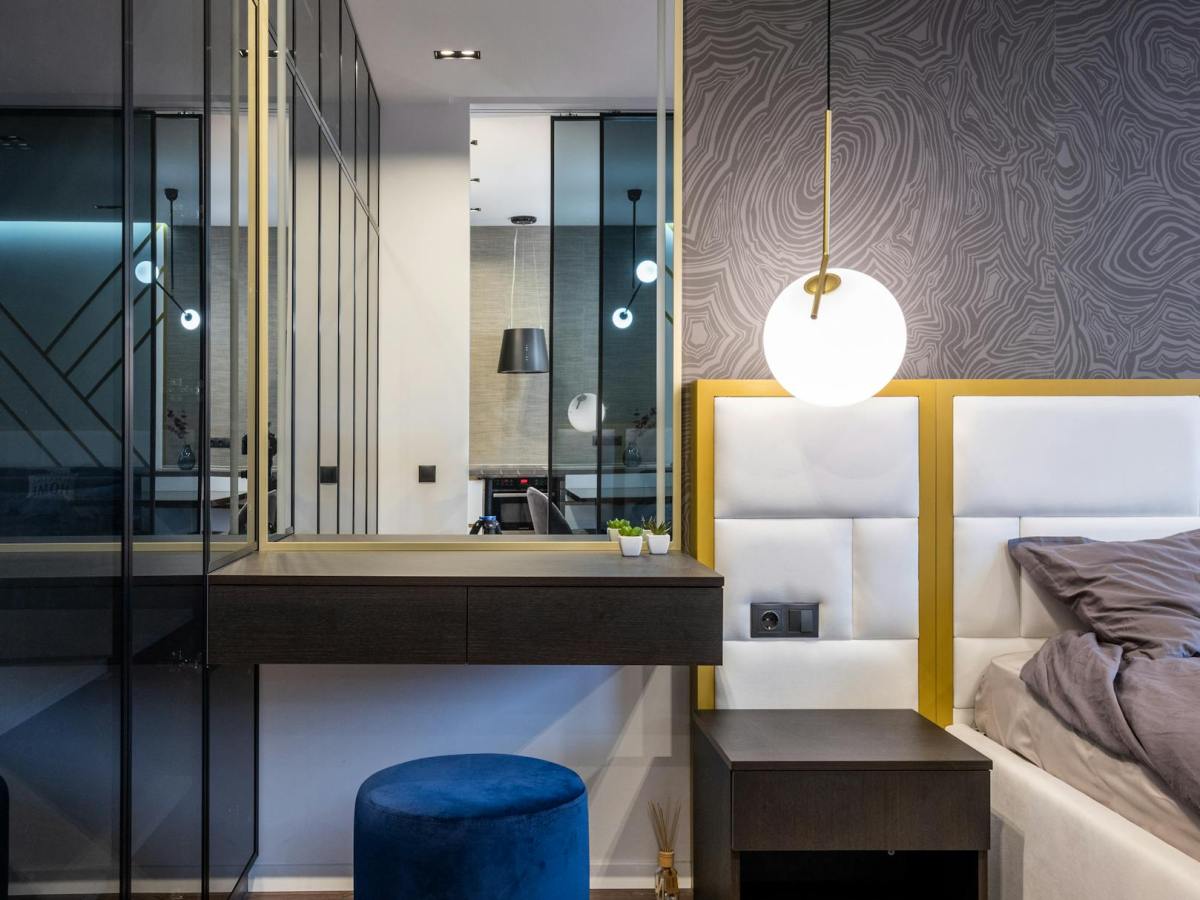
Interior Design Tips for Small Spaces: Maximizing Functionality and Style
Here are some easy-to-apply tips that can help you make any small space both functional and stylish.
Keep reading
Affordable Housing Innovations: Balancing Design and Community
Does affordable housing still exist? In this article, experts and leaders share their insights on how innovative strategies are successfully blending design excellence with strong community engagement to create more vibrant and sustainable affordable housing solutions.
Keep reading
Sustainable Architecture: Designing for a Greener Future
With people growing more and more environmentally conscious, sustainability in all things is gaining popularity. The field of architecture is no exception. We are slowly witnessing a convergence of design and environmental consciousness.
Keep reading
Architectural Marvels Around the World: Iconic Buildings and Landmarks
Let us take a brief sojourn from our daily lives and take a moment to admire some of the most fascinating architectural marvels around the world.
Keep reading
In the Spotlight: Nicolene Mausenbaum
Owner of Dezyna Interiors (Pty) Ltd Nicolene Mausenbaum merges aesthetic appeal with holistic principles to create spaces that nurture the soul. With years of experience in both commercial and residential projects, Nicolene has honed her craft to specialize in holistic design—an approach that transcends traditional boundaries by prioritizing the wellness of the mind, body, and…
Keep reading
In the Spotlight: Michael “Aaron” Crute
Each transaction is a unique journey in the world of real estate. As President and Co-founder of The Welcome Home Atlanta Team Michael “Aaron” Crute aptly puts it, “Homeownership should be an empowering and inspiring journey, and I want to make it accessible and enjoyable for as many people as possible, regardless of their background.”…
Keep reading
In the Spotlight: Scott Gebicke
Innovation is not just a buzzword in sustainability—it’s a blueprint for change. Meet Scott Gebicke, a trailblazer in manufacturing innovation, whose journey from the corridors of corporate leadership to the frontlines of sustainability is rewriting the rules of housing construction and receiving accolades including Fast Company’s Most Innovative Companies Award for 2024.
Keep reading
In the Spotlight: Gareth Rockliffe
Honored with titles like “Honorary Color Master” and recipient of esteemed awards from institutions like the Photography Masters Cup and the International Color Awards, Gareth’s artistic prowess knows no bounds. Know more about Gareth’s story, the beginnings of his love for photography, his collaboration with his wife, his successes, and his other endeavors in this…
Keep reading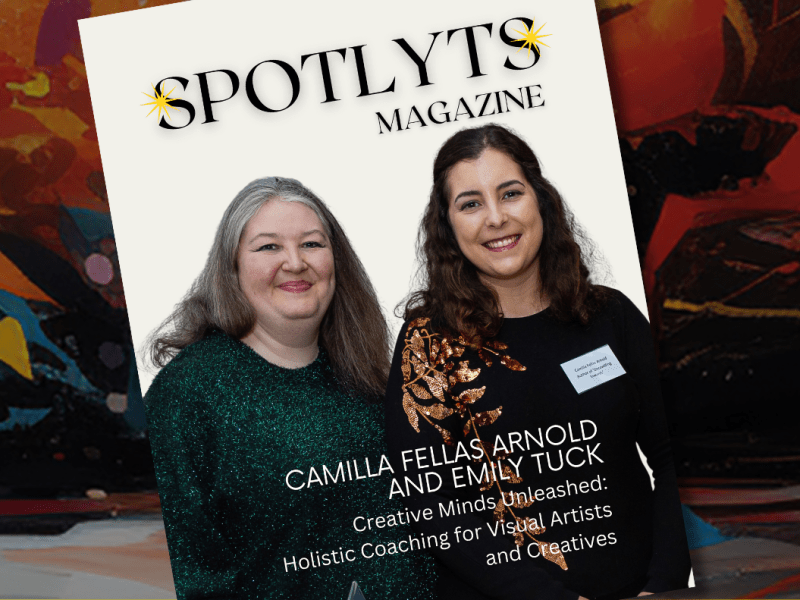
In the Spotlight: Camilla Fellas Arnold and Emily Tuck
Creativity may often find itself confined within rigid structures and non-creative environments where a visual artist or a creative individual can find to be a daunting one. However, amidst this challenge lies hope and empowerment, as expressed by Camilla Fellas Arnold and Emily Tuck, the visionary co-founders of Visionary Coaching Centre.
Keep reading
July 2024 is the Spotlyts Month for Art, Design, Architecture, and Real Estate
Welcome to July 2024, a month dedicated to celebrating the vibrant worlds of art, design, architecture, and real estate on Spotlyts! As we immerse ourselves in the creative realms of human expression, we dig deep into exploration, inspiration, and innovation.
Keep reading
In the Spotlight: Jaena Jimenez
Success is often born from resilience, determination, and an unwavering commitment to continuous growth. Jaena Jimenez, the CEO and Founder of Bellissimo Business Management Consultancy Services and Real Estate Services, embodies these qualities as she tackles the dynamic world of business.
Keep reading
In the Spotlight: Melissa Evers
There are those among us in our world who not only overcome their own obstacles but also support others in their own unique challenges. After enduring her own personal upheaval, Melissa (Anne) Evers, or “Mel” as she is often called, has come out of it, both as a survivor and a fervent supporter of those…
Keep readingDISCLAIMER: Spotlyts Magazine does not provide any form of professional advice. All content is for informational purposes only, and the views expressed are those of individual contributors and may not reflect the official position of Spotlyts Magazine. While we strive for accuracy and follow editorial standards, we make no guarantees regarding the completeness or reliability of the content. Readers are encouraged to conduct their own research and seek professional assistance tailored to their specific needs. Any links included are for reference only, and Spotlyts Magazine is not responsible for the content or availability of external sites. For more details, please visit our full Disclaimer, Privacy Policy, and Terms of Service.
Highlight of the Day
“With great power comes great responsibility.”
— Uncle Ben, Spider-Man
More Stories for You

Quietly Transformative Innovators to Spotlight—What Makes Their Approaches Different
What everyday process do you rely on without ever wondering who quietly improved it? Read the full roundup to discover the behind-the-scenes innovations shaping modern work and technology.
Keep reading
In the Spotlight: Janne Kouri on Resilience, Purpose, and Building Impact Through Leadership
Can one unexpected moment quietly redirect an entire lifetime? Discover how one life-changing experience reshaped purpose, leadership, and service by reading this interview with Janne Kouri.
Keep reading
In the Spotlight: Gretchen Terry-Leonard on Leadership, Human Performance, and Reinventing Life’s Next Chapter
Can one question quietly shape an entire lifetime? Discover how a lifelong search for better questions transformed one author’s work by reading this insightful interview with Gretchen Terry-Leonard.
Keep reading
How Travel and Exploration Deepen Appreciation for Cultural Diversity
Have you ever wondered why getting lost in an unfamiliar place can sometimes teach more than a perfectly planned itinerary? Discover what experts say by reading the full roundup.
Keep readingSomething went wrong. Please refresh the page and/or try again.

 Spotlyts
Leave a comment