

Artificial Intelligence (AI) is transforming industries across the globe, driving innovation and efficiency. However, as AI systems become more prevalent, they bring with them a host of ethical issues that must be carefully considered. Integrating AI into various sectors raises important questions about privacy, fairness, accountability, and the broader impact on society. Addressing these ethical concerns is crucial to ensuring that AI technologies are developed and used in ways that benefit everyone while minimizing harm. Here’s an exploration of the key ethical issues associated with AI integration.
Addressing AI Bias and Ethical Oversight
“The integration of AI into industries brings about significant ethical considerations, mainly revolving around bias, transparency, and accountability. Bias in AI is a critical issue; it often reflects and amplifies existing societal prejudices present in the training data. This can lead to unfair outcomes, particularly for marginalized communities.
Solutions are emerging as policymakers push for regulations that require diverse, representative datasets and ongoing audits to ensure fairness. Companies are also making strides, implementing ethical guidelines and establishing AI ethics boards to oversee the impact of their algorithms.
Transparency and accountability are equally important. With AI systems making decisions that affect lives, understanding how these decisions are reached is crucial. This calls for the development of explainable AI systems that can provide clear reasoning for their outputs. Policymakers are working on enforcing clear standards for algorithmic transparency, which can help build public trust.
Organizations are beginning to adopt open governance models, where AI systems are more transparent and their decision-making processes are scrutinized. This dual effort from policymakers and organizations aims to balance innovation with ethical responsibility, ensuring AI advancements benefit society as a whole.”
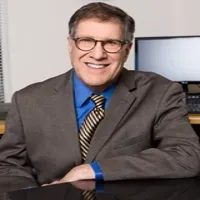
Andy Gillin, Attorney & Managing Partner, GJEL Accident Attorneys
Balancing AI Transparency with Innovation
“Integrating AI into industries comes with significant ethical concerns, especially around bias, transparency, and accountability. AI systems can inadvertently perpetuate biases present in training data. For example, if an AI system used in recruitment has been trained on data that reflects past hiring practices favoring certain groups, it may continue these biases, impacting fairness in opportunities.
Organizations and policymakers are addressing this by implementing rigorous auditing and more inclusive data sets. They also emphasize the importance of diverse development teams to catch and correct biases from various perspectives.
Another major concern is transparency. AI decisions can often feel like a ‘black box,’ making it tough for users to understand how conclusions are reached. This affects trust and can lead to misinformed decisions. To tackle this, there are growing calls for explainable AI, which aims to make AI decision-making processes clearer.
Policymakers are moving towards regulations that require transparency reports and the development of AI systems that offer insights into their functioning, ensuring users know why and how decisions are made. These steps foster accountability, ensuring that technology serves society fairly and responsibly.”

Mary Tung, Founder & CEO, Lido.app
Guidelines for Fair and Responsible AI Use
“Some ethical concerns exist when using AI in different industries. For example, AI can sometimes be biased if trained on unfair data, leading to unfair outcomes. There’s also the issue of transparency, meaning it’s important for people to understand how AI makes decisions.
Accountability is another concern; if an AI system makes a mistake, it’s important to know who is responsible. Policymakers and organizations are working to address these issues by creating guidelines and regulations to ensure AI is used fairly and responsibly.
They also promote practices like regular audits of AI systems and ensuring clear communication about how AI works and who is accountable.”

Shane McEvoy, MD, Flycast Media
Mitigating Bias and Enhancing AI Transparency
“The integration of AI into various industries brings significant ethical challenges, particularly around bias, transparency, and accountability. Bias in AI arises when the data used to train algorithms reflect existing prejudices or inequalities, leading to unfair outcomes. For example, in healthcare, biased algorithms can result in disproportionate treatment recommendations depending on race or gender.
Policymakers are addressing these issues by promoting the development of guidelines and regulations that mandate the use of diverse datasets and regular auditing of AI systems. Organizations, on the other hand, are investing in bias-mitigation techniques and creating roles such as ethics officers to oversee AI deployments.
Transparency is another crucial consideration. AI systems often operate as ‘black boxes,’ making it difficult for users to understand how decisions are being made. This lack of transparency can erode trust and pose significant risks, especially in high-stakes fields like finance or law.
To counteract this, policymakers are pushing for clearer disclosure requirements, where companies must explain how their algorithms work and on what basis decisions are made. Companies are also stepping up, implementing explainable AI models that make it easier for stakeholders to interpret outputs, thereby fostering greater trust and accountability.”

Dr. Gregory Gasic, Co-Founder, VMeDx
Human Accountability in AI Advancements
“AI is not advanced enough to be without human accountability. We must fact-check AI until it’s proven to be accurate thousands of times without error. The ethics get blurry between human and machine.
If AI creates a biased result, is a human to be held accountable? Right now, yes, but as it advances, these lines will blur even further, and depend on the engineers that created the AI, and the person who prompted it, and how.”

Bill Mann, Privacy Expert, Cyber Insider
Related


Something went wrong. Please refresh the page and/or try again.
DISCLAIMER: Spotlyts Magazine does not provide any form of professional advice. All content is for informational purposes only, and the views expressed are those of individual contributors and may not reflect the official position of Spotlyts Magazine. While we strive for accuracy and follow editorial standards, we make no guarantees regarding the completeness or reliability of the content. Readers are encouraged to conduct their own research and seek professional assistance tailored to their specific needs. Any links included are for reference only, and Spotlyts Magazine is not responsible for the content or availability of external sites. For more details, please visit our full Disclaimer, Privacy Policy, and Terms of Service.
Highlight of the Day
“With great power comes great responsibility.”
— Uncle Ben, Spider-Man
More Stories for You

Seasonal Rituals Inspire Global Communities
Ever wondered why we instinctively gather or celebrate when seasons change? This roundup explores how different cultures ritualize nature’s cycles—and what we can learn from these timeless patterns.
Keep reading
The Deal by Nazia Kamali (Short Fiction)
What does a familiar bar reveal when no one is watching? This piece invites readers inside shifts, hidden rituals, and a looming surprise.
Keep reading
In the Spotlight: Leon Conrad on Language, Story Structure, and How Stories Shape Meaning
Why do some stories feel instinctively right while others fall flat—even when we can’t explain why? This interview explores how story structures shape meaning and invites readers to discover the answer.
Keep reading
In the Spotlight: Cortney Raymond on Writing Stories of Healing, Strength, and Possibility
Ever wondered what it’s like to write stories that give hope to people who’ve endured trauma? Discover how Cortney Raymond blends real-life experiences and imagination to create resilience, strength, and possibility.
Keep readingSomething went wrong. Please refresh the page and/or try again.

 Spotlyts
Leave a reply to Kymber Hawke Cancel reply