
“What motivated me to pursue excellence in Masters swimming was the realization that it offered a unique balance between competition and camaraderie.”
– Eduard Mannanov
Eduard Mannanov, a distinguished swimming coach and athlete based in Las Palmas de Gran Canaria, has dedicated his career to mastering the art of high-performance sports. With a comprehensive academic background in Sports and Athletic Culture and extensive professional qualifications, Mannanov has not only excelled as a top-tier athlete but also as a pioneering coach and mentor. His accolades, including multiple gold medals at the LEN European Masters Aquatics Championships and the World Aquatics Masters Championships, underscore his commitment to both his personal and professional endeavors.
This exclusive interview looks into Mannanov’s journey and explores how his understanding of the balance between individual achievement and collective spirit has propelled him to the pinnacle of Masters swimming. Through his story, we gain insight into how embracing this dual focus has shaped his success and inspired others in the swimming community.
SM: Eduard, can you share the pivotal moments in your swimming career that led to your recent successes at the World Aquatics Masters Championships and the LEN European Masters Aquatics Championship?
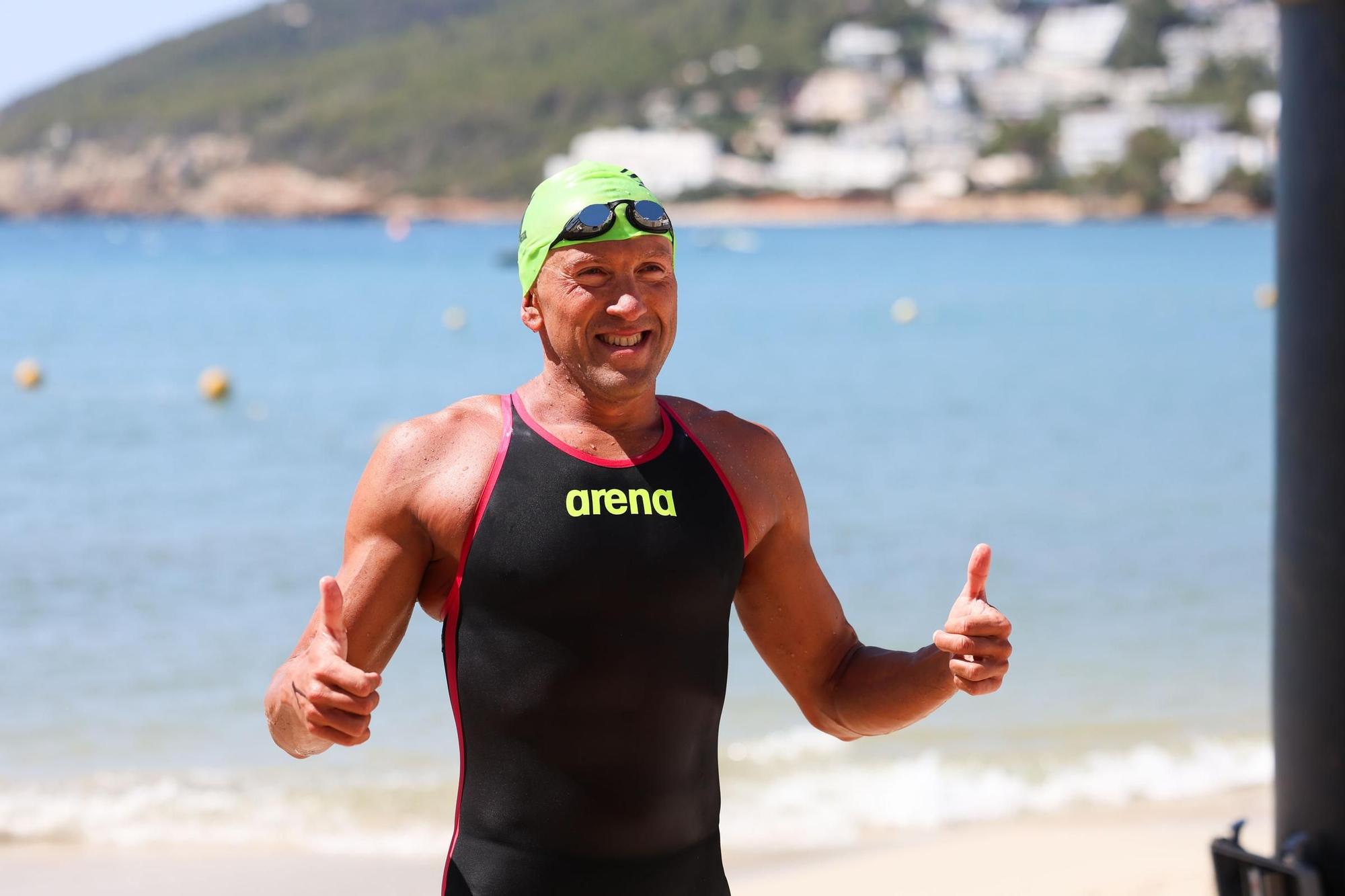
EM: The pivotal moments in my swimming career that led to my recent successes at the World Aquatics Masters Championships and LEN European Masters Aquatics Championship began when I returned to swimming after a 13-year hiatus. I was 34, and getting back into shape was both a physical and mental challenge. The first race after my return was the moment I realized I still had the potential to compete at a high level, which reignited my passion. I embraced open water swimming, which presented a fresh challenge, and this shift in my focus led to renewed motivation.
Another significant moment came during my preparation for long-distance events. I learned to push my limits, often training under fatigue and discomfort. For instance, there were times when I’d swim up to 18 km in a session. These grueling practices were vital in building mental resilience, which became a key factor in my later victories. My triumphs weren’t just about the physical aspects but about the mental strength I had developed during tough training sessions.
Moreover, my role as a coach at MareSwim also played a crucial part. Coaching others helped me refine my own techniques and pushed me to stay disciplined. Witnessing the progress of my swimmers constantly inspired me to push my boundaries.
SM: What motivated you to pursue excellence in Masters swimming, and how did you maintain your competitive edge throughout your career?
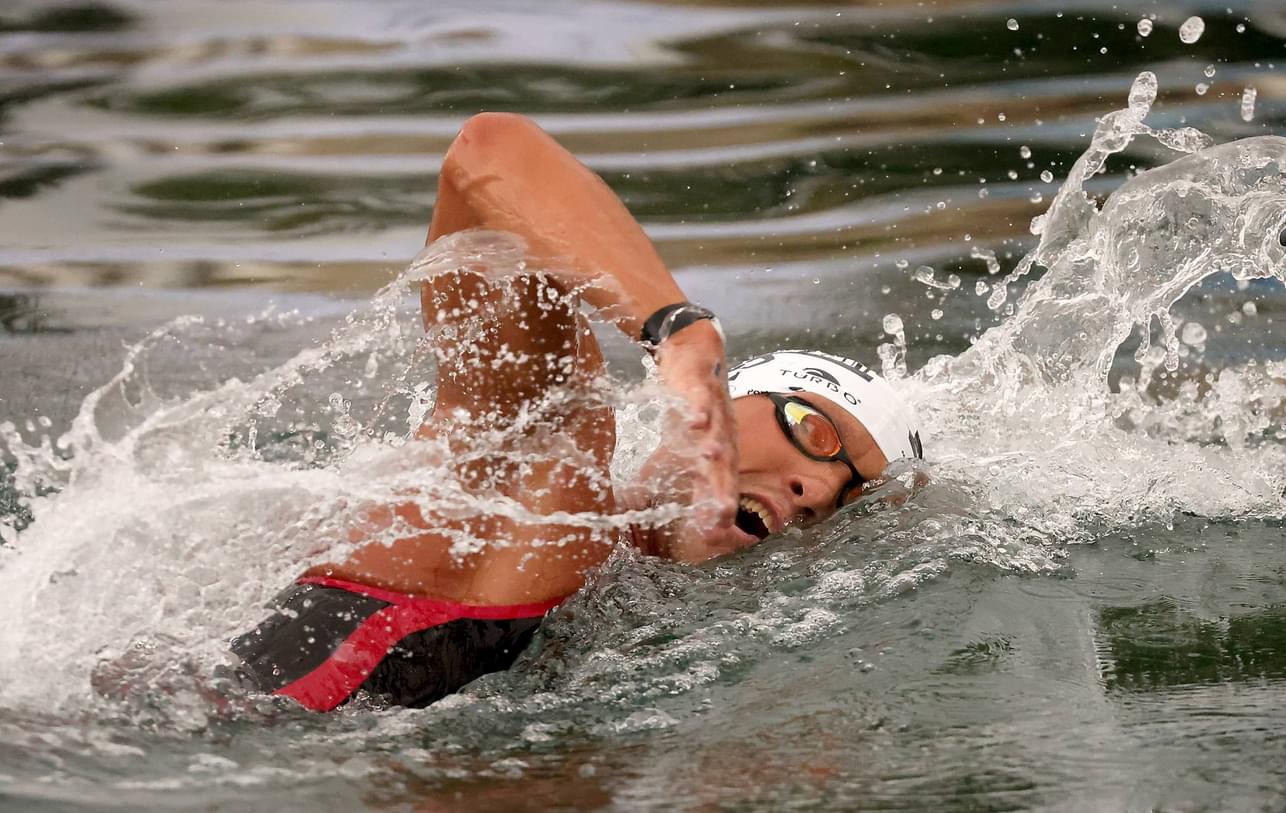
EM: What motivated me to pursue excellence in Masters swimming was the realization that it offered a unique balance between competition and camaraderie. After returning to the sport later in life, I was inspired by the idea that athletes can continue to improve and achieve personal bests at any age. Masters swimming isn’t just about winning; it’s about mastering the process. The chance to compete globally and challenge myself against peers with similar life experiences pushed me to continue aiming for excellence. I maintained my competitive edge by focusing on continuous improvement and learning from each race. Each setback or success in the pool motivated me to adjust my strategy, whether that meant refining my stroke technique or adjusting my training regimen to be more effective.
Staying mentally sharp has been just as important as physical conditioning. I actively seek new challenges, like open water events, which keep me motivated. These competitions test different aspects of my endurance and skill, keeping my competitive drive alive.
Additionally, my involvement in coaching other swimmers keeps me constantly engaged in new techniques and training philosophies, which I apply to my own training.
Lastly, the community aspect of Masters swimming played a big role in maintaining my motivation. Sharing the experience with like-minded athletes from all over the world and seeing their resilience inspired me to keep pushing my own limits. It’s this unique blend of personal drive and collective encouragement that has kept me on the path of excellence.

SM: As a multi-gold medalist, how do you approach training and preparation for long-distance and open water events? What are the key factors that contribute to your success in these events?
EM: My approach to training for long-distance and open water events is rooted in both endurance and adaptability. I focus on building a strong aerobic base through high-mileage swimming, sometimes up to 18 km per session, combined with targeted interval training to enhance speed and stamina. In open water, conditions can be unpredictable, so I prepare by simulating race environments—training in various weather conditions, water temperatures, and currents. Mental toughness is another key, as races often require pushing through discomfort and staying focused over long periods.
The key factors contributing to my success include:
- Consistency in training: Regular, disciplined workouts build the stamina needed for long-distance events.
- Adapting to changing environments: Training in different water conditions prepares me to handle unpredictability in open water races.
- Tactical race strategy: Understanding pacing and when to conserve or expend energy is crucial in longer events.
- Mental endurance: The ability to stay calm and focused, even when fatigued, is essential for maintaining performance over extended periods.

SM: Could you describe the challenges you faced in balancing intense training with personal and professional commitments, and how you overcame them?
EM: Balancing intense training with personal and professional commitments has been a continuous challenge, but I’ve learned that switching between activities actually helps me stay focused and avoid burnout. When I transition from coaching to my own training, it feels like a mental reset. This variety keeps me sharp and engaged in both roles. The key for me has been creating a structured daily routine where each part of my life has its own space, allowing me to give full attention to each without feeling overwhelmed or fatigued.
Additionally, I focus on prioritizing. On days when the demands of work or life are intense, I adjust my training sessions to maintain balance without compromising progress. This flexibility helps me maintain energy for long-term goals. Embracing this approach has allowed me to balance intense training with the demands of coaching, competing, and personal life without sacrificing my performance or mental well-being.
This combination of structure and variety has helped me stay resilient and continue progressing in both my personal and professional commitments.
SM: Your role as the founder of MareSwim involves coaching and mentoring other swimmers. How do you apply your personal experiences and achievements to your coaching philosophy?
EM: As the founder of MareSwim, my coaching philosophy is heavily influenced by understanding that swimming is not just a sport but a deeply personal journey for each athlete. I don’t simply teach techniques or routines; I focus on the individual behind the swimmer. Many of my swimmers come to me with unique challenges, whether it’s returning to the sport later in life, overcoming physical barriers, or chasing personal records. My role is to guide them through those personal obstacles, using my own experience as a foundation.
For example, having returned to swimming after a long hiatus, I know how to relate to those who feel they’ve lost time. I create an environment where the focus isn’t just on immediate results but on enjoying the process, building resilience, and celebrating incremental victories. I also encourage a balanced approach to training—challenging, but sustainable. My athletes learn that failure isn’t the end but part of their development, and I work with them to shift their mindset from results-oriented to process-oriented.
A key principle I apply is adaptability. Every swimmer has a different starting point, and I adjust training programs to meet their specific needs—whether they’re preparing for a triathlon, tackling open water swimming, or simply improving technique. My personal experiences with training in extreme fatigue and difficult conditions help me teach athletes to push through tough times and build mental toughness. This ensures that they’re not just physically prepared but mentally equipped to face high-pressure situations.
Through this approach, my goal is to make swimming a lifelong journey for my athletes, helping them find fulfillment and personal growth along the way.

SM: What are some common mistakes or misconceptions about Masters swimming that you often encounter with athletes, and how do you address them?
EM: One common misconception about Masters swimming is that it’s only for those who have been lifelong athletes or that it’s a slower, less competitive version of swimming. Many athletes underestimate the intensity and competitiveness that Masters swimming demands, thinking it’s just for maintaining fitness rather than achieving high-level performance.
I address this by emphasizing the need for a structured, goal-oriented approach, just like in any other competitive sport. Another mistake I see is the belief that age is a barrier. I show athletes through personal experience that consistent training, proper recovery, and mental resilience can lead to remarkable success, regardless of age.
Lastly, many athletes overlook the importance of recovery. Masters swimmers sometimes feel the need to overtrain to compensate for aging, but I teach them the value of balancing intensity with proper rest to avoid burnout or injury, ensuring long-term progression and performance.

SM: How do you adapt your training techniques to accommodate the evolving nature of Masters swimming and the needs of older athletes?
EM: To adapt my training techniques for Masters swimmers and older athletes, I prioritize flexibility and mobility exercises to maintain joint health and prevent injuries. Cross-training, such as cycling or strength training, is a vital component to ensure overall fitness while reducing the repetitive strain on swimming muscles. High-intensity interval training (HIIT) is another key method to build endurance without long, tiring sessions. I also use wearable technology to track performance and recovery, adjusting training when necessary. Proper nutrition is emphasized to support recovery and maintain energy levels, ensuring a balanced approach for long-term health and performance.
SM: Can you share any memorable experiences or standout moments from your coaching career at MareSwim that highlight the impact of your guidance on your swimmers?
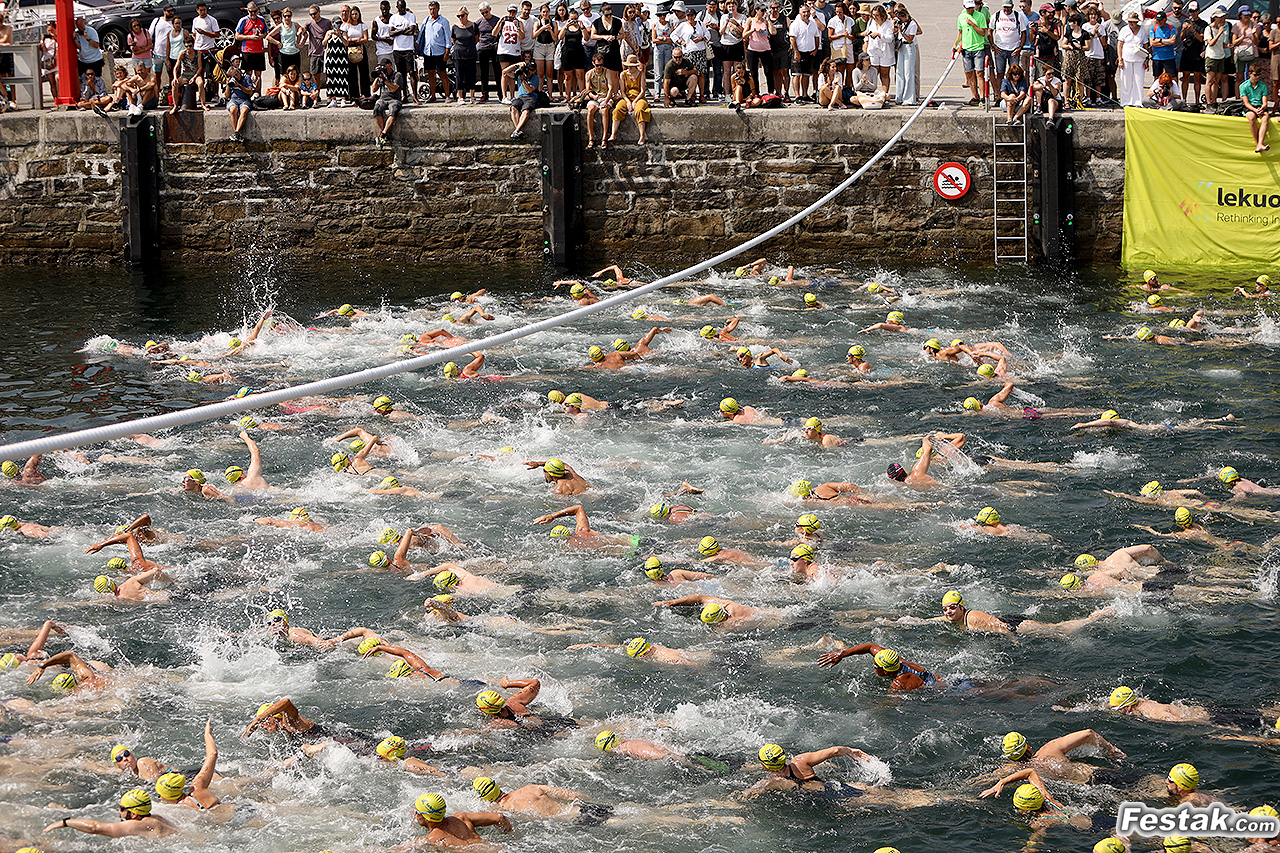
EM: One of the most memorable experiences from my coaching career at MareSwim involved a swimmer who initially struggled with open water swimming. They had a fear of deep water and were hesitant to push past their limits. Through personalized coaching and mental resilience training, we worked together to gradually build confidence. In less than a year, they went from barely finishing a race to completing an entire 5 km open water event.
Another standout moment was with a triathlete preparing for an Ironman. He consistently struggled to finish the race, with the swimming leg leaving him drained for the rest of the event. Together, we focused on improving his swimming efficiency and conserving energy during the swim. As a result, in his next Ironman, he not only completed the swimming leg with ease but also positioned himself well for the cycling and running portions, which allowed him to finally achieve his dream of completing the Ironman. Witnessing him reach this milestone after so much hard work was incredibly rewarding and highlights how strategic training can transform an athlete’s performance.

SM: What advice would you give to aspiring Masters swimmers who are looking to achieve similar levels of success in their competitive pursuits?
EM: My advice to aspiring Masters swimmers is to focus on consistency and patience. Success doesn’t come overnight, so build a strong foundation with regular, focused training. Pay attention to your technique—it’s the small adjustments that make a big difference over time. Also, don’t underestimate the importance of recovery; listen to your body to avoid burnout and injuries. Lastly, set incremental goals to keep yourself motivated and celebrate small wins along the way. Stay adaptable, and always seek improvement, both mentally and physically.

SM: Looking ahead, what are your goals for the future, both in terms of your personal swimming career and your work with MareSwim? Are there any new initiatives or projects you are excited about?
EM: Looking ahead, my goals include continuing to compete at the highest level in Masters swimming, with a focus on upcoming championships like the 2025 World Aquatics Masters in Singapore. Personally, I want to explore new challenges in open water events while refining my endurance and technique. For MareSwim, I’m excited to expand our programs, including launching specialized clinics for triathletes and open water swimmers. I also plan to incorporate more technology-driven training tools to enhance performance tracking, giving swimmers more personalized feedback for their growth.
“Success doesn’t come overnight, so build a strong foundation with regular, focused training. Pay attention to your technique—it’s the small adjustments that make a big difference over time.”
– Eduard Mannanov
Links
Share Your Insights
We’d love to hear from you! Share your thoughts and engage with our community by answering these questions in the comments below:
- What motivates you in your own pursuits, and how do you balance competition with personal growth?
- How do you think the blend of competition and camaraderie impacts performance and satisfaction in sports?
- What aspects of Eduard Mannanov’s journey inspire you the most, and how might they influence your own goals?
Join the conversation and let’s discuss how the principles of Masters swimming can apply to various aspects of life!
DISCLAIMER: Spotlyts Magazine does not provide any form of professional advice. All content is for informational purposes only, and the views expressed are those of individual contributors and may not reflect the official position of Spotlyts Magazine. While we strive for accuracy and follow editorial standards, we make no guarantees regarding the completeness or reliability of the content. Readers are encouraged to conduct their own research and seek professional assistance tailored to their specific needs. Any links included are for reference only, and Spotlyts Magazine is not responsible for the content or availability of external sites. For more details, please visit our full Disclaimer, Privacy Policy, and Terms of Service.
Highlight of the Day
“With great power comes great responsibility.”
— Uncle Ben, Spider-Man
More Stories for You

Seasonal Rituals Inspire Global Communities
Ever wondered why we instinctively gather or celebrate when seasons change? This roundup explores how different cultures ritualize nature’s cycles—and what we can learn from these timeless patterns.
Keep reading
The Deal by Nazia Kamali (Short Fiction)
What does a familiar bar reveal when no one is watching? This piece invites readers inside shifts, hidden rituals, and a looming surprise.
Keep reading
In the Spotlight: Leon Conrad on Language, Story Structure, and How Stories Shape Meaning
Why do some stories feel instinctively right while others fall flat—even when we can’t explain why? This interview explores how story structures shape meaning and invites readers to discover the answer.
Keep reading
In the Spotlight: Cortney Raymond on Writing Stories of Healing, Strength, and Possibility
Ever wondered what it’s like to write stories that give hope to people who’ve endured trauma? Discover how Cortney Raymond blends real-life experiences and imagination to create resilience, strength, and possibility.
Keep readingSomething went wrong. Please refresh the page and/or try again.
🔆🔆🔆🔆🔆
Spotlyts is pleased to launch a dynamic series of articles dedicated to Health, Fitness, Sports, and Hobbies. Each feature is crafted to offer insights and inspiration across these four key areas of a balanced lifestyle. Here’s a sneak peek at the engaging content you can look forward to:
Health: Understanding the Foundations
Explore the fundamental aspects of maintaining good health with our in-depth articles. Topics will include experts’ insights on preventive care strategies, nutrition essentials, and mental health practices. We’ll round up expert advice and real-life success stories to help you build a strong foundation for overall well-being.
Fitness: Trends and Innovations
Get into the latest fitness trends and innovations that are shaping the exercise landscape. From new workout routines and cutting-edge equipment to emerging fitness technologies, our articles will keep you informed about what’s new and effective in the world of fitness. Get inspired by profiles of fitness enthusiasts and experts who are pushing the boundaries of physical wellness.
Sports: Engaging in Activity
Rediscover the exciting world of sports through our comprehensive coverage. Whether you’re interested in team sports, individual challenges, or recreational activities, our features will showcase various sports and their benefits. We’ll also include profiles of local sports events and athletes to offer insights into how sports can enhance personal development and community involvement.
Hobbies: Fueling Creativity and Joy
Celebrate the joy of hobbies with articles that highlight a range of creative and recreational pursuits. From artistic endeavors to outdoor activities, we’ll explore how engaging in hobbies contributes to happiness and mental well-being. Expect to find inspiring stories, tips for starting new hobbies, and ways to incorporate your passions into a busy schedule.
Conclusion
Spotlyts articles focus on celebrating Health, Fitness, Sports, and Hobbies. Each piece is designed to offer valuable information and inspiration to help you to enhance your well-being and enjoy a well-rounded lifestyle. Stay tuned for a series of engaging content that will empower you to embrace and celebrate all aspects of a balanced life.
Related




Something went wrong. Please refresh the page and/or try again.

 Spotlyts
Leave a reply to Andrea Fernández Cancel reply