

“Proactive care planning is a three-step process: education, planning, and execution. It’s essentially creating a roadmap that aligns with one’s values, preferences, and finances.”
– Dr. Pooja A. Patel
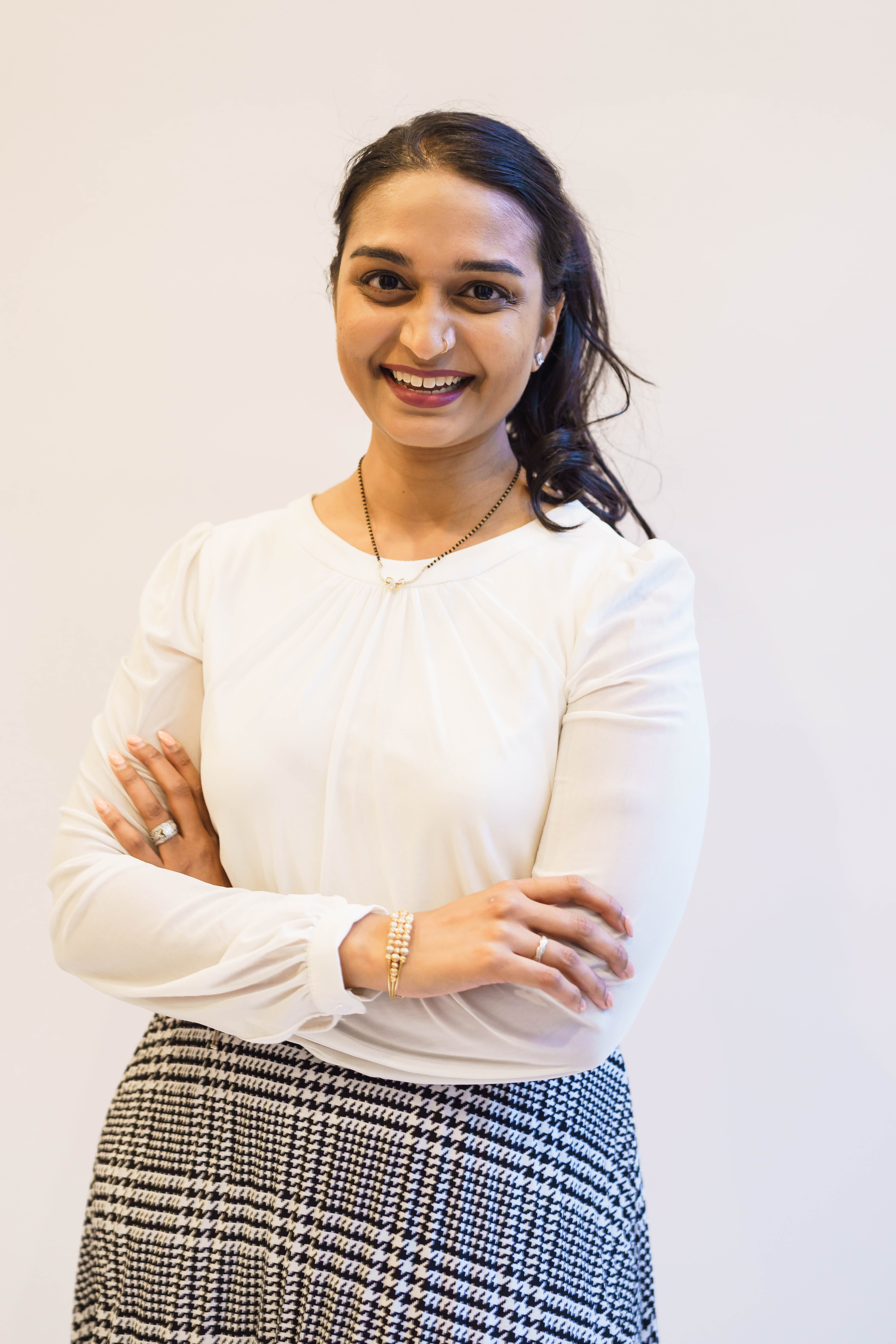
Proactive care planning involves a structured approach to managing aging and its associated challenges. Dr. Pooja A. Patel explains, “Proactive care planning is a three-step process: education, planning, and execution. It’s essentially creating a roadmap that aligns with one’s values, preferences, and finances.” With seven years of experience in occupational therapy, Dr. Patel has worked with older adults across various settings and holds specialty certifications in dementia, fall prevention, and geriatric care.
Dr. Patel’s career includes working in inpatient care, academia as an Adjunct Assistant Professor, and leadership through volunteer board positions. She also operates a consulting firm and hosts the podcast Aging Together, which focuses on age-related health and wellness topics.
In this interview, Dr. Patel discusses the steps involved in proactive care planning and its impact on managing physical and mental health in later life. She provides insights into how a comprehensive approach can address medical, emotional, social, and financial aspects of elder care.
SM: Can you explain what proactive care planning entails and why it’s crucial for older adults and their families?
DPAP: Proactive care planning is a three-step process: education, planning, and execution. Initial education involves learning about the health and long-term care systems, different types of insurance coverage for various services, financial and legal paperwork, and caregiver support. Planning entails putting pen to paper to create a written care plan for things like retirement, emergencies and hospitalizations, long-term care, and end-of-life (which includes post-death information). This part requires anticipating future health and care needs based on what you know today before they become urgent. Retirement planning specifically requires understanding current and future interests, wants, and needs. It’s essentially creating a roadmap that aligns with one’s values, preferences, and finances. Finally, execution is implementing those plans when needed.
This approach is crucial because it empowers individuals and their families to make informed decisions, reduces the stress of making decisions during a crisis, and often results in better outcomes. It’s about being prepared so that when challenges arise, everyone involved knows what to do and what the older adult’s wishes are. For example, let’s say dad ends up in the hospital and is recommended for 24-hour care upon discharge – if you had previously written down a plan of action for when that time came, the process from hospital to home becomes a lot smoother and less stressful, especially because you know what he wants.
SM: How does your background in occupational therapy and your work with Aging Together influence your approach to preventing mental health decline in the elderly?
DPAP: My background in occupational therapy has provided me with a deep understanding of how physical, cognitive, and emotional health are interconnected, especially in older adults. Over the years as a patient-facing provider, I’ve experienced many different family dynamics and how they can impact the long-term mental health of an older adult. At Aging Together, I take a holistic approach that includes physical safety, functional independence, mental and emotional well-being, and family dynamics. If the older adult has peace of mind about their future, they’re less likely to be fearful or concerned about it. For example, throughout the process, I encourage family involvement to ensure open communication and prevent potential conflicts.
Additionally, I recommend strategies to keep the older adult engaged in meaningful activities, which is key to preventing mental health decline. It’s about ensuring they have a purpose, stay connected socially, and continue to engage in activities that bring them joy and fulfillment. This prevents social isolation and loneliness, which is known to lead to depression, as well as anxiety, which can arise from an excessive fear of the future due to uncertainty.

SM: What are some common challenges families face when planning for the care of older loved ones, and how can they effectively address these challenges?
DPAP: A big challenge families face when trying to plan care is their lack of knowledge and awareness. They don’t know what they don’t know. For many, it might appear as if they have a general idea of what needs to be planned, but they don’t know the specifics. Working with an elder care consultant or care manager can easily help address this challenge effectively.
Another common challenge is dealing with the emotional aspects of role reversal, where adult children become caregivers for their parents. This can be emotionally taxing and lead to conflicts about care decisions. This is especially prevalent in families with traumatic parent-child relationships. Enlisting the help of a professional with experience in conflict resolution can be a good option to address this challenge.
One more common challenge is navigating the complex healthcare system and understanding the various options available. To address these challenges, it’s essential to have open, honest conversations early on and involve all stakeholders in the planning process. Families should seek out resources and professional guidance to help them navigate these waters and ensure that their loved ones receive the care they need.
SM: Could you share any success stories or examples where proactive care planning significantly improved an individual’s quality of life?
DPAP: Absolutely. One of my clients was planning for herself. After working for 60+ years, she was finally retiring at 85. She verbalized feeling anxious about how she would spend her time following retirement, and she was concerned about the loss of purpose and socialization. I worked with her to create a thorough retirement plan with a template I created based on my years of education and experience as an occupational therapist. Through a series of tests and assessments, my client wrote out a plan she could execute following retirement. This plan included a daily routine, meaningful activities and hobbies in which she could participate, opportunities for socialization, and even options for continued work and volunteering. At a 2-month follow-up post-retirement, my client shared that the transition had been seamless and she was implementing pieces of the plan we had put together, leading to decreased anxiety and improved overall quality of life.
She had also shared her goal to die in her own home, if possible. Now, she was fairly healthy and mobile, so it seemed like an okay plan at that time. However, given her medical issues, it was anticipated that she would likely need some form of care in the future. She lived alone, had outlived her closest friends, and both of her daughters lived out of state. With some education paired with some hypothetical situations, the client realized that it may not be realistic or safe to do so without planning additional support first. Realistic expectations and goals for this situation would be ensuring the client has a plan in place for hiring external assistance, enrolling in any senior services available through the community, and having all of her legal and financial documents completed in case of emergencies.
SM: What role does education play in preparing families for elder care, and how do you incorporate this into your practice?
DPAP: Education is a key player in effectively preparing families for elder care. Learning is the first step. Identify all the situations that could potentially arise as you navigate transitions into retirement, hospitalizations, rehab, long-term care, and/or end-of-life. Simply knowing about different phases, resources, and options will greatly decrease the stress related to fear and uncertainty.
One of my clients is a daughter in her late 30s trying to manage an aging mother with Alzheimer’s dementia and an aging father with Autism. Following a couple of accidents, the daughter became concerned about how she could intervene to ensure the safety and well-being of both of her parents. My client also lives in a different state from her parents. She came to me with very limited knowledge of the care system as well as what potential options and resources she could utilize. Phase one of this process was education. I spent a little over an hour with this client providing education about different options, resources, and the care system at large as it related to her specific situation. Following that session, my client felt infinitely more prepared and confident with her ability to at least start creating a plan.
SM: How do your certifications as a Dementia Practitioner and Fall Prevention Specialist shape your strategies for managing care for older adults?
DPAP: My certifications allow me to address two specific areas of the big picture in more depth. Being a Certified Dementia Practitioner allows me to provide tailored education, guidance, and resources for families navigating dementia, specifically. Being a Certified Fall Prevention Specialist allows me to integrate preventative and interventional safety education into all aspects of care planning, as well as provide add-on services such as home safety assessments that could further guide family-specific strategies for care planning. The goal of both of these certifications is to optimize safety and independence for the older adult and their families.
SM: In your experience, what are some effective strategies for dealing with mental health issues in older adults before they become more severe?
DPAP: The first strategy is knowledge, which I talked about earlier.
Set Realistic Expectations & Goals – creating unrealistic expectations or setting unattainable goals is a recipe for disaster. It leads to increased stress, anxiety, and a feeling of failure. Work with a professional to ensure you understand what realistic expectations and goals can look like so you can plan for them accordingly.
- One of my clients came to me to help plan out long-term care for his aging father with Parkinson’s disease. The plan? His mother would be the primary caregiver. This is incredibly common, and you likely didn’t even blink that. Want to know the reality of this situation? The mother is 80, while the father is 85. The mother has her own physical and health issues she has to manage. & while she may be able to assist with things like giving him his medications or calling a doctor, she most likely cannot assist him with getting in and out of the shower, taking a bath, or getting up after a fall. If this is the plan, then there needs to be a Plan B, too.
- Another client of mine was planning ahead for herself. She verbalized a goal to die in her own home, if possible. Now, she was fairly healthy and mobile, so it seemed like an okay plan at that time. However, given her medical issues, it was anticipated that she would likely need some form of care in the future. She lived alone, had outlived her closest friends, and both of her daughters lived out of state. With some education paired with some hypothetical situations, the client realized that it may not be realistic or safe to do so without planning additional support first. Realistic expectations and goals for this situation would be ensuring the client has a plan in place for hiring external assistance, enrolling in any senior services available through the community, and having all of her legal and financial documents completed in case of emergencies.
Maintain Open Communication – it decreases the amount of stress related to guilt and/or fear of uncertainty. No one wants to talk about death, even though every, single person will eventually die. Whether it’s cultural or personal, talking about death tends to be a taboo topic. In reality, it is an imperative topic to address with your family to ensure you die with dignity and fulfillment, vs how your family or the government decides for you.
I share this story often because it truly sits at the back of my mind every day. I once had a patient in the hospital who was nearing the end of her life. However, this patient hadn’t identified a healthcare power of attorney, and she was no longer able to make informed decisions. She was determined to have lost decision-making capacity by her doctors due to the extensive state of cognitive injury and a prolonged comatose state. This patient had five children, all of whom visited and discussed care options daily. However, poor communication about care desires when their mom was able to voice her opinion led to the children feeling guilty over whichever decisions they made, whether it was about putting in a feeding tube or taking her off of life support. The levels of stress and anxiety these children felt every day were agonizing, and a little bit of open communication early on would have saved them from the burden.
Create a Support Network – Identify a support team. Identify friends and family who you can communicate any thoughts or feelings you may have. If it’s not friends or family, tap into local and organizational support groups. Talk with professionals who can guide you toward relevant support systems and meaningful activity engagement.
When I was working full-time in the hospital, I had a family caregiver in tears following another hospitalization for her elderly mother with Lewy Body Dementia. She shared that she was the only caregiver and provided 24/7 care, jeopardizing her own health due to poor sleep, nutrition, and chronic stress. I found and provided her with a list of local and national support networks and encouraged her to find a way to de-stress at least once a week with the help of local and/or federal services available to them. I never saw her again, but I hope she found her support team.
Maintain meaning and purpose – Plan activities for socialization. Continue participating in your hobbies, or maybe pick up new ones. Social isolation and loneliness are the two leading causes of depression among older adults today, which can have further implications for decreased health overall.
I shared an example above about a client preparing for retirement. One of her biggest concerns was the loss of purpose and engagement. Through a series of tests and checklists, my client wrote out a plan she could execute following retirement. This plan included a daily routine, meaningful activities and hobbies in which she could participate, opportunities for socialization, and even options for continued work and volunteering. At a 2-month follow-up post-retirement, my client shared that the transition had been seamless, and she was implementing pieces of the plan we had put together, leading to decreased anxiety and improved overall quality of life.
SM: Can you discuss the importance of interdisciplinary collaboration in elder care and how it benefits the overall care plan?
DPAP: I can probably write a novel on this, but here are a few thoughts for now. Interdisciplinary collaboration is not just a recommendation – it’s an imperative part of effective elder care planning. In my experience, when multiple disciplines collaborate on a care plan, the client receives a comprehensive and holistic care plan addressing multiple areas of their daily life. This collaboration ensures that the care is well-rounded and that no aspect of the older adult’s well-being is overlooked.
Part of this is also making sure that the team works well together. In most cases, the starting point is a primary care doctor. They may involve a nurse, and they may refer out to therapists. In an ideal world, an interdisciplinary team would include all of the older adult’s doctors (primary and specialty), all therapists as needed (OT, PT, SLP), a mental health therapist/counselor, and a social worker or care manager. Add-on team members could include, but not limited to, nurses, dietitians, additional topic-specific therapists, and family members.
Interdisciplinary collaboration ensures that the overall care plan is not just medical, but that it also addresses the older adult’s physical, mental, emotional, and social health and well-being.
SM: What advice would you give to the “sandwich generation” who are balancing the needs of both aging parents and their own families?
DPAP: Seek help and plan early – if you know you’re going to be in this situation at some point, start talking about it immediately. Identify potential situations that may arise and create multiple action plans if those situations were to occur. Learn and understand your own boundaries for caring. Openly communicate with all family members who may be involved in the care of both the aging parents and the children. Enlist the help of other family members and professionals who could help you.
Create a Support Network – You can’t and shouldn’t do it alone. Identify a support team. Identify local and organizational resources and support groups. Talk with professionals who can guide you toward relevant support systems. Ensure you’re taking care of yourself, too. You can’t pour from an empty cup – having the right support goes a long way to helping you balance out your needs.

SM: Looking ahead, what developments or trends do you foresee in the field of geriatric care, and how are you preparing to adapt to these changes?
DPAP: I see a growing emphasis on technology in geriatric care, such as telehealth services and remote monitoring systems, which allow for better management of health conditions and greater access to care. There’s also an increasing focus on family-centered care, where care plans are tailored to not only the individual’s preferences and life history, but also on the family dynamic, incorporating family goals, routines, and traditions. Recently, I’ve seen an increase in virtual caregiver-oriented platforms as well (e.g., Desi Daughters; Kinary by Healthipeople; Caring Place Hub by Carewise Solutions). To adapt to these changes, I’m continuously educating myself on the latest advancements and integrating new tools and approaches into my practice. It’s about staying ahead of the curve so that I can offer the best possible care to those I serve.
“Interdisciplinary collaboration ensures that the overall care plan is not just medical, but that it also addresses the older adult’s physical, mental, emotional, and social health and well-being.”
– Dr. Pooja A. Patel
Links
- Website: aging-together.com
- Socials: Facebook | Instagram | LinkedIn
- Podcast: Spotify | Apple | Amazon | YouTube | all major and most minor podcast listening platforms
Share Your Insights
We’d love to hear your thoughts on proactive care planning!
- What steps have you taken to plan for aging or care for an older loved one?
- How do you think education and planning can impact the well-being of older adults?
- What challenges have you faced in creating or following a care plan?
Share your experiences and insights in the comments below!
DISCLAIMER: Spotlyts Magazine does not provide any form of professional advice. All content is for informational purposes only, and the views expressed are those of individual contributors and may not reflect the official position of Spotlyts Magazine. While we strive for accuracy and follow editorial standards, we make no guarantees regarding the completeness or reliability of the content. Readers are encouraged to conduct their own research and seek professional assistance tailored to their specific needs. Any links included are for reference only, and Spotlyts Magazine is not responsible for the content or availability of external sites. For more details, please visit our full Disclaimer, Privacy Policy, and Terms of Service.
Highlight of the Day
“With great power comes great responsibility.”
— Uncle Ben, Spider-Man
More Stories for You

Quietly Transformative Innovators to Spotlight—What Makes Their Approaches Different
What everyday process do you rely on without ever wondering who quietly improved it? Read the full roundup to discover the behind-the-scenes innovations shaping modern work and technology.
Keep reading
In the Spotlight: Janne Kouri on Resilience, Purpose, and Building Impact Through Leadership
Can one unexpected moment quietly redirect an entire lifetime? Discover how one life-changing experience reshaped purpose, leadership, and service by reading this interview with Janne Kouri.
Keep reading
In the Spotlight: Gretchen Terry-Leonard on Leadership, Human Performance, and Reinventing Life’s Next Chapter
Can one question quietly shape an entire lifetime? Discover how a lifelong search for better questions transformed one author’s work by reading this insightful interview with Gretchen Terry-Leonard.
Keep reading
How Travel and Exploration Deepen Appreciation for Cultural Diversity
Have you ever wondered why getting lost in an unfamiliar place can sometimes teach more than a perfectly planned itinerary? Discover what experts say by reading the full roundup.
Keep readingSomething went wrong. Please refresh the page and/or try again.
🔆🔆🔆🔆🔆
Spotlyts is pleased to launch a dynamic series of articles dedicated to Health, Fitness, Sports, and Hobbies. Each feature is crafted to offer insights and inspiration across these four key areas of a balanced lifestyle. Here’s a sneak peek at the engaging content you can look forward to:
Health: Understanding the Foundations
Explore the fundamental aspects of maintaining good health with our in-depth articles. Topics will include experts’ insights on preventive care strategies, nutrition essentials, and mental health practices. We’ll round up expert advice and real-life success stories to help you build a strong foundation for overall well-being.
Fitness: Trends and Innovations
Get into the latest fitness trends and innovations that are shaping the exercise landscape. From new workout routines and cutting-edge equipment to emerging fitness technologies, our articles will keep you informed about what’s new and effective in the world of fitness. Get inspired by profiles of fitness enthusiasts and experts who are pushing the boundaries of physical wellness.
Sports: Engaging in Activity
Rediscover the exciting world of sports through our comprehensive coverage. Whether you’re interested in team sports, individual challenges, or recreational activities, our features will showcase various sports and their benefits. We’ll also include profiles of local sports events and athletes to offer insights into how sports can enhance personal development and community involvement.
Hobbies: Fueling Creativity and Joy
Celebrate the joy of hobbies with articles that highlight a range of creative and recreational pursuits. From artistic endeavors to outdoor activities, we’ll explore how engaging in hobbies contributes to happiness and mental well-being. Expect to find inspiring stories, tips for starting new hobbies, and ways to incorporate your passions into a busy schedule.
Conclusion
Spotlyts articles focus on celebrating Health, Fitness, Sports, and Hobbies. Each piece is designed to offer valuable information and inspiration to help you to enhance your well-being and enjoy a well-rounded lifestyle. Stay tuned for a series of engaging content that will empower you to embrace and celebrate all aspects of a balanced life.
Related





Something went wrong. Please refresh the page and/or try again.


Leave a comment