

“Eat Right begins by doing no harm to your tummy. If your gut is always inflamed and irritated, you’ll never get healthy and strong.”
– Dr. Len Lopez
Dr. Len Lopez, a seasoned clinical nutritionist, strength and conditioning coach, and chiropractic sports physician with nearly 30 years of expertise, underscores that achieving optimal health involves more than just dietary choices—it’s about how we care for our bodies as well. He asserts that maintaining a healthy gut is fundamental, as an inflamed or irritated digestive system can impede overall health and strength.
In this interview, Dr. Lopez shares his comprehensive approach to health and fitness, focusing on the pillars of eating right, training smart, and nurturing a positive mindset. He provides practical insights into managing stress, optimizing workouts, and making dietary choices that support long-term well-being. Let us explore his methods for enhancing fitness, nutrition, and mental health, demonstrating how small, strategic changes can lead to significant and lasting improvements.
SM: Your philosophy on health emphasizes “Eating Right, Training Smart, and Thinking Better.” Can you elaborate on how these three elements work together to improve overall well-being?

DLL: Eat Right begins by doing no harm to your tummy. If your gut is always inflamed and irritated, you’ll never get healthy and strong. Just because you ate it doesn’t mean you absorbed it. Train Smart—Is today’s workout designed to 1) Burn Fat! 2) Build Lean Muscle! or 3) Test my Ego. You can’t get all three benefits from one workout.

Think Better—the world isn’t filled with born leaders and positive thinkers; these are learned skills. The question is, are you going to develop these skills to help you or not?
SM: You mentioned that just because we eat something doesn’t mean we absorb it. Can you explain how absorption impacts our health and what steps people can take to ensure they’re getting the most from their diet?
DLL: The only thing you should feel after eating is less hungry! If you’re bloated, gassy, inflamed, have diarrhea, sleepy…and the list goes on, it signals that you’re dealing with an upper or lower GI problem, or both. What that is telling you is you’re not extracting and absorbing the nutrients in your diet that are supposed to strengthen and nourish you. Not only that, but there’s also a good chance you’re adding more ‘bad’ bacteria to your gut! So, before you pay for all that extra protein or supplements, make sure your gut is working properly.
SM: Your approach to training emphasizes the importance of intensity and the risks of burning the wrong fuel. How can individuals tailor their workouts to avoid burning lean muscle and instead focus on fat loss and muscle preservation?

DLL: Information is knowledge! Burning calories is similar to a fireplace. You burn calories to produce energy (heat) by breaking down fats, proteins, and carbohydrates. Those are your only three fuel sources! And you produce more than twice as much energy (heat) when you burn fats as opposed to carbs and protein. FYI…the last thing you want to burn when you exercise is protein (lean muscle), but it happens all the time. What determines which fuel you are burning is your heart rate! When you walk, jog, dance, hike, bike, row, etc., between 50-70% of your maximum heart rate, you can burn fats, carbs, and proteins for energy because you are using your aerobic system.
But here’s the kicker— as you increase your pace, your heart rate increases and hits a tipping point where you go from aerobic to anaerobic respiration and can only burn carbohydrates and proteins (lean muscle) for energy—not fats! The simple indicator that tells you that you are anaerobic is you start breathing a little heavier. This is because you are in oxygen debt, and most importantly, you don’t burn fat without oxygen—that’s why it is called anaerobic, without oxygen!
The importance of knowing where your aerobic threshold, aka your fat-burning zone, is that it signals when you go from burning all three fuel sources to only being able to burn carbs and proteins for energy—not fats! The error so many people make who aren’t getting results from all their efforts is they are letting their ego get in the way. They’re training above their aerobic threshold, which is okay for burning calories—but you’re not burning the fat and flab. The only people who can train at 80% of their max heart rate and still burn fat are your elite distance runners and triathletes. So, if you’re not Grant Fisher, this year’s Olympic medal winner—slow your butt down!
Most books and charts recommend training at or below 70% of your max heart rate to burn fat. The problem with these charts is they only take into consideration your age. What about your weight? If you’re 15-25 or more pounds overweight, you’re probably a little de-conditioned, which means your aerobic threshold, your fat-burning zone, is 5-10 points lower. This is what training smart is all about, getting the most out of your time, energy, and effort.
SM: Stress and cortisol are often overlooked factors in fitness. How can people manage these elements to avoid negative impacts on their testosterone levels and overall fitness goals?
DLL: Exercise is when you tear the muscles down—it’s that catabolic breakdown. It’s when you rest that you activate your body’s natural anabolic rebuild and repair phase. The quicker you can get those elevated stress hormones to come down after a workout, the quicker you can start the rebuild and repair phase.
Unfortunately, most people assume that when they stop exercising, their stress hormones drop. That’s not always the case. If you finish your workout and you race to get showered, wolf down a meal, race to get to the office, home, or wherever, fight traffic, deadlines, hurry-up and go-go-go…YOUR cortisol could still be elevated, signaling your body is still in that catabolic phase. Maybe your workouts are great, your diet is awesome…but your lifestyle could be keeping your stress hormones elevated and working against you. This is why it’s not just reps and sets and protein!
SM: As someone who has maintained a consistent fitness routine into your 60s, what advice would you give to those looking to stay active and healthy as they age?

DLL: Intensity matters! After about age 35 or so, both men and women start producing less testosterone (TT) and growth hormones (GH). Research shows that on average you’ll lose about 5 pounds of lean muscle every decade. The only thing that keeps that from happening is TT and GH. Unfortunately, after about age 35 or 40, most people start doing more endurance training (walking, jogging, biking, hiking, dancing, swimming, etc.), which is great, but it’s also the reason so many people tell me they’re still basically the same size and weight as they were 20-30 years ago. But they’ve lost their muscle tone, even though they’ve been consistently pounding out these 30–60-minute workouts throughout the years.
- Walking is exercise; I do it; it’s a little stressful and will pop your TT and GH just a little.
- Jogging, biking, dancing, etc., is a little more intense and triggers a bigger TT and GH surge.
- Sprinting, HIIT workouts, and progressive resistance training (done properly) are much more intense and trigger the greatest TT and GH surge.
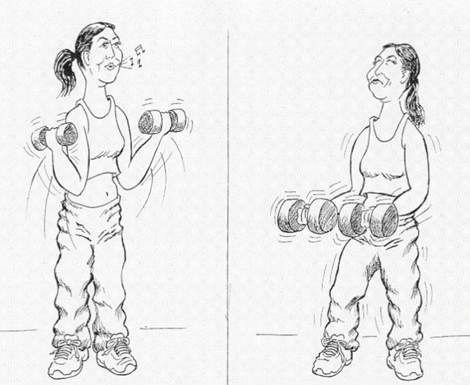
Don’t confuse pushing your heart muscle with pushing your skeletal muscles. It’s your skeletal muscles that spike your TT and GH—not your heart muscle!
- I love a good 30-60 minute workout, but what is the goal of the workout?
- If your HIIT workout is more than 5-7 minutes, it’s not a HIIT workout.
- And if you’re checking emails, text messages, or not using enough weight when you lift weights, you may not be stressing your body as much as you think.
I love a good tough workout, but what’s the goal of my workout?
- Is today’s workout designed to burn fats?
- Is my goal to surge my TT and GH?
- Is today’s workout meant to test my ego?
SM: You advocate for asking three key questions before any workout. Can you walk us through these questions and explain how they help optimize exercise results?
DLL: Once you know what kind of workout you plan on doing, now you need to ask three additional questions.
- What fuel am I going to burn?
- Do I have enough glucose (carbs) in me so I don’t burn lean muscle?
- Can my ego handle it?
With regards to what fuel I am going to burn, too often people assume burning calories is the same as burning fats. It’s not; it’s knowing what your aerobic threshold is and why training with a heart rate monitor when doing your aerobic workout is so helpful. Everyone is amazed when they use a heart rate monitor and learn that their aerobic workouts are a bit more intense than they thought and realize that’s what has kept them from getting rid of the fat and flab.
If you don’t know what fuel you’re burning, you can easily burn through all your carbs in the first half of your workout and end up burning protein (lean muscle) during the last part of your workout. And you absolutely, positively don’t want to be burning lean muscle (protein) for energy—but it happens all the time! As far as checking your ego, I’ll admit this, but don’t tell anyone.
When I learned all this physiology and biochemistry of the body 30 years ago, I was single, working out, and running without a shirt as often as I could. And when I found out I had to run this slow, barely a fast walk, I was too embarrassed to run in daylight hours. I started running and doing my aerobic training at night. So, either train at night so no one can see you or check your ego at the door.
SM: With your experience in clinical nutrition, strength training, and chiropractic sports medicine, what are some common mistakes people make when trying to improve their health, and how can they be avoided?
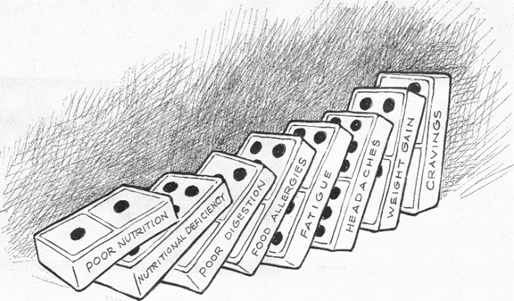
DLL: I can’t emphasize this enough, but there’s no pill you can take to make you sit, eat, and relax. So many of our health problems are associated with digestive issues that are caused by eating on the go, in a hurry, in the car! If that’s you, maybe your digestive system is the first domino to fall. And the bloating, cravings, irritability, weight gain, blood sugar imbalance, and mood swings are what follow.
When you’re always on the go, in that fight or flight mode, you’re literally suppressing your resting digestive system from fully turning on. So, how are you going to produce enough acid to break down all the protein you just ate? Or how is your pancreas going to produce those important digestive juices (enzymes and acid) needed to break down your meal if you’re eating on the go?
Your fight or flight system will dominate over your resting digestive system because that’s how it’s designed. You’re only as healthy as your weakest functioning system, and for a lot of people, it’s digestive issues and constant stress, being on the go as part of the root cause of so many various health challenges.
SM: You’ve been involved in alternative medicine and have formulated nutritional products. How do you see the role of alternative approaches in complementing traditional health and fitness practices?
DLL: Information is everything. Some people don’t want to change their habits, change their diet, exercise, whatever; some people would rather take a pill to address their symptoms instead of addressing the cause. Others want to address the cause. Whether they know exactly what that means is another story.
Change can be difficult. Telling patients, clients, and people to sit, eat, and relax could be a monumental challenge, especially if they don’t understand the why. But if you explain how your digestive system doesn’t truly activate when you eat on the go and how that could be why their pancreas or intestines are not getting a chance to do their job properly, which could be the cause of all their gut problems.
You’re walking them through the process. It’s called locus of control—explain what you want them to do and why, as opposed to simply saying you need to sit, eat, and relax or take this medication three times a day, and I’ll see you again in two weeks. They may need some additional guidance on why you’re suggesting food combining or a two-week elimination diet or a yeast cleanse.
SM: You’ve had a long and diverse career, including hosting your own show and appearing on various programs. What milestones or accomplishments are you most proud of, and how have they shaped your approach to health and wellness?

DLL: When I started out, I thought I would be treating patients for years to come, but as I was building my practice, public speaking was a huge opportunity, which opened the door to writing articles and guest spots on radio and television. I never thought about inventing a fitness product, but my WorkHorse, aka my portable pull-up bar, has been a nice product that solves a problem for both men and women who can’t do pull-ups.
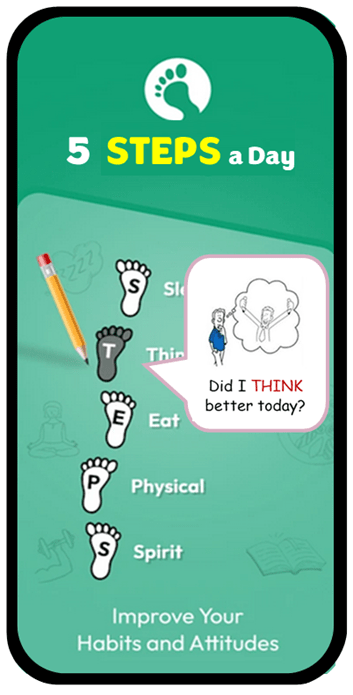
I wasn’t looking to step outside of the health and fitness arena, but one day I shared my 5 STEPS a Day program in an interview, and I couldn’t believe how much positive feedback I received. It got me thinking, can I help people think better? We are what we eat and what we think, right? So, I’m stepping out of my comfort zone and developing an app for 5 STEPS a Day to help improve our habits and attitudes.
It’s personal accountability and feedback! It’s not rocket science. It’s my twist on helping you track how good or bad you are feeding your body, mind, and spirit. It’s a little like Seinfeld’s calendar and is perfect for those people who are more visual and kinesthetic. I hope you can check it out.
SM: For those looking to make long-term changes to their health and fitness, what key habits or practices would you recommend focusing on first?
DLL: We are all adults, and life is all about choices, and I share this in 5 STEPS because everything we do comes back to habits and attitudes. It’s our own auto-pilot system that we’ve set up for ourselves. The question is, are your habits and attitudes helping or hurting you?
You’re the adult—you’re the chef in your life responsible for feeding your body, mind, and spirit. You get to decide how good or how bad you want to feed your body, mind, and spirit. Are you neglecting one or two areas and need some help in another?

What’s it going to take to motivate you? Hopefully, some of the information I shared gets you moving in the right direction.
“You’re the adult—you’re the chef in your life responsible for feeding your body, mind, and spirit. You get to decide how good or how bad you want to feed your body, mind, and spirit.”
– Dr. Len Lopez
Links
- Facebook: @DrLenOnline
- Instagram: @DrLenOnline
- Youtube: @DrLenOnline
- X/Twitter: @DrLenLopez
- Linkedin: @DrLenLopez
- www.DrLenOnline.com
Share Your Insights
We’d love to hear from you! Share your thoughts and engage with our community by answering these questions in the comments below:
- What aspect of Dr. Lopez’s approach to health and fitness resonated most with you?
- How do you currently manage your diet and exercise routine?
- What small changes are you considering to improve your overall well-being?
DISCLAIMER: Spotlyts Magazine does not provide any form of professional advice. All content is for informational purposes only, and the views expressed are those of individual contributors and may not reflect the official position of Spotlyts Magazine. While we strive for accuracy and follow editorial standards, we make no guarantees regarding the completeness or reliability of the content. Readers are encouraged to conduct their own research and seek professional assistance tailored to their specific needs. Any links included are for reference only, and Spotlyts Magazine is not responsible for the content or availability of external sites. For more details, please visit our full Disclaimer, Privacy Policy, and Terms of Service.
Highlight of the Day
“With great power comes great responsibility.”
— Uncle Ben, Spider-Man
More Stories for You
Seasonal Rituals Inspire Global Communities
Ever wondered why we instinctively gather or celebrate when seasons change? This roundup explores how different cultures ritualize nature’s cycles—and what we can learn from these timeless patterns.
Keep reading
The Deal by Nazia Kamali (Short Fiction)
What does a familiar bar reveal when no one is watching? This piece invites readers inside shifts, hidden rituals, and a looming surprise.
Keep reading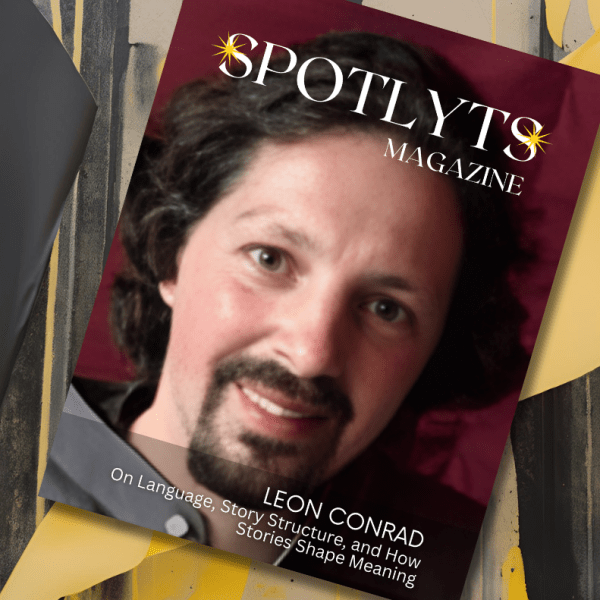
In the Spotlight: Leon Conrad on Language, Story Structure, and How Stories Shape Meaning
Why do some stories feel instinctively right while others fall flat—even when we can’t explain why? This interview explores how story structures shape meaning and invites readers to discover the answer.
Keep reading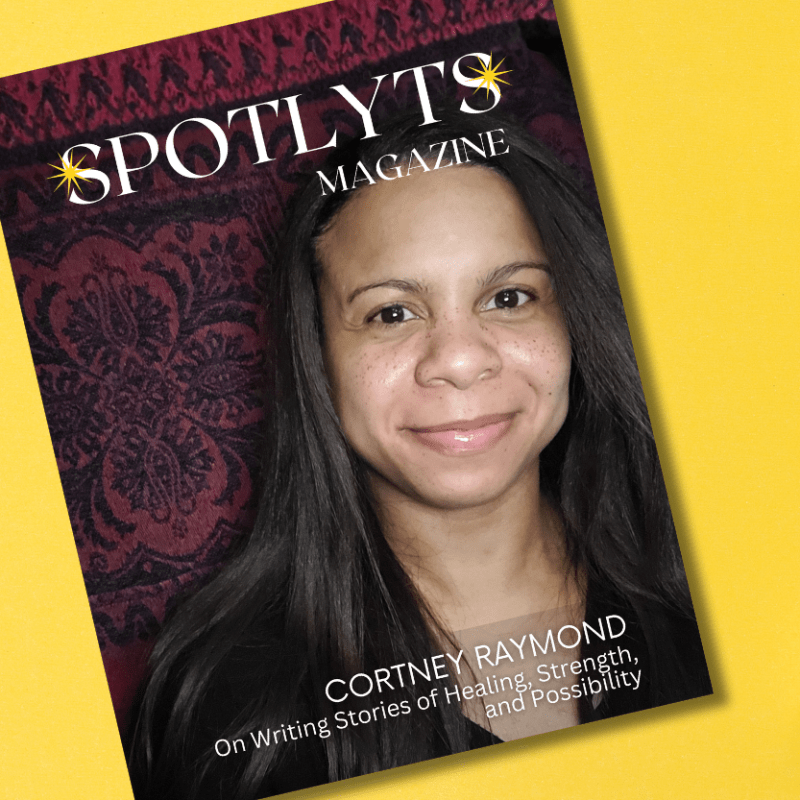
In the Spotlight: Cortney Raymond on Writing Stories of Healing, Strength, and Possibility
Ever wondered what it’s like to write stories that give hope to people who’ve endured trauma? Discover how Cortney Raymond blends real-life experiences and imagination to create resilience, strength, and possibility.
Keep readingSomething went wrong. Please refresh the page and/or try again.
🔆🔆🔆🔆🔆
Spotlyts is pleased to launch a dynamic series of articles dedicated to Health, Fitness, Sports, and Hobbies. Each feature is crafted to offer insights and inspiration across these four key areas of a balanced lifestyle. Here’s a sneak peek at the engaging content you can look forward to:
Health: Understanding the Foundations
Explore the fundamental aspects of maintaining good health with our in-depth articles. Topics will include experts’ insights on preventive care strategies, nutrition essentials, and mental health practices. We’ll round up expert advice and real-life success stories to help you build a strong foundation for overall well-being.
Fitness: Trends and Innovations
Get into the latest fitness trends and innovations that are shaping the exercise landscape. From new workout routines and cutting-edge equipment to emerging fitness technologies, our articles will keep you informed about what’s new and effective in the world of fitness. Get inspired by profiles of fitness enthusiasts and experts who are pushing the boundaries of physical wellness.
Sports: Engaging in Activity
Rediscover the exciting world of sports through our comprehensive coverage. Whether you’re interested in team sports, individual challenges, or recreational activities, our features will showcase various sports and their benefits. We’ll also include profiles of local sports events and athletes to offer insights into how sports can enhance personal development and community involvement.
Hobbies: Fueling Creativity and Joy
Celebrate the joy of hobbies with articles that highlight a range of creative and recreational pursuits. From artistic endeavors to outdoor activities, we’ll explore how engaging in hobbies contributes to happiness and mental well-being. Expect to find inspiring stories, tips for starting new hobbies, and ways to incorporate your passions into a busy schedule.
Conclusion
Spotlyts articles focus on celebrating Health, Fitness, Sports, and Hobbies. Each piece is designed to offer valuable information and inspiration to help you to enhance your well-being and enjoy a well-rounded lifestyle. Stay tuned for a series of engaging content that will empower you to embrace and celebrate all aspects of a balanced life.
Related





Something went wrong. Please refresh the page and/or try again.

 Spotlyts
Leave a reply to Andrea Fernández Cancel reply