

“The convenient catalyst for founding Myofascial Canada was the birth of our first child, which forced us to take a hard look at our priorities.”
– Nelin and Justin Krull
This exclusive interview looks into the role of therapy in managing chronic pain and promoting overall wellness. Nelin and Justin Krull will share their comprehensive approach to health by addressing underlying tensions and habitual movement patterns.
SM: Can you share your journey in founding your current venture?
NAJK: Justin’s journey into Myofascial Release began as a Physiotherapy student. In 2011, when the final placement of our Physiotherapy program was coming up, Justin was assigned to a clinic he didn’t apply for. Prior to starting he was advised to watch a few videos on YouTube of John Barnes, PT demonstrating Myofascial Unwinding. The production quality was poor, and a patient was writhing around on the table, stretching while an older, bearded, and ponytailed man was speaking to the camera as if nothing weird was currently happening. Keeping an open mind, the first appointment was strictly observation. The client on the treatment table was an overweight gentleman who had bilateral rotator cuff tendon repairs. At some point during the treatment the client was pivoting on their head with their entire body elevated. The therapist was holding him up at his feet with one hand with what seemed like no effort while the man on the table was sweating profusely, grunting, and yelling. After the appointment the client was thanking the therapist profusely and hugging him. His pain free range of motion in his shoulders had also improved profoundly. After many similarly head-scratching experiences, Justin was hooked and knew that he had to learn and understand more. The training and courses led to a deep dedication to Myofascial Release spanning 8 years of clinical experience working for other people before deciding to open a practice of his own. It became clear early on that MFR was able to achieve results for clients like no other treatment out there, particularly for clients with chronic pain.
Nelin began her career in the local community hospital, working in the surgery department & ER. Having seen both the acute care hospital practice and private practice, she realized that the primary problem for most patients is the same. There is an external locus of control when it comes to their own physical health and their perceptions around pain.
Since the technique of sustained-pressure Myofascial Release taps into the body’s innate healing wisdom, it offers greater and often lifetime resolution of pain and dysfunction. Learning the practice also empowers clients with the skills and tools they need to self-manage any new issues as they come up without having to rely on their therapist to ‘fix’ them.
Utilizing Myofascial Release self-treatment was an absolute game-changer for Nelin as an acute care Physiotherapist in a very physically demanding job as a petite person. Knowing how beneficial it was for herself and the results Justin was getting in his solo practice, she was certain she needed to share how this could help anyone willing to give it a try.
The convenient catalyst for founding Myofascial Canada was the birth of our first child, which forced us to take a hard look at our priorities. Taking a year to transition, Justin opened a solo practice of his own while Nelin helped him to establish all the background systems and workflows. The solo practice got so busy that Nelin could leave the hospital and together they could jump in with both feet to a new co-owned multidisciplinary practice of their creation. A practice focused on helping people suffering with Chronic Pain by way of Myofascial Release.
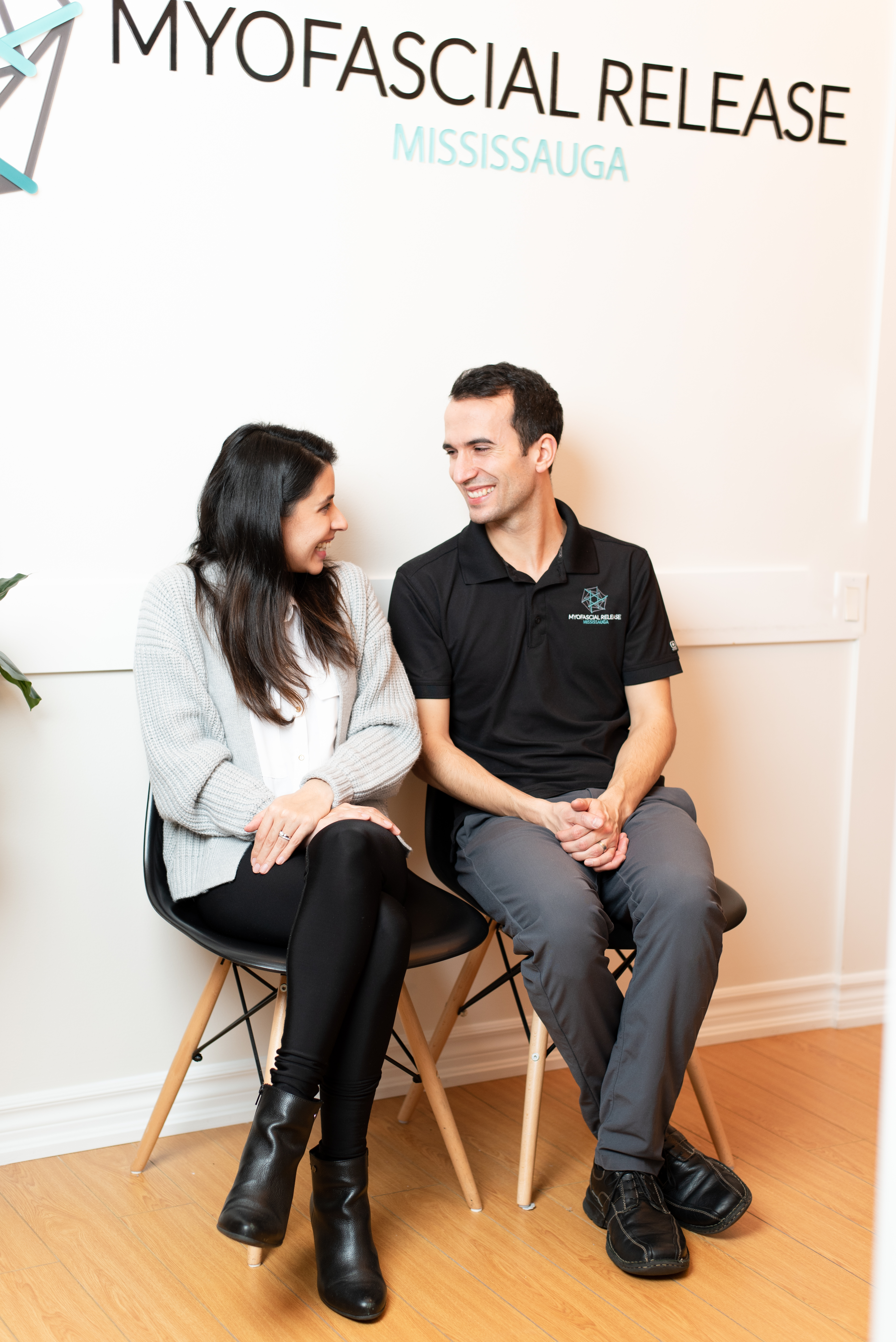
SM: For those unfamiliar, how would you describe Myofascial Release, and what makes it an effective treatment for chronic pain?
NAJK: Myofascial Release (MFR) is a gentle hands-on manual therapy that addresses the integrated mind-body connection between fascial restrictions and the sensation of pain. It typically involves application of gentle sustained pressure to any area of the body that feels hot, hard or tender; in other words, where fascial restrictions are present. Our fascia is a web of connective tissue that is continuous with every cell in the body. As a result, Myofascial Release is highly effective at treating pain and pressure in the underlying muscle, bone, vascular and nervous tissues and addressing a multitude of issues ranging from general tightness and pressure in the body to chronic pain conditions like fibromyalgia or myofascial pain syndrome.
Myofascial Release therapy addresses the unique fascial strain pattern of each individual. By applying gentle sustained pressure slowly to the broad area of tension or restriction, Myofascial Release allows the viscosity or “stickiness” of the surrounding fluid medium of the fascia to decrease. As the tissues rehydrate the fluid ‘melts’ allowing the fascia to glide more freely across and through tissues, relieving friction and tension within the tissue itself. Relieving this friction and tension results in increased mobility, decreased pain and greater ease of motion. The time component is of particular importance here as at 5 minutes or longer, the body also releases anti-inflammatory and blood vessel opening chemicals that also reduce pain and promote the resolution of inflammation.

SM: You emphasize a holistic approach to health. How does MFR integrate with other therapies to address both physical and mental aspects of well-being?
NAJK: The holistic approach of MFR allows for far reaching benefit across many of the systems of the body, not just musculoskeletal but also for the digestive system, endocrine system, nervous system and more. MFR by nature encourages the release of anti-inflammatories and therefore reduces inflammation in the body which contributes to global wellness. The ‘melt’ and rehydration of the fluid matrix surrounding fascia with prolonged hold techniques also allows the restoration of bodily awareness to these regions creating the capacity to feel/experience the emotions surrounding the hurt regardless of whether it was physical. We encourage clients to look at all aspects of their health that may be creating inflammation in their bodies. It is well established that chronic inflammation leads to chronic disease and/or pain; as the saying goes, ‘put garbage in, and you’ll get garbage out’. This is why we have a Nutritionist, Traditional Chinese Medicine Practitioner, and Psychologist on our team. This allows our clients to feel deeply and then build on the results they have achieved through MFR and keep inflammation low in the body by filtering out negative thoughts, habits, and foods that don’t serve their overall wellness goals.
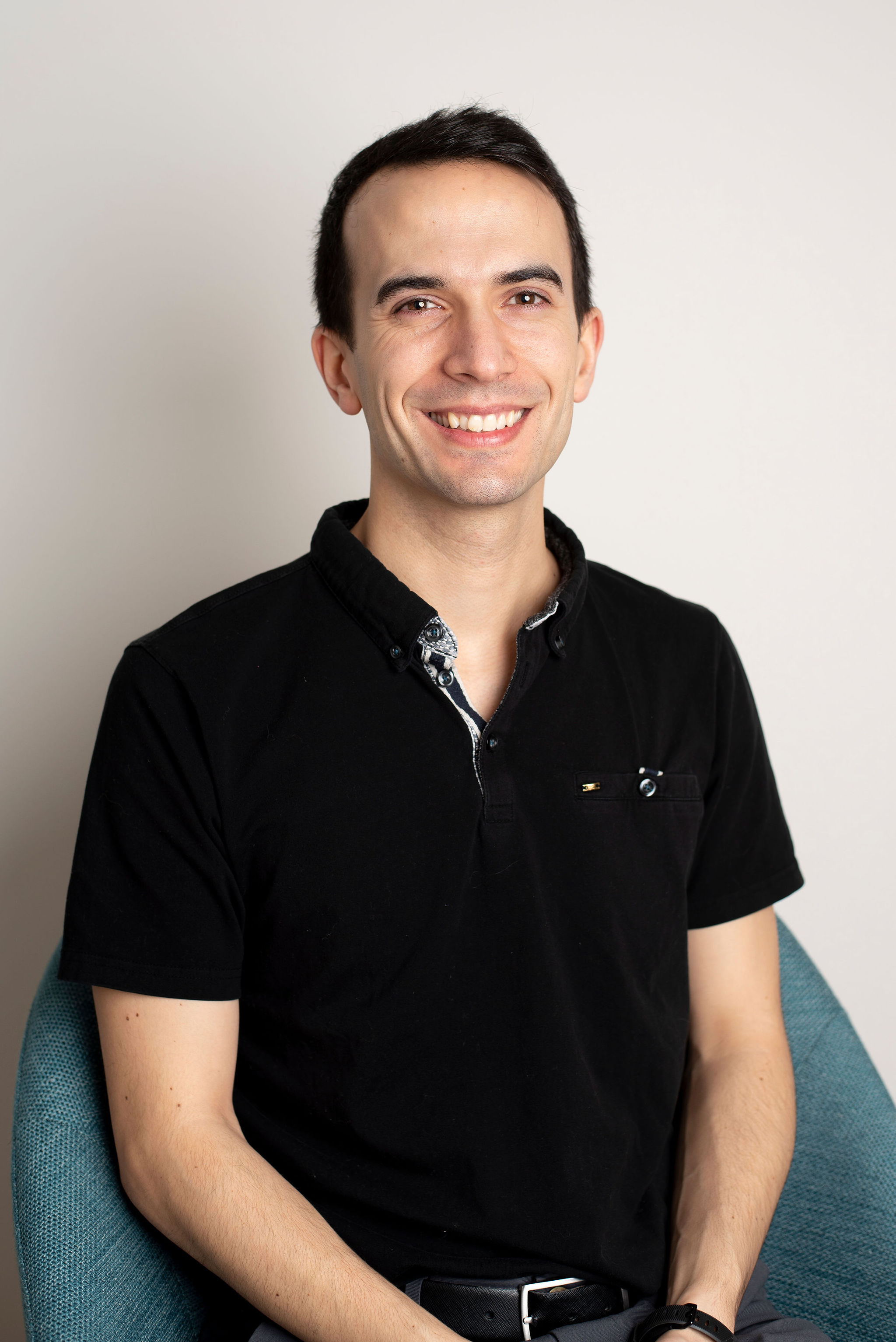
SM: In your experience, how does unresolved trauma influence physical health, and how can MFR assist in the healing process?
NAJK: When we experience trauma, our bodies through a combination of movement avoidance, apprehension, or fear, form myofascial restrictions as a means to protect us as the fluid matrix surrounding the fascia dehydrates in support. This process can be overt and associated with bruises, tearing, and pain after a physical trauma, or even subconscious after an emotional trauma such as the loss of a loved one, a toxic workplace, or toxic relationship. Since our bodies are magnificently sophisticated, we develop compensation patterns to account for the altered lines of tension and pull created by this myofascial restriction. With time, we “heal” but really this is just our body being exceptional at compensating for the dysfunction in order to allow us to function more “normally”. As we continue living our lives and experiencing stressful events, we accumulate further myofascial restrictions. Imagine this as mild inefficiencies introduced into a well-oiled machine, at some point the machine will catastrophically fail, especially if some sudden unexpected event throws a ‘monkey wrench’ into the system. We start to develop chronic conditions; fibromyalgia, migraines, IBS, PCOS, heart disease, diabetes, sleep apnea, anxiety etc. Eventually these lead to a significant event requiring emergency medical intervention. That is, if we don’t intervene and start addressing myofascial restrictions as they come up. Better yet, just start Myofascial self-care practices before you even notice symptoms! Every single one of our clients can pinpoint a significant event that happened in their lives just before their symptoms began. It is not a coincidence.

SM: What are some of the most common myths about aging and pain that you encounter, and how do you educate your clients on these topics?
NAJK: Many people feel that pain is a ‘normal’ part of aging; that the nature of aging itself is the body breaking down and that process is painful. This is untrue. Pain is not a normal part of aging. What’s really happening here is that our society has not been given the tools to take care of their bodies effectively. The correlation of pain with aging is a function of bodily neglect. From early grade school we are taught that eating well and exercising promote longevity and quality of life. While access may play a role in your ability to act on this knowledge, it is impossible to act upon knowledge that was never provided in the first place. Mindful movement and in particular Myofascial Self-Care techniques act to resolve the restrictions we accumulate throughout our lives as a result of living. If the imbalances are improved or corrected, then we can undo the compounding effects of time on our dysfunctions that create symptoms and pain. MFR is the missing piece, the key to a healthy, long, and pain-free life.
A little joke we like to share with our clients to help them shift their mindset, goes like this; an elderly patient sits on the exam table at their doctor’s office and says to the doctor “my left leg hurts”, the doctor replies “yes that’s aging” and the patient responds “well, my right leg feels fine and it’s the same age”.
This combined with an in-depth explanation of how our fascia functions and how restrictions of this system create change in all systems of the body, is usually the ‘light-bulb moment’ for clients who have been seeking answers to their chronic pain for years. Particularly for those who lead healthy lifestyles and have no mechanism of injury to speak of.
The most common condition we see this aging=pain mindset occur in is arthritis. Nearly every client or community member we speak to regarding ‘arthritic pain’ is certain that it cannot be reversed and is just a matter of time with respect to when the onset of symptoms occur. In truth, arthritic changes to joints in the body, especially the spine, are completely natural. However the onset of arthritic pain symptoms is completely preventable and, in many cases, can be reversed if already present. Arthritis is literally the inflammation of a joint. Take away the inflammation by resolving the functional imbalance irritating the joint and you resolve the issue. MFR achieves this by releasing any restrictions in the body that are creating unnecessary strain or pressure through the joint in question, with the added benefit of promoting the release of anti-inflammatory chemicals in the body, meaning no more arthritis. Some are concerned that the damage is irreversible, the wear on the joint surface has created bony changes that can’t be fixed. While the structural bony change is unlikely to change, the symptoms absolutely can. Again, without inflammation, there is typically no pain. We have seen X-rays of clients with ‘bone-on-bone’ arthritis with mild symptoms, or none at all.

SM: Many people believe that pain is an inevitable part of aging. How does MFR challenge this notion and offer a different perspective on aging and wellness?
NAJK: MFR sometimes sounds like something that is too good to be true. Many people believe that those individuals who manage to avoid pain as they age, are simply ‘lucky’. MFR proposes that pain is a result of restrictions in the fascial system that create dysfunction and inflammation. This is not age dependent and does not change as we age. The same is true of wellness. At any age, there is always an opportunity to improve wellness by restoring mobility, optimizing function, and developing a mindful sense of body awareness.

SM: Can you elaborate on how Myofascial Release can be personalized for different individuals, particularly those with unique health challenges?
NAJK: The practice of MFR addresses the unique fascial strain pattern of each individual. Prior to each session, an MFR therapist listens carefully to what symptoms the client expresses and pieces that together with what they observe the body to be exhibiting from a postural perspective to determine the right starting point. During the treatment session the therapist follows the body’s response to techniques such as heat, redness, or sensations felt beyond the immediate site of treatment, and using a combination of skill and intuition are able to follow where that person’s body requires further treatment. When a client is open, they will also often unwind. Myofascial unwinding occurs when the body begins to self-correct and move in a subconscious way that releases restrictions intuitively. Much like the movements we experience upon first waking, a stretch, a yawn; these movements aren’t ones that we consciously execute. No two unwindings are the same.
For self-treatment, all clients are taught how to do a body scan to pick up on the messages that the body is trying to send to the conscious observer. From that information, the client will know where to begin and what techniques they should utilize. As they continue with their self-treatment, they continue to listen and allow themselves to be guided to where needs attention next as well as other areas that might be contributing to it. Unwinding is something that can happen naturally during this process as well.

SM: What are some of the misconceptions about the body’s ability to heal itself, and how does MFR support the body’s natural healing processes?
NAJK: The biggest misconception among clients is that their diagnosis is a life-sentence, something that it ‘permanent’ and can’t be ‘cured’. This belief is perpetuated by the healthcare community and society at large that a person’s own health is out of their control. This external locus of control lies with their genetics, family physician, or surgeon, or specialist, or simply fate. Some may believe that they can influence their health to some extent, but ultimately, they have no control over whether they will one day be diagnosed with some awful condition. Clients will often use words like ‘my’ arthritis, ‘my’ anxiety. Why would you want to own those things when they could just as easily be framed as symptoms or sensations being experienced instead?
The growing science of epigenetics proves there is actually more of a significant environmental influence on disease than most people think. This environment includes the internal environment of your body as well as your external environment and surroundings. In general, people tend to have more control over their internal environment than their external one. They choose what foods they eat, how they eat them, how often they exercise, what thoughts they allow to perpetuate, and of course how they ensure the health of their fascial system.
All of these things contribute to the body’s ability to heal itself. Our healing pathways work optimally when the body as a whole is in good health. The fascia is a key component to this from a general tissue healing perspective. The biochemical cascade involved in healing requires open communication pathways and nutrient delivery/removal routes. This involves the proper function of the nerves, blood vessels, and lymphatic structures servicing the area of injury. If the fascia surrounding these vital structures is restricted, the fascia can exert up to 2000psi of force on them, resulting in dysfunction. So even at a cellular level, healing is thwarted when the fascia is restricted.
The body is highly sophisticated and knows how to heal itself, if only we would listen. MFR teaches the user just how to do this.

SM: As healthcare continues to evolve, what role do you see Myofascial Release playing in the future of pain management and holistic treatment?
NAJK: MFR is without a doubt, the future of healthcare. Our hospitals are overflowing, our family Physicians are overwhelmed, and insurance companies don’t cover enough paramedical or allied health private services to bridge the gap. Preventative or proactive healthcare remain buzzwords, without much actual implementation. And the fast-paced consummatory nature of our society continues to promote the need for a ‘quick-fix’. Myofascial Release forces us to slow down, and utilize self-care that empowers individuals with the body awareness and strategies to address subtle shifts or imbalances in the body as they come up, before they become serious issues requiring medical intervention.

SM: Could you share any notable milestones or success stories from your practice that highlight the impact of MFR on your clients’ lives?
NAJK: Over the 5 years since we opened our clinic, Myofascial Release Mississauga; we have been honoured to receive yearly awards for excellence in practice and for our treating therapists. We see significant accomplishment in surviving Covid given that we opened our practice in January of 2020, especially as our colleagues’ clinics were shutting down around us. However, our biggest accomplishment is the pain relief and subsequent quality of life that is restored for our clients. Clients often find our office after months, or even years of inadequate pain management, symptom resolution, or an inability to return to any sense of normalcy in their activities of daily living.
We had one such client visit us who, 35 years prior, had been in a motor vehicle collision where they were ejected from their car out the front windshield. They were knocked unconscious almost immediately and spent nearly a month in a neuro ICU in a coma. The worst part was she saw the accident coming and had 2-year-old twin children in the backseat. Like many women in childcare or elderly family member care roles, as soon as she was able to be discharged, she went straight back to working as a nurse and providing for her children and her family. A lifetime of neck, shoulder, and back pain later and this client was attending our office for one of our signature Intensive treatment weeks because she had tried everything else and heard that this might work. The intensive is a week-long 15+ hour program with the various members of our team where the combination of our efforts and the frequency of care across 5 days creates the environment to thoroughly shift the thoughts, feelings, emotional, and physical patterns of a patient’s pain. All week the client had been expressing significant neck and throat tightness, and each day would be excited to show that her neck muscles seemed a little softer and her posture a little better. During this session we were going into some deep nervous system holds and the patient had become very quiet and still. I had the impression that there was something inaccessible just under the surface of this moment that was yearning to be expressed. With their permission I placed my hand on their throat gently and invited them to go back in time to the accident. The patient’s breathing slowed and deepened before their eyes gently started fluttering (The REM an indicator of the subconscious going back in the ‘memory banks’). I spoke briefly of how even if unconscious, the subconscious mind remembers every detail of the accident. And waited, gently holding space for whatever might come. Tears welled in her eyes as she recalled ‘I was wearing a neck collar. I was so cold’. That is when she gently began to cry. ‘If your tears could speak, what would they say?’ I prompted. Her body softened a little as she felt into the sensations. I prompted her to repeat any of the next few phrases to herself if they felt right with long pauses between to allow her to internalize the messages. ‘…I did the best I could…It is not my fault…I survived…I love me…’ I then made sure she was well wrapped up in a blanket before gently exiting and allowing her to process the experience. The following day she approached me excitedly to tell me how much lighter she feels. By the end of the week her neck, back, and shoulder pain were still there but drastically reduced. Her nervous system mobility had improved. Her strength had improved, and so had her posture especially through her neck which looked softer and more relaxed than ever. The pain had shifted, and finally, in the power of feeling into her own essence for the first time since the accident, her outlook on her world around her had shifted too. Healing is a journey. It is lifelong and messy, but I know that we created the environment for this client to kick a pebble that could very well start an avalanche, and she would never be the same again.
In her words:
“Many years ago, I was in a very bad car accident and suffered many serious and life-altering injuries. Despite seeing many different therapists and trying many different therapies over the years, my chronic pain continued. This changed when I was Introduced to Justin and this clinic. He was the first practitioner who helped me walk properly and learn to believe in myself and my innate ability to heal through Myofascial Release therapy. Justin is extremely knowledgeable, skilled, patient and kind.
During my treatments at the clinic, I was introduced to other therapists whose combined caring and intuitive approaches helped me on my healing journey. The clinic atmosphere is warm and inviting, and I look forward to continuing to visit as I continue on my path to recovery. Thank you so very, very much!”
“Clients often find our office after months, or even years of inadequate pain management, symptom resolution, or an inability to return to any sense of normalcy in their activities of daily living.”
– Nelin and Justin Krull
Links
Share Your Insights
We invite you to join the conversation and share your thoughts on Myofascial Release therapy.
- How do you think a holistic approach to health can benefit individuals dealing with chronic pain?
- What role do you believe trauma plays in the healing process?
- Are there any misconceptions about aging and pain that you’ve encountered or challenged in your own experience?
Leave your comments below and let us know how Myofascial Release and holistic health practices resonate with you.
DISCLAIMER: Spotlyts Magazine does not provide any form of professional advice. All content is for informational purposes only, and the views expressed are those of individual contributors and may not reflect the official position of Spotlyts Magazine. While we strive for accuracy and follow editorial standards, we make no guarantees regarding the completeness or reliability of the content. Readers are encouraged to conduct their own research and seek professional assistance tailored to their specific needs. Any links included are for reference only, and Spotlyts Magazine is not responsible for the content or availability of external sites. For more details, please visit our full Disclaimer, Privacy Policy, and Terms of Service.
Highlight of the Day
“With great power comes great responsibility.”
— Uncle Ben, Spider-Man
More Stories for You

Quietly Transformative Innovators to Spotlight—What Makes Their Approaches Different
What everyday process do you rely on without ever wondering who quietly improved it? Read the full roundup to discover the behind-the-scenes innovations shaping modern work and technology.
Keep reading
In the Spotlight: Janne Kouri on Resilience, Purpose, and Building Impact Through Leadership
Can one unexpected moment quietly redirect an entire lifetime? Discover how one life-changing experience reshaped purpose, leadership, and service by reading this interview with Janne Kouri.
Keep reading
In the Spotlight: Gretchen Terry-Leonard on Leadership, Human Performance, and Reinventing Life’s Next Chapter
Can one question quietly shape an entire lifetime? Discover how a lifelong search for better questions transformed one author’s work by reading this insightful interview with Gretchen Terry-Leonard.
Keep reading
How Travel and Exploration Deepen Appreciation for Cultural Diversity
Have you ever wondered why getting lost in an unfamiliar place can sometimes teach more than a perfectly planned itinerary? Discover what experts say by reading the full roundup.
Keep readingSomething went wrong. Please refresh the page and/or try again.
🔆🔆🔆🔆🔆
Spotlyts is pleased to launch a dynamic series of articles dedicated to Health, Fitness, Sports, and Hobbies. Each feature is crafted to offer insights and inspiration across these four key areas of a balanced lifestyle. Here’s a sneak peek at the engaging content you can look forward to:
Health: Understanding the Foundations
Explore the fundamental aspects of maintaining good health with our in-depth articles. Topics will include experts’ insights on preventive care strategies, nutrition essentials, and mental health practices. We’ll round up expert advice and real-life success stories to help you build a strong foundation for overall well-being.
Fitness: Trends and Innovations
Get into the latest fitness trends and innovations that are shaping the exercise landscape. From new workout routines and cutting-edge equipment to emerging fitness technologies, our articles will keep you informed about what’s new and effective in the world of fitness. Get inspired by profiles of fitness enthusiasts and experts who are pushing the boundaries of physical wellness.
Sports: Engaging in Activity
Rediscover the exciting world of sports through our comprehensive coverage. Whether you’re interested in team sports, individual challenges, or recreational activities, our features will showcase various sports and their benefits. We’ll also include profiles of local sports events and athletes to offer insights into how sports can enhance personal development and community involvement.
Hobbies: Fueling Creativity and Joy
Celebrate the joy of hobbies with articles that highlight a range of creative and recreational pursuits. From artistic endeavors to outdoor activities, we’ll explore how engaging in hobbies contributes to happiness and mental well-being. Expect to find inspiring stories, tips for starting new hobbies, and ways to incorporate your passions into a busy schedule.
Conclusion
Spotlyts articles focus on celebrating Health, Fitness, Sports, and Hobbies. Each piece is designed to offer valuable information and inspiration to help you to enhance your well-being and enjoy a well-rounded lifestyle. Stay tuned for a series of engaging content that will empower you to embrace and celebrate all aspects of a balanced life.
Related





Something went wrong. Please refresh the page and/or try again.

 Spotlyts
Leave a comment