
“Creativity is not just about the end product; it’s about the journey of self-discovery and the connections we make along the way.”
– Lai-Lin Robinson
In this interview, Urban Bush Women’s Lai-Lin Robinson reflects on her journey and the creative process, which she sees as a path of self-discovery and connection rather than solely a pursuit of polished outcomes.

SM: Can you share a bit about your journey from Washington, DC to New York City and how it has influenced your approach as both a Creative Producer and Performance Artist?
LR: I was born and raised in Washington, DC and fairly early on I knew I loved New York City. My god-mother was an influential director in the museum and art scene in Harlem and my older sister went to college in Manhattan. Every time we visited I was excited about the energy and people. I also knew that when the time came I wanted to leave my hometown to experience new things. I’m a city girl so I couldn’t go anywhere else, but another city. I was also a young dancer who was on track to building a strict professional dance career and New York City was the place I saw myself achieving this.
After graduating high school, college was expected of me so I strategically chose to apply and attend college in New York City where I could train in a conservatory dance program at The Ailey School simultaneously. My early dance training was focused on technique and performance quality; I didn’t yet fully understand the role of arts administrators and professionals and how essential they are to making everything happen. My understanding deepened when I received an internship and then was hired to work at Brooklyn-based dance and theater company, Urban Bush Women (UBW). Urban Bush Women is where I began to understand my place in the dance field different from performing on a stage or in front of a camera. I wore many hats at Urban Bush Women learning the ins and outs of how a dance company and non-profit worked. In each role, I discovered more of what I liked to do and what wasn’t for me. Since then, I became invested in working closely with artists to bring their visions and dreams to fruition. This is work I’ve been doing for years in my own personal life and in other positions. Only in the past 5 years have I been able to have the vocabulary to describe it as Creative Producing.
SM: Your bio mentions transforming artistic visions into reality through “evolutionary life cycles.” Could you elaborate on a project or experience where this iterative process was particularly impactful?
LR: I relish working in cycles, particularly in life cycles; which I would sum up as trusting your instincts and yielding to the universe. Artists who work in an iterative process are experts at this, which is why I love working with them. They allow the work to speak for itself and guide the process organically. If new life is emerging the artist will follow that.
An example is the When Black Women+ Speak talk series that launched this year.
Toward the later part of my full-time position at Urban Bush Women I was the coordinator for their now Choreographic Center Initiative (CCI), which at the time was a new idea codifying the work that UBW Founder, Jawole Willa Jo Zollar, had already been doing to support Women of Color Choreographers. I participated in the creation cohort that started to devise what CCI could be. We workshopped the title, language, mission and researched examples of structures and models from other like-minded programs.
As CCI began to take shape I supported its early phases that convened women of color choreographers and dramaturgs, but I didn’t participate in its continued growth and alignment much after that.
Fast forward 3-4 years I was invited to help build on the continuation of CCI, but this time to support women of color producers. This was a full circle moment because I was returning to work on a new iteration of CCI, one that directly aligned with my work and who I am. It was like they were asking me to come design a program to support me and my fellow colleagues in the field, and it was. This program was UBW’s Choreographic Center Initiative Producing Program (UBW CCI 2.0). It supported 4 Black and Women of Color Producers, one of which was Pia Monique Murray, the person who brought me on as an intern at Urban Bush Women. Full circle moment!
When the CCI 2.0 program culminated we wanted a space to continue centering our voices and experiences as black and women of color producers working in the field and so the When Black Women+ Speak (WBW+S) talk series was born. WBW+S is the most recent iteration of support born from CCI 2.0 and CCI. To add to this life cycle, I’m proudly curating this series and co-producing it with Pia Monique Murray, UBW CCI 2.0 Producing Fellow and the person responsible for folding me into Urban Bush Women as an intern. Again, full circle moment!
SM: As someone deeply involved in both production and performance, how do you balance these roles? How does your background as a Performance Artist inform your work as a Producer?
LR: I don’t consider myself someone in two roles. I’m an artist who produces, curates, performs and supports the visions of other artists and producers. The work I do as an artist informs my work as a producer and vice versa. Elements of me that make up my artistic and producing practice both show up no matter what job I’m doing.
For example, if I’m brainstorming an idea with an artist I’m listening to their stories, researching and visiting with them. Together, we’re selecting themes, thinking through who the collaborators will be, moving through the choreography, scouting spaces, developing the cast list; while also mapping out how the performance is going to happen with rehearsal schedules, contracts, budget, etc.
This is just an example and it looks different for each person and project, but it explains a bit of how components of the artistic process and producing aspects overlap for me.
SM: What are some of the challenges you’ve faced in bridging the gap between Artists and Producers, and how have you overcome them?
LR: I commend my ancestors and mentors because they created a pathway when there wasn’t one or wasn’t a clear one to success. Now we have their framework, but are updating the materials, changing the route, and some days we need to build a brand new path. Even this is challenging and can feel as if we have made no progress at all.
Historically there are not a lot of good examples, at least to my knowledge, of professional relationships between Artists and Producers. This stems from an artist’s lack of access to resources and producers gatekeeping the access and distribution of those resources. This is still very much a thing here and in other areas.
My hope for changing that narrative is by giving ourselves the time and space to take a good look at what we want, how we want to do it and who we want to do it with. Naming and Claiming our work as Black and Women of Color Producers and Artists rooted in our values.
The UBW When Black Women+ Speak talk series I mentioned earlier is a space for us to explore this together. Let’s have a collective conversation about our values in practice, then based on that we can redefine what roles we want and how we want them to exist.
I know this is not an easy task and we still have quite a ways to go.The work has been happening and will continue to happen.
SM: In your opinion, what are the key elements needed to foster a trusting and productive relationship between Artists and Producers?
LR: Always at the top for me are aligned values and communication. These two elements then trickle down to working with respect, empathy and establishing and respecting boundaries. If these are not mutually held it can be hard to see the vision and navigate the unknown together.
SM: Could you highlight a milestone or accomplishment in your career that you’re particularly proud of, and how it has shaped your professional trajectory?
LR: This would be when I left my full-time position at Urban Bush Women to dive back into my professional dance career.
At this time the organization was celebrating a leadership transition and their 30th anniversary, which I co-produced with my colleague. During the transition I was given room to look at what areas of the company I wanted to work in. I was excited to lean into working with the company members more, supporting the creation and presentation of new and existing work and touring with them. After doing this for a little over a year it reminded me of how much I missed my own performance work. I wasn’t able to invest much time into dancing or auditioning due to my work at UBW and I didn’t want to let any more time pass me by. I chose to listen to that urge to cut my safety net loose and so I gave my notice and left.
Leaving Urban Bush Women gave me the space and time to apply those vital skills and lessons I learned there, into establishing my own unique visions and goals. Exercising that muscle was a huge learning curve. I remember during a moment of weakness my partner, Michele Lee, who is also a very talented dancer and multi-hyphenate artist, reminded me that I already have everything I need to do and do on my own terms. No more than a day later I sent emails out and began building my own professional network. I’ve been fortunate enough to work with UBW colleagues on other projects and be invited to return as a consultant to build their new CCI 2.0 Producing Program and now the When Black Women+ Speak talk series as part of their 40th anniversary.
SM: As an Arts Advocate, what initiatives or causes are you passionate about? How do you integrate advocacy into your work?
LR: I’m passionate about nurturing and protecting the beings, experiences and voices of black and women of color.
I want to challenge the ways we exist; the ways that have been, that are now and soon to be.
I’m always working to stay grounded and work with empathy, in collaboration, with community, and utilizing anti-racist practices.
SM: How do you see the future of performance arts evolving, especially in terms of collaboration and innovation?
LR: Collaboration and Innovation has always been at the forefront of the performing arts. It has only recently evolved into something that is popular, fundable, and “unparalleled.”
Breaking the molds of traditional art-making, creating new work around challenging concepts, digging into a multitude of artistic processes is what artists have been doing since the beginning of time!
Even still, this new boom has opened doors and resources to supporting more artists who are creating the art that our world needs.
Let’s also shed light on the artists who were doing collaborative and innovative work when it wasn’t so popular.
SM: What advice would you give to aspiring Creative Producers or Performance Artists looking to make an impact in the industry?
LR: Take your time to find what feeds your soul and genuinely excites you.
Determine and hold on to your “why”.
Gather and nurture people you love and respect, and collaborate to create amazing things together.
Rest and Repeat as needed.

SM: Lastly, how do you define success in your dual roles, and what keeps you motivated to continue pushing boundaries in the arts?
LR: Duality was something that I used as a way to make room for my work as a performance artist during a time when my producing and non-performative work was generating more income and therefore taking up more time.
Establishing two roles (performer and producer) and then assigning a percentage of my time to each, was a way I ensured that I was still the artist I wanted to be. This brought on so many other issues and misconceptions including how to keep my identity as an artist even though I wasn’t performing and as lucrative as an “artist” as I wanted to be. This is still something I struggle with and I believe the field also has work to do around it.
I don’t consider myself someone in two roles. I’m an artist who produces, curates, performs and supports the visions of other artists and producers. The work I do as an artist informs my work as a producer and vice versa. Elements of me that make up my artistic and producing practice both show up no matter what job I’m doing.
For example, if I’m brainstorming an idea with an artist I’m listening to their stories, researching and visiting with them. Together, we’re selecting themes, thinking through who the collaborators will be, moving through the choreography, scouting spaces, developing the cast list; while also mapping out how the performance is going to happen with rehearsal schedules, contracts, budget, etc.
This is just an example and it looks different for each person and project, but it explains a bit of how components of the artistic process and producing aspects overlap for me.
I think this approach is more popular when you look at TV, film and theater, but not so much in dance. We see actors with directorial titles and executive producers of movies and shows that they have starred or appeared in. The crossover line between talent, producer, production staff, crew and other roles just feels more pliable here.
On the other hand, there has been a recent shift in the thinking around dance producers as creatives and artists who work in collaboration with other artists. We are also giving more space for artists to identify as a producer or other non-performative role, even though this is the work they have done for years due to lack of resources. This is where you find the self-producing artist.
The era of Multi-hyphenates is here and we are resisting the archaic need to fit into one defined role.
Success is together re-defining and re-self-defining the ways we want to show up and striving to do that work over and over again until we get it how we want it.
“Art has this unique ability to bridge gaps between people and cultures, and that’s where I find the most harmony in my work.”
– Lai-Lin Robinson
Links
Share Your Insights
We invite you to engage with Lai-Lin Robinson’s insights on creativity and community. Share your thoughts in the comments below!
- What aspect of Lai-Lin’s creative journey resonates with you the most?
- How do you define creativity in your own life?
- In what ways do you think community influences artistic expression?
Taking readers deep into the colorful worlds of music, movies, theater, and entertainment, Spotlyts offers a compelling array of content. This specially curated series highlights up-and-coming musicians, timeless masterpieces, ground-breaking shows, and the most recent developments influencing the business. Spotlyts provides a special blend of observations, reviews, and knowledgeable commentary on anything from behind-the-scenes peeks at theater shows and art performances to in-depth interviews with musicians and filmmakers. This series offers a novel viewpoint on the narratives, performances, and cultural events propelling modern entertainment, whether you’re a die-hard fan, a working professional in the field, or just plain inquisitive. Get inspired by the performing arts’ boundless possibilities and discover the creative talent that defines our time.
Related Posts
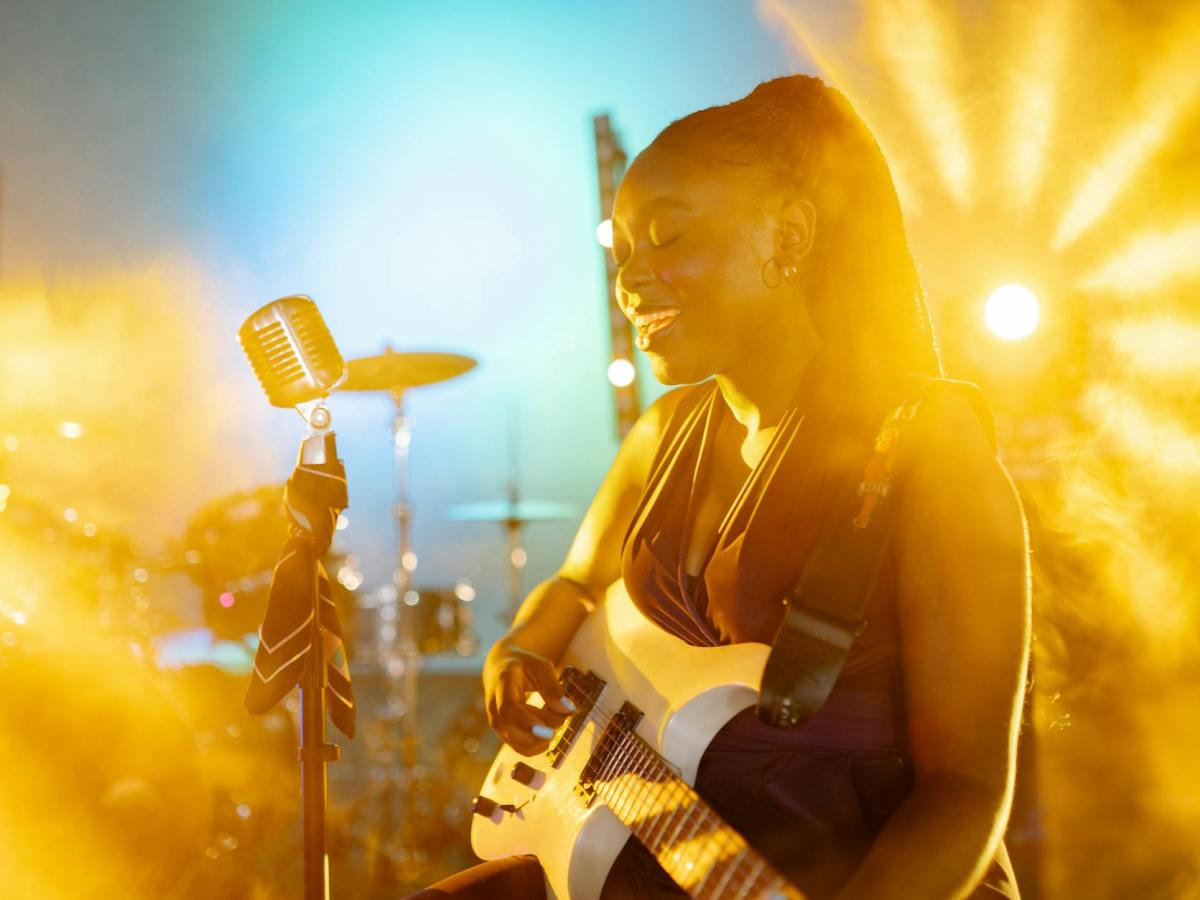
The Soul of Culture: What to Watch, Hear, and Feel This November
If your life had a soundtrack, would it be a cinematic score, a rock anthem, or a comedy theme song? This November, Spotlyts explores how music, film, and performance shape our world!
Keep reading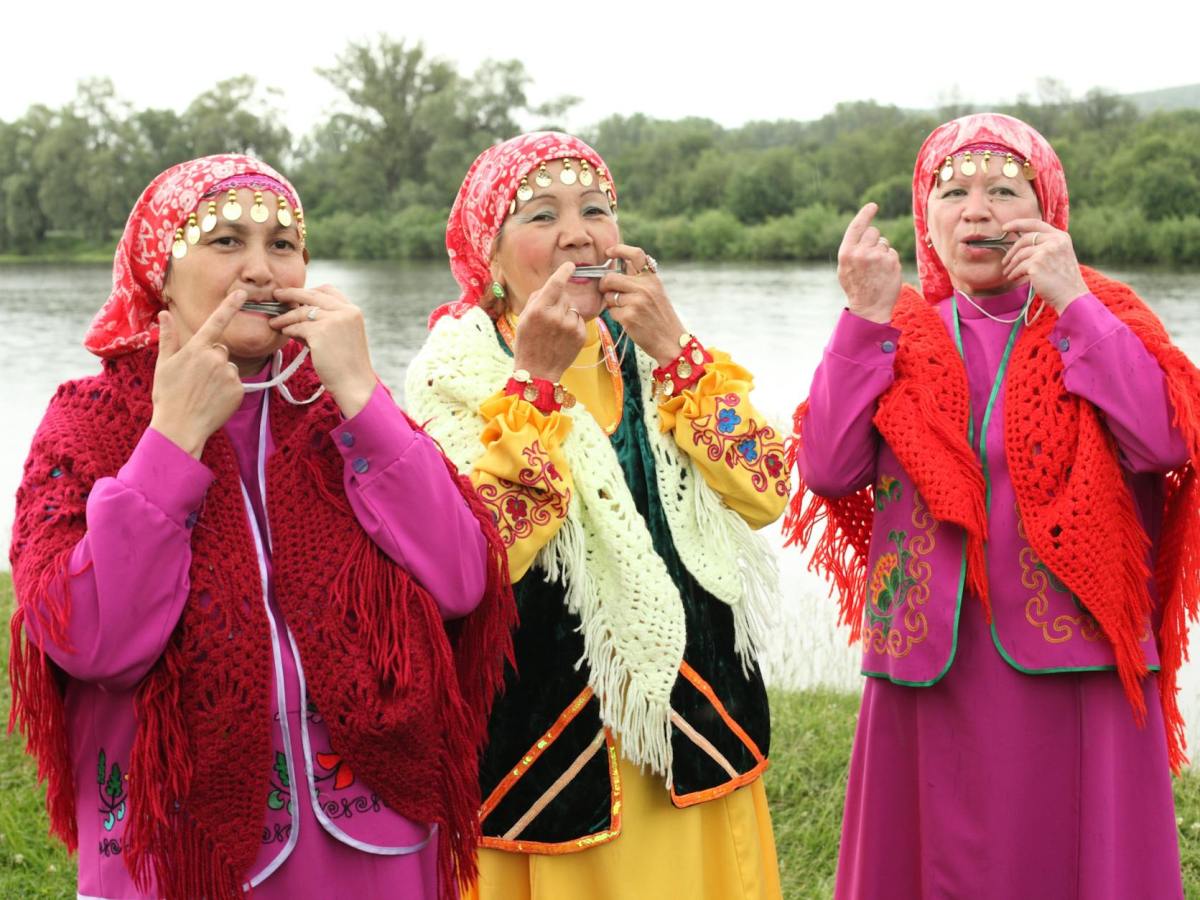
Togetherness Through Art, Music, and Tradition: A Global Lens
What if a forgotten melody could change the way we see history? Read this piece to explore the hidden ties between art, music, and culture — the answer awaits within!
Keep reading
In the Spotlight: Dr. Amara Pope on Music, Identity, and Cultural Representation
In this conversation, Dr. Amara Pope shares her journey and insights on the intersections of media, culture, and leadership and sheds light on how personal experiences and professional roles can fuel innovation and empower communities.
Keep reading
In the Spotlight: Joseph Pastrana
In this interview, discover how J. Joseph Pastrana weaves fashion, dance, and storytelling into a vibrant blend of cultural history, highlighting the enduring impact of creativity across generations.
Keep readingSomething went wrong. Please refresh the page and/or try again.
DISCLAIMER: Spotlyts Magazine does not provide any form of professional advice. All content is for informational purposes only, and the views expressed are those of individual contributors and may not reflect the official position of Spotlyts Magazine. While we strive for accuracy and follow editorial standards, we make no guarantees regarding the completeness or reliability of the content. Readers are encouraged to conduct their own research and seek professional assistance tailored to their specific needs. Any links included are for reference only, and Spotlyts Magazine is not responsible for the content or availability of external sites. For more details, please visit our full Disclaimer, Privacy Policy, and Terms of Service.
Highlight of the Day
“With great power comes great responsibility.”
— Uncle Ben, Spider-Man
More Stories for You
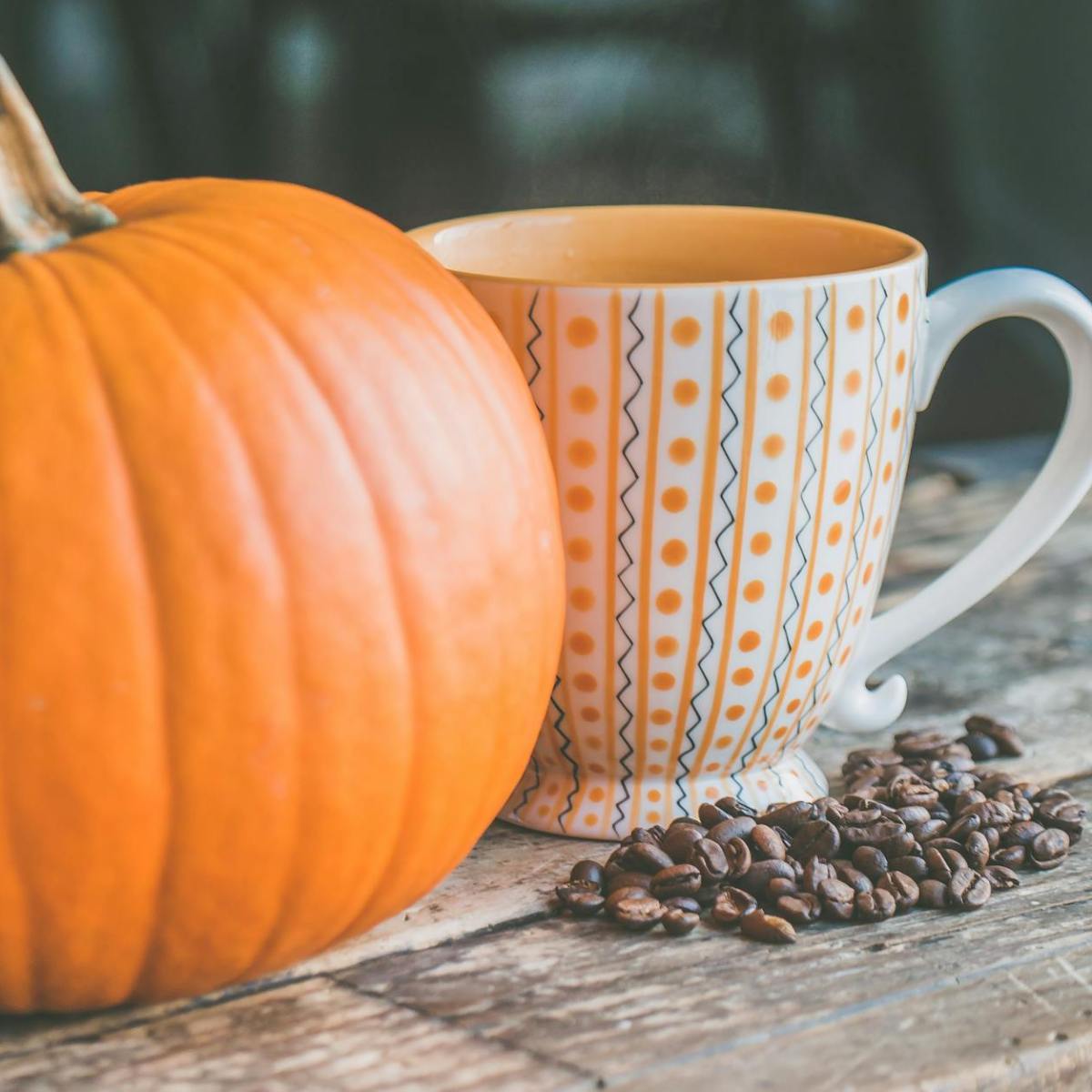
Seasonal Rituals Inspire Global Communities
Ever wondered why we instinctively gather or celebrate when seasons change? This roundup explores how different cultures ritualize nature’s cycles—and what we can learn from these timeless patterns.
Keep reading
The Deal by Nazia Kamali (Short Fiction)
What does a familiar bar reveal when no one is watching? This piece invites readers inside shifts, hidden rituals, and a looming surprise.
Keep reading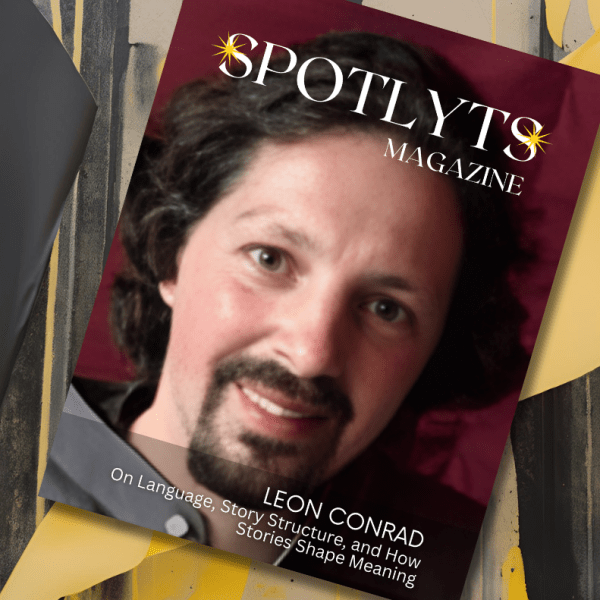
In the Spotlight: Leon Conrad on Language, Story Structure, and How Stories Shape Meaning
Why do some stories feel instinctively right while others fall flat—even when we can’t explain why? This interview explores how story structures shape meaning and invites readers to discover the answer.
Keep reading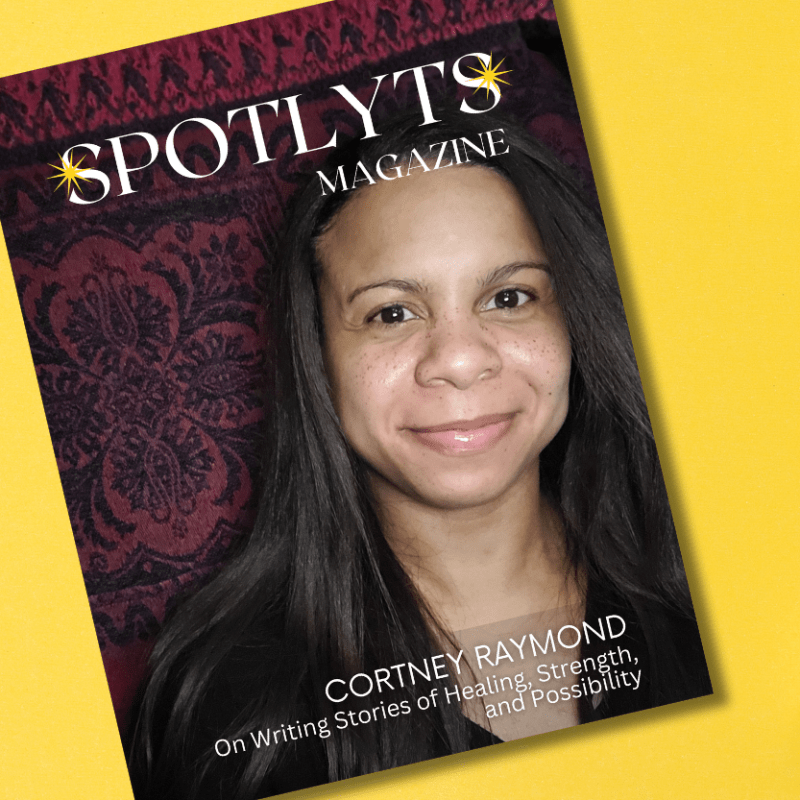
In the Spotlight: Cortney Raymond on Writing Stories of Healing, Strength, and Possibility
Ever wondered what it’s like to write stories that give hope to people who’ve endured trauma? Discover how Cortney Raymond blends real-life experiences and imagination to create resilience, strength, and possibility.
Keep readingSomething went wrong. Please refresh the page and/or try again.

 Spotlyts
Leave a reply to Andrea Fernández Cancel reply