

“Music produces a kind of pleasure which human nature cannot do without.”
– Confucius
Music is the universal language of the world. It has been a key aspect of humanity long before the beginning of civilizations. As Confucius asserts, humanity without music is unimaginable.
Origin
The history of music can be traced back to prehistoric times. One of the earliest evidence of music goes back at least 40,000 years to the Upper Paleolithic Era, a time when the early humans were first migrating to Europe. Initially, music was made by the Neanderthals and their ancestors, who used their voices to mimic the calls of nature. Presumably, the earliest instruments were drum-based. These simple instruments were used for communicating and performing in various religious ceremonies. In 4,000 BCE, the Egyptians invented flutes and harps. Trumpets in 2,500 BCE are attributed to ancient civilizations, including Egypt, Mesopotamia, and the Indus Valley. String instruments like the guitar were developed by the Hittites in 1,500 BCE. This led to the creation of the harpsichord and the violin. You’ll be surprised to know that one of the oldest known recorded pieces of music is the ‘Hurrian Hymn No. 6,’ dating back to approximately 1400 BCE.
Music continued to evolve through the Middle Ages and the Renaissance. Newer and innovative genres continue to astound the world in the 20th and 21st centuries.
Musical Genres
Music genres are categories that identify a specific kind of music. Being an artistic medium, it is tough to label music. With so many different sounds, it is no wonder that there are thousands of musical genres and sub-genres in the world. Let us have an in-depth look into 6 of the most popular music genres in the world.
Western Classical
- Origin: Western classical music has a rich and long history that includes music from the Middle Ages, Renaissance, Baroque, Classical, and Romantic periods. Generally, it refers to the type of music that reflects the European musical style from 1750 to 1820. Opera, choral music, and symphonic music are the sub-genres of classical music.
- Characteristics: A formal structure, complex harmonies, and sophisticated melodies are the key features of classical music. It is performed by highly trained musicians who use traditional instruments like the piano, violin, and cello. Classical music has an opulent vibe and is mostly performed in concert halls and opera houses.
- Key Artists: Stalwarts like Pyotr Ilyich Tchaikovsky, Ludwig van Beethoven, Wolfgang Amadeus Mozart, and Johann Sebastian Bach are the composers who have made innumerable contributions to classical music and shaped its history.
Jazz:
- Origin: Jazz is believed to originate in the early 20th century in the United States. African American and Creole musicians of New Orleans and Louisiana mixed the elements of western classical music and African rhythms to come up with this unique style. Jazz became mainstream in the 1930s and 1940s. It was played in ballrooms and dance clubs all over the world during the swing era. Swing, bebop, and fusion are all sub-genres of Jazz.
- Characteristics: Jazz is characterized by a heavy emphasis on instrumental performance, complicated piano chord progressions, improvisation, and complex harmonies. It is no wonder that jazz music is considered to be cool and sophisticated, what with musicians playing off of each other and constantly improvising. Piano, bass, drums, horns, and sometimes the violin or the guitar feature heavily in jazz performances.
- Key Artists: Louis Armstrong, Duke Ellington, Miles Davis, Billie Holiday, Ella Fitzgerald, and Herbie Hancock are some of the evergreen Jazz artists.
Country:
- Origin: Country music originated in the southern states of the United States in the 1920s.
- Characteristics: The primary focus of country music is on storytelling, with lyrics encapsulating rural life, blue-collar life lessons, and traditional values. There is a noticeable “twang” in the singing and instrument delivery of country music. Usually with a bouncy tune, country music features instruments like the fiddle, banjo, and guitar.
- Key Artists: Loretta Lynn, Johnny Cash, Dolly Parton, Willie Nelson, Hank Williams, Blake Shelton, Brad Paisley, Kenny Chesney, and Tim McGraw are the key artists of the genre.
R&B:
- Origin: Rhythm and Blues, popularly known as R&B, originated in the United States of America in the 1940s and 1950s within the African American communities. In its early days, the songs of this genre encapsulated the struggles, pain, and sorrow of the Black community. Today, it features themes of love and relationships.
- Characteristics: R&B music emphasizes on vocals, featuring soulful singing over a backing track of rhythms and melodies influenced by blues. It also incorporates elements of jazz, funk, and gospel music. Today, it also includes elements of hip hop and electronic dance music. Piano, electric guitar, drums, double bass, electric organ, horns, and saxophone are some of the instruments used in R&B pieces. Modern R&B often incorporates electronic elements and synthesized sounds.
- Key Artists: Smokey Robinson, Ray Charles, Marvin Gaye, Little Richard, and James Brown are some of the renowned artists of this genre.
Rock:
- Origin: Rock music originated in the United States as rock and roll in the late 1940s. It rapidly evolved in the 1960s and developed into a range of different styles. Classic rock, heavy metal, punk, and alternative rock are a few of the many sub-genres of rock. The US and the UK were the birthing grounds of this genre.
- Characteristics: Electric guitars, bass guitars, and drums are some of the major instruments used in rock music. Featuring an energetic and powerful sound, rock music is often characterized by driving rhythms, distorted guitar riffs, and powerful vocals. Rock songs usually have a verse-chorus-verse structure and deal with themes of rebellion, freedom, and individuality. Rock music has a huge cultural impact with concerts attracting thousands of people.
- Key Artists: Elvis Presley, The Beatles, Queen, Led Zeppelin, Guns N’ Roses, Aerosmith, AC/DC, and Black Sabbath are some of the most renowned rock stars in the world.
Hip Hop:
Origin: Originating in the United States of America in the 1970s, Hip hop has emerged to be one of the most popular music genres of today.
Characteristics: With a strong focus on lyrics, hip hop is characterized by rhythmic verses spoken over a backing track of sampled beats and melodies. It includes elements of rapping and turntablism. Hip hop deals with themes of politics, social justice, and personal experiences.
Key Artists: Tupac Shakur and The Notorious B.I.G, Jay-Z, Snoop Dogg, Dr. Dre, Ice Cube, and Eminem are some of the big names in the hip hop world.
Conclusion
The world consists of a diverse group of people. Each of us has a different taste in music. We tend to gravitate toward songs that resonate with us and capture our feelings. Naturally, there are so many music genres out there, with more evolving every year.
Music is also a universal language that transcends borders, resonating with diverse cultures and communities across the globe. While Western music traditions like classical, jazz, and rock are significant, it’s equally important to highlight the vibrant and pulsating rhythms of Afrobeat, the global cultural phenomenon of K-pop, the intricate and soulful melodies of Indian classical music, and the rich storytelling heritage of Indigenous music. By including these diverse genres, we celebrate the universal appeal of music and honor its ability to reflect the myriad experiences and traditions of humanity. Check out our other features this month that touch on these other music genres.
Music is an integral part of our lives. It is a source of comfort and joy for many people. Do comment and let me know about your favorite music genre.
Sources
- https://www.azquotes.com/author/3177-Confucius/tag/music
- https://books.google.co.in/books?id=UuJkAwAAQBAJ&redir_esc=y
- https://books.google.co.in/books?id=Q7goEAAAQBAJ&redir_esc=y
- https://americanhistory.si.edu/explore/projects/smithsonian-jazz
- https://country-music-archive.com/
- https://books.google.co.in/books?id=DCNC_qGcgkgC&redir_esc=y
Related Insights
“Each music genre has its own conventions and goals – for instance, jazz emphasizes a less predictable improvisational quality, while blues leans into pain and loss. As a genre, pop has a more universal appeal, featuring catchy hooks and often addressing themes of love and relationships while employing the current production capabilities of its time. Dance, on the other hand, is marked by repetition to create a rhythmic cadence for dancing. This is why the four-four time signature – four beats to each measure – is its most dominant feature (although this measure also appears often in other genres).”

Contributed by Joseph Pastrana, Author of “Mirrorball – Reflections of Dance and Fashion” and “Homespun – True Tales of Tweed”
Taking readers deep into the colorful worlds of music, movies, theater, and entertainment, Spotlyts offers a compelling array of content. This specially curated series highlights up-and-coming musicians, timeless masterpieces, ground-breaking shows, and the most recent developments influencing the business. Spotlyts provides a special blend of observations, reviews, and knowledgeable commentary on anything from behind-the-scenes peeks at theater shows and art performances to in-depth interviews with musicians and filmmakers. This series offers a novel viewpoint on the narratives, performances, and cultural events propelling modern entertainment, whether you’re a die-hard fan, a working professional in the field, or just plain inquisitive. Get inspired by the performing arts’ boundless possibilities and discover the creative talent that defines our time.
DISCLAIMER: Spotlyts Magazine does not provide any form of professional advice. All content is for informational purposes only, and the views expressed are those of individual contributors and may not reflect the official position of Spotlyts Magazine. While we strive for accuracy and follow editorial standards, we make no guarantees regarding the completeness or reliability of the content. Readers are encouraged to conduct their own research and seek professional assistance tailored to their specific needs. Any links included are for reference only, and Spotlyts Magazine is not responsible for the content or availability of external sites. For more details, please visit our full Disclaimer, Privacy Policy, and Terms of Service.
Highlight of the Day
“With great power comes great responsibility.”
— Uncle Ben, Spider-Man
More Stories for You

Seasonal Rituals Inspire Global Communities
Ever wondered why we instinctively gather or celebrate when seasons change? This roundup explores how different cultures ritualize nature’s cycles—and what we can learn from these timeless patterns.
Keep reading
The Deal by Nazia Kamali (Short Fiction)
What does a familiar bar reveal when no one is watching? This piece invites readers inside shifts, hidden rituals, and a looming surprise.
Keep reading
In the Spotlight: Leon Conrad on Language, Story Structure, and How Stories Shape Meaning
Why do some stories feel instinctively right while others fall flat—even when we can’t explain why? This interview explores how story structures shape meaning and invites readers to discover the answer.
Keep reading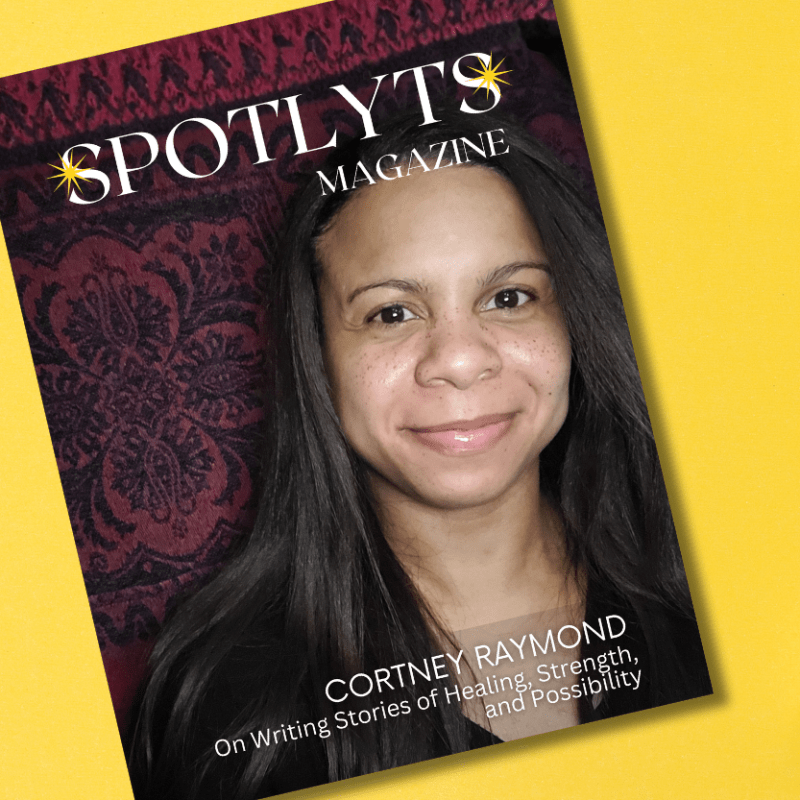
In the Spotlight: Cortney Raymond on Writing Stories of Healing, Strength, and Possibility
Ever wondered what it’s like to write stories that give hope to people who’ve endured trauma? Discover how Cortney Raymond blends real-life experiences and imagination to create resilience, strength, and possibility.
Keep readingSomething went wrong. Please refresh the page and/or try again.
Related Posts
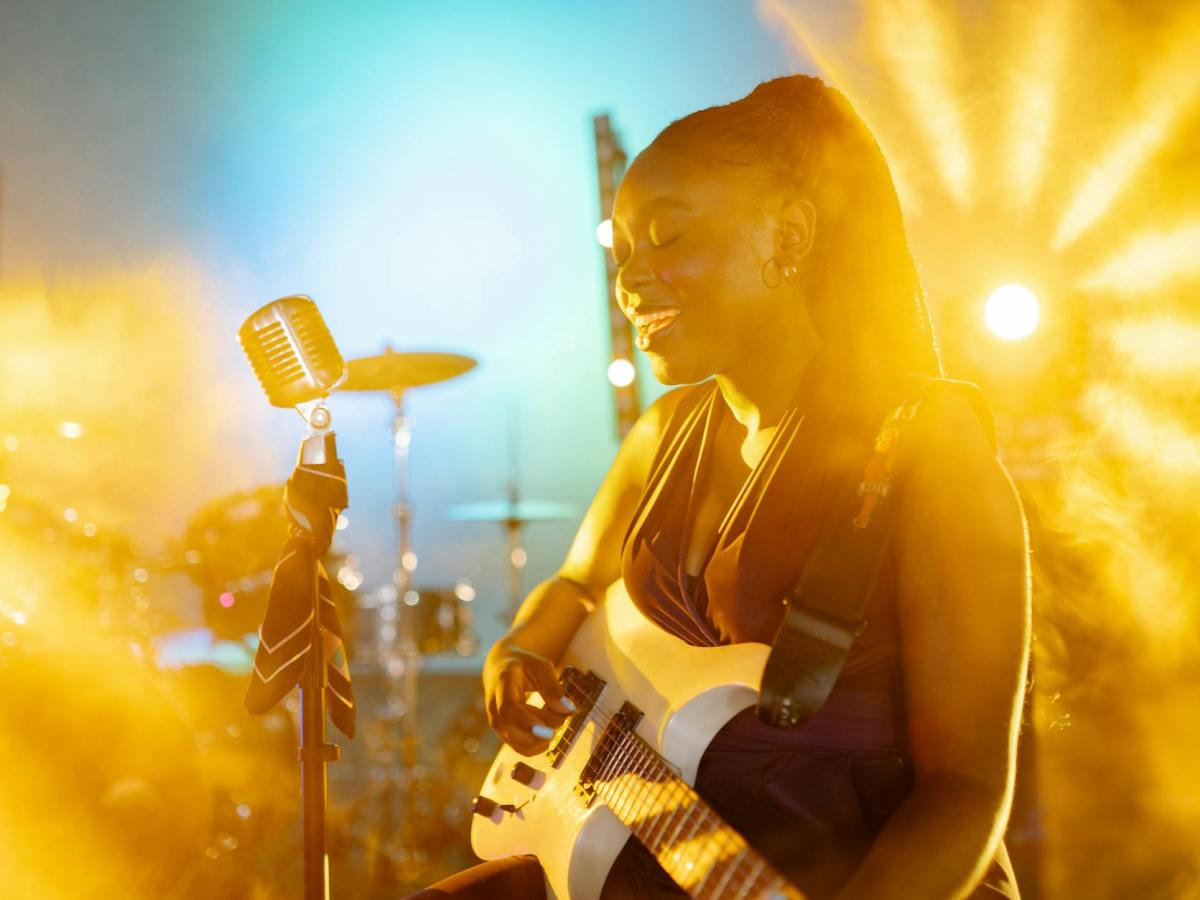
The Soul of Culture: What to Watch, Hear, and Feel This November
If your life had a soundtrack, would it be a cinematic score, a rock anthem, or a comedy theme song? This November, Spotlyts explores how music, film, and performance shape our world!
Keep reading
Togetherness Through Art, Music, and Tradition: A Global Lens
What if a forgotten melody could change the way we see history? Read this piece to explore the hidden ties between art, music, and culture — the answer awaits within!
Keep reading
In the Spotlight: Dr. Amara Pope on Music, Identity, and Cultural Representation
In this conversation, Dr. Amara Pope shares her journey and insights on the intersections of media, culture, and leadership and sheds light on how personal experiences and professional roles can fuel innovation and empower communities.
Keep reading
In the Spotlight: Joseph Pastrana
In this interview, discover how J. Joseph Pastrana weaves fashion, dance, and storytelling into a vibrant blend of cultural history, highlighting the enduring impact of creativity across generations.
Keep readingSomething went wrong. Please refresh the page and/or try again.

 Spotlyts
Leave a reply to Andrea Fernández Cancel reply