

“We are all different, which is great because we are all unique. Without diversity, life would be very boring.”
– Catherine Pulsifer
Similarly, without the inclusion and representation of diverse communities, the world of entertainment becomes very boring. In fact, the lack of representation poses a far more serious problem. It gives rise to stereotypes and marginalizes people who are underrepresented.
Whether we accept it or not, media holds immense power. Be it films, television, comics, cartoons, or news, media shapes our thoughts and perspectives. Hence, it is of utmost importance that the various racial and ethnic groups as well as gender and sexual identities are portrayed accurately in media.
By reflecting diverse cultures, ethnicities, and perspectives, media can offer fresh perspectives and authentic narratives that are relatable to a widespread audience. Inclusivity in the media portrays our multicultural society and sows the seeds of understanding among various sections.
History
The road to today’s diverse and inclusive media has been full of hurdles. In the early days of Hollywood, only a narrow demographic was represented both on-screen and off-screen. People of color were cast in stereotyped roles while women were relegated to one-dimensional parts. Filmmakers were more often than not Caucasian males. This led to a particular type of storytelling with no variations.
The American Civil Rights Movement revolutionized the industry in the 1960s. Filmmakers were emboldened to address racism in their works. The 1980s and 1990s saw the emergence of trailblazing directors like John Singleton and Spike Lee who started representing diverse ethnicities and cultures in mainstream cinemas.
Today, in the 21st century, media has made significant strides toward becoming more diverse and inclusive. Major awards showed their commitment to increased representation. In 2000, Halle Berry became the first Black woman to win the Academy Award for Best Actress. Kathryn Bigelow became the first woman to win the Oscar for Best Director in 2010. LGBTQ+ communities found proper representation in mainstream films. Even superhero films like Black Panther, featuring mostly a black cast and crew, were able to achieve success at the box office. Films like The Joy Luck Club and Crazy Rich Asians, featuring an all-Asian cast, were produced by major Hollywood studios and became hits. TV shows like The Fresh Prince of Bel-Air, which portrayed an authentic Black experience, became superhits. Web Series like Bridgerton reimagined history and featured people of African, Indian, and Chinese descent, and other nationalities in roles that were previously reserved for Caucasians.
Undoubtedly, today’s media is trying its best to be more inclusive. However, there is still a long way to go.
Impact of Diversity in Media
Representation and inclusion of diverse groups of people have a profound impact on audiences. Let us have a look at some of the ways in which it influences people.
Breaking Stereotypes & Reducing Discrimination
The positive portrayal of diverse identities in media helps break stereotypes and reduce discriminatory behavior. Historically, media often depicted African Americans in negative and stereotypical roles, such as irresponsible individuals or gang members, reinforcing harmful biases. However, portrayals have evolved over time. For instance, in the TV series Psych, Burton ‘Gus’ Guster is portrayed as a responsible and hardworking professional, challenging traditional stereotypes.
Individual Validation & Well-being
Representation in media helps us see ourselves and the world around us in a new light. The positive portrayal of people who look like us empowers us and makes us feel seen. Previously, only a narrow demographic was featured in the mainstream media. People used to think that they had to look a certain way to be appreciated. People of color or of a certain weight felt alone and marginalized. This all changed with an increased representation in the media. Movies like The DUFF showed that even a big woman can be the heroine of her life.
New Perspectives on Identity
When the media positively portrays different identities, we begin to form fresh perspectives about identity in general. We begin to see that humans, with their joys and sorrows, are the same everywhere. For instance, when I watched Brooklyn 99, I related to Captain Ray Holt, despite the fact that I am a heterosexual cisgender woman with nothing in common with him on paper. Brokeback Mountain is another film that made me understand the LGBTQ+ community a little better.
Fosters Tolerance & Harmony
Inclusive storytelling can shape the attitude of society as a whole. By depicting diverse people in multifaceted roles, media fosters an innate understanding between different communities. Diverse representation in the media helps create a more inclusive and welcoming society. When we are able to see the bigotry or discrimination that people of color experience in their daily lives on screen or in the pages of a book, we begin to understand them better and empathize with them. For example, the character of Captain Raymond Holt in the acclaimed TV series, Brooklyn 99, made me understand the hurdles a black homosexual cop has to pass in order to advance in his career, despite his competence.
Portrays Multiculturalism
Once upon a time, only one culture was portrayed at a time in the media. Now, with the portrayal of diverse cultures, races, and sexualities at once, the media reflects our multicultural world. The movie, Bend It Like Beckham, is a prime example. It shows both the English culture as well as the Indian diaspora in a normalized manner.
A Broader Perspective on Diversity in Media
Diversity in media is not limited to Hollywood; it is a global narrative influenced by amazing historical and cultural shifts. For instance, consider the Harlem Renaissance. African American writers, singers, and artists’ creative boom in the early 20th century was about more than just creating art; it was about giving a voice to a community that had been silent for too long. It set the stage for more inclusive storytelling both domestically and internationally.
Then there is the influence of international film. For many years, Bollywood in India has been producing tales that combine modernity and tradition, and its audiences are found much beyond its boundaries. Nigeria’s thriving film industry, Nollywood, has celebrated the rich history and colorful cultures of the continent by bringing African stories to the global audience.
By looking at these movements and industries, it becomes clear that diversity in media isn’t just about checking boxes—it’s about honoring the unique stories that make up our shared human experience. These global contributions remind us that inclusive storytelling isn’t just enriching—it’s essential.
Conclusion
Representation in the media has countless benefits. When we see different cultures, ethnicities, races, and religions portrayed positively in books, films, series, and news, we learn more about the world and grow as individuals. Through the joys, trials, and tribulations of fictional characters, we learn to identify with diverse groups of people and understand that people, irrespective of their language, color, or sexual orientation, are not all that different from us. Inclusive storytelling broadens our worldview and helps us grow as individuals. It breaks down stereotypes and helps make the world a more harmonious place.
It is undeniable that representation matters. The importance of diversity in the entertainment sector cannot be overstated.
Sources
- https://www.brandeis.edu/diversity/learning/resources/dei-quotes.html#:~:text=%22We%20are%20all%20different%2C%20which%20is%20great%20because,the%20mix.%20Inclusion%20is%20making%20the%20mix%20work.%22
- https://naacp.org/our-work/diversity-entertainment
Related Insights
“As a Latino immigrant from Venezuela, I’ve seen firsthand how misinterpreted narratives can deeply affect a community. Representation matters because storytelling shapes how we perceive ourselves and others, influencing ideas that can ripple into actions, policies, and societal norms.
The question we should ask ourselves is: What kind of narrative do we want to live in? Do we perpetuate feelings of hatred, bigotry, and ignorance? Or do we choose to foster understanding, empathy, and connection? The person next to us—whether an immigrant neighbor or even our own mother—carries stories we may not fully know or appreciate.
One way to bridge those gaps is by addressing sensitive topics directly, but I believe the most profound way is through storytelling. By sharing my personal experiences, I hope to create space for others to see the world through a different lens. Whether it’s the struggles and beauty of my city or the universality of human emotions, storytelling reminds us that we’re all interconnected.
Diversity in narratives is the backbone of cinema. It allows us to explore different perspectives, build empathy, and ultimately celebrate the shared human experience. Representation isn’t just about being seen—it’s about being understood, and that understanding has the power to change the world.”

Contributed by Juan P Soto, Film Director/Writer and Founder at VivFilmo LLC
“Diversity in entertainment has been a long-awaited necessity. Various races and cultures have significantly contributed to the evolution of all forms of entertainment but have not always received appropriate acknowledgment and representation. As more creators and performers gain recognition, entertainment and art can offer a richer and more authentic experience for everyone.”

Contributed by Joseph Pastrana, Author of “Mirrorball – Reflections of Dance and Fashion” and “Homespun – True Tales of Tweed”
Taking readers deep into the colorful worlds of music, movies, theater, and entertainment, Spotlyts offers a compelling array of content. This specially curated series highlights up-and-coming musicians, timeless masterpieces, ground-breaking shows, and the most recent developments influencing the business. Spotlyts provides a special blend of observations, reviews, and knowledgeable commentary on anything from behind-the-scenes peeks at theater shows and art performances to in-depth interviews with musicians and filmmakers. This series offers a novel viewpoint on the narratives, performances, and cultural events propelling modern entertainment, whether you’re a die-hard fan, a working professional in the field, or just plain inquisitive. Get inspired by the performing arts’ boundless possibilities and discover the creative talent that defines our time.
DISCLAIMER: Spotlyts Magazine does not provide any form of professional advice. All content is for informational purposes only, and the views expressed are those of individual contributors and may not reflect the official position of Spotlyts Magazine. While we strive for accuracy and follow editorial standards, we make no guarantees regarding the completeness or reliability of the content. Readers are encouraged to conduct their own research and seek professional assistance tailored to their specific needs. Any links included are for reference only, and Spotlyts Magazine is not responsible for the content or availability of external sites. For more details, please visit our full Disclaimer, Privacy Policy, and Terms of Service.
Highlight of the Day
“With great power comes great responsibility.”
— Uncle Ben, Spider-Man
More Stories for You

Quietly Transformative Innovators to Spotlight—What Makes Their Approaches Different
What everyday process do you rely on without ever wondering who quietly improved it? Read the full roundup to discover the behind-the-scenes innovations shaping modern work and technology.
Keep reading
In the Spotlight: Janne Kouri on Resilience, Purpose, and Building Impact Through Leadership
Can one unexpected moment quietly redirect an entire lifetime? Discover how one life-changing experience reshaped purpose, leadership, and service by reading this interview with Janne Kouri.
Keep reading
In the Spotlight: Gretchen Terry-Leonard on Leadership, Human Performance, and Reinventing Life’s Next Chapter
Can one question quietly shape an entire lifetime? Discover how a lifelong search for better questions transformed one author’s work by reading this insightful interview with Gretchen Terry-Leonard.
Keep reading
How Travel and Exploration Deepen Appreciation for Cultural Diversity
Have you ever wondered why getting lost in an unfamiliar place can sometimes teach more than a perfectly planned itinerary? Discover what experts say by reading the full roundup.
Keep readingSomething went wrong. Please refresh the page and/or try again.
Related Posts
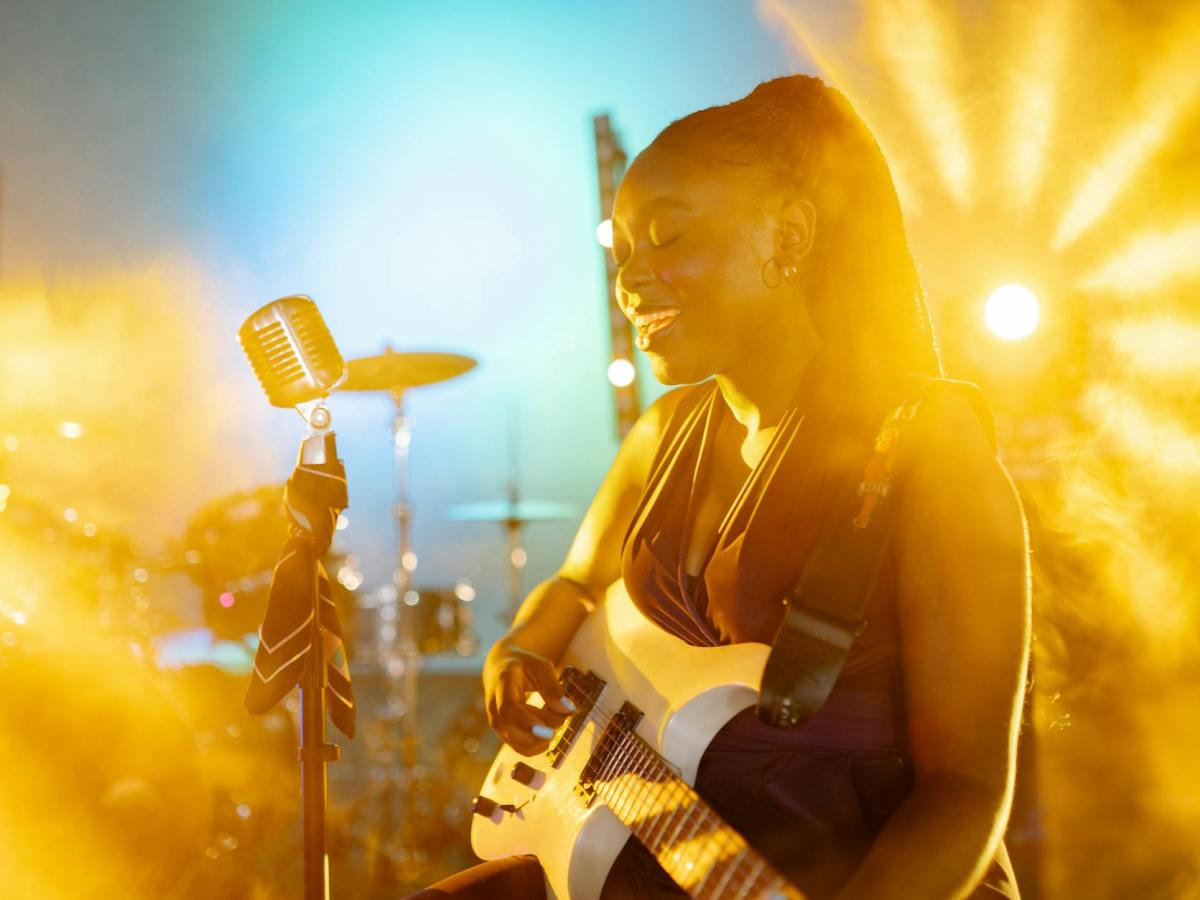
The Soul of Culture: What to Watch, Hear, and Feel This November
If your life had a soundtrack, would it be a cinematic score, a rock anthem, or a comedy theme song? This November, Spotlyts explores how music, film, and performance shape our world!
Keep reading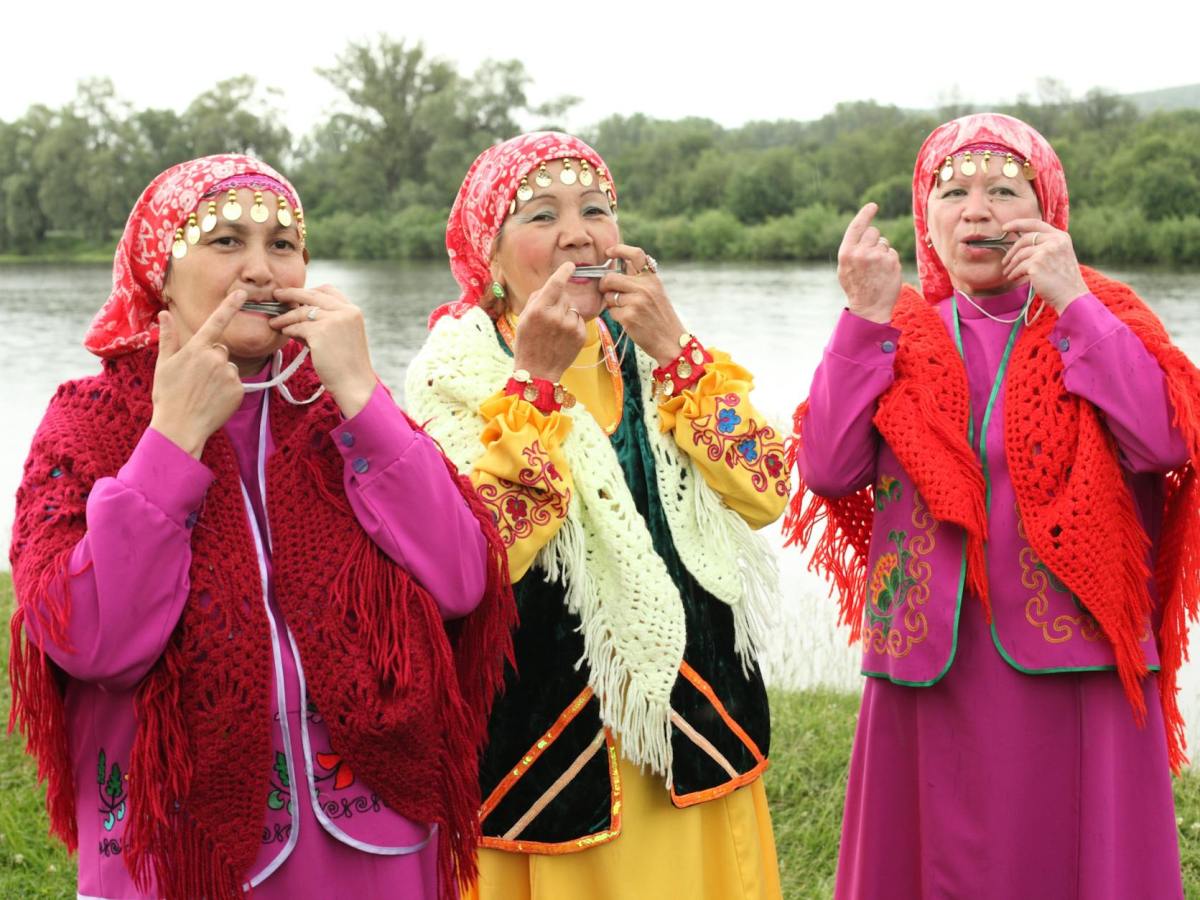
Togetherness Through Art, Music, and Tradition: A Global Lens
What if a forgotten melody could change the way we see history? Read this piece to explore the hidden ties between art, music, and culture — the answer awaits within!
Keep reading
In the Spotlight: Dr. Amara Pope on Music, Identity, and Cultural Representation
In this conversation, Dr. Amara Pope shares her journey and insights on the intersections of media, culture, and leadership and sheds light on how personal experiences and professional roles can fuel innovation and empower communities.
Keep reading
In the Spotlight: Joseph Pastrana
In this interview, discover how J. Joseph Pastrana weaves fashion, dance, and storytelling into a vibrant blend of cultural history, highlighting the enduring impact of creativity across generations.
Keep readingSomething went wrong. Please refresh the page and/or try again.


Leave a comment