
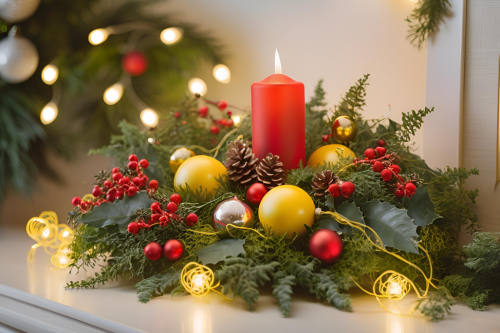
The holidays inspire us to slow down and appreciate what really matters—love, peace, and spending time with one another. They are a time of enchantment, introspection, and connection. Traditions have been incorporated into festivities across centuries and nations, acting as enduring reminders of our common humanity. These traditions, which range from warm family practices to lively community celebrations, have a special ability to unite people and provide a feeling of love and belonging. In this roundup, thought leaders explore some of the most beloved holiday customs from throughout the globe, honoring their deeper significance and the joy they bring.
Host Large Holiday Gatherings
My wife and I are raising a family of eight (soon to be nine) children on a homestead outside of Nashville, Tennessee. We are Mormons, and our religion teaches us to do a lot of fellowshipping, including inviting others to socialize with us.
We have been blessed to have the financial means to build a large recreational building next to our home on our 11-acre property.
During the holidays, we have large gatherings to which we invite fellow church members, friends, and others from the local community to participate. Last weekend, we held a square dance attended by nearly 100 people. We taught several dances from early American history pioneers, including the Virginia Reel, the Heel-Toe Polka, and others. Many of our guests stayed until almost midnight socializing and dancing.
During the Christmas season, our family performs Christmas songs and plays for Christmas sing-alongs on a weekend in December. As part of our culture of Southern Christian hospitality, we invite hundreds to attend a potluck dinner, after which we share our family’s love of sacred Christmas music. We normally have close to 400 people attend each year.

Richard Robbins, Owner, Prosperopedia
Celebrate Japanese Oshogatsu
A wonderful example of how a culture celebrates love, peace, and togetherness during the holiday season is the concept of Japanese Oshogatsu, or New Year celebrations. In Japan, Oshogatsu is a time for families to gather, reflect, and prepare for the year ahead with a focus on harmony and gratitude. Central to the tradition is the practice of Osoji, where families thoroughly clean their homes as a symbolic act of purging the old and welcoming the new. The celebration also includes sharing special meals such as Osechi Ryori, carefully prepared dishes that symbolize good fortune and health, and visiting temples or shrines to pray for peace and prosperity. The essence of Oshogatsu aligns beautifully with promoting connection and mindfulness, which I’ve encouraged in my practice over the years.
I’ve often drawn from these cultural practices to guide patients in fostering their own rituals of reflection and self-care during the holidays. For example, I recently worked with a corporate team struggling with stress and burnout, introducing them to the idea of “reset days,” inspired by the Japanese tradition of Osoji. These days focus on clearing mental and physical clutter through gentle movement routines, mindfulness exercises, and group activities to reinforce connection. My 30 years of experience helped me adapt these principles to create an accessible, effective program that improved not only their well-being but also their workplace cohesion. It was a practical application of how cultural traditions can transcend borders to promote love, peace, and togetherness in any setting.

Peter Hunt, Director & Physiotherapist at The Alignment Studio, The Alignment Studio
Participate in Pahalik sa Niño
An example of a culture that captures love, peace, and togetherness during the holiday season is the Filipino practice of “Pahalik sa Niño.” This tradition takes place during the celebration of the Feast of Santo Niño in January, where families gather to kiss or touch the statue of the Child Jesus as an act of reverence and gratitude. While it is a religious event, what makes it special is how it brings communities together, focusing on collective faith, hope, and the celebration of blessings.
Families usually travel long distances just to participate, carrying their own Santo Niño statues to be blessed. During the event, you see not only acts of faith but genuine warmth as neighbors share stories, food, and laughter. It is a moment that strengthens bonds within families and communities, reminding everyone of the joy that comes from unity and shared purpose. This tradition is a beautiful way to reflect on togetherness and gratitude during the holiday season.

Tracie Crites, Chief Marketing Officer, HEAVY Equipment Appraisal
Enjoy Icelandic Yule Lads
The culture of the Icelandic Yule Lads is a fascinating example of celebrating love, peace, and togetherness during the holiday season. The Yule Lads are thirteen mischievous but good-natured characters who visit children in the thirteen nights leading up to Christmas. Each night, children leave a shoe in their windows, and the Yule Lads place small gifts for good behavior or a potato for bad behavior.
What makes this tradition special is how it brings families together through storytelling, laughter, and anticipation. Parents and grandparents share tales of the Yule Lads’ playful antics, creating a festive atmosphere where imagination and joy take center stage. It’s not just about gifts, but the way this tradition strengthens bonds and brings everyone closer as they participate in the fun.
The Yule Lads reflect a cultural emphasis on community, humor, and generosity during the holidays. It’s a reminder that celebrations don’t need to be extravagant to be meaningful. Small, thoughtful gestures tied to a sense of wonder and shared stories can create memories that last a lifetime.

Shaun Bettman, Chief Executive Officer, Eden Emerald Mortgages
Exchange Books on Jolabokaflod
One beautiful example is Iceland’s “Jolabokaflod,” or the “Christmas Book Flood.” On Christmas Eve, Icelanders exchange books as gifts and then spend the evening cozying up with their new reads, often with a cup of hot chocolate in hand. It’s not just about the books—it’s about the quiet, shared joy of slowing down, connecting, and immersing in stories together. In a world that’s often rushing, this tradition feels like a collective pause, a moment of peace where love and togetherness take center stage, one page at a time. Plus, who doesn’t love the smell of a new book and chocolate?

Justin Belmont, Founder & CEO, Prose
Attend Simbang Gabi Masses
In the Philippines, a place where Christmas represents family, love, and togetherness, traditions adopted are Simbang Gabi: nine-day pre-dawn masses that start on December 16. Families wake early to attend the mass usually followed by the sharing of traditional treats like bibingka (rice cake) and puto bumbong (sticky rice). This act pulls communities closer, where neighbors greet each other warmly and exchange foods or simply little gifts.
It isn’t simply a religious festival—it’s about relationships. Those arriving to early masses in cool December air show their commitment to faith and family. The memory is in shared, felt connection—nothing says love and peace better than viewing their sense of attendance for each other. Thus, this tradition showcases how simple acts—such as coming together or sharing meals-can forge a deeper bond during any holiday season.

Elisa Branda, Founder & CEO, NuvolediBellezza
Join Mexican Posadas
I believe that one of the most heartwarming realizations about how Mexico celebrates love, unity, and peace is during the Christmas season with all its Posadas. It is held from December 16th to 24th and imitates Mary and Joseph’s search for refuge in Bethlehem. Families and communities gather for the music, breaking the pinata, and food to signify unity and compassion.
A must during the holiday season, as well, is Intercambio de Regalos or Gift Exchange, an opportunity for friends and families to gift each other some thoughtful books and, in turn, continue to weave stronger ties. Such a cute way to express your love and gratitude. In addition, in Mexico, Pastorelas (Christmas plays) are performed throughout the country, narrating the journey of the shepherds to Bethlehem. These plays are both lighthearted and spiritual, bringing people together to reflect on peace and joy.

Mariana Montes, Local Tour Guide, Content Creator, and Travel Writer, www.vibeadventures.com
Celebrate Nochebuena in Spain
One great example is how many cultures celebrate Christmas with family and community gatherings. For instance, in Spain, people come together for “Nochebuena,” or Christmas Eve, where families prepare big meals, share stories, and enjoy each other’s company late into the night. It’s a time when everyone, no matter how far apart they’ve been during the year, makes an effort to be together. The spirit of love, peace, and togetherness is felt through the food, music, and laughter shared, creating lasting memories that strengthen bonds.

Adnan Jiwani, Assistant Manager Digital Marketing, PureVPN
Host a Friendsgiving Event
Celebrating love, peace, and being together is what Friendsgiving is all about in the United States. It’s fun for many people around Thanksgiving, but it can be in late November at any time. At this event, friends get together to eat and hang out, often ones who can’t be with their families. Thanksgiving is all about being thankful for the things that bring people together, even if they are not related by blood. The interesting thing about it is that it’s not just about normal family ties, but also about chosen family. I really liked how the event made a calm place where everyone could feel welcome and supported. There is a lot of calm, and everyone helps make the food.
On a few occasions, everyone brought their favorite dish. It always tells you something about the person and where they’re from. Any food that is shared makes the get-together even more special, even if it’s just a treat or a recipe that has been passed down for years. It really shows how much people care about each other and love each other when they just show up to enjoy being with each other.

Jean Christophe Gabler, Publisher & Founder, YOGI TIMES
Celebrate the Lantern Festival
A wonderful example of a culture celebrating love, peace, and togetherness during the holiday season is the Lantern Festival in China. Held on the 15th day of the first month in the Chinese lunar calendar, usually in February, it marks the end of the Chinese New Year festivities and reflects some of the most cherished cultural values.
The Lantern Festival is about family unity, bringing loved ones together to celebrate, and fostering forgiveness and reconciliation, making it a time to let go of past grievances and build harmony. It symbolizes peace and the hope for a bright and harmonious future.
The festival is known for its enchanting traditions. Lanterns of all shapes and sizes light up the night sky, symbolizing hope and optimism. Fireworks and modern drone displays add to the spectacle, creating moments of awe for families and communities. Traditional lion and dragon dances bring vibrancy and energy to the celebrations, drawing people together in joy. A key part of the festival is eating tang yuan, round dumplings served in soup, which symbolize family unity and togetherness.
The Lantern Festival beautifully combines meaningful traditions with community celebration, creating an atmosphere of love, harmony, and cultural pride. It’s a powerful reminder of the importance of coming together to celebrate life and shared values.

Jay Yue, Growth, Wanderboat
Share Your Insights
We’d love to hear about your own holiday traditions! Share your thoughts in the comments:
- Are there any unique customs or rituals you’ve adopted or created over the years?
- What’s your favorite holiday tradition that brings your family together?
- How do you celebrate love and peace during the holiday season?
Welcome to our brand-new series at Spotlyts dedicated to family, children, and relationships! This is the beginning of a continuous spotlight on the core of what binds us together—our loved ones. We’ll go further into the potent dynamics of human connection, covering everything from the nourishing ties we have with our families to the joys and challenges of having and rearing kids to the enduring friendships and partnerships that influence our lives.
We invite you to join us as we take on this ongoing exploration and reflect on the many ways our relationships shape and transform us. Stay tuned for more!
DISCLAIMER: Spotlyts Magazine does not provide any form of professional advice. All content is for informational purposes only, and the views expressed are those of individual contributors and may not reflect the official position of Spotlyts Magazine. While we strive for accuracy and follow editorial standards, we make no guarantees regarding the completeness or reliability of the content. Readers are encouraged to conduct their own research and seek professional assistance tailored to their specific needs. Any links included are for reference only, and Spotlyts Magazine is not responsible for the content or availability of external sites. For more details, please visit our full Disclaimer, Privacy Policy, and Terms of Service.
Highlight of the Day
“With great power comes great responsibility.”
— Uncle Ben, Spider-Man
More Stories for You
Seasonal Rituals Inspire Global Communities
Ever wondered why we instinctively gather or celebrate when seasons change? This roundup explores how different cultures ritualize nature’s cycles—and what we can learn from these timeless patterns.
Keep reading
The Deal by Nazia Kamali (Short Fiction)
What does a familiar bar reveal when no one is watching? This piece invites readers inside shifts, hidden rituals, and a looming surprise.
Keep reading
In the Spotlight: Leon Conrad on Language, Story Structure, and How Stories Shape Meaning
Why do some stories feel instinctively right while others fall flat—even when we can’t explain why? This interview explores how story structures shape meaning and invites readers to discover the answer.
Keep reading
In the Spotlight: Cortney Raymond on Writing Stories of Healing, Strength, and Possibility
Ever wondered what it’s like to write stories that give hope to people who’ve endured trauma? Discover how Cortney Raymond blends real-life experiences and imagination to create resilience, strength, and possibility.
Keep readingSomething went wrong. Please refresh the page and/or try again.
Related



Something went wrong. Please refresh the page and/or try again.

 Spotlyts
Leave a reply to Andrea Fernández Cancel reply