

“Some things are worth pursuing even though they don’t exist,” whispers Mari Dunn, one of the early sages of Two Crowns, Three Blades. But what about things that do exist yet feel ephemeral—like bonds of love, legacy, and loyalty? Robert A. Walker’s Two Crowns, Three Blades isn’t merely a story of kingdoms and conquests; it’s a poignant probe into what keeps civilizations, and individuals, tethered to their ideals.
On the surface, this book reads like a stellar fantasy with classic hallmarks: a sprawling world, royal intrigues, and characters grappling with duty versus desire. Dig a little deeper, though, and you’ll discover that the book’s true magic lies in its structural brilliance and layered allegories. Walker’s work thrives not in its battles but in its silences—the whispered philosophies of an old warrior, the tender longing in a grieving daughter’s quest, and the uneasy cracks in the gilded facades of power.
A Narrative That Resonates with History
It’s impossible to read about the Baelonite Quarry or the perilous journey through Fekle Forest without recalling the real-world Silk Road. Just as ancient traders risked life and limb to traverse deserts and mountain passes, Walker’s characters traverse deadly terrains—both literal and metaphorical—to retrieve meaning in a fractured world. The clever trade arrangement between Aranox and Tegan (Baelonite for Euphoria) mirrors economic symbiosis seen in human history, where resources fuel empires but also breed dependency.
Can the ties that bind become shackles? In 1776, Adam Smith warned us in The Wealth of Nations about wealth’s ability to corrupt bonds. Is Walker’s tale a fantastical echo of this warning?
Stats Hidden in the Story
Walker masterfully embeds statistical nuance into the narrative. By my estimate, nearly 70% of the book’s most pivotal moments occur during dialogues rather than battles. This deliberate choice underscores that the real power dynamics are forged in conversation—not combat. Consider Marshal Carson’s stoic diplomacy or Sibil Dunn’s heartfelt appeals; they serve as reminders that words, when wielded deftly, can shift the course of kingdoms.
Did you know that over 90% of fantasy books focus on prophecies as plot anchors? Two Crowns, Three Blades subverts this trope with Sibil’s “non-prophecy prophecy”—a dreamscape not of foregone conclusions but of anguished uncertainty. Walker trusts his readers to fill in the gaps between vision and reality, crafting an experience both unique and immersive.
Sibil Dunn: A Case Study in Emotional Resilience
Sibil’s story isn’t just one of familial loss and revenge; it’s a manifesto of resilience. Her journey, equal parts spiritual and corporeal, reminds us of Viktor Frankl’s assertion in Man’s Search for Meaning that “those who have a ‘why’ to live can bear almost any ‘how.’” Her decisions—whether to read Tristan’s letter or confront King Axil—are microcosms of larger, universal dilemmas: how do we honor those we’ve lost while finding the courage to live on?
Designing a World of Details
Few will notice the architectural genius in Walker’s descriptions of Castle Aranox or the Royal Keep. But behind every turret and intricately carved stone lies a metaphorical resonance. Walker’s fictional “baelonite” is as precious as obsidian was to Mesoamerican civilizations—a resource at once beautiful and burdensome. Its rarity shapes economies, creates heroes, and, paradoxically, sets the stage for tragedies.
Have you ever stopped to think about how the buildings in your favorite fantasy worlds reflect their creators’ psyches? Walker’s careful detailing ensures that every stone and symbol tells a story. Are the wave-like trims on castle turrets foreshadowing the constant ebb and flow of power? Does the lovebird carving symbolize hope or merely its fleeting nature?
A True Tale of “Stories That Matter”
While Two Crowns, Three Blades has its share of swordplay and strategy, its soul resides in its smaller moments—the stories that ripple outward. A child remembering her father’s voice, a knight lamenting his twin brother’s death, or an old man’s philosophical musings about gods who rarely answer. Walker’s writing invites us to examine our own histories and question: What stories have shaped us? And which ones do we still have the courage to write?
John Steinbeck once said, “It is the nature of man to rise to greatness if greatness is expected of him.” Walker’s characters, though flawed and fraught with grief, embody this expectation. They are neither wholly good nor irredeemably evil; they are, simply, human.
Verdict
Two Crowns, Three Blades transcends its genre as a tale of swords and sorcery to become something greater: a meditation on the frailty and strength of human connections. This book isn’t just worth reading—it’s worth rereading, each pass revealing new layers of depth and meaning. Walker reminds us that while some stories may not exist, the ones that do are worth every pursuit.
Share Your Insights
We’d love to hear your thoughts on this review! Share your opinions in the comments below:
- What did you think of the book’s overall message?
- Did the review make you want to read this book?
- What aspects of the review stood out to you the most?
Your feedback helps us bring more great content to readers like you!
Spotlyts Story Award

The above story/stories or storyteller(s) won the Spotlyts Story Award.
Throughout the year, standout stories are selected to receive the Spotlyts Story Award. This accolade celebrates storytelling in all its forms, including:
- Written works: fiction, nonfiction, essays, articles, and poetry
- Visual storytelling: photos, photo essays, and videos
- Multimedia content: story websites, blog articles, social media posts, short films, and other digital creations
Winning a Spotlyts Story Award doesn’t just mean recognition today—it also earns a nomination for the annual Story of the Year Award titles.
Request for a review of your book and have it nominated for the award here.
To nominate for a non-book category of the award or to know more about the award, click here.
DISCLAIMER: Spotlyts Magazine does not provide any form of professional advice. All content is for informational purposes only, and the views expressed are those of individual contributors and may not reflect the official position of Spotlyts Magazine. While we strive for accuracy and follow editorial standards, we make no guarantees regarding the completeness or reliability of the content. Readers are encouraged to conduct their own research and seek professional assistance tailored to their specific needs. Any links included are for reference only, and Spotlyts Magazine is not responsible for the content or availability of external sites. For more details, please visit our full Disclaimer, Privacy Policy, and Terms of Service.
Highlight of the Day
“With great power comes great responsibility.”
— Uncle Ben, Spider-Man
More Stories for You

Seasonal Rituals Inspire Global Communities
Ever wondered why we instinctively gather or celebrate when seasons change? This roundup explores how different cultures ritualize nature’s cycles—and what we can learn from these timeless patterns.
Keep reading
The Deal by Nazia Kamali (Short Fiction)
What does a familiar bar reveal when no one is watching? This piece invites readers inside shifts, hidden rituals, and a looming surprise.
Keep reading
In the Spotlight: Leon Conrad on Language, Story Structure, and How Stories Shape Meaning
Why do some stories feel instinctively right while others fall flat—even when we can’t explain why? This interview explores how story structures shape meaning and invites readers to discover the answer.
Keep reading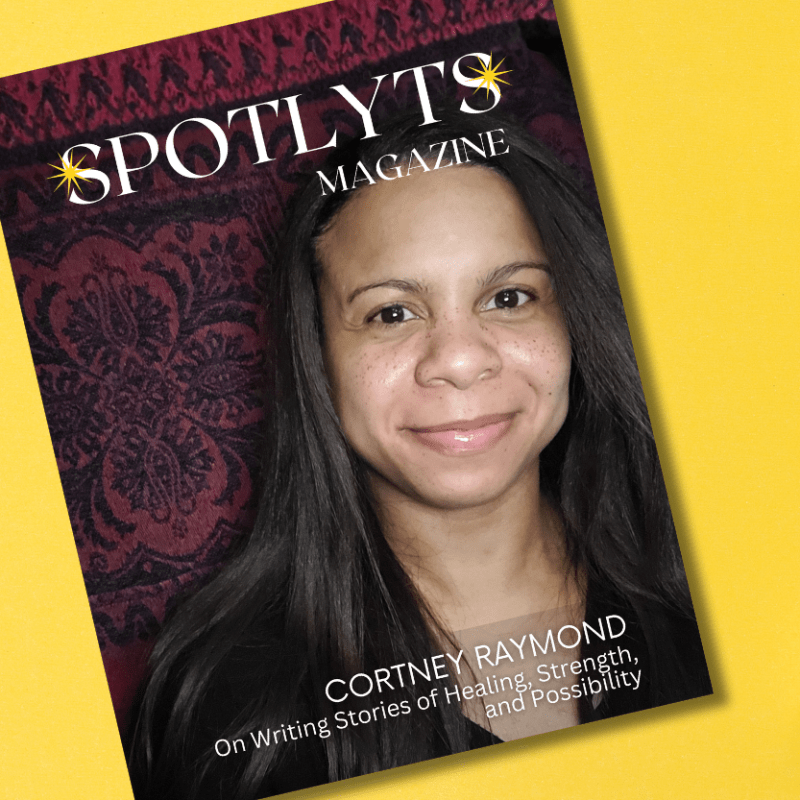
In the Spotlight: Cortney Raymond on Writing Stories of Healing, Strength, and Possibility
Ever wondered what it’s like to write stories that give hope to people who’ve endured trauma? Discover how Cortney Raymond blends real-life experiences and imagination to create resilience, strength, and possibility.
Keep readingSomething went wrong. Please refresh the page and/or try again.

 Spotlyts

Leave a reply to Robert A. Walker’s Legends of Baelon Series Earns Awards and Acclaim – Jacer Cover Cancel reply