
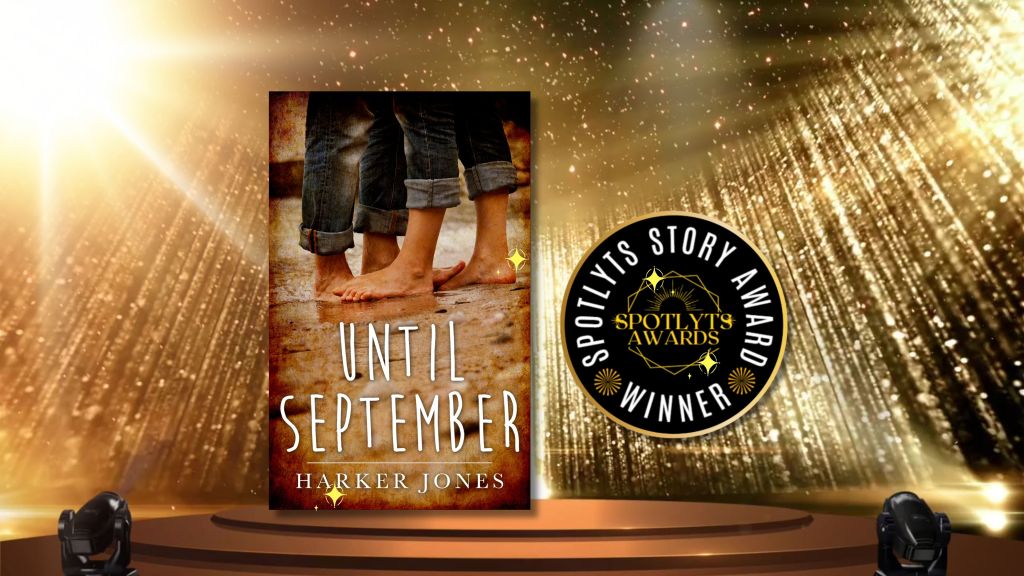
Content Warning: This review may spark introspection about themes such as self-discovery, unspoken love, and the complexities of human connection. While the story remains tender and reflective, readers should approach with an open heart and a readiness to tackle the emotional terrain of youth.
A Quiet Symphony of Self-Discovery
“How many years would you have to go back to change your destiny?” This haunting question sets the tone for Harker Jones’ Until September, a novel that tenderly captures the fragility and resilience of youth. But is destiny a force we succumb to, or one we forge with trembling hands?
The Enchantment of Time and Place
Set against the sun-dappled beaches of a coastal town in the summer of 1966, Until September feels like flipping through a faded photograph album, each scene imbued with nostalgia and aching beauty. From the cedar-paneled beach house with its “haunted house creak” to the languid evenings filled with laughter and shadows, Jones creates a setting as alive as the characters themselves.
Characters That Linger
Kyle Ryan Quinn, the introspective protagonist, navigates a summer of seismic shifts as he encounters Jack, the enigmatic newcomer who upends his world. Through their tentative connection, the novel deftly explores themes of longing, identity, and the unspoken rules that govern relationships. Jack’s “cornflower blue” eyes and Kyle’s internal monologue are painted with poetic precision, evoking echoes of F. Scott Fitzgerald’s tender prose.
A Historical and Literary Context
The novel’s setting during the tumultuous 1960s—a time of cultural upheaval and social redefinition—parallels Kyle’s internal struggle. The subtle allusion to historical undercurrents adds depth to the narrative, suggesting that personal and societal transformations are often intertwined.
Why It Matters
Does love unspoken still shape us? Do moments of vulnerability forge our strongest bonds? These are the questions Jones poses, and his answers, while subtle, are profoundly moving. The narrative invites readers to reflect on their own paths and ponder what might have been—an emotional exercise both cathartic and humbling.
Spotlyts Story Award

The above story/stories or storyteller(s) won the Spotlyts Story Award.
Throughout the year, standout stories are selected to receive the Spotlyts Story Award. This accolade celebrates storytelling in all its forms, including:
- Written works: fiction, nonfiction, essays, articles, and poetry
- Visual storytelling: photos, photo essays, and videos
- Multimedia content: story websites, blog articles, social media posts, short films, and other digital creations
Winning a Spotlyts Story Award doesn’t just mean recognition today—it also earns a nomination for the annual Story of the Year Award titles.
Request for a review of your book and have it nominated for the award here.
To nominate for a non-book category of the award or to know more about the award, click here.
DISCLAIMER: Spotlyts Magazine does not provide any form of professional advice. All content is for informational purposes only, and the views expressed are those of individual contributors and may not reflect the official position of Spotlyts Magazine. While we strive for accuracy and follow editorial standards, we make no guarantees regarding the completeness or reliability of the content. Readers are encouraged to conduct their own research and seek professional assistance tailored to their specific needs. Any links included are for reference only, and Spotlyts Magazine is not responsible for the content or availability of external sites. For more details, please visit our full Disclaimer, Privacy Policy, and Terms of Service.
Highlight of the Day
“With great power comes great responsibility.”
— Uncle Ben, Spider-Man
More Stories for You
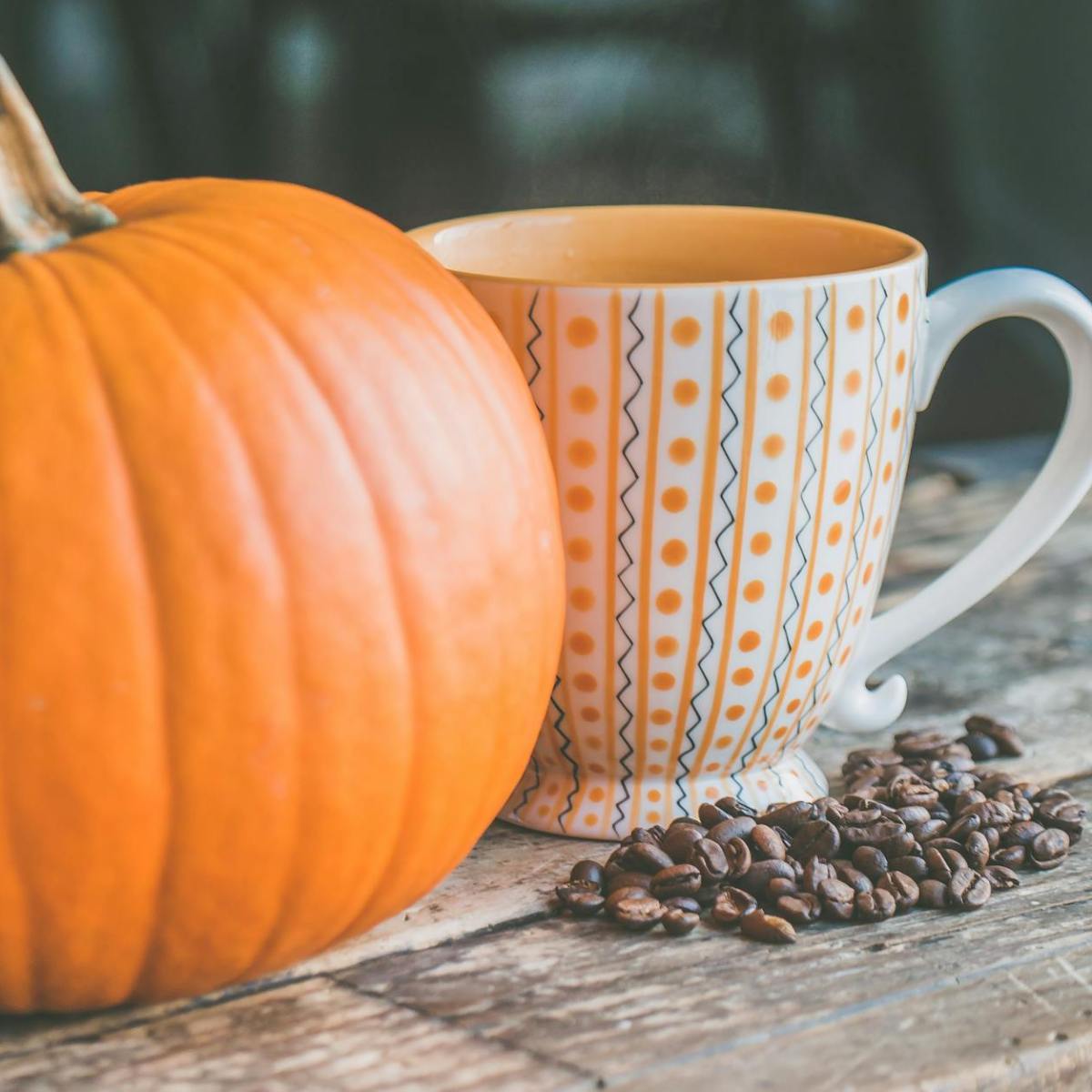
Seasonal Rituals Inspire Global Communities
Ever wondered why we instinctively gather or celebrate when seasons change? This roundup explores how different cultures ritualize nature’s cycles—and what we can learn from these timeless patterns.
Keep reading
The Deal by Nazia Kamali (Short Fiction)
What does a familiar bar reveal when no one is watching? This piece invites readers inside shifts, hidden rituals, and a looming surprise.
Keep reading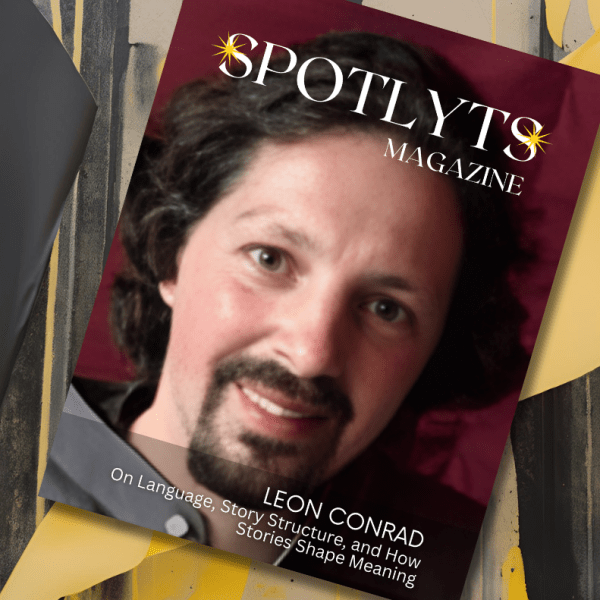
In the Spotlight: Leon Conrad on Language, Story Structure, and How Stories Shape Meaning
Why do some stories feel instinctively right while others fall flat—even when we can’t explain why? This interview explores how story structures shape meaning and invites readers to discover the answer.
Keep reading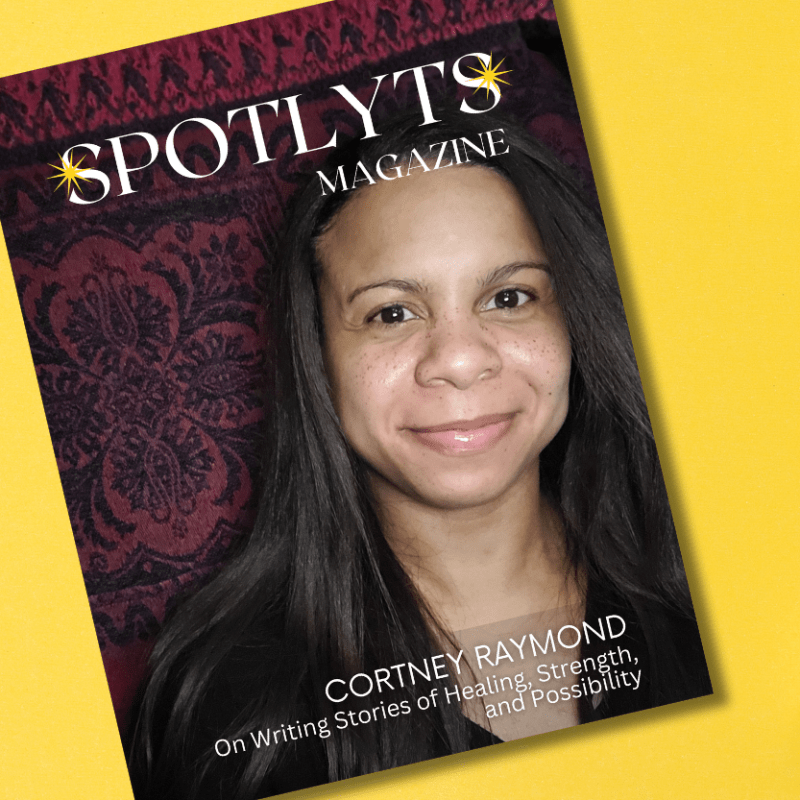
In the Spotlight: Cortney Raymond on Writing Stories of Healing, Strength, and Possibility
Ever wondered what it’s like to write stories that give hope to people who’ve endured trauma? Discover how Cortney Raymond blends real-life experiences and imagination to create resilience, strength, and possibility.
Keep readingSomething went wrong. Please refresh the page and/or try again.
Related Posts
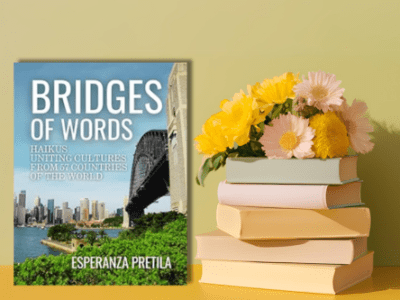
Bridges of Words: Haikus Uniting Cultures from 57 Countries of the World by Esperanza Pretila
This book feels like a passport—not stamped with borders, but with moments.
Keep reading
The Cultural Stories Giving People Strength and Identity Today
What if a forgotten memoir or a single song could rewrite how you see yourself and your culture? Discover surprising stories that challenge identity—read on to explore these powerful personal…
Keep reading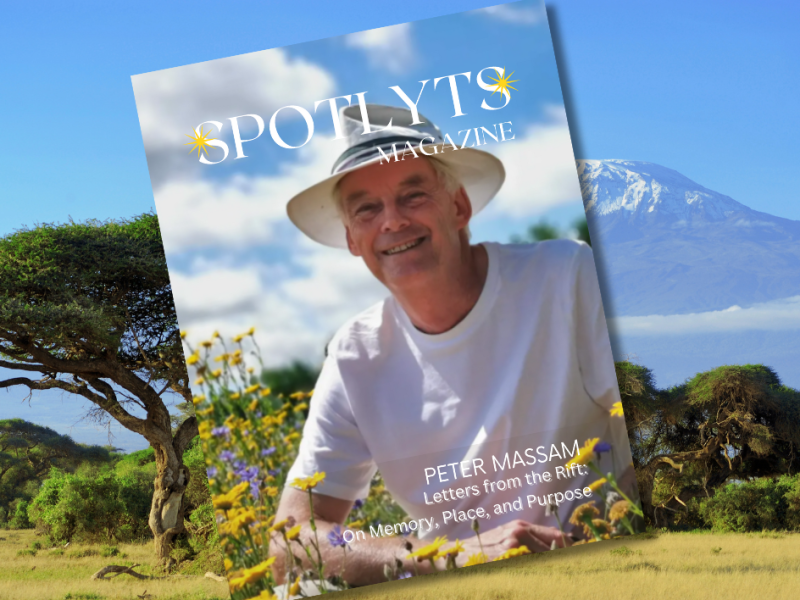
In the Spotlight: Peter Massam on Memory, Place, and Purpose
What happens when decades-old letters unlock forgotten worlds and shape how we understand culture and memory? Discover how Peter Massam’s journey reveals the power of storytelling—read the full interview to…
Keep reading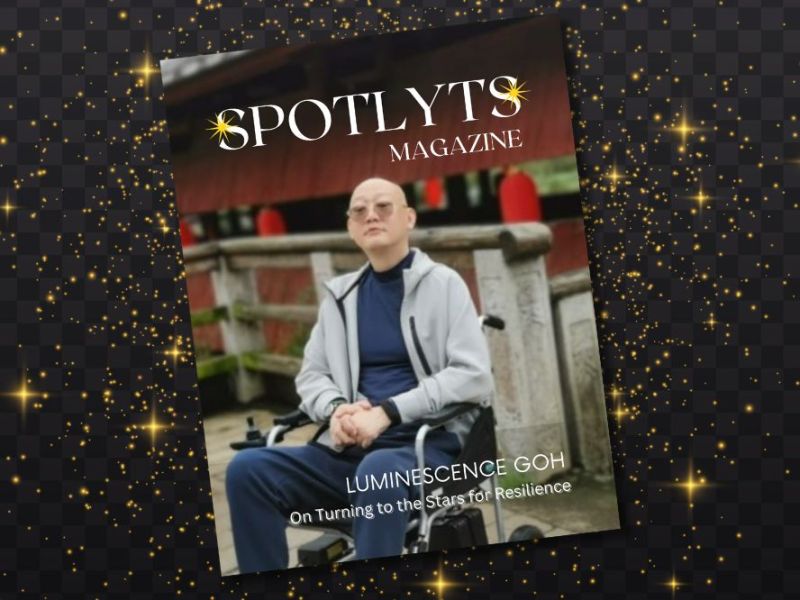
In the Spotlight: Luminescene Goh on Resilience, Identity, and Storytelling
What do astrology, fantasy fiction, and mindfulness have in common? You might be surprised. Discover how these seemingly different elements come together in a writer’s journey to inspire and empower…
Keep readingSomething went wrong. Please refresh the page and/or try again.

 Spotlyts
Leave a reply to Announcing the 2025 Spotlyts Awards Winners: Celebrating Stories That Matter – Spotlyts Cancel reply