
Note: The content of this article presents a collection of seasonal traditions from various cultures. While the traditions themselves are widely celebrated, some descriptions may include symbolism or rituals that reflect historical practices or regional customs. These references are not intended to cause offense or alienate any group but rather to highlight the diversity of cultural celebrations around the world. If any reader feels discomforted by specific content, we encourage an open-minded approach to cultural understanding.
Cultural differences should not separate us from each other, but rather cultural diversity brings a collective strength that can benefit all of humanity.”
– Robert Alan
Every community has its own unique identity shaped by its culture and traditions. They have their own customs that have been passed down through generations for centuries. Things like religious ceremonies, culinary traditions, traditional clothes, music, and dance, among other things, are the foundation of a community’s cultural identity.
There are millions of diverse cultures in the world. Each of them comes with its own customs, traditions, and worldviews. With increased globalization and ease of transportation, we are all becoming more and more interconnected. In this global village, it is important for us to understand as well as appreciate the diverse cultures and traditions of the people around us. In fact, there are many things that you can teach others from the unique traditions of your culture. Similarly, there are things that you can learn from others. Sometimes, you may even be astonished to find many commonalities among the traditions of different communities.
Let us have a look at some unique traditions of various cultures that the world can learn from.
Drowning Marzanna Marks Polish Spring Arrival
Every spring in Poland, there’s a slightly eerie yet oddly fun tradition called the “drowning of Marzanna”—an old Slavic symbol of winter, death, and all things gloomy, so setting her on fire and drowning her is our way of telling her, “Thanks, but you’ve overstayed your welcome.” The tradition goes way back to pagan times, and while the Catholic Church once tried to end it, well…let’s say Marzanna stuck around.
As a kid, I remember making straw dolls in school, dressing them in old clothes, and then dramatically tossing them into a river as if we were banishing winter. These days, some people skip the river part for eco-friendly reasons, but the spirit of the ritual lives on. Kids still make their own Marzannas, take them for a “farewell walk,” and celebrate spring with songs instead.
This mix of dark folklore, symbolism, playful fun, and a touch of mischief perfectly captures Polish culture. Sometimes, to fully embrace a new beginning, you must set the past on fire and watch it float away.
Agata Szczepanek, Career Expert & Community Manager, Zety
Nowruz Celebrates Renewal and Rebirth
One unique tradition marking the arrival of spring in the Northern Hemisphere is Nowruz, the Persian New Year, celebrated around March 20-21. Rooted in Zoroastrian traditions, Nowruz symbolizes renewal and rebirth, aligning with the spring equinox. Families set up a Haft-Seen table, displaying seven symbolic items like sprouts (growth), apples (health), and garlic (protection). Fire-jumping festivals, feasts, and house-cleaning rituals all reinforce the theme of starting fresh with the new season.
In the Southern Hemisphere, where March signals the beginning of autumn, Argentina’s Fiesta Nacional de la Vendimia (National Grape Harvest Festival) in Mendoza stands out. Held in early March, this celebration honors the grape harvest with parades, music, and performances that blend Indigenous and Spanish traditions. The festival culminates in the selection of a harvest queen and a spectacular show featuring folklore and fireworks, symbolizing gratitude for the land’s bounty as the seasons shift.
Claudia Mora, Senior Marketing Coordinator, Richards-Wilcox Canada
Hanami Highlights Japan’s Cherry Blossoms
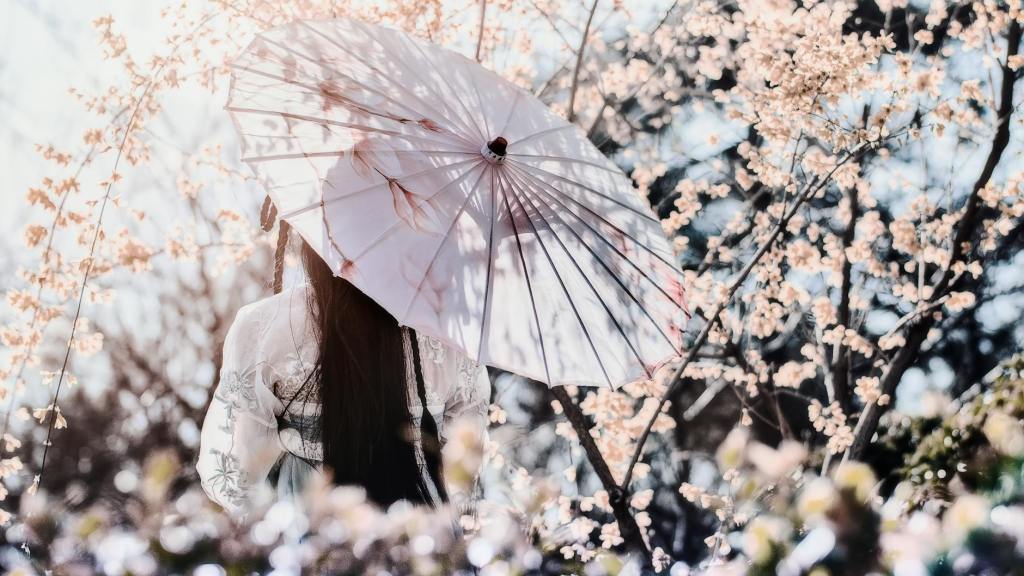
In Japan, the arrival of spring is marked by Hanami, the tradition of flower viewing. Families, friends, and coworkers gather under blooming cherry blossom trees to eat, drink, and celebrate the fleeting beauty of the season.
The tradition dates back over a thousand years, originally practiced by the imperial court before spreading to samurai and commoners. Today, it is a national event, with weather forecasts tracking the exact timing of cherry blossom blooms across the country. Parks fill up with picnic blankets, bento boxes, and sake, while businesses even schedule hanami parties for employees.
What makes Hanami special is its philosophy of impermanence. The blossoms last only a couple of weeks before falling, reminding everyone to appreciate beauty while it lasts. It is not just about spring. It is a lesson in life itself.
James Shaffer, Managing Director, Insurance Panda
Nowruz and Vendimia Celebrate Seasonal Changes
One unique tradition celebrating the arrival of spring in the Northern Hemisphere is Nowruz, the Persian New Year, observed around March 20-21. Rooted in Zoroastrian traditions, Nowruz marks the spring equinox and symbolizes renewal and rebirth. Families deep clean their homes (Khaneh Tekani), set up a Haft-Seen table with symbolic items like sprouts for growth and coins for prosperity, and celebrate with feasts, fire-jumping, and gatherings.
In the Southern Hemisphere, Argentina and Chile welcome autumn with the Fiesta de la Vendimia (Grape Harvest Festival) in early March. This centuries-old tradition celebrates the grape harvest with wine tastings, parades, and folkloric performances in wine-producing regions like Mendoza. The festival honors winemakers, blending indigenous and Spanish traditions, making it a cultural and economic highlight of the season.
Both festivals reflect themes of renewal and abundance, whether through nature’s rebirth in spring or the harvest’s rewards in autumn.
Blake Beesley, Operations and Technology Manager, Pacific Plumbing Systems
Martenitsa Tradition Welcomes Bulgarian Spring
As a small business owner, I’ve always been fascinated by cultural traditions around the world. It’s amazing how different cultures mark the changing of seasons, especially spring and fall. One tradition that really caught my attention is the Bulgarian custom of Martenitsa, celebrated on March 1st.
I learned about this unique tradition from Nikolai, a Bulgarian client who booked me for a family photoshoot last year. As we were setting up, I noticed he and his family were all wearing these intricate red and white bracelets. Curiosity got the better of me, and I had to ask about them.
Nikolai explained that these bracelets, called Martenitsi, are a big deal in Bulgaria. On March 1st, people exchange these red and white adornments as a symbol of health and happiness for the upcoming spring. The red represents life and passion, while the white symbolizes purity and new beginnings.
What really struck me was the ritual around wearing the Martenitsa. You’re supposed to wear it until you see the first signs of spring—a blooming tree or a stork returning from migration. When that happens, you tie the Martenitsa to a blossoming tree branch. It’s like a personal connection to the awakening of nature.
During the photoshoot, I couldn’t help but notice how proud the family was of their tradition. The kids were excitedly pointing out budding trees, hoping to spot the first bloom. It added such a joyful, anticipatory element to our session.
This conversation with Nikolai opened my eyes to how different cultures welcome spring. It made me reflect on our own traditions and how we mark the changing seasons. Since then, I’ve started asking my clients about their cultural traditions, especially around seasonal changes. It’s not only fascinating but also helps me capture more meaningful, culturally rich photographs.
The Martenitsa tradition reminds us that no matter where we are in the world, we’re all connected by our anticipation of spring and new beginnings. It’s a beautiful way to welcome the season, tying together nature, community, and personal hopes for the future.
John Lattanzio, Owner, John Angelo Photography
Bogong Moth Season Celebrates Fall in U.S.
In the United States, fall kicks off with Bogong Moth Season, an ancient tradition among Indigenous groups in the southeast. These protein-packed moths migrate by the millions, and for thousands of years, they’ve been roasted and eaten as a seasonal delicacy. Families gather, stories are shared, and the land provides. It’s less about the moths themselves and more about connection—to food, to history, to the natural world. Honestly, celebrating fall with a crunchy, high-protein snack isn’t the worst idea.
Sarah Gibson, Director, Proactive Healthcare
Sechselauten Burns Winter Away in Switzerland
In Switzerland, spring officially arrives with the Sechselauten, a fiery spectacle that quite literally burns away winter. Locals build a giant snowman, the Boogg, stuff it with explosives, and set it on fire. The faster its head explodes, the better the summer will be—at least according to tradition. It’s half meteorology, half mayhem, and fully Swiss. Meanwhile, guilds parade through Zurich in historical dress, turning the whole thing into a mix of precision, tradition, and controlled chaos. Seriously, nothing welcomes spring like blowing up a snowman.
Toni Norman, Senior Marketing Manager, Tingdene Residential Parks
Chapchar Kut Honors Jhum Cultivation’s End
While Holi is widely known as India’s spring festival, a lesser-known but equally fascinating tradition is Chapchar Kut, celebrated by the Mizo people in Northeast India in early March.
What Makes It Unique?
- Celebrates the End of Jhum Cultivation – This festival marks the completion of “Jhum” (slash-and-burn) farming, where fields are cleared for the next planting season.
- Rhythmic Bamboo Dance (“Cheraw”) – Women perform the Cheraw dance, skillfully stepping between moving bamboo sticks, symbolizing the rhythm of nature’s cycles.
- Community Feasting & Storytelling – After months of hard agricultural work, villages gather for grand feasts, folk singing, and traditional storytelling about their ancestors and the land.
Chapchar Kut is more than a seasonal celebration—it’s a deep cultural acknowledgment of the land, farming, and community resilience, making it a true spring renewal tradition unlike any other.
Tansha Casarez, Founder & Lead Visionary, HER BALANCED WORLD
Dia de la Pachamama Honors Mother Earth
Autumn in the Andean highlands means Dia de la Pachamama, a deep-rooted ritual honoring Mother Earth. People bury food, pour chicha (a fermented drink), and burn herbs as an offering. The idea? Give back before taking. Farmers, in particular, take this seriously—thanking the land before the next planting season. It’s not just a celebration; it’s a spiritual contract with nature. In reality, it’s a reminder that seasons aren’t just dates on a calendar—they’re cycles of giving and receiving.
Gavin Bent, Marketing Executive, Ponds By Michael Wheat
Shunbun no Hi and Fall Cleans
Seasonal traditions often revolve around refreshing spaces. In Japan, the spring equinox inspires “Shunbun no Hi,” where families deep-clean ancestral gravesites, a ritual that mirrors the “spring cleaning” many New Yorkers embrace to declutter homes after winter. Meanwhile, in Chile’s fall wine harvest festivals, families prepare homes for winter by storing summer items and deep-cleaning kitchens after preserving harvests.
These traditions highlight a universal truth: seasonal shifts are natural prompts to reset living spaces. It’s a way to honor time, change, and the rhythm of home life. Whether it’s scrubbing baseboards for spring or sanitizing kitchens for fall feasts, aligning cleans with seasonal milestones turns chores into meaningful rituals.
Joseph Passalacqua, Owner & CEO, Maid Sailors
Maple Syrup Festivals Mark Spring in Wisconsin
Growing up in Wisconsin, maple syrup tapping and maple syrup festivals are a unique and cherished tradition in the Midwest, especially in early March when the weather begins to warm up. During this time, families and local sugarhouses tap maple trees to collect sap, which is then boiled down to create fresh maple syrup. These festivals celebrate the start of the syrup-making season, with visitors learning about the process, enjoying delicious samples, and participating in family-friendly activities.
In Wisconsin, it’s not uncommon to see pancake breakfasts and outdoor events that showcase local vendors, making it a fun way to enjoy the changing season. This tradition connects communities to their agricultural roots and marks the arrival of spring in a sweet, meaningful way.
Evan McCarthy, President and CEO, SportingSmiles
Share Your Insights
We’d love to hear from you! Share your thoughts in the comments below:
- What other ideas or perspectives would you add to the discussion?
- What are your thoughts or experiences on this topic?
- Have you encountered something similar or different?
DISCLAIMER: Spotlyts Magazine does not provide any form of professional advice. All content is for informational purposes only, and the views expressed are those of individual contributors and may not reflect the official position of Spotlyts Magazine. While we strive for accuracy and follow editorial standards, we make no guarantees regarding the completeness or reliability of the content. Readers are encouraged to conduct their own research and seek professional assistance tailored to their specific needs. Any links included are for reference only, and Spotlyts Magazine is not responsible for the content or availability of external sites. For more details, please visit our full Disclaimer, Privacy Policy, and Terms of Service.
Highlight of the Day
“With great power comes great responsibility.”
— Uncle Ben, Spider-Man
More Stories for You

Book Review of Cancer Courts My Mother by LindaAnn LoSchiavo
What if your houseplants became witnesses to a family secret? Read our review of Cancer Courts My Mother by LindaAnn LoSchiavo to discover what they reveal about love and loss.
Keep reading
Quietly Transformative Innovators to Spotlight—What Makes Their Approaches Different
What everyday process do you rely on without ever wondering who quietly improved it? Read the full roundup to discover the behind-the-scenes innovations shaping modern work and technology.
Keep reading
In the Spotlight: Janne Kouri on Resilience, Purpose, and Building Impact Through Leadership
Can one unexpected moment quietly redirect an entire lifetime? Discover how one life-changing experience reshaped purpose, leadership, and service by reading this interview with Janne Kouri.
Keep reading
In the Spotlight: Gretchen Terry-Leonard on Leadership, Human Performance, and Reinventing Life’s Next Chapter
Can one question quietly shape an entire lifetime? Discover how a lifelong search for better questions transformed one author’s work by reading this insightful interview with Gretchen Terry-Leonard.
Keep readingSomething went wrong. Please refresh the page and/or try again.
More Highlights
How Travel and Exploration Deepen Appreciation for Cultural Diversity
Have you ever wondered why getting lost in an unfamiliar place can sometimes teach more than a perfectly planned itinerary? Discover what experts say by reading the full roundup.
Keep reading
Everyday Behaviors with the Untapped Power to Create Positive Social or Cultural Change
What tiny daily habit could quietly influence an entire community without anyone noticing? Discover the surprising ideas experts shared by reading the complete roundup.
Keep reading
Spotlyts Magazine Issue 3 – June 2026 Edition Now Available
The latest Spotlyts Magazine is finally here! Get your copy at https://spotlyts.com/magazine.
#spotlyts #spotlytsmagazine @spotlyts
Keep reading
Guiding Principles for Tackling Change
If your plans suddenly changed tomorrow, what principle would guide your next move? Read on to discover the ideas professionals rely on when uncertainty arrives.
Keep readingSomething went wrong. Please refresh the page and/or try again.


Leave a Reply