

What if your houseplants became witnesses to a family secret? Read our review of Cancer Courts My Mother by LindaAnn LoSchiavo to discover what they reveal about love and loss.
Book Details
Cancer Courts My Mother by LindaAnn LoSchiavo
Genre: Poetry
Sub-genres: Narrative poetry, contemporary poetry, elegiac poetry, confessional poetry, formal verse, illness and grief literature.
Themes: Caregiving, mother-daughter relationships, family conflict, cancer, mortality, reconciliation, grief, memory, resilience, hope, and the natural world.
Recommended audience: Adult readers and mature young adults interested in literary poetry, family relationships, caregiving, and bereavement.
Minimum age recommendation: 16+ (editorial recommendation, not an official publisher classification).
Content Warning: Terminal illness, cancer, death, bereavement, medication, and emotionally difficult family relationships.
Review
Some family histories are preserved in photographs. Others survive in the objects people leave behind: a cupboard of clothes, a collection of houseplants, or a room that no longer needs to be kept ready for someone. In Cancer Courts My Mother, LindaAnn LoSchiavo examines what remains when caregiving becomes part of a daughter’s relationship with a dying parent.
This poetry collection follows a daughter whose history with her mother includes blame, emotional hurt, and distance. When her mother develops terminal cancer, the daughter assumes responsibilities that extend beyond ordinary visits. She manages medications, attends to the sickroom, and tries to keep her mother’s plants alive. These activities become part of a larger struggle to understand a relationship that illness cannot simply reset.
The collection’s central metaphor is its most distinctive feature. Cancer becomes a persistent suitor, courting the mother despite the family’s efforts to keep the disease at bay. The conceit gives an otherwise difficult-to-describe medical experience a recurring narrative shape. Rather than treating cancer as an abstract diagnosis, LoSchiavo makes it an unwelcome presence whose influence grows as the mother’s condition deteriorates.
The poems also challenge the familiar expectation that caring for a parent must be an uncomplicated expression of love. What happens when the person who needs assistance is also someone associated with painful memories? The daughter does not erase her childhood or pretend that past injuries never occurred. Instead, the collection examines how practical care and unresolved feelings can occupy the same space. This tension gives the work much of its emotional substance.
Plants provide another organising thread. In poems such as Green Nursemaid and Mother Requests Miracles, tending to leaves, stems, and soil becomes a parallel to caring for a person whose health cannot be restored through effort alone. A plant may respond to water and attention, but human illness follows a different course. The contrast makes these domestic tasks more than background details: they become a way of confronting the limits of responsibility.
LoSchiavo also varies her poetic forms. The collection includes short poems, haiku, tightly structured verse, and an acrostic built around the word CANCER. These formal changes affect the pace of the reading experience. Brief poems offer concentrated moments, while longer pieces allow memories, observations, and recurring images to develop. The language is often elaborate, with metaphors that reward careful reading. At times, that density may slow readers who prefer a more direct style.
One of the collection’s strengths is its refusal to offer an easy formula for reconciliation. Care may create opportunities for patience and understanding, but it cannot guarantee that a difficult relationship will be repaired completely. Nor does the preservation of memories mean that every memory becomes comforting.
Readers looking for a conventional plot or an uplifting account of illness may find this collection challenging. Those interested in how poetry can examine complicated family bonds, the responsibilities of caregiving, and the experience of loss will find more to consider.
Ultimately, Cancer Courts My Mother asks readers to look beyond simple definitions of devotion. Its portrait of a daughter caring for her mother acknowledges that compassion can coexist with hurt, exhaustion, and regret. The result is a collection that treats caregiving not as a perfect act of love, but as a human undertaking shaped by history, limitation, and the choices people make when time becomes precious.
DISCLAIMER: Spotlyts Magazine does not provide any form of professional advice. All content is for informational purposes only, and the views expressed are those of individual contributors and may not reflect the official position of Spotlyts Magazine. While we strive for accuracy and follow editorial standards, we make no guarantees regarding the completeness or reliability of the content. Readers are encouraged to conduct their own research and seek professional assistance tailored to their specific needs. Any links included are for reference only, and Spotlyts Magazine is not responsible for the content or availability of external sites. For more details, please visit our full Disclaimer, Privacy Policy, and Terms of Service.
Highlight of the Day
“With great power comes great responsibility.”
— Uncle Ben, Spider-Man
More Stories for You
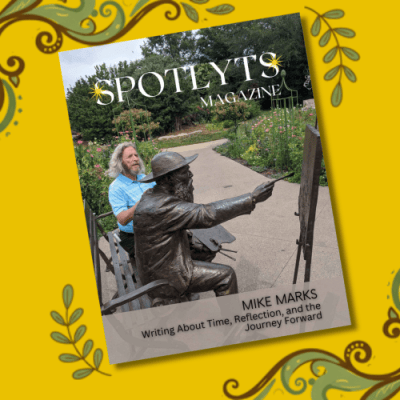
In the Spotlight: Mike Marks and Writing About Time, Reflection, and the Journey Forward
What if the road ahead mattered less than the questions left behind? Poet Mike Marks discusses the ideas shaping “On My Way.” Read the interview to explore his reflections further.
Keep reading
Quietly Transformative Innovators to Spotlight—What Makes Their Approaches Different
What everyday process do you rely on without ever wondering who quietly improved it? Read the full roundup to discover the behind-the-scenes innovations shaping modern work and technology.
Keep reading
In the Spotlight: Janne Kouri on Resilience, Purpose, and Building Impact Through Leadership
Can one unexpected moment quietly redirect an entire lifetime? Discover how one life-changing experience reshaped purpose, leadership, and service by reading this interview with Janne Kouri.
Keep reading
In the Spotlight: Gretchen Terry-Leonard on Leadership, Human Performance, and Reinventing Life’s Next Chapter
Can one question quietly shape an entire lifetime? Discover how a lifelong search for better questions transformed one author’s work by reading this insightful interview with Gretchen Terry-Leonard.
Keep readingSomething went wrong. Please refresh the page and/or try again.
Related Posts

The Deal by Nazia Kamali (Short Fiction)
What does a familiar bar reveal when no one is watching? This piece invites readers inside shifts, hidden rituals, and a looming surprise.
Keep reading
In the Spotlight: Leon Conrad on Language, Story Structure, and How Stories Shape Meaning
Why do some stories feel instinctively right while others fall flat—even when we can’t explain why? This interview explores how story structures shape meaning and invites readers to discover the…
Keep reading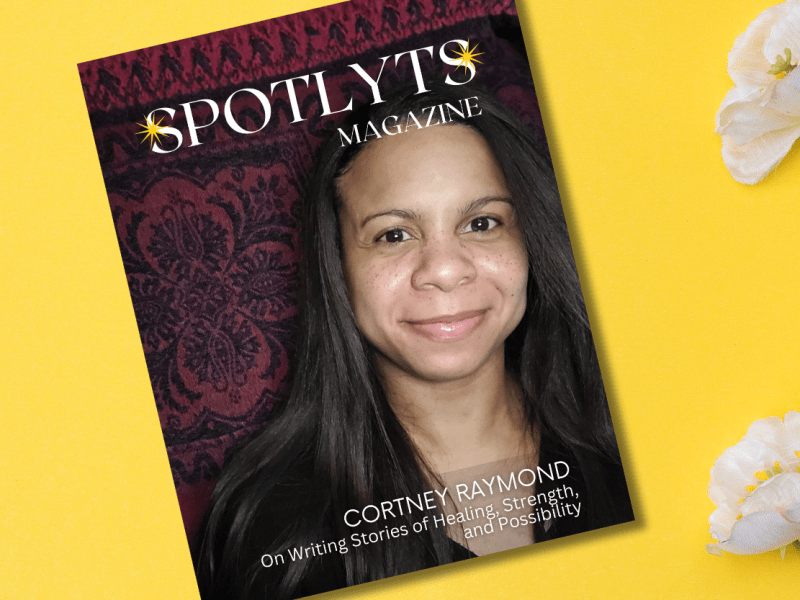
In the Spotlight: Cortney Raymond on Writing Stories of Healing, Strength, and Possibility
Ever wondered what it’s like to write stories that give hope to people who’ve endured trauma? Discover how Cortney Raymond blends real-life experiences and imagination to create resilience, strength, and…
Keep reading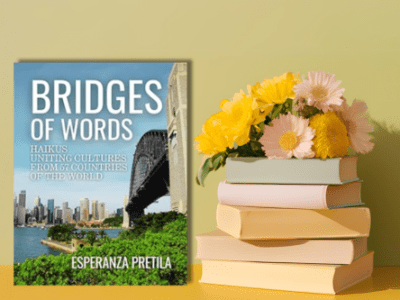
Bridges of Words: Haikus Uniting Cultures from 57 Countries of the World by Esperanza Pretila
This book feels like a passport—not stamped with borders, but with moments.
Keep readingSomething went wrong. Please refresh the page and/or try again.


Leave a Reply